Ask anyone who has been to Egypt for one piece of health advice, and most will say the same thing: stick to bottled water. It is good advice, but it is only part of the picture. Staying well in Egypt also means knowing which foods to trust, how to handle the heat in Luxor, why you should never dip your hand in the Nile, and where to find a pharmacy at midnight. The river has kept this country alive for thousands of years, but travelers do best admiring it from the deck rather than drinking from it.
This guide answers the question most people search first, can you drink tap water in Egypt, and then covers how to avoid getting sick in Egypt through food and ice, how to stay healthy on a Nile cruise and in the sun, and what to know about vaccines, pharmacies, and medical care.
Can You Drink Tap Water in Egypt?
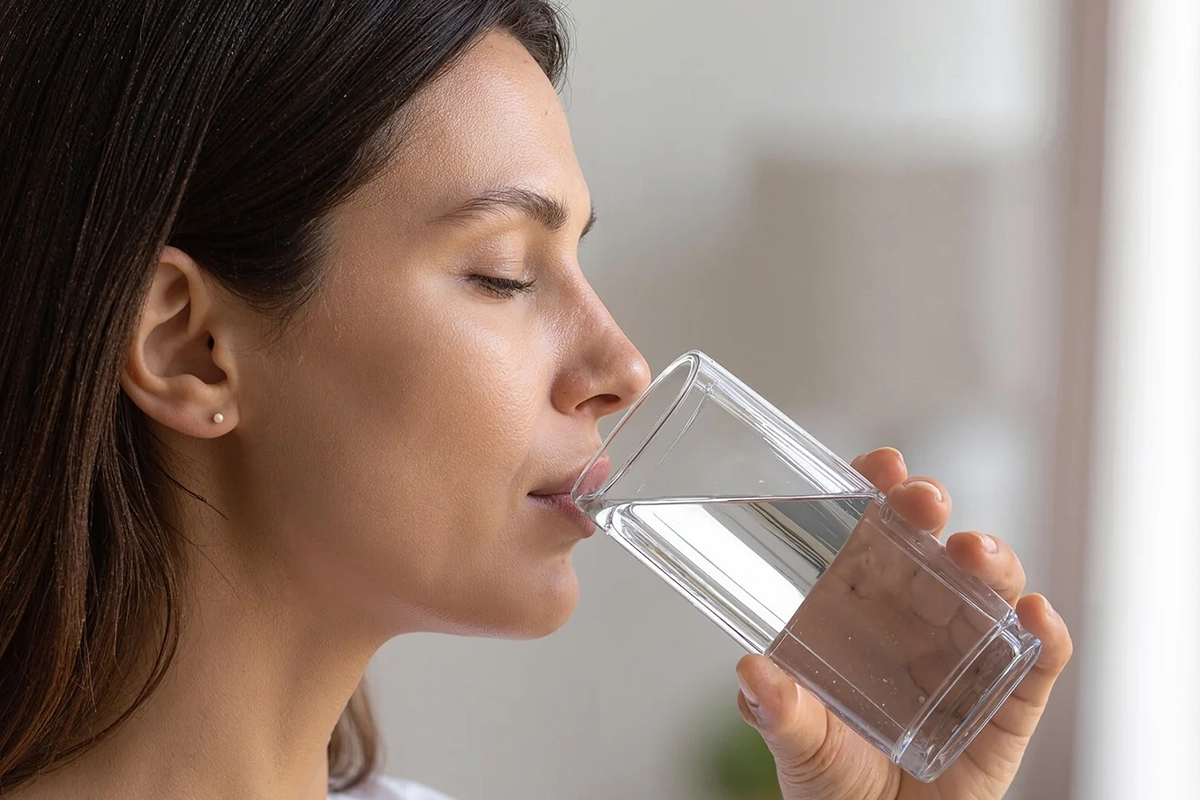
No, travelers should not drink tap water in Egypt. The water in Cairo, Luxor, Aswan and the Red Sea resorts is treated with chlorine, and Egyptians drink it every day. For visitors, though, the heavy chlorine, different mineral content and ageing pipes in older districts are enough to upset an unfamiliar stomach. Tour operators, guides and travel health advice all say the same thing: drink bottled or filtered water for your whole trip.
Is tap water safe to drink in Egypt for brushing your teeth? Most travelers in good hotels brush with tap water and spit without problems. If you have a sensitive stomach, or you are staying somewhere basic, use bottled water. Do the same for rinsing contact lenses, mixing medication and preparing baby formula.
Bottled water is cheap and everywhere. Look for local brands such as Baraka, Hayat, Nestlé Pure Life, Aquafina and Siwa. A 1.5-litre bottle costs well under a dollar in a supermarket, a little more in hotel shops and tourist sites. Before you drink, check that the plastic seal on the cap is unbroken, since refilled bottles occasionally turn up at street stalls. Buying a 6- or 12-bottle pack from a supermarket on your first day saves money and plastic.
Boiled drinks are fine. Hot tea, coffee and the hibiscus drink karkadeh served hot are made with boiled water and are safe. Canned and sealed bottled soft drinks are safe too.
Filtering and refilling. If you want to cut down on plastic, a filter bottle such as LifeStraw or a UV purifier works well with tap water. Many hotels and Nile cruise ships also provide filtered water stations or free bottles in your room. If you are ever stuck without bottled water, boiling tap water for one minute kills almost all germs.
| Situation | Safe choice |
|---|---|
| Drinking | Sealed bottled water or filtered water |
| Brushing teeth | Bottled water if your stomach is sensitive |
| Ice in drinks | Fine in good hotels and on cruise ships; skip at street stalls |
| Tea and coffee | Safe, made with boiled water |
| Fresh juice from stalls | Only if made with fruit and no added water or ice |
| Salad washed in tap water | Avoid outside good hotels and restaurants |
Food, Ice and How to Avoid Getting Sick in Egypt
Egyptian food is one of the joys of the trip, and most visitors eat well without problems. The common complaint, nicknamed "Pharaoh's revenge", is a mild stomach upset that usually clears in a day or two. A few habits keep the risk low.
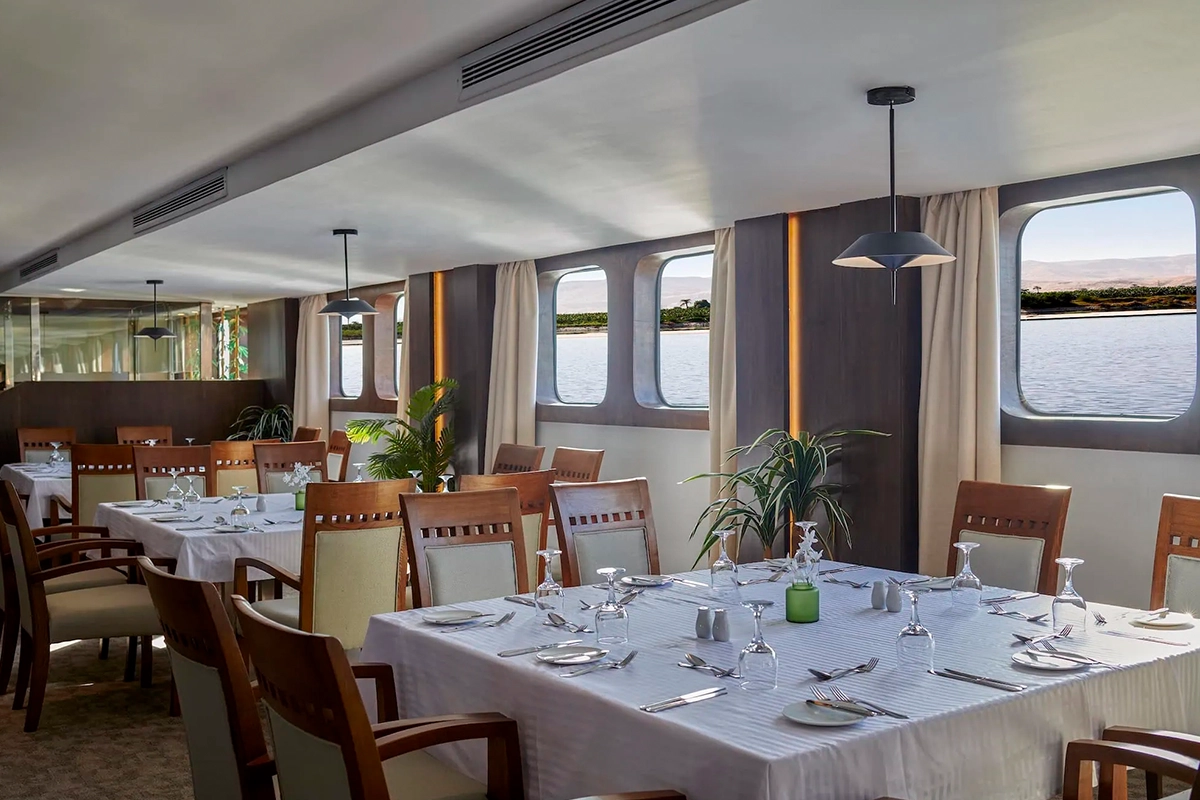
Choose busy, clean places. Restaurants and street stalls with a steady stream of local customers turn food over quickly. Hotel restaurants, cruise ship dining rooms and established chains follow good hygiene standards.
Favour hot, freshly cooked food. Grilled kofta, koshari, ful medames, ta'ameya (Egyptian falafel) and lentil soup are cooked to order and served hot, which makes them safe choices. Be more careful with buffets that have sat out in the heat, raw salads and dips in small local cafés.
Peel it, cook it or leave it. Bananas, oranges and mangoes that you peel yourself are fine. Pre-cut fruit and salads are only as safe as the water used to wash them, so eat them in good hotels and restaurants rather than at roadside stalls.
Be sensible with ice and dairy. Ice in hotels, cruise ships and upmarket cafés is made from purified water. At street juice stands, ask for no ice if you are unsure. Choose yoghurt and milk from known brands and avoid unpasteurised dairy.
Wash your hands. Carry hand sanitiser and use it before eating, especially after visiting busy sites like Khan El Khalili or handling money.
If you do get sick. Rest, drink plenty of bottled water and take oral rehydration salts, sold in every pharmacy (ask for Rehydran). Over-the-counter remedies such as loperamide help on travel days. See a doctor if symptoms last more than 48 hours, or if you have a high fever, blood in your stool or signs of dehydration. Most cruise ships can call a doctor on board.
For more on what is served on board, read our guide to food and beverage onboard Nile cruises.
Staying Healthy on a Nile Cruise and in the Egyptian Sun

A Nile cruise is one of the easiest ways to stay healthy in Egypt, because the ship controls your water, food, and rest. A few river-specific points are still worth knowing.
Water on board. Cruise ships use filtered water for cooking, ice and showers, and most supply bottled water in the cabin or at meals. Luxury ships often include it free throughout the voyage. Check whether your package includes water or whether it is charged to your bill; our guide to the facilities and entertainment included on a Nile cruise explains what to expect.
Do not swim in the Nile. Freshwater in the Nile, its canals and Lake Nasser can carry schistosomiasis, also called bilharzia, a parasite that passes through the skin. Riding a felucca in Luxor or taking a sunset felucca ride in Aswan is perfectly safe; trailing your hand or feet in the water is not. If you have accidental contact, dry your skin briskly and mention it to a doctor later, as the infection is easily treated. Swim in your ship's pool or at the sea instead.
Respect the heat. Upper Egypt is hot and dry, and dehydration is the most common health problem visitors face. Summer days in Luxor and Aswan regularly pass 40°C, and even winter afternoons reach the mid-twenties. Drink water steadily throughout the day, not just when you are thirsty, and add electrolyte sachets on long days.
- In Cairo, see the Giza Pyramids at opening time and save the air-conditioned Grand Egyptian Museum for the afternoon.
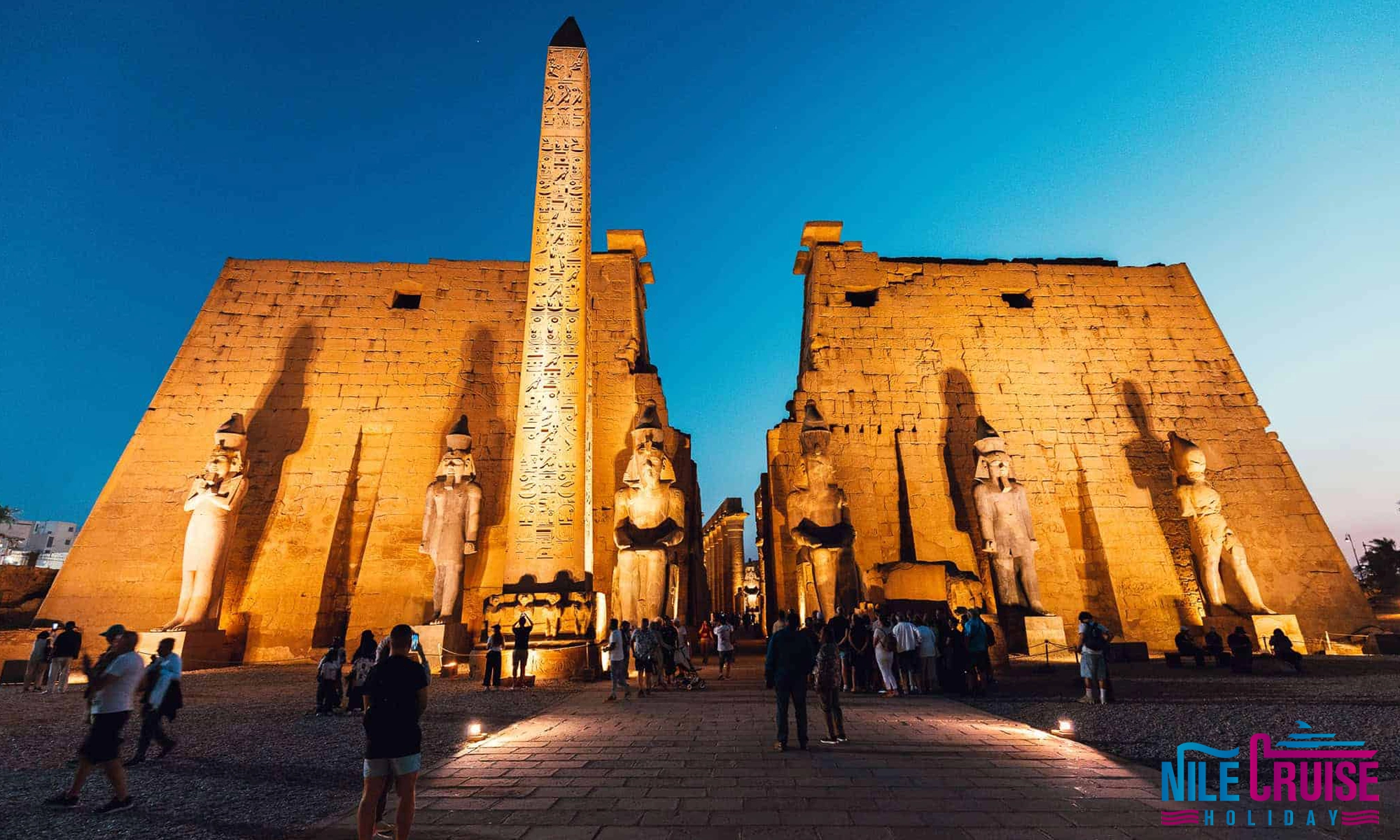
- Visit sites like the Valley of the Kings and Karnak Temple early in the morning.
- Rest in the middle of the day, when most cruise programs have you back on board.
- Wear a wide-brimmed hat, sunglasses, and loose, light clothing that covers your shoulders.
- Use high-SPF sunscreen and reapply after swimming.
- On the early start for Abu Simbel, take water and a snack with you.
The best time to cruise the Nile for comfort is October to April. If you travel in summer, read our tips for Nile river cruises in August.
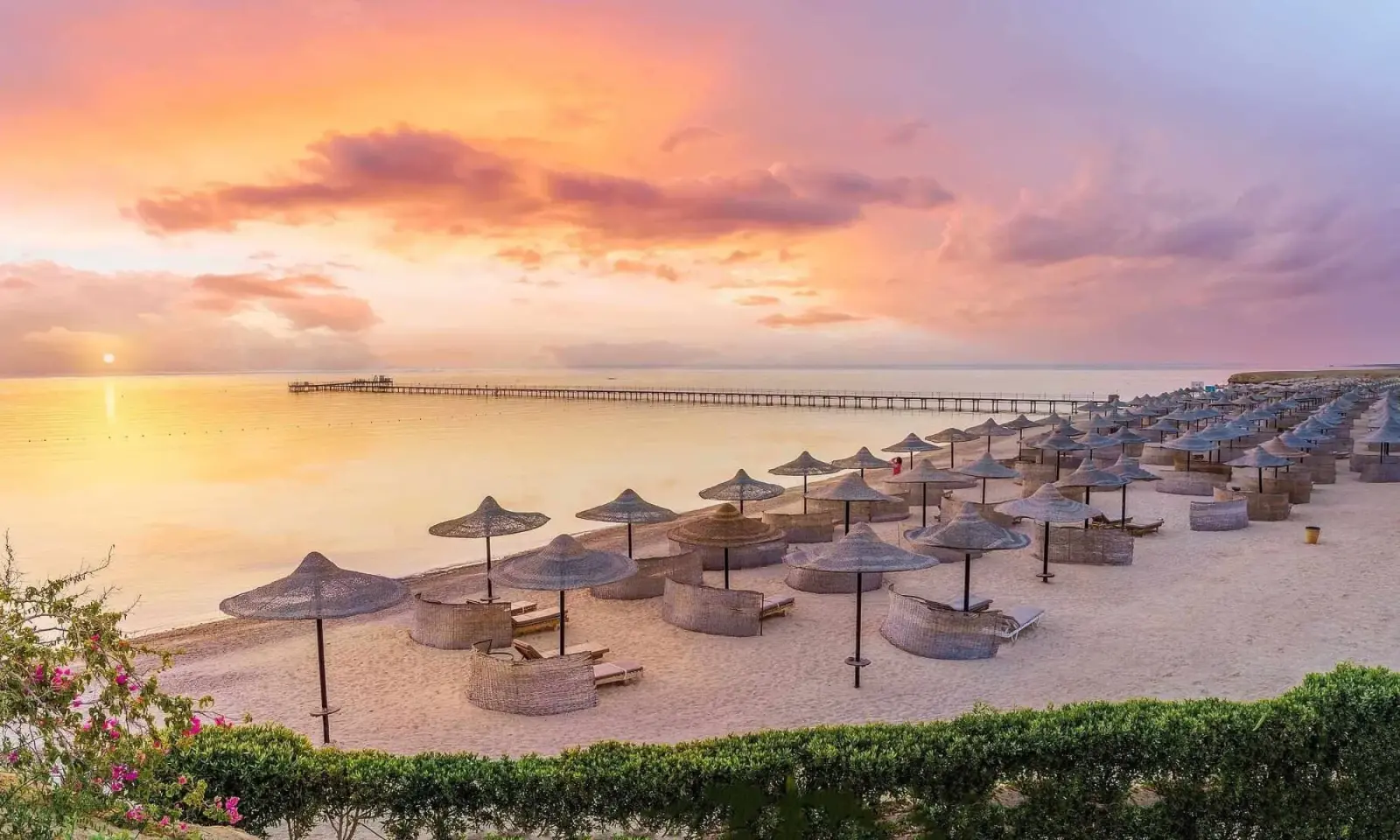
At the Red Sea. The sea is clean and safe for swimming. The hazards are underwater: never touch coral, and watch for fire coral, sea urchins and stonefish. Reef shoes help. Our guides to the best beaches in Egypt and things to do in Hurghada cover where to swim and snorkel.
Mosquitoes. Egypt has no malaria risk in tourist areas, but mosquitoes can be annoying near the river at dusk. Use repellent in the evening; most cruise cabins are screened and air-conditioned.
Travelers with extra needs. Older travelers and families with young children should take extra care with heat and hydration. See our Nile cruises for seniors and the guide to a Nile cruise with kids.
Vaccines, Pharmacies, Medical Care and Emergencies
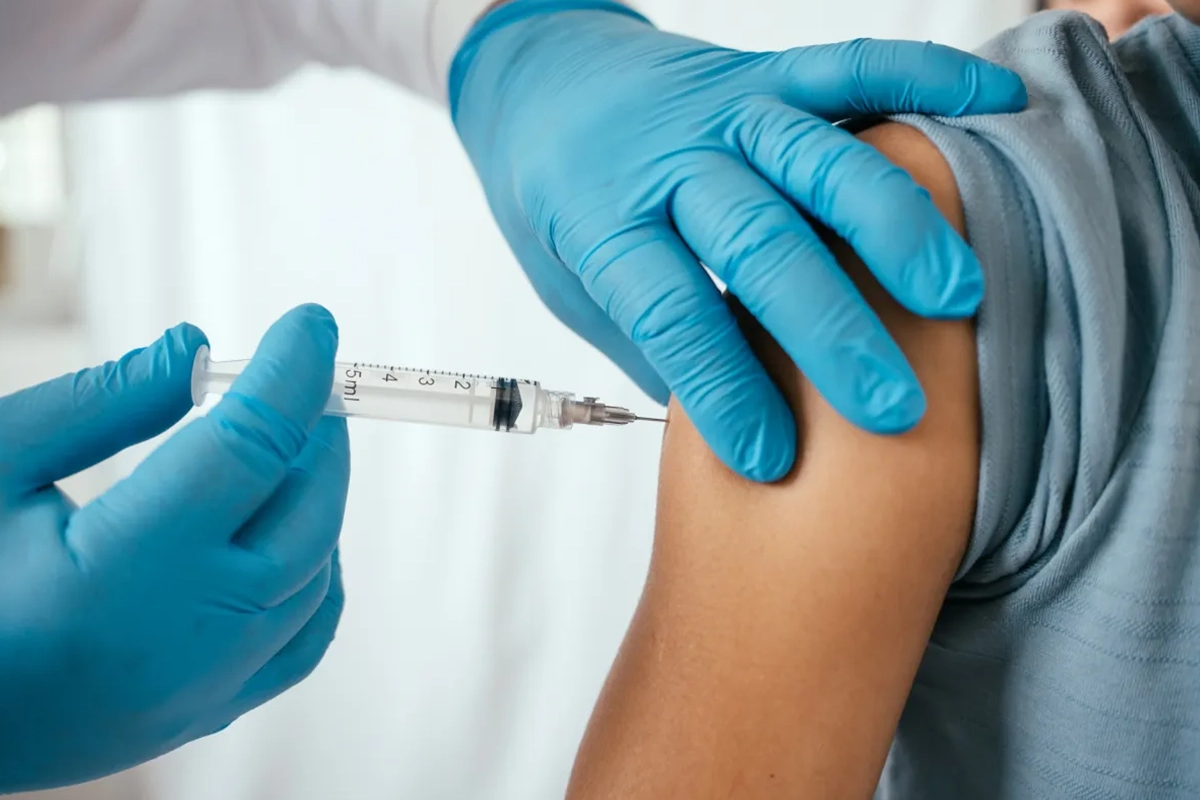
Vaccines are a great way to avoid getting sick in Egypt. See your doctor or a travel clinic six to eight weeks before you go. Make sure routine vaccines are up to date, including tetanus. Hepatitis A and typhoid are commonly recommended for Egypt, and hepatitis B and rabies may be suggested for longer stays or rural travel. A yellow fever certificate is only needed if you arrive from a country with yellow fever risk.
Pack a small medical kit. Our packing list for a Nile cruise covers the basics. Health items worth taking include:
- Prescription medicines in their original packaging, with a copy of the prescription
- Oral rehydration salts and an anti-diarrhoea remedy
- Paracetamol or ibuprofen
- Sunscreen, after-sun lotion and lip balm with SPF
- Insect repellent
- Hand sanitiser and plasters
- Motion sickness tablets if you are sensitive, though the Nile is very calm
Pharmacies. Pharmacies, marked صيدلية (saydaliya), are found on almost every street in Cairo, Luxor and Aswan, and many are open late or around the clock. Pharmacists often speak English and can advise on minor problems. Many medicines that need a prescription at home are sold over the counter, but check with your own doctor before taking anything new.
Hospitals and doctors. Cairo, Alexandria, Luxor, Hurghada and Sharm El Sheikh have modern private hospitals and clinics with English-speaking staff. Care in rural areas is more basic. Private treatment usually has to be paid upfront, so keep your insurance details handy.
Travel insurance. Choose a policy that covers medical treatment, hospital stays and emergency evacuation. Our guide to travel insurance for Egypt explains what to look for.
Emergency numbers in Egypt:
| Service | Number |
|---|---|
| Ambulance | 123 |
| Police | 122 |
| Tourist Police | 126 |
| Fire | 180 |
Save your embassy's number and your tour operator's 24-hour contact in your phone too. Our tips to enjoy a Nile cruise add more practical advice. For wider safety, read how safe a cruise on the Nile River is.
Quick answers to common questions:
Is it safe to eat salad in Egypt? In good hotels, cruise ships, and established restaurants, yes. At small roadside cafés, choose cooked dishes instead.
Can I drink the water on a Nile cruise? Drink the bottled or filtered water provided. Do not drink from cabin taps.
Do I need to worry about the food on a dahabiya? No. Dahabiyas cook fresh meals for a small number of guests, and water is usually included; see our dahabiya Nile cruise guide.
How much water should I drink each day? In the heat, two to three litres is a sensible baseline, more if you are walking a lot.
Book Your Nile Cruise Trip and Heal Your Mind & Soul to the Fullest
Staying healthy in Egypt is mostly about habits: bottled water, hot fresh food, early starts, plenty of shade and a small medical kit. Keep out of the Nile, respect the midday sun and know where the nearest pharmacy is, and you are very unlikely to lose a day of your trip. Do that, and your days can go to the temples and the river instead of your hotel room.
If you want a trip where water, meals, transport and guiding are taken care of, browse our Egypt tour packages with a Nile cruise, plan a tailor-made trip, or contact our team with any health or dietary needs before you book.