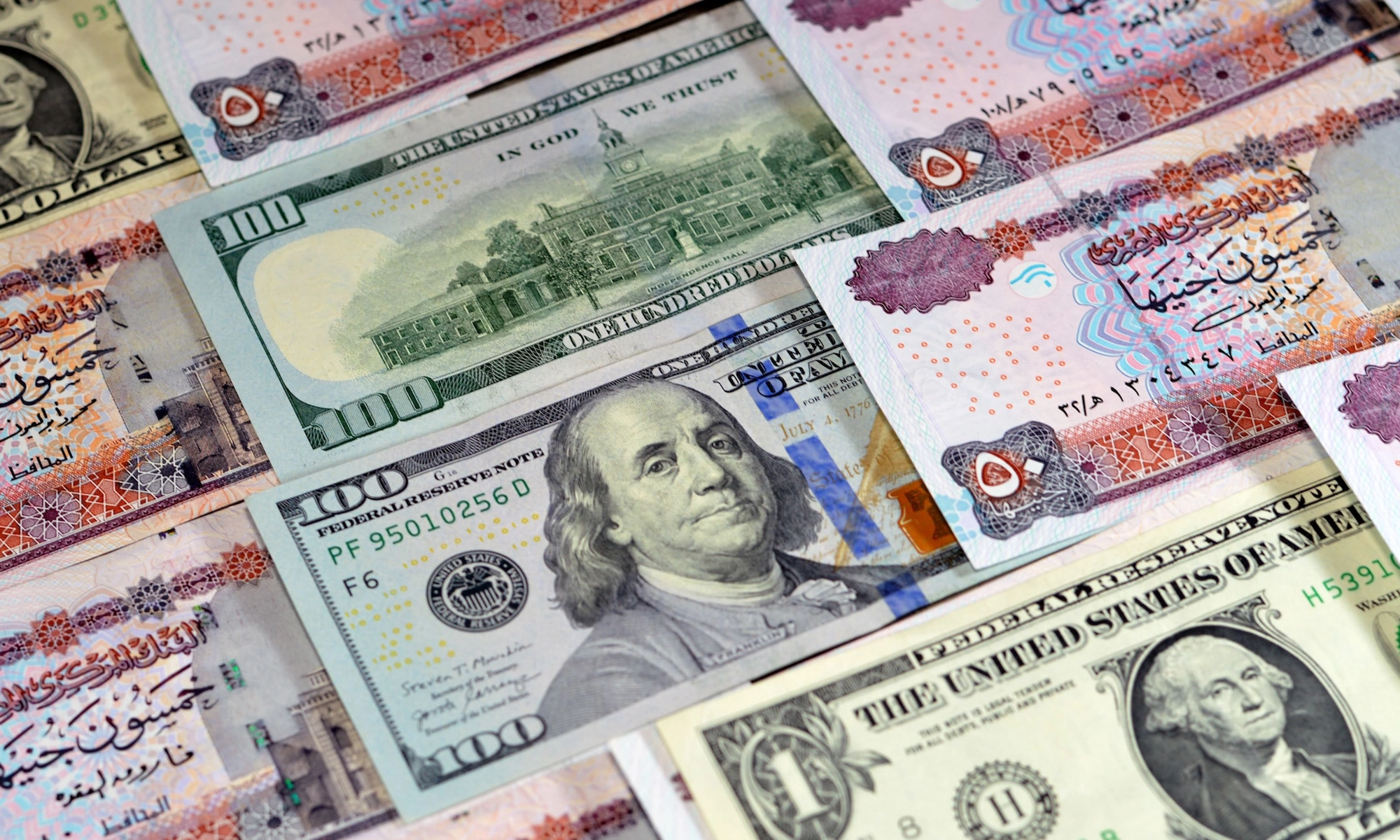
Money is one of those things that quietly shapes a trip to Egypt. Get it right, and you barely think about it; get it wrong, and you end up hunting for an ATM in Edfu or handing a 200-pound note to a porter because you have nothing smaller. The currency in Egypt is easy to learn, but the country still runs on a mix of cash and cards that catches many first-time visitors out. In a land where merchants once traded in grain and copper by the banks of the Nile, the small daily exchanges of a modern trip still matter.
This article answers what currency is used in Egypt and what it is worth, when to use cash or card, how ATMs in Egypt work, where to exchange money safely, and how much to carry on a Nile cruise for tips and extras. Keep in Mind that Rates and fees quoted are from October 2026.
What Currency Is Used in Egypt?
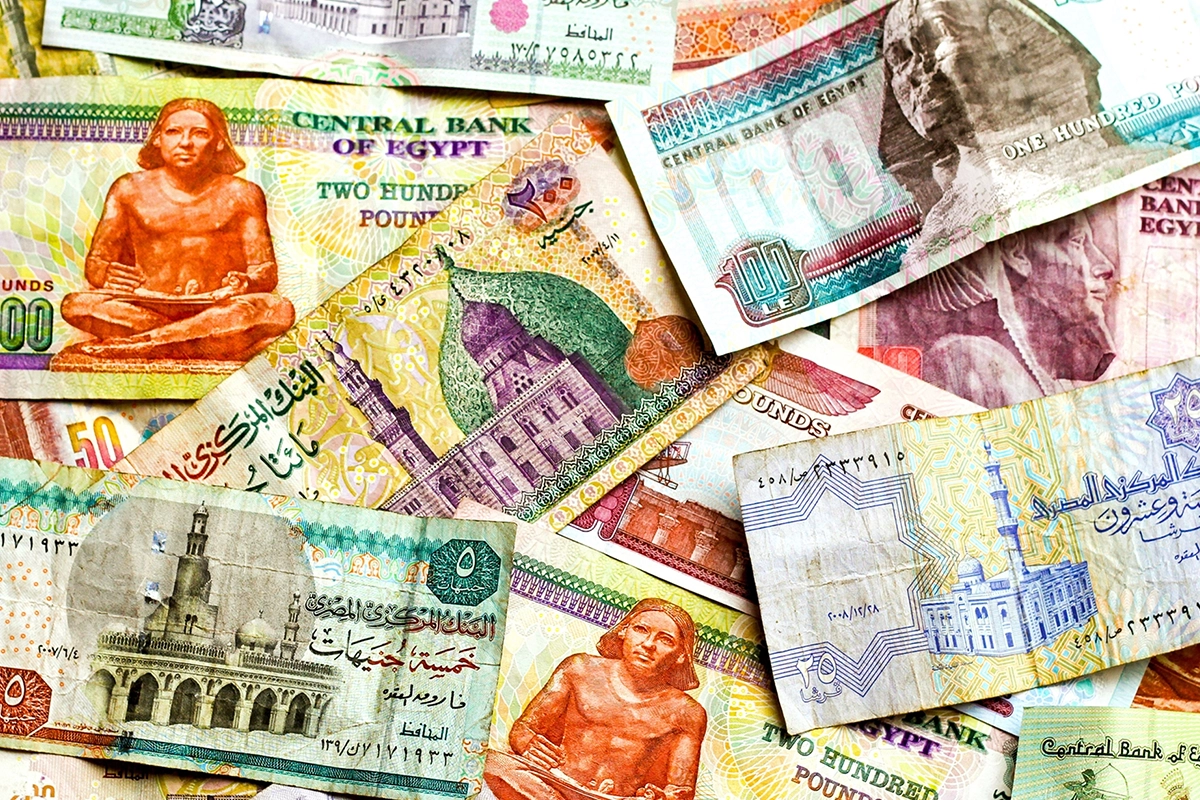
Egypt uses the Egyptian pound, code EGP. You will also see it written as LE (from the French livre égyptienne) or E£, and locally it is called the geneih. One pound is divided into 100 piastres, called irsh in Arabic.
Banknotes come in 5, 10, 20, 50, 100 and 200 pounds. Newer polymer 10 and 20 notes circulate alongside the older paper ones, and both are valid. Notes are printed in Arabic on one side and English on the other, so the numbers are easy to read. Coins of 50 piastres and 1 pound exist, but tourists rarely get them in change.
The pound has weakened steadily since 2022, so check the rate on your bank app or the Central Bank of Egypt website a few days before you fly. As a simple rule, 50 pounds is roughly one dollar, which makes mental maths easy.
| Note | Value in USD (approx.) | Typical use |
|---|---|---|
| 5 EGP | $0.10 | Restroom attendants, small change |
| 10 EGP | $0.20 | Small tips, bottled water |
| 20 EGP | $0.40 | Porters, short tuk-tuk rides |
| 50 EGP | $1 | Tips, snacks, street food |
| 100 EGP | $2 | Meals, taxis, guide tips |
| 200 EGP | $4 | Shopping, restaurant bills |
A few rules are worth knowing before you land:
- You can bring in or take out up to $10,000 in foreign cash, or its equivalent, without declaring it. Larger amounts must be declared.
- Physical Egyptian pounds are limited to 5,000 EGP in or out, so there is no point buying large amounts of pounds before you leave home.
- If you buy a visa on arrival instead of an e-visa, have the $25 fee ready, in clean US dollars or by card where accepted. Our guide on how to book a Nile cruise covers the visa steps.
- US dollars, euros and pounds sterling are welcome for large payments such as tours or cruise tips, but everyday prices are in pounds, and paying in foreign cash usually means a poor rate.
Cash or Card in Egypt: What Works Where
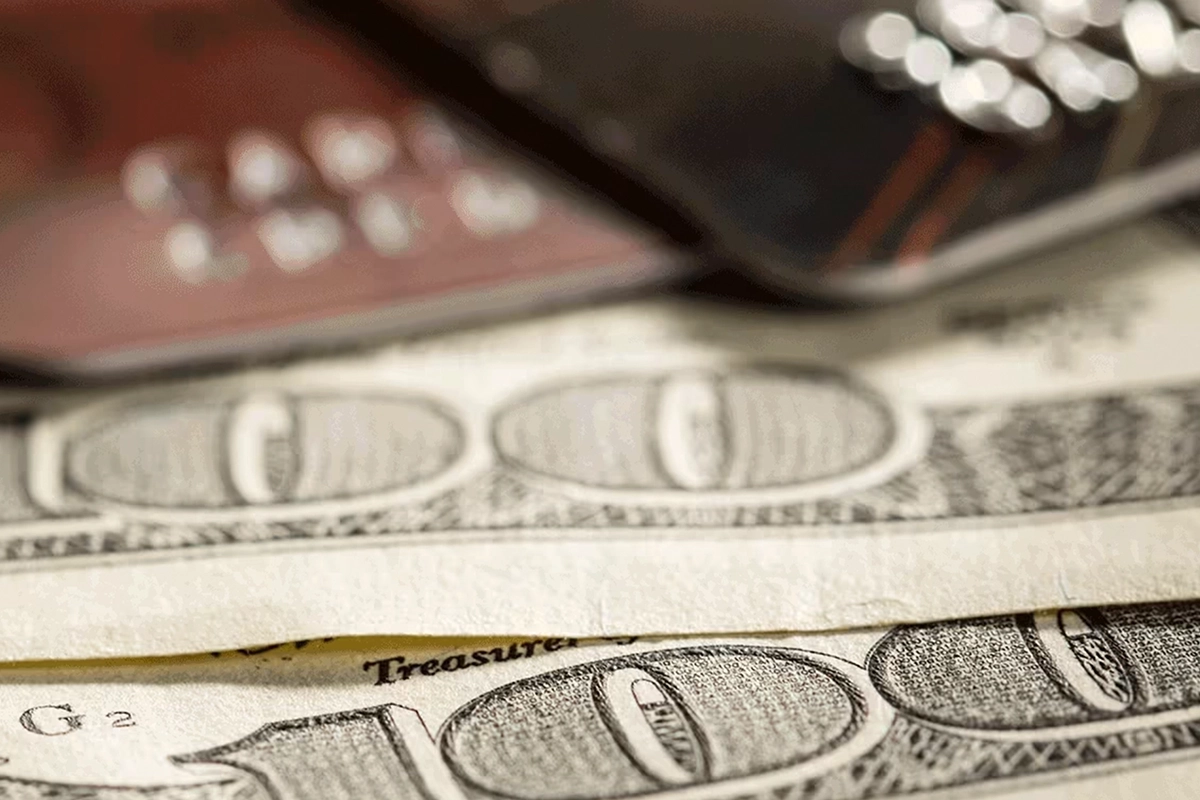
The honest answer to cash or card in Egypt is both. Cards cover the big bills, and cash covers almost everything small.
Cards work well at four- and five-star hotels, Nile cruise ships, airline offices, licensed tour operators, supermarkets, malls, and most upmarket restaurants. Visa and Mastercard are widely accepted; American Express much less so. Contactless payments are common in Cairo, Alexandria and Red Sea resorts, and Apple Pay works where the card and terminal support it.
Cards are now essential at major monuments. Ticket offices at the Giza Pyramids, the Grand Egyptian Museum, the Egyptian Museum, Karnak Temple, the Valley of the Kings and other big sites take cards only. Saqqara uses card-only ticket machines. If you are on a guided package, your guide usually buys the tickets, but bring a card for any extras such as Tutankhamun's tomb.
Cash is still king for taxis, many ride-hailing trips, small restaurants, street food, markets, and almost all tips. In the bazaars, from Khan El Khalili in Cairo to the souks of Luxor and Aswan, prices are agreed and paid in pounds. Our guide on what to buy in Egypt explains bargaining and fair prices.
| Where you are | Card | Cash |
|---|---|---|
| Hotels and cruise ships | Yes | For tips |
| Major monuments | Required | Not accepted at most |
| Upmarket restaurants | Usually | For tips |
| Street food and small cafés | Rarely | Yes |
| Taxis and tuk-tuks | Rarely | Yes |
| Bazaars and markets | Sometimes for big purchases | Yes |
| Felucca rides | Rarely | Yes |
When a card terminal or ATM asks whether you want to pay in your home currency or in pounds, always choose EGP. The home-currency option, called dynamic currency conversion, adds a margin of around 3% to 5%.
A few card tips make life easier:
- Tell your bank you are travelling and turn on overseas payments in your banking app.
- Bring two cards on different networks and keep them in separate places.
- Travel cards such as Wise or Revolut work well, but carry a backup in case a fraud check blocks one.
- Keep access to the phone number your bank uses for security codes.
ATMs in Egypt and Exchanging Money
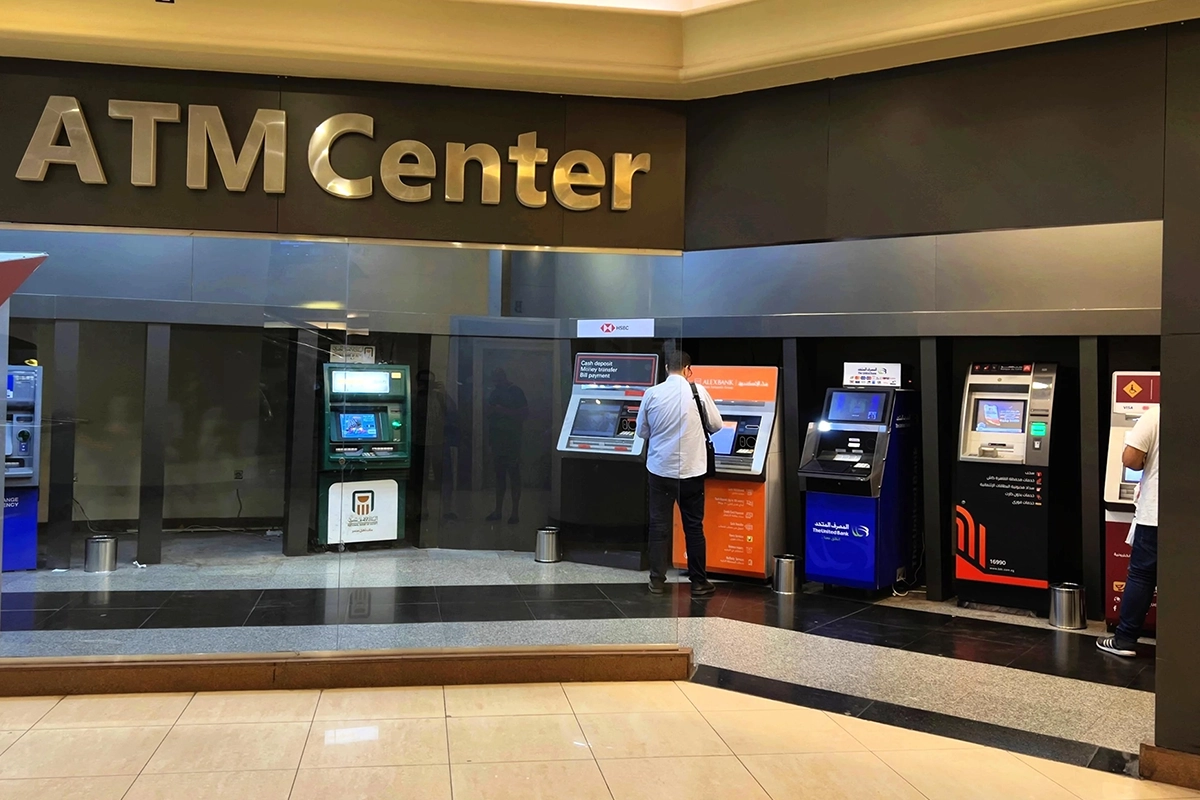
ATMs in Egypt are easy to find in cities, airports, malls, and hotel lobbies, and they usually give a better rate than exchange counters. The safest choices are machines run by large banks such as the National Bank of Egypt (NBE), Banque Misr, CIB, and QNB. Use machines inside banks or hotels where possible, cover the keypad, and avoid standalone kiosks in markets.
What a withdrawal costs. Expect a local ATM fee, often 40 to 60 pounds, plus whatever your own bank charges for foreign withdrawals and currency conversion. Per-transaction limits are often a few thousand pounds, set by the machine and your card, so fewer, larger withdrawals keep fees down.
Where ATMs run short. There are no ATMs on Nile cruise ships, and cash machines in smaller stops such as Edfu and Kom Ombo can be scarce or empty. Withdraw what you need in Cairo or Luxor before you board. Luxor's Corniche and Aswan's riverside have plenty of bank machines, close to the places in our guides to things to do in Luxor and things to do in Aswan.
Exchanging cash. If you bring US dollars, euros or sterling, exchange them at a bank or licensed exchange office, known locally as a sarraf. Rates at downtown offices are usually better than at the airport, so change only enough at the airport for your first day. Bring your passport, count your money at the counter, keep the receipt, and ask for smaller notes. Never change money with people on the street; short counts and fake notes are the usual result.
Bring clean notes. Exchange offices may refuse torn, marked or very old foreign banknotes. US dollar bills from the newer series are the safest choice.
Leftover pounds. Spend them before you leave, or change them back at a bank with your exchange receipt. Remember the 5,000-pound limit on carrying pounds out of the country.
Money on a Nile Cruise: Tips, Extras and Daily Budget
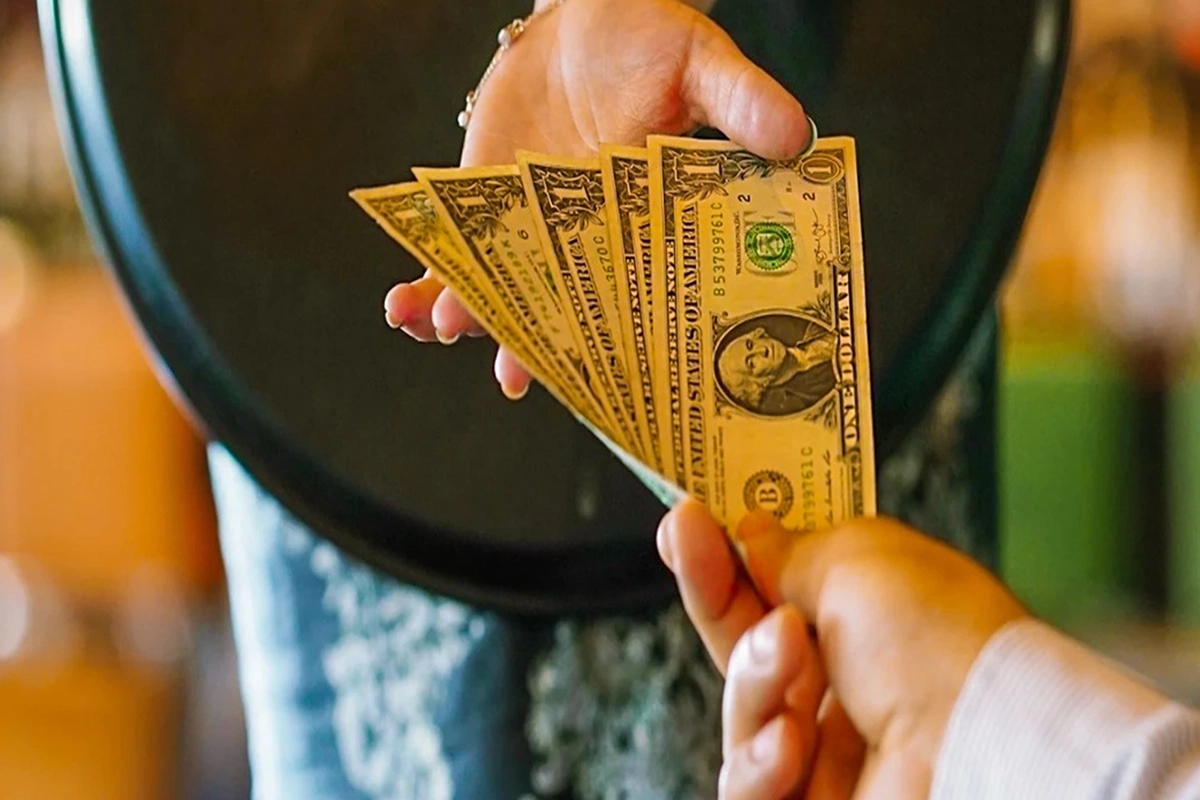
On a Nile cruise most of the big costs are paid before you sail, so cash is mainly for tips, drinks and small extras. Your cabin, meals and, on most packages, guided tours and entrance fees are already covered. Check what your fare includes in our guide to food and beverage onboard Nile cruises and the facilities and entertainment included on a Nile cruise.
Paying on board. Most ships run a cabin account for drinks, laundry and spa treatments, settled on the last morning. Larger ships accept Visa and Mastercard, but some smaller boats and dahabiyas prefer cash, so ask in advance. Ships in our deluxe and luxury categories usually take cards.
Tipping, or baksheesh. Gratuities are paid in cash and are expected. Typical amounts are:
| Who | Suggested tip |
|---|---|
| Cruise crew (shared envelope) | $5 to $10 per person per day |
| Egyptologist guide | $10 to $15 per person per day |
| Driver | $2 to $5 per transfer |
| Porter | 20 to 30 EGP per bag |
| Felucca captain | $5 to $10 per group |
| Restroom attendant | 5 to 10 EGP |
Crew and guide tips can be paid in US dollars or euros, which many travelers find simpler. Small tips are better in pounds. Our full guide to tipping on Nile cruises explains who to tip and when.
Optional extras. Budget separately for activities not in your package, such as the Luxor hot air balloon, a felucca ride in Luxor, a sunset felucca ride in Aswan or a visit to the Nubian Village. Ask whether each is paid by card or in cash before you go.
How much cash to carry. For a four-night cruise for two, the tip rates above plus a few drinks add up to roughly $200 to $400 by our estimate, in mixed pounds and dollars. Add more if you plan to shop or take optional tours. Keep it in two places, such as a money belt and your cabin safe; our packing list for a Nile cruise suggests what else to bring.
A simple money plan for a Cairo and Nile trip:
- Arrive with some clean US dollars or euros and two bank cards.
- Change a small amount at the airport, or withdraw from a bank ATM in the arrivals hall.
- Withdraw a larger amount in Cairo on your first full day.
- Top up in Luxor or Aswan before the ship sails.
- Keep a separate stash of 10, 20 and 50-pound notes for tips.
- Use cards for hotels, the cruise bill, monuments and big purchases.
Quick answers to common questions:
Can I pay in US dollars in Egypt? Sometimes, for tours, hotels and cruise tips, but shops and taxis prefer pounds and give poor rates for dollars.
Is it safe to carry cash? Yes, in sensible amounts. Use hotel and cabin safes, and see our guide on how safe a cruise on the Nile River is.
Should I get travel insurance that covers cash? Many policies cover lost cards and limited cash; check before you go with our guide to travel insurance for Egypt.
How do I pay for my cruise? Packages are paid by deposit and balance; see the payment and cancellation policy.
Utilize Your Time and Money in Egypt Wisely From Your Nile Cruise
Money in Egypt comes down to a simple balance: cards for the big things, small pound notes for everything else. Learn the notes, use bank ATMs, choose pounds at every terminal and stock up before your ship leaves Luxor or Aswan. Once that is sorted, your attention can go where it belongs, on the river, the temples and the people you meet along the way.
If you would like a trip where flights, tours, and entry fees are paid upfront, leaving only tips and extras to think about, browse our Egypt tour packages with a Nile cruise, check the latest Nile cruise deals, or contact our team for a quote that lists every inclusion.


