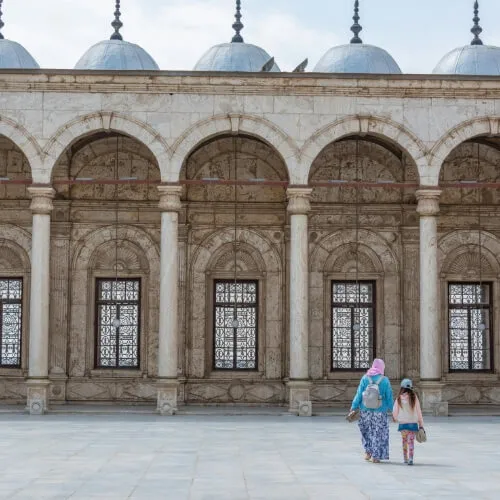
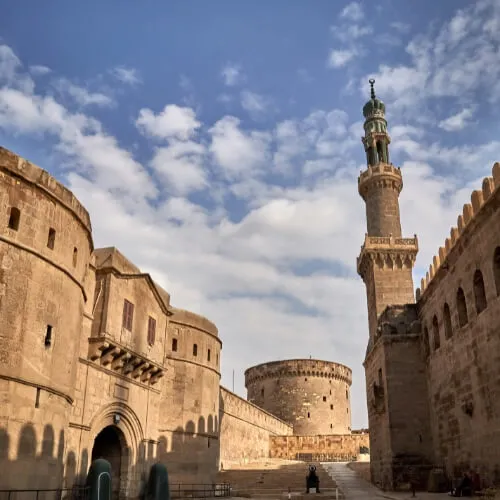
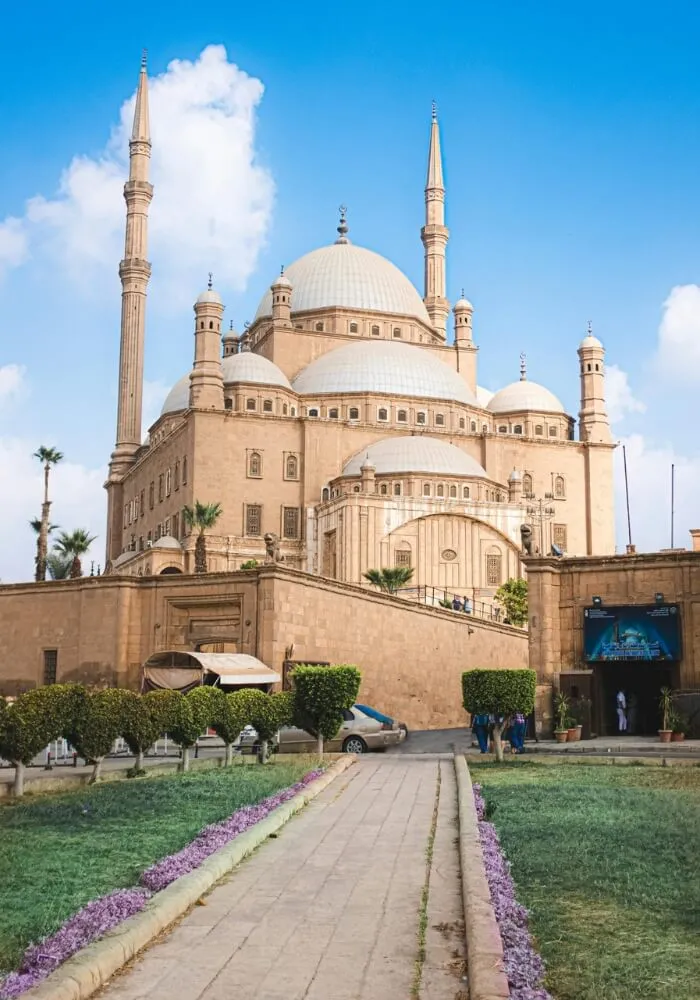
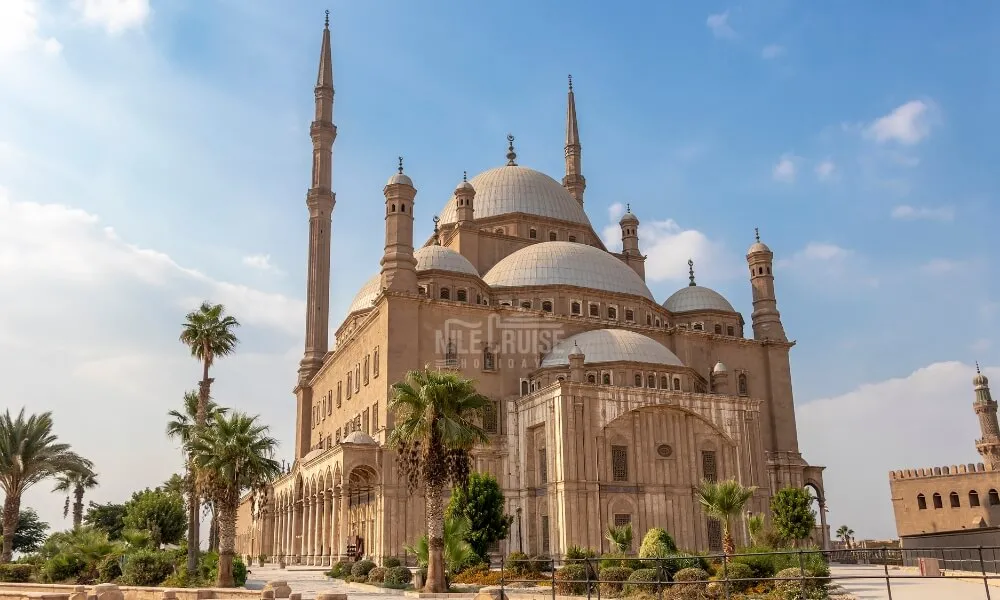
For centuries, the Saladin Citadel has stood as a symbol of Cairo’s power and resilience. Commissioned in 1176 by Sultan Salah ad-Din (Saladin), this formidable fortress was originally built to defend Cairo against Crusader armies and to house the new Ayyubid government. Subsequent rulers expanded the Citadel: the Mamluk sultans added palaces and the splendid Al-Nasir Muhammad Mosque in the 14th century, while Ottoman governors maintained its strategic use. In the 19th century, Muhammad Ali Pasha modernized the complex, erecting the grand Mosque of Muhammad Ali (the “Alabaster Mosque”) and reshaping the skyline. Its walls also witnessed dramatic events like the infamous 1811 massacre of Mamluk leaders by Muhammad Ali Pasha. For nearly 700 years, Egypt’s rulers governed from these fortifications, making the Citadel the heart of Egyptian politics and military might. Today, it stands as a testament to Egypt’s rich Islamic history and architectural heritage.
Discover a Complete Saladin Citadel Travel Guide
Experience the grandeur of Cairo's Saladin Citadel, a historic hilltop fortress offering panoramic city views and a journey through rich Islamic history. This best travel guide covers everything from the Citadel’s origins and legacy to practical tips for visiting: how to get there, top things to do, ideal seasons to go, and key facts every traveler should know.