Whatsapp Me

A Complete Valley Temple of Khafre Travel Guide

Step inside the Valley Temple of Khafre on the Giza Plateau, where colossal limestone blocks, polished Aswan granite, and alabaster floors framed sacred rites for Pharaoh Khafre. Explore its causeway link to the pyramid, the neighborly Sphinx Temple, and the legacy of royal statues that once lined its halls.

Discover the History and Legacy of the Valley Temple of Khafre

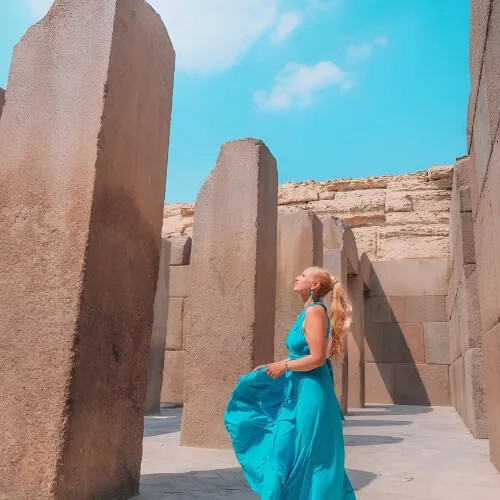
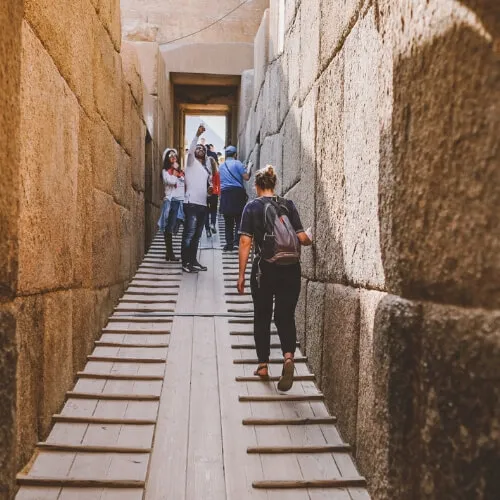
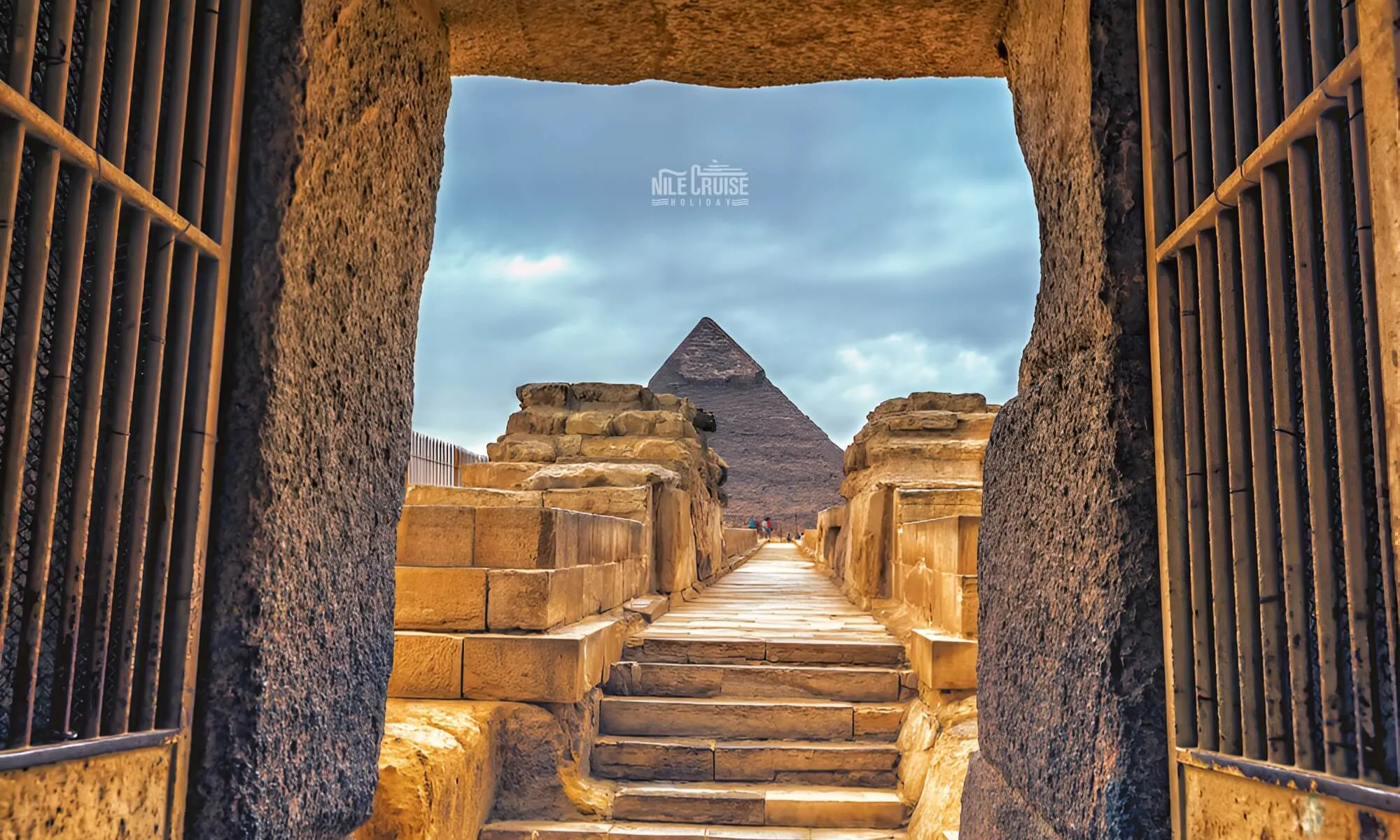
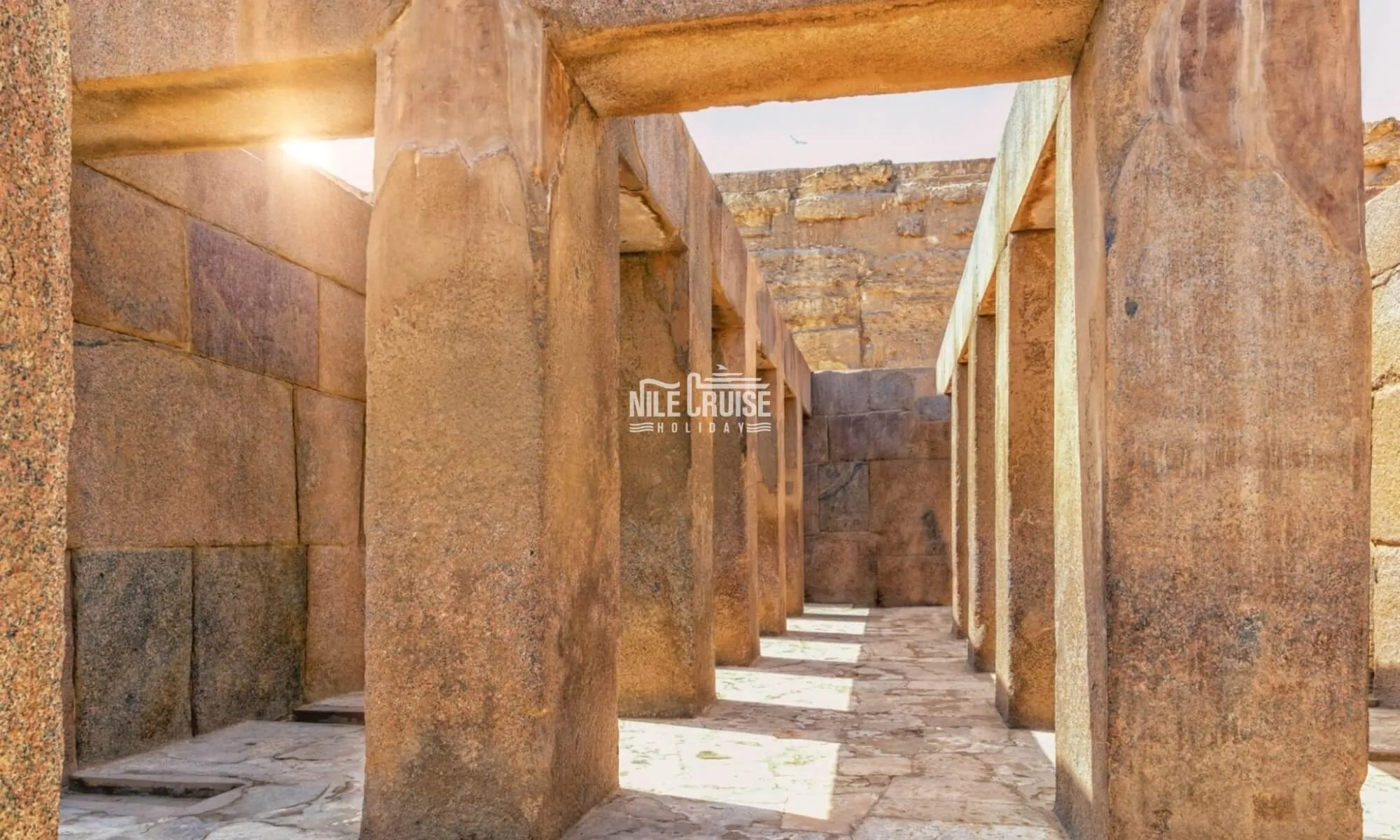
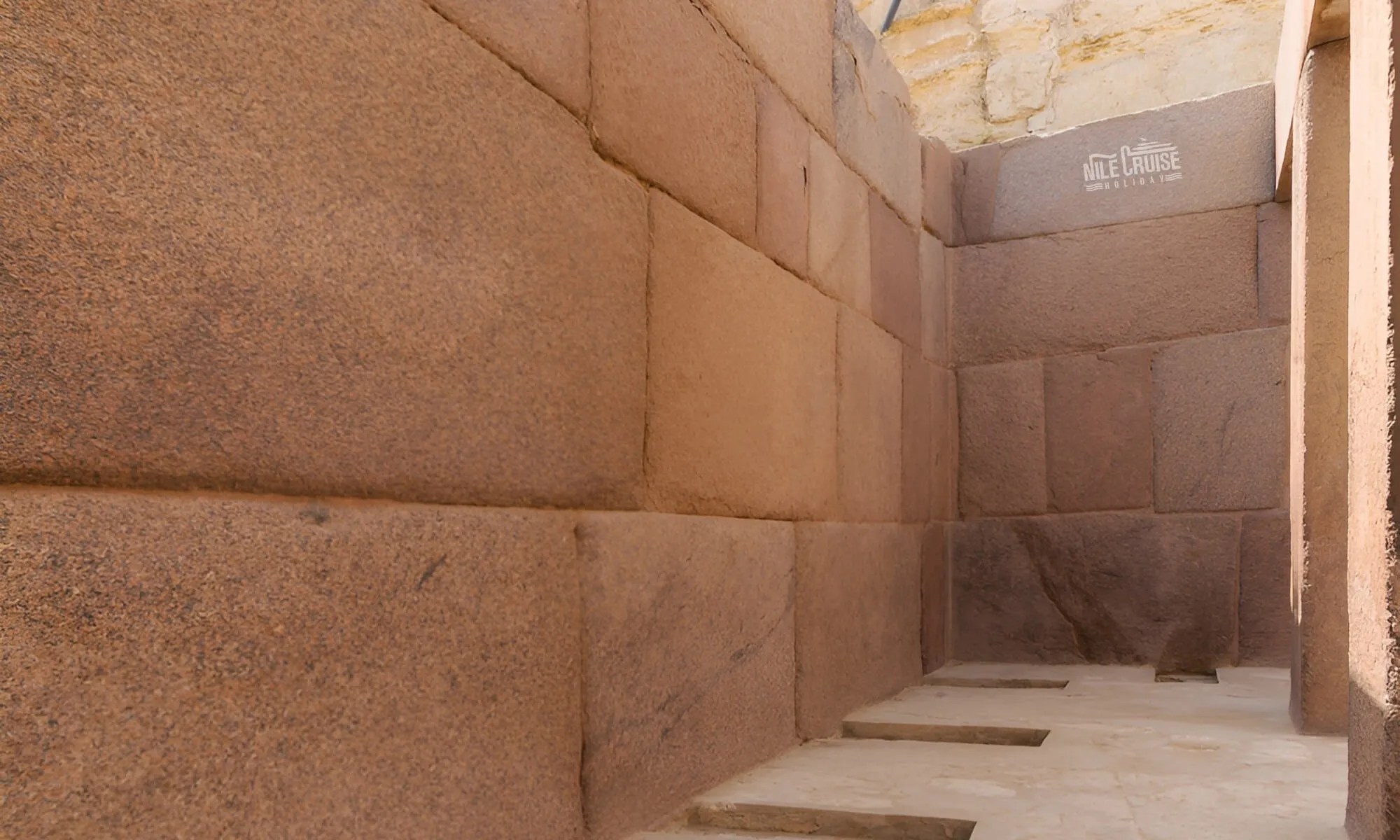
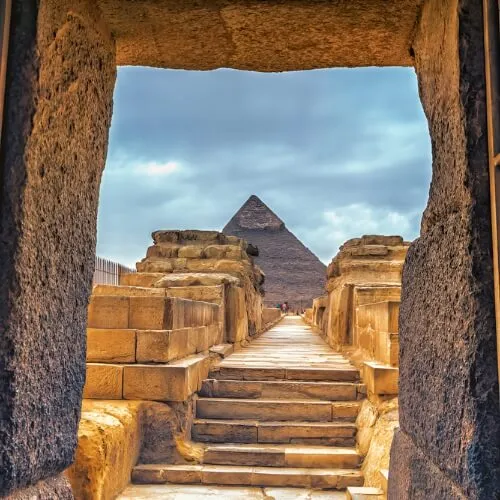
Raised in Egypt’s Fourth Dynasty for Pharaoh Khafre, this valley temple anchored the sacred journey from the Nile to his pyramid. Its megalithic limestone core, cased in rich Aswan granite and set on alabaster floors, formed a pristine stage for purification and funerary rituals before interment. A covered causeway connected it directly to the pyramid complex, while the nearby Sphinx Temple reflects the same refined style. Excavations in the nineteenth century revealed masterpieces, including the famed diorite statue of Khafre, underscoring the temple’s role as both ceremonial gateway and enduring monument to royal power and divine order.

Valley Temple of Khafre Location

At the eastern edge of the Giza Plateau beside the Great Sphinx, the Valley Temple sits near the main visitor routes and is easy to pair with the Pyramid of Khafre and the Sphinx Temple in one visit.

How to reach it:

  • Giza Plateau, by the Sphinx
  • 30 minutes from central Cairo
  • Adjacent to Khafre’s causeway entrance
  • Next to the Sphinx Temple
  • Accessible via Pyramid Entrance Gate

Activities To Do in Valley Temple Of Khafre

When To Visit Valley Temple Of Khafre

The best months are October to April when temperatures are mild and visibility is crisp. Arrive early morning or late afternoon for softer light, fewer crowds, and cooler conditions. Weekdays are typically quieter than weekends. Pair your visit with the Sphinx and the Pyramid of Khafre for a coherent route that follows the ancient ceremonial sequence.

Main Image
Small Image
Attraction Image

Key Facts About the Valley Temple of Khafre

1

Built for Pharaoh Khafre during Egypt’s Fourth Dynasty, around the mid-third millennium BC.

2

Constructed with a limestone core, Aswan red granite casing, and alabaster flooring.

3

Functioned as the ceremonial entry point for purification and funerary rites.

4

Linked to Khafre’s pyramid via a covered causeway across the plateau.

5

Stood beside the Sphinx and the contemporary Sphinx Temple, sharing stylistic features.

6

Nineteenth-century excavations uncovered royal statues, including Khafre’s celebrated diorite masterpiece.

7

Interior plan features a pillared hall and statue niches that framed the rites.

Related Attractions