Whatsapp Me

Best Nubian Village Travel Guide 2026/2027

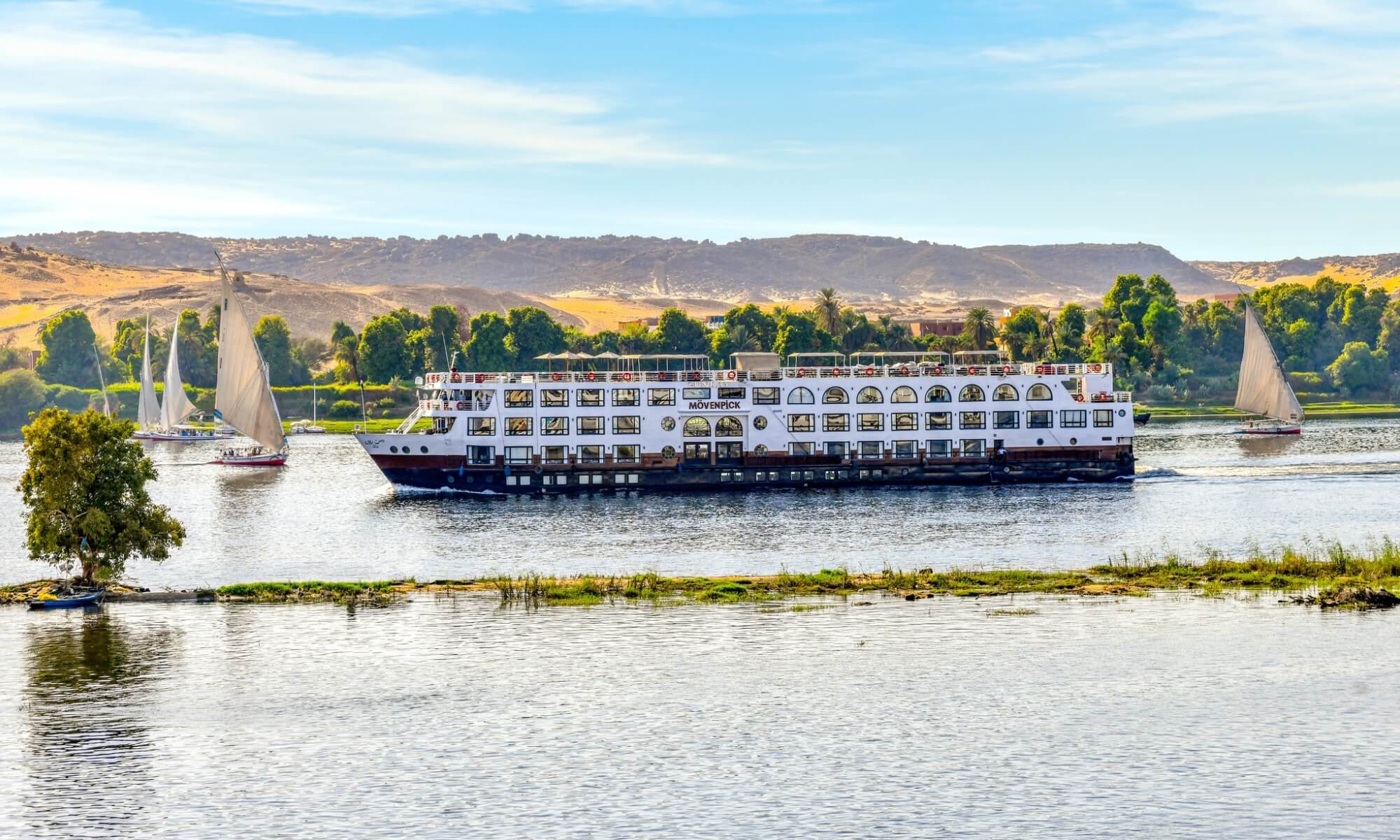
A sunlit world of color on the Nile, the Nubian Village blends ancient heritage with warm hospitality. Sail by felucca, explore painted alleys, meet local families, and discover music, crafts, and flavors. This guide covers history, how to get there, the top things to do, ideal timing, and key facts.
Discover the History and Legacy of the Nubian Village

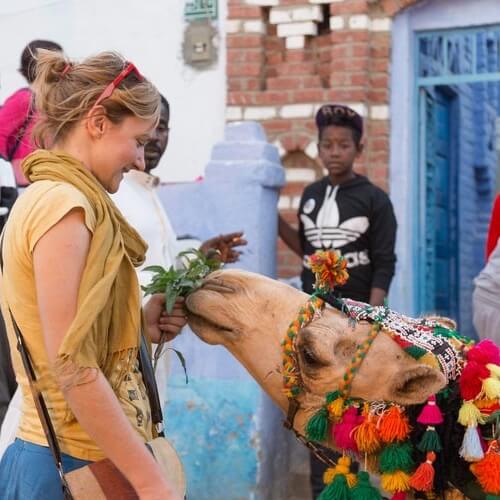
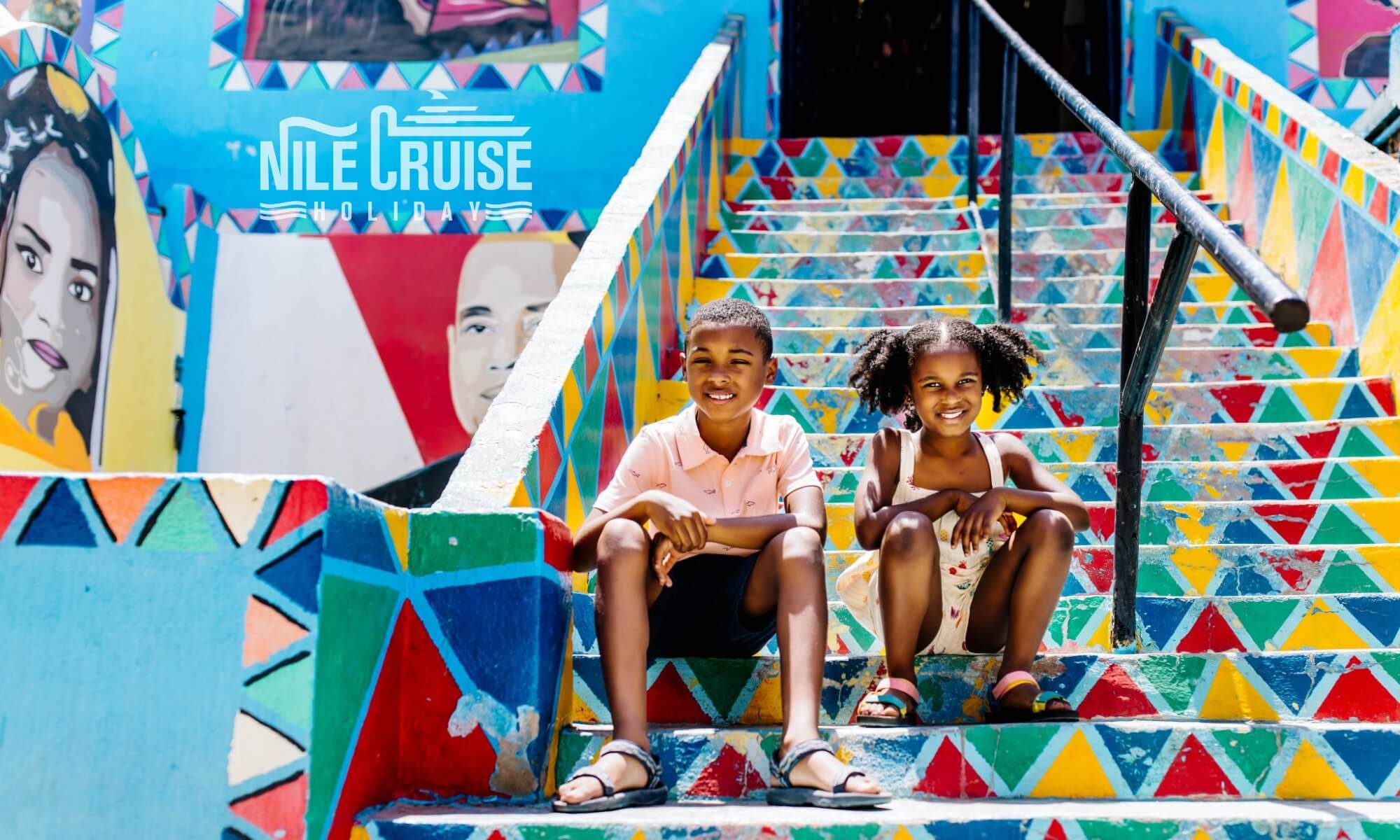
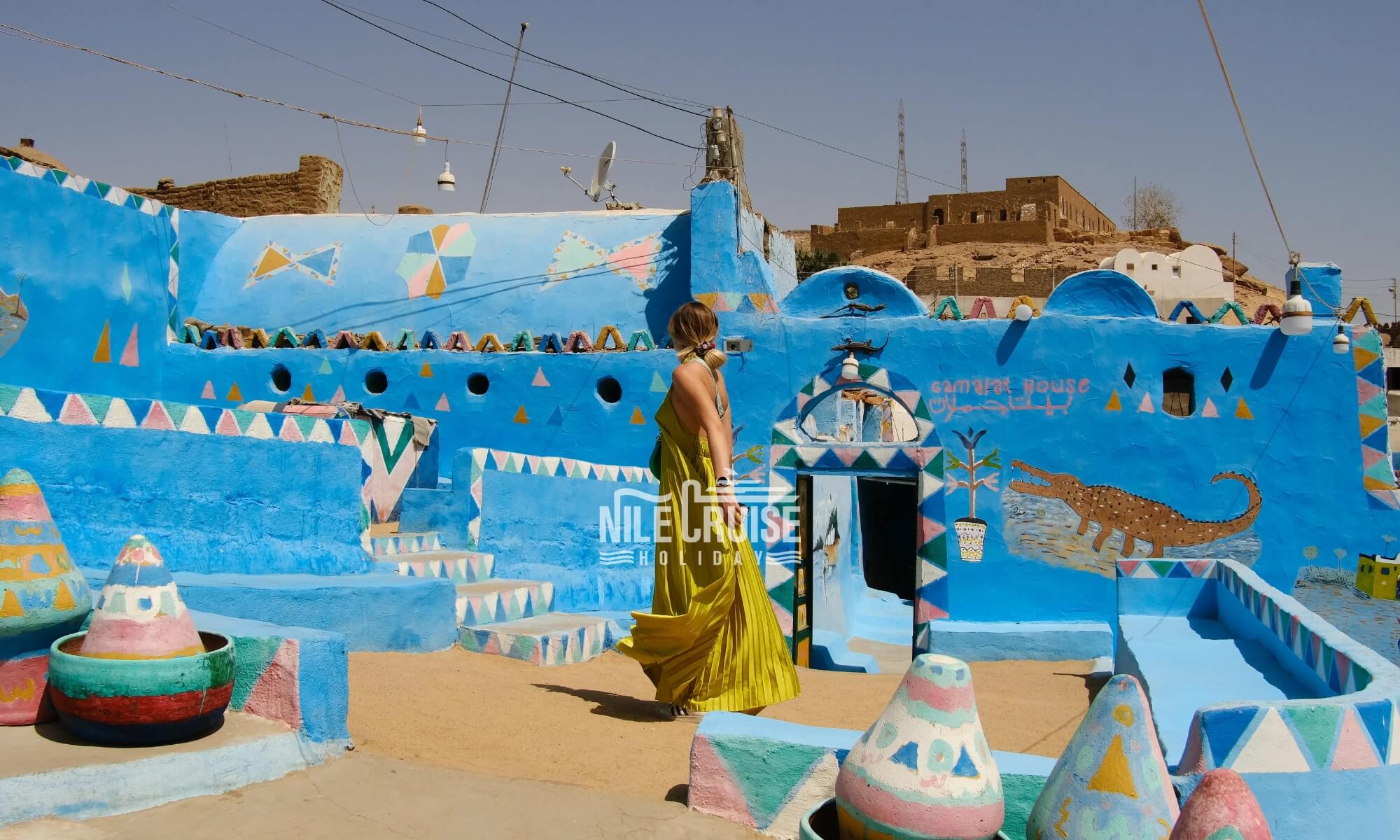
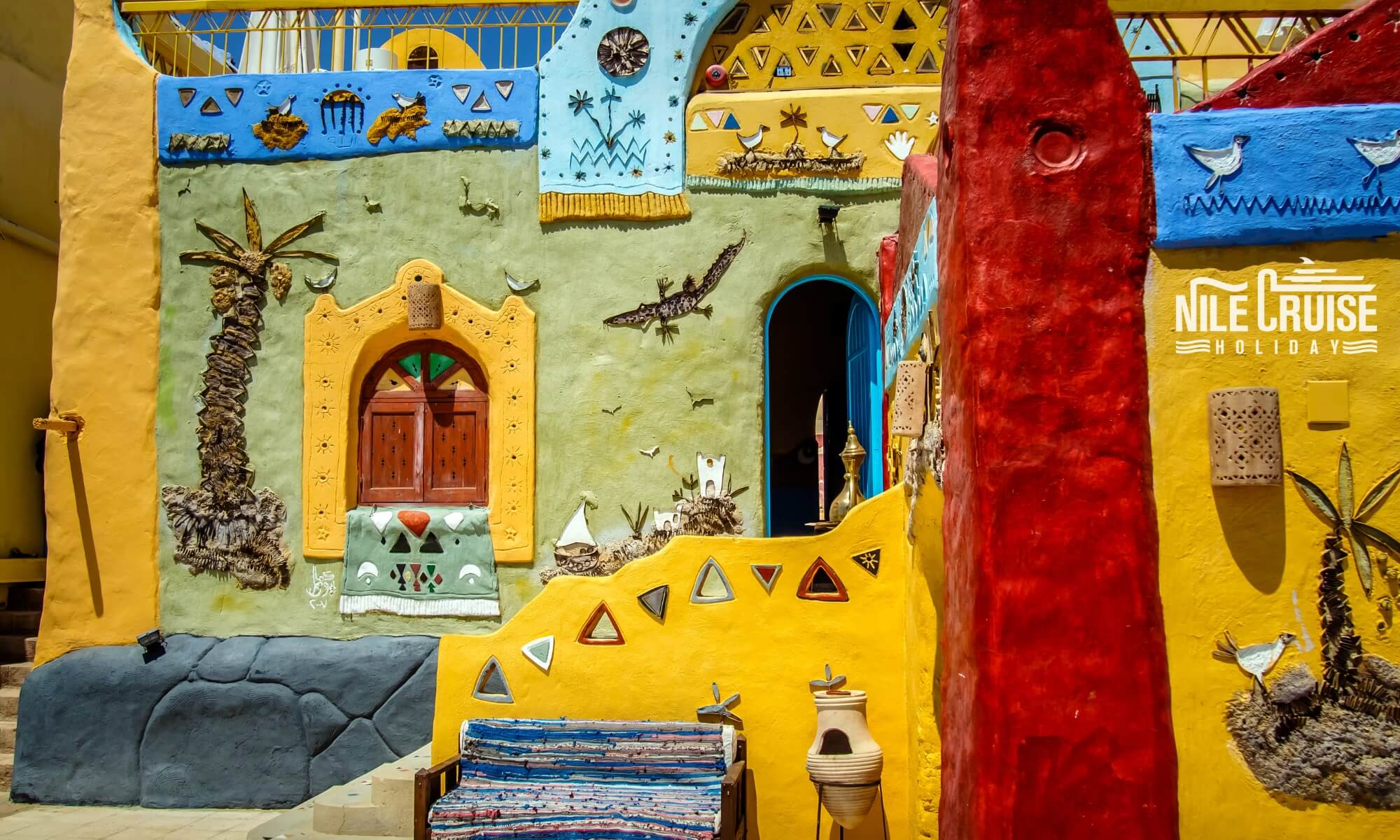
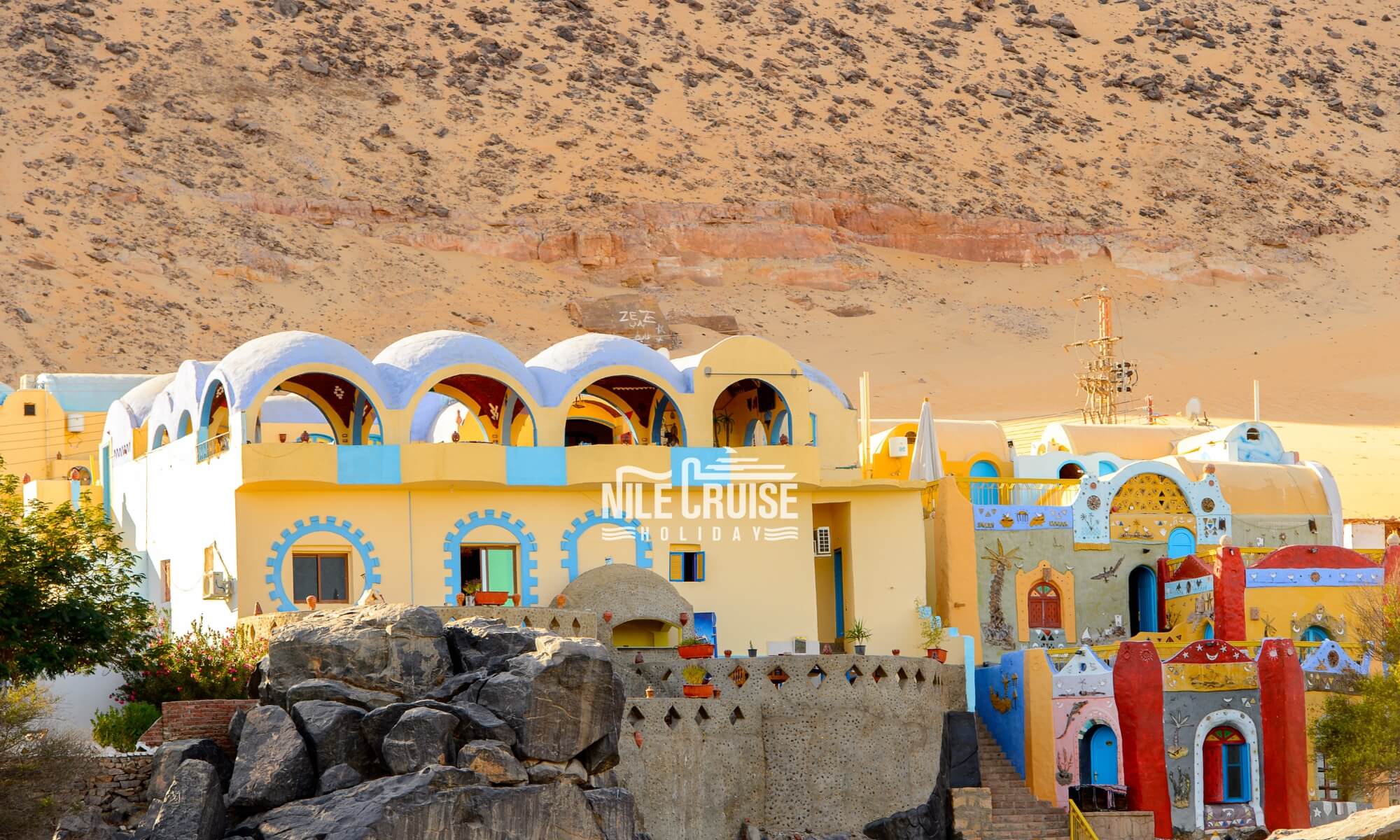
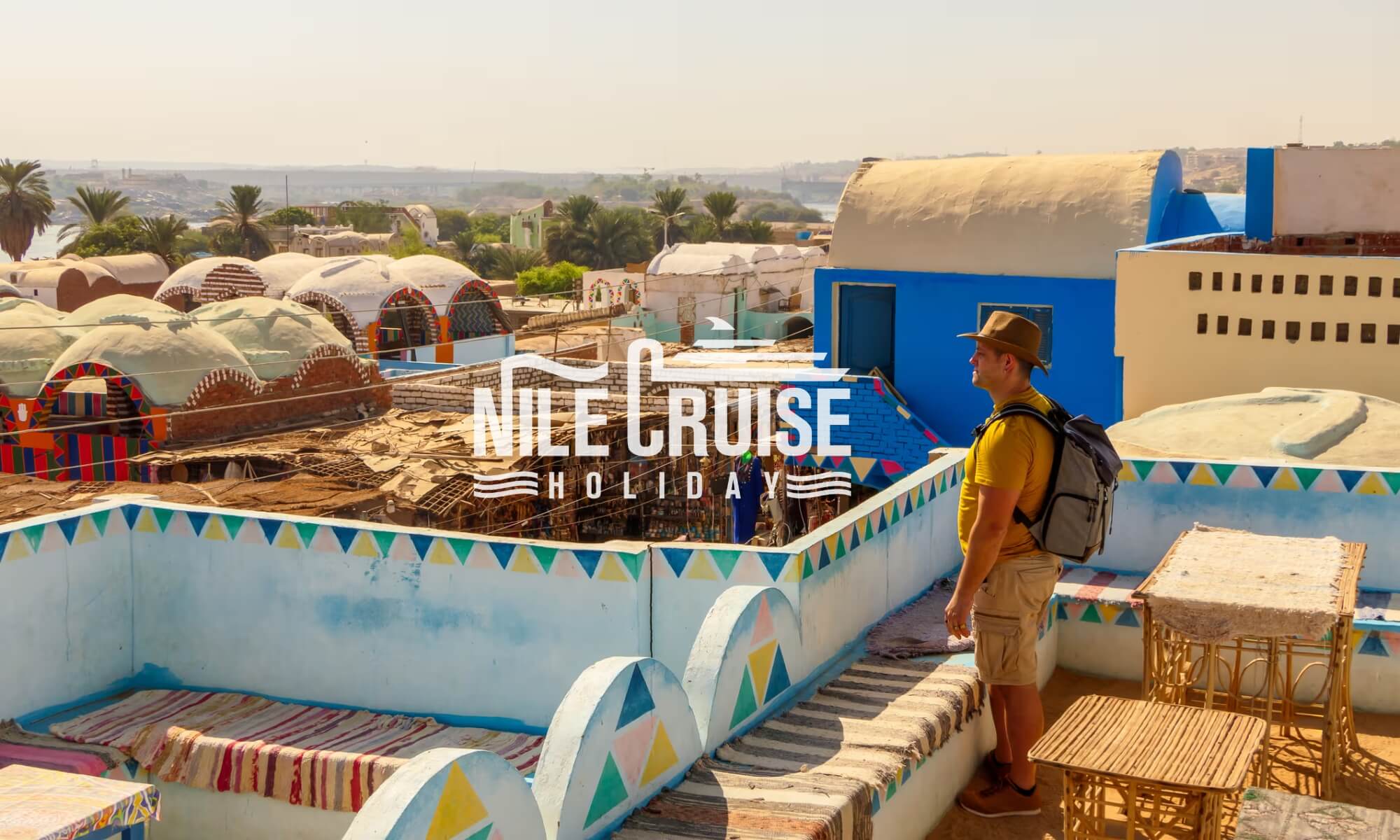
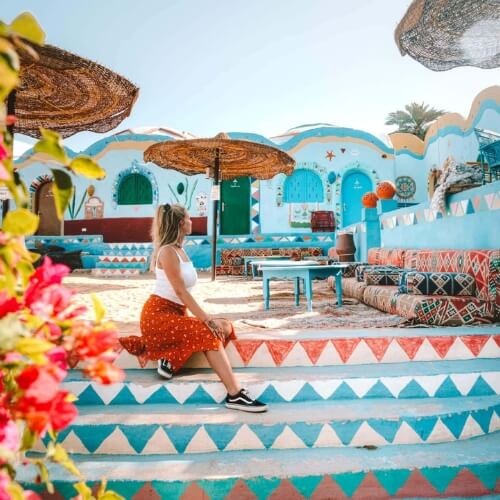
The Nubian Village, often used for communities like Gharb Soheil and parts of Elephantine Island in Aswan, keeps the spirit of ancient Nubia alive. For millennia, Nubians thrived along the Nile through river trade, mudbrick architecture, bold geometric design, and lyrical languages. In the 1960s, the Aswan High Dam reshaped the region, and many families resettled near Aswan while preserving traditions. Houses gleam with bright blues and ochres, doors carry protective symbols, and evenings come alive with drums, clapping, and call-and-response songs. Visitors find warm welcomes, sweet tea, and artisans who weave baskets, bead jewelry, and hand-paint textiles. Tourism supports local livelihoods while community pride safeguards a living culture.

Nubian Village Location

The village sits along the Nile around Aswan, especially Gharb Soheil on the west bank and parts of Elephantine Island. It is a short boat ride from the Corniche, perfect for an easy half-day escape from the city.

How to reach

  • Motorboat from Aswan Marina
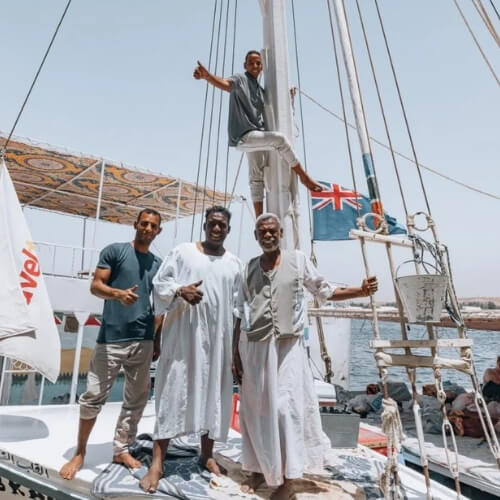
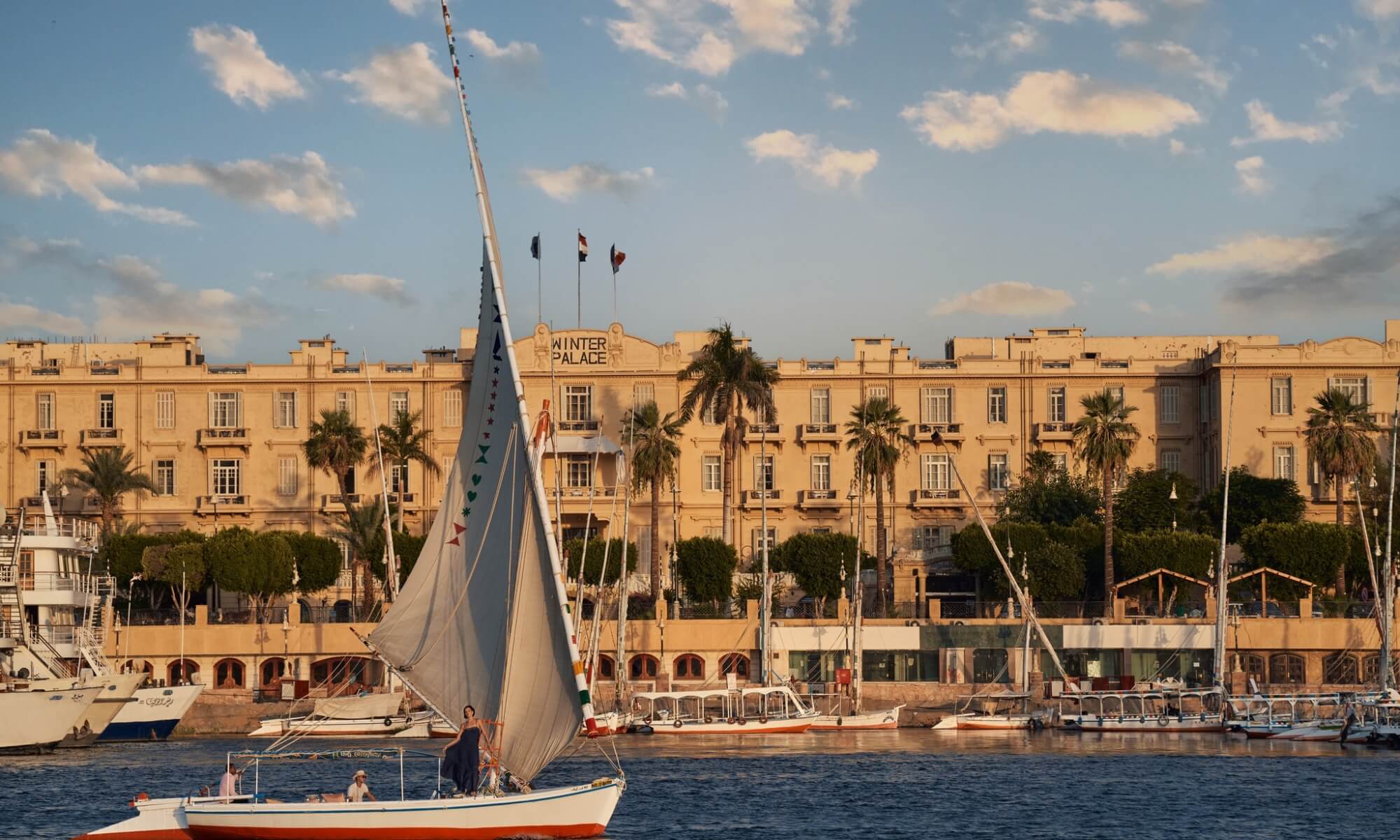
  • Felucca ride from Corniche
  • Taxi to Gharb Soheil pier
  • Private tour with hotel pickup
  • Cruise excursion stopover option
  • Public ferry to Elephantine Island

Activities To Do in Nubian Village

When To Visit Nubian Village

Visit from October to April for warm, dry weather and pleasant Nile breezes. Midday light shows off the vivid house colors, while late afternoon brings golden tones that are ideal for photos and relaxed felucca sails. From May to September temperatures rise sharply, so plan early morning or sunset visits.

Main Image
Small Image
Attraction Image

Key Facts About the Nubian Village

1

Nubian communities near Aswan keep languages such as Nobiin and Kenzi alive.

2

Resettlement around Aswan in the 1960s helped preserve cultural traditions.

3

House façades use bright pigments and protective motifs on doors and walls.

4

Music, dance, and storytelling shape celebrations and daily social life.

5

Basketry, beadwork, and painted textiles remain important sources of income.

6

Visitors should ask before taking photos and dress modestly out of respect.

Related Attractions