Whatsapp Me

Discover a Complete Elephantine Island Travel Guide

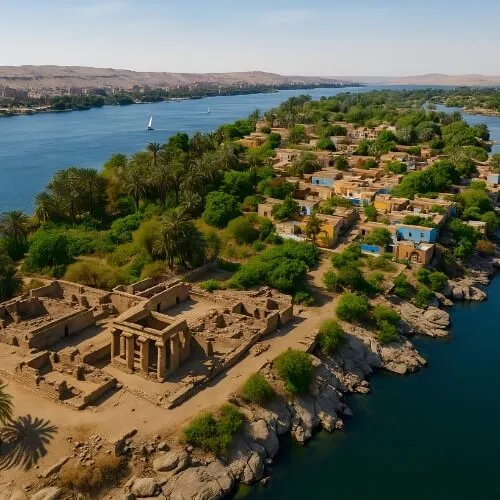
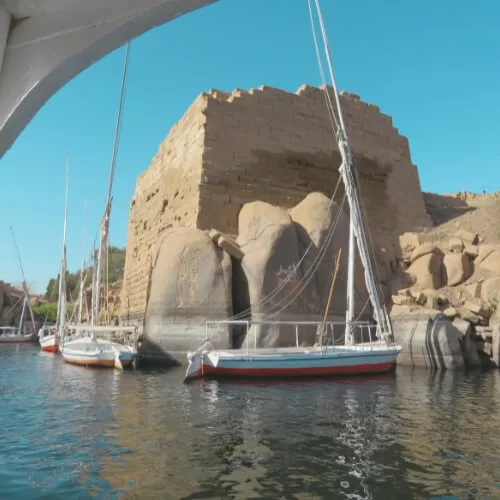
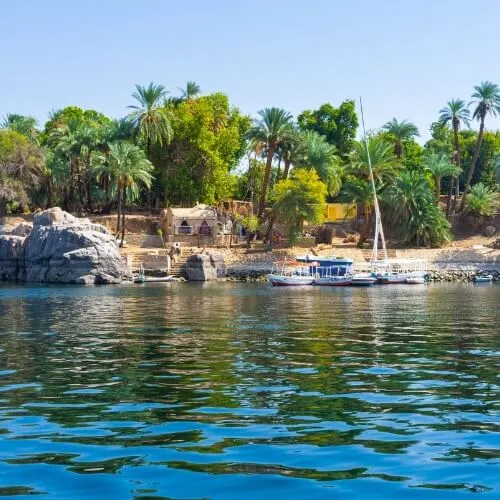
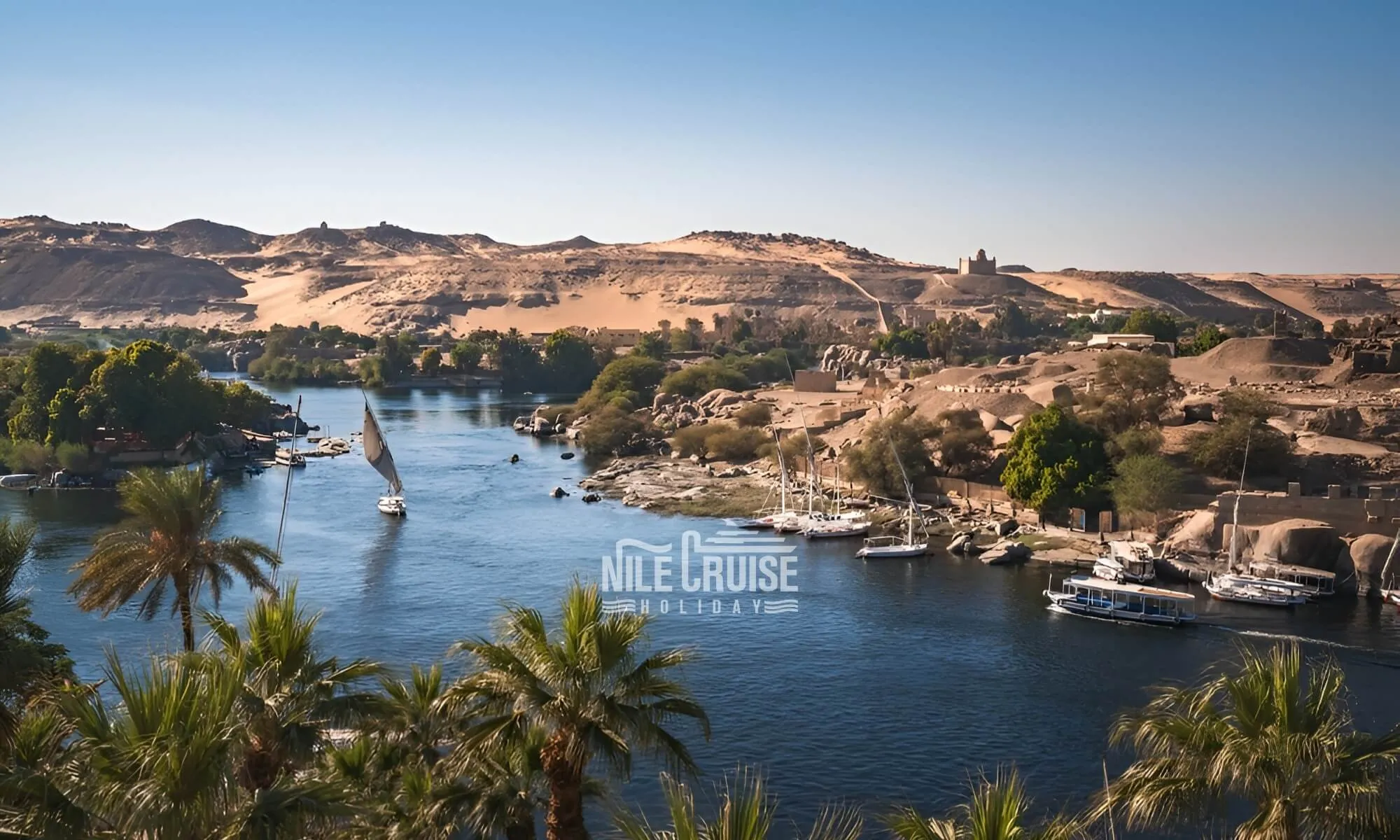
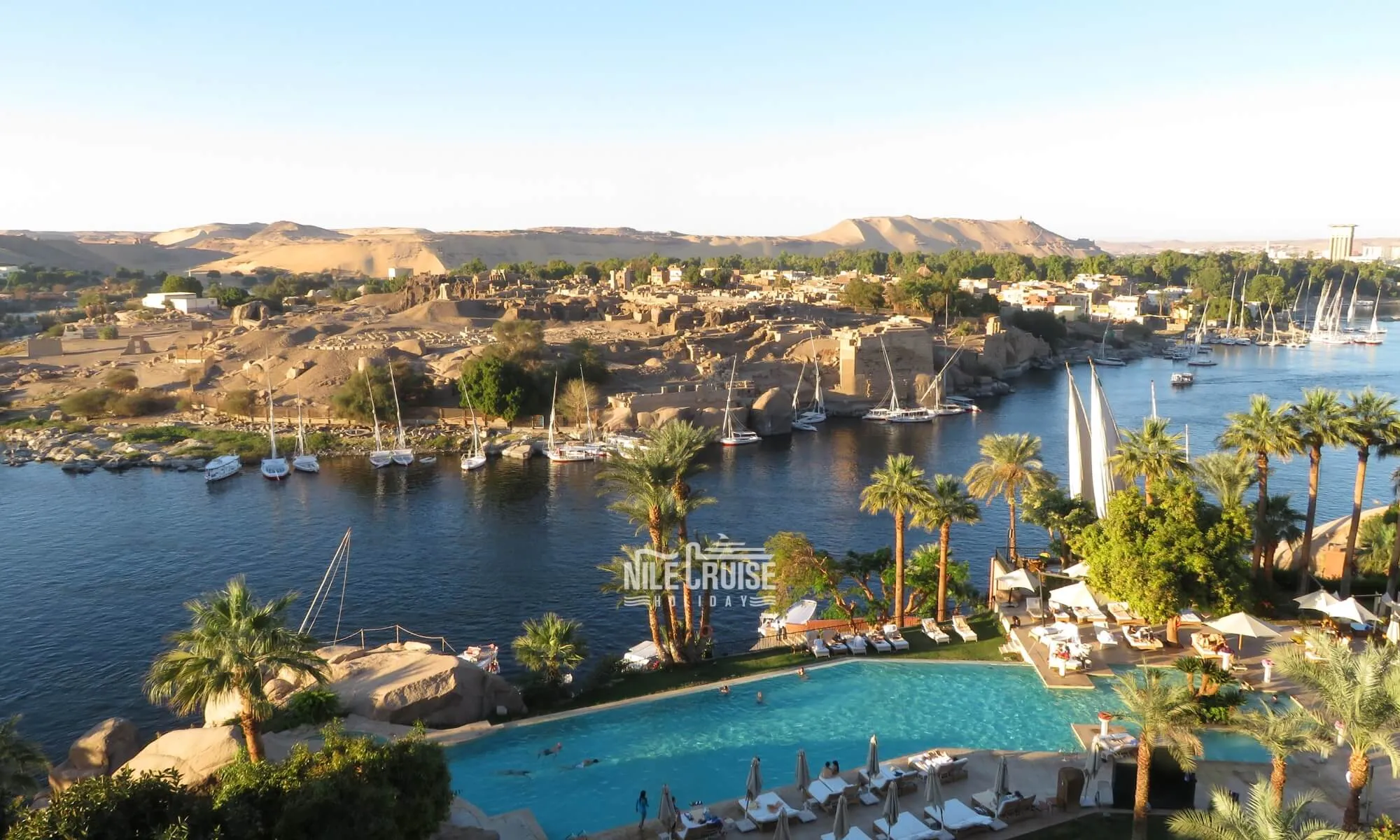
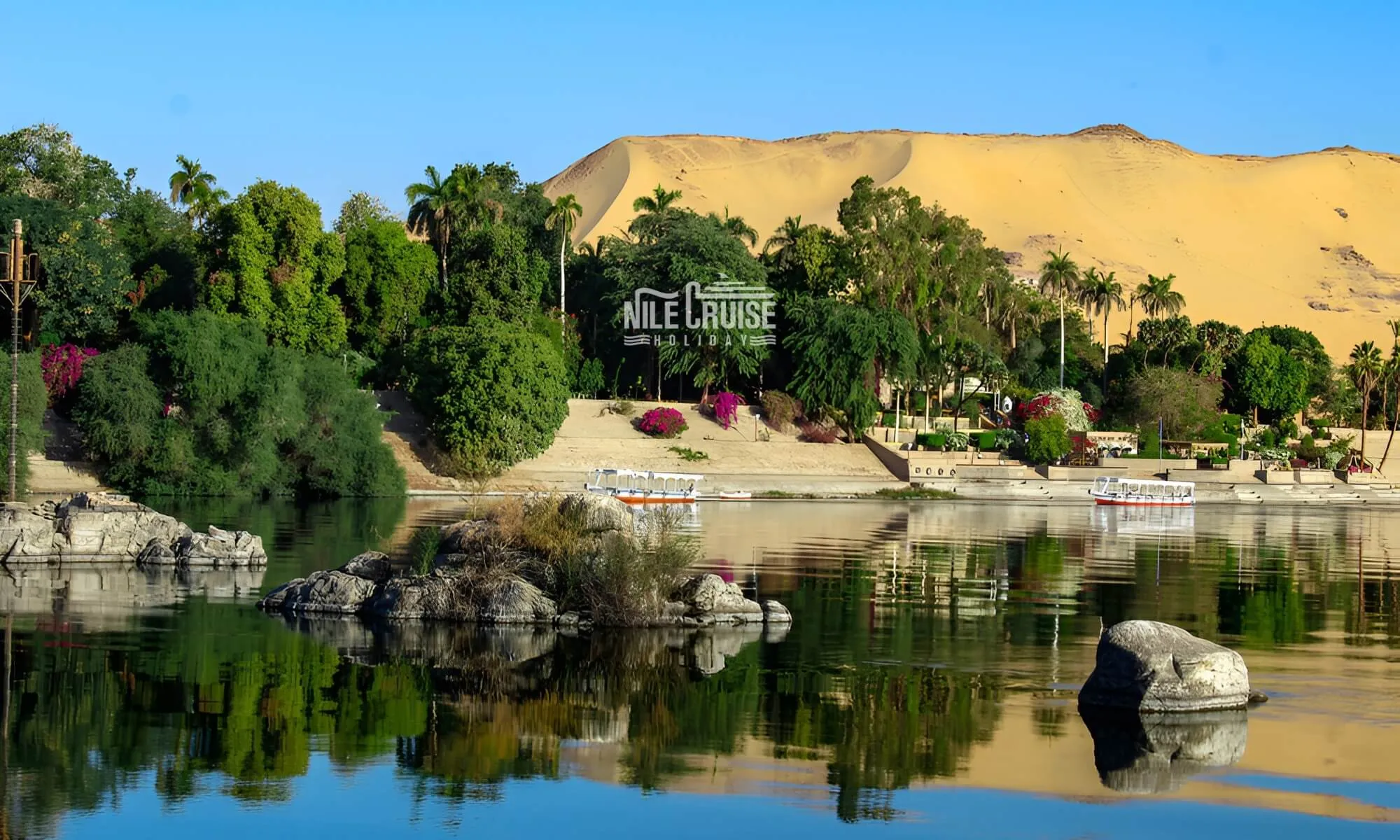
Elephantine Island is Aswan’s historic heart where Nubian life meets Pharaonic ruins and the famous Nilometer. Stroll colorful villages, see Khnum and Satet temple remains, browse Aswan Museum, and sail by felucca as golden light glides over granite boulders. A peaceful, culture-rich stop for every Nile itinerary.

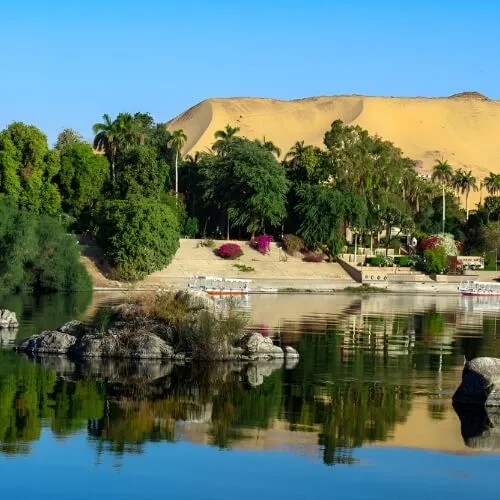
Discover the History and Legacy of Elephantine Island

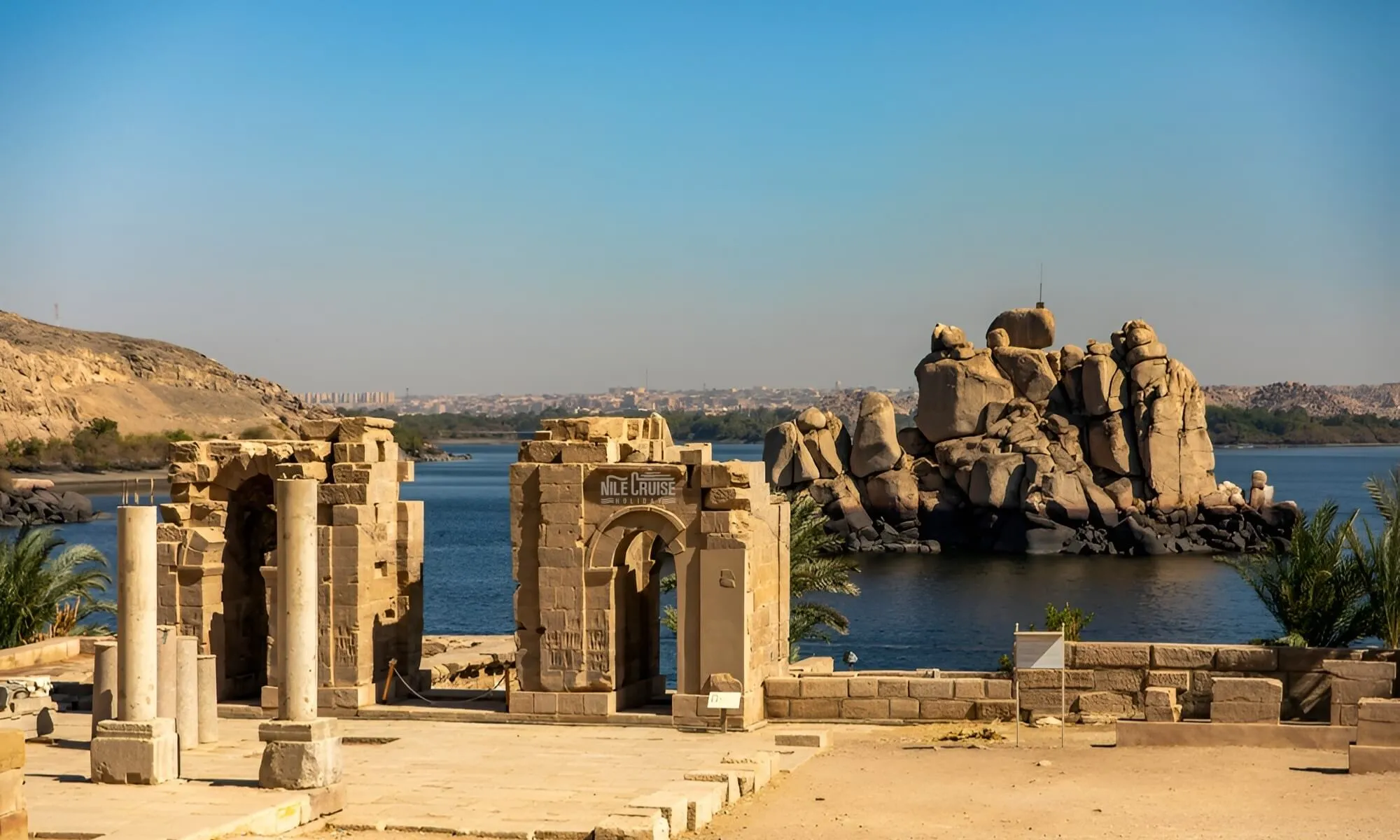
For thousands of years, Elephantine, known in antiquity as Yebu, guarded Egypt’s southern frontier at the First Cataract. It rose as a major cult center of Khnum, the ram-headed creator who shaped life and regulated the Nile flood, alongside the goddess Satet and the deity Anuket. Pharaohs from the Early Dynastic period to the Roman era sponsored sanctuaries, granaries, and fortifications here. The island’s stone Nilometer provided official readings that guided harvest planning and taxation. Archaeologists have uncovered town walls, domestic quarters, and inscriptions that trace shifting powers and religious practices. Today, temple foundations and the Nilometer sit beside living Nubian communities, where vivid houses, river crafts, and local markets preserve traditions. Few places in Egypt blend continuous settlement, sacred landscape, and everyday island life as seamlessly as Elephantine.

Elephantine Island Location

Elephantine Island Location and How to Reach It

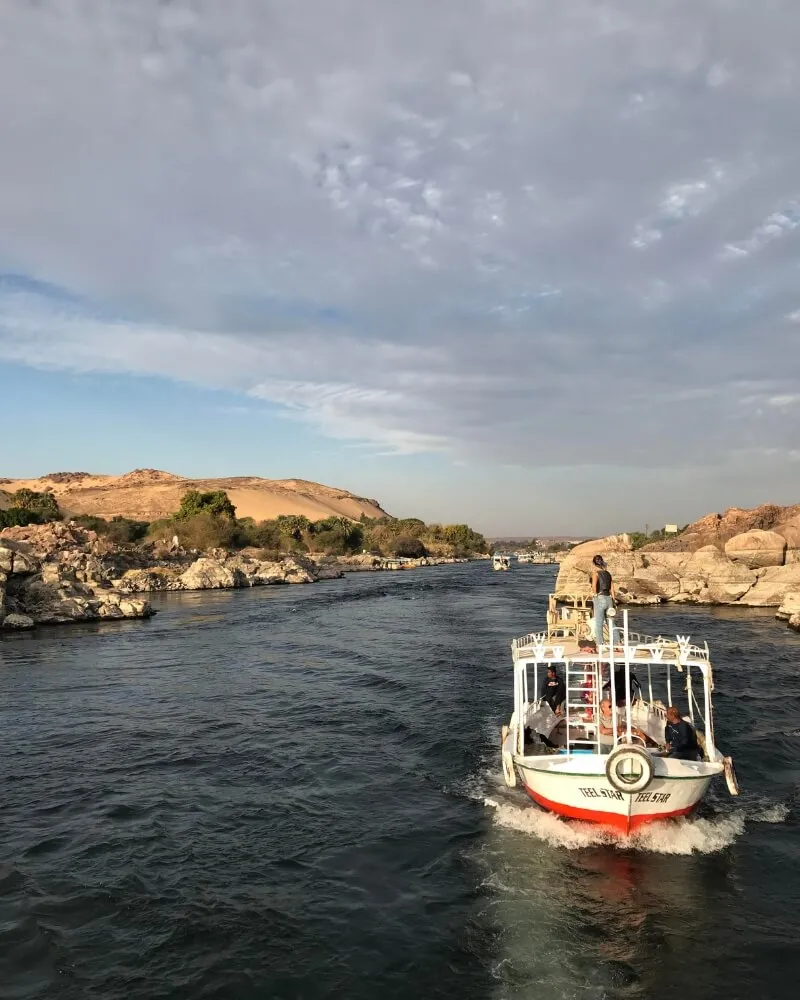
Elephantine sits mid-river opposite Aswan’s Corniche, a few minutes by boat. Crossings run all day, making the short ride both practical and scenic. You can reach it via:

• Public ferry from Aswan Corniche
• Licensed motorboat from main jetty
• Felucca with experienced skipper
• Taxi to ferry landing
• Walk from station to quay
• Hotel concierge boat transfer

Activities To Do in Elephantine Island

When To Visit Elephantine Island

The ideal window is October to April, when days are warm and evenings pleasant. Go early for soft light and quiet lanes, or late afternoon to pair ruins with a sunset felucca. In hotter months, plan shorter walks, seek shade along the waterfront, visit the museum at midday, and carry water, hat, and sunscreen.

Main Image
Small Image
Attraction Image

Key Facts About Elephantine Island

1

Ancient Yebu oversaw Egypt’s southern gateway at the First Cataract.

2

The Nilometer delivered official flood readings for agriculture and taxation.

3

Temples honored Khnum, Satet, and Anuket across many historical periods.

4

Excavations revealed town walls, granaries, houses, and rich inscriptional layers.

5

Granite from the region supplied monumental building projects across Egypt.

6

Nubian communities preserve architecture, language elements, crafts, and river culture.

7

The island’s position made it a hub for trade and frontier diplomacy.

Related Attractions