Whatsapp Me

Comprehensive Khnum Temple Travel Guide 2026/2027

See Esna’s Temple of Khnum at its radiant best: vivid restored colors, a star-filled zodiac ceiling, and sumptuous columns. Learn the creator god’s story, how to get there, the smartest times to visit, and the top things to do. A perfect cultural highlight for Nile cruisers and history lovers.

Discover the History and Legacy of the Temple of Khnum

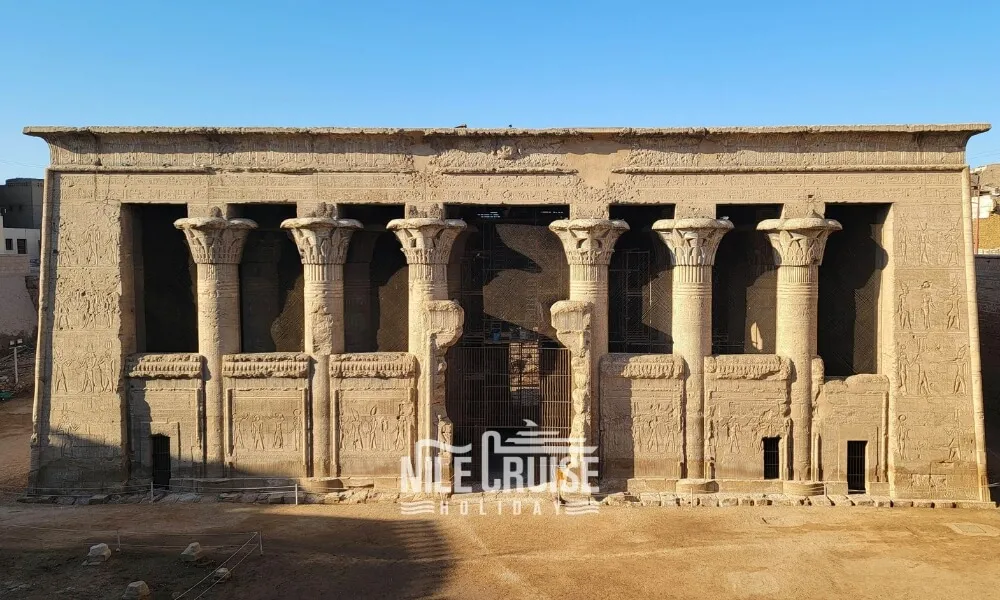
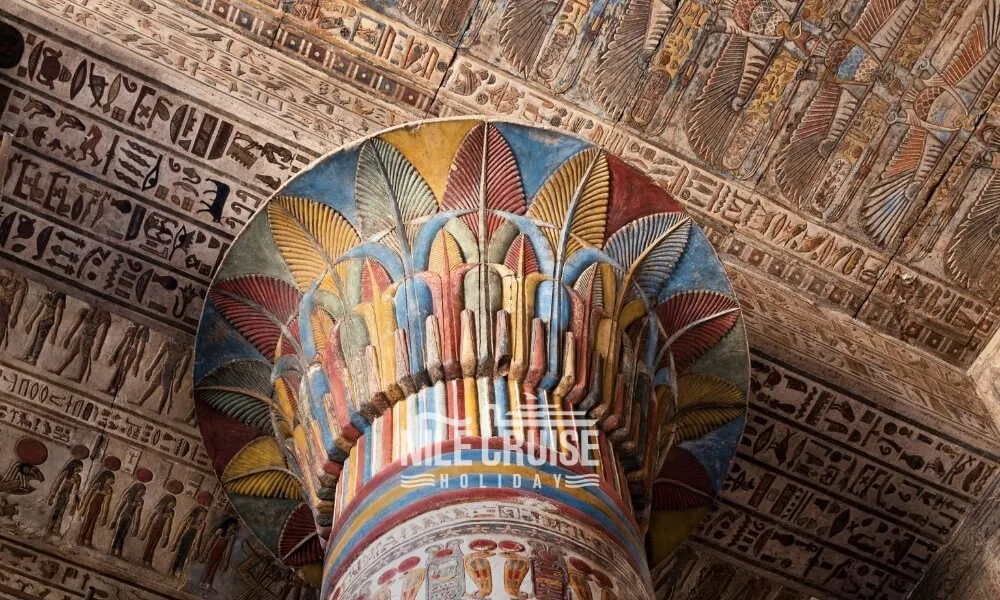
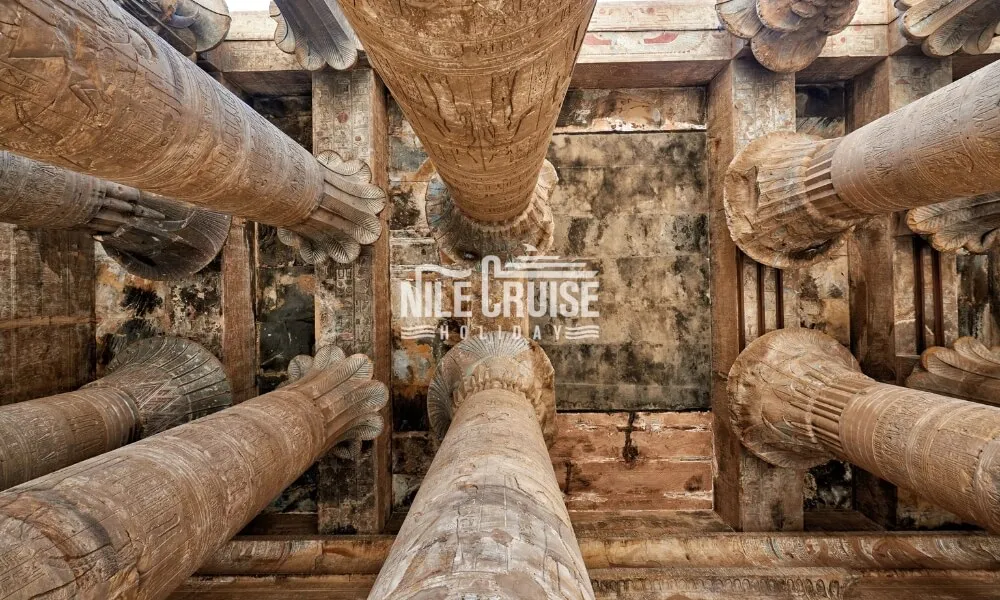
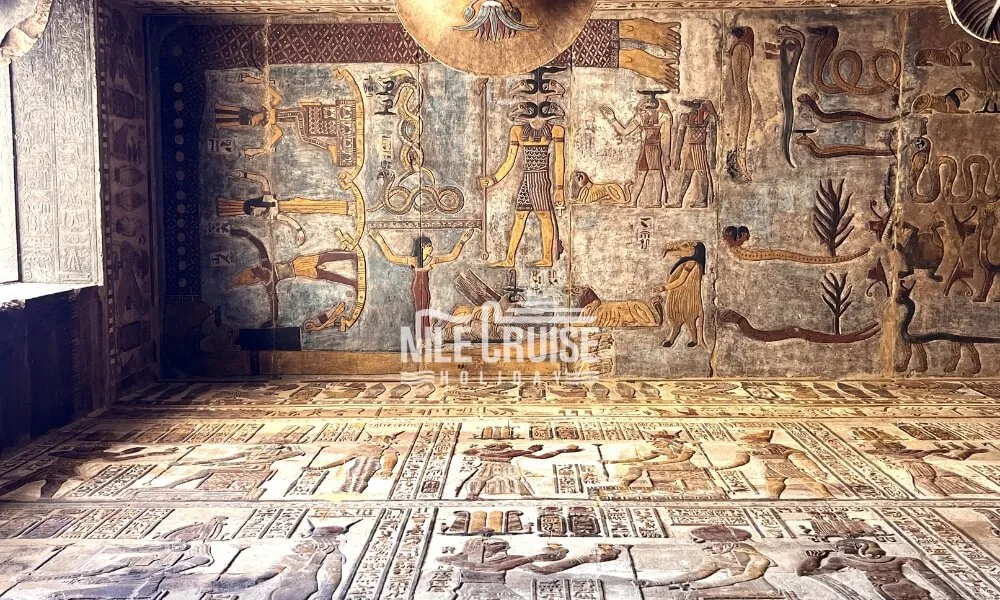
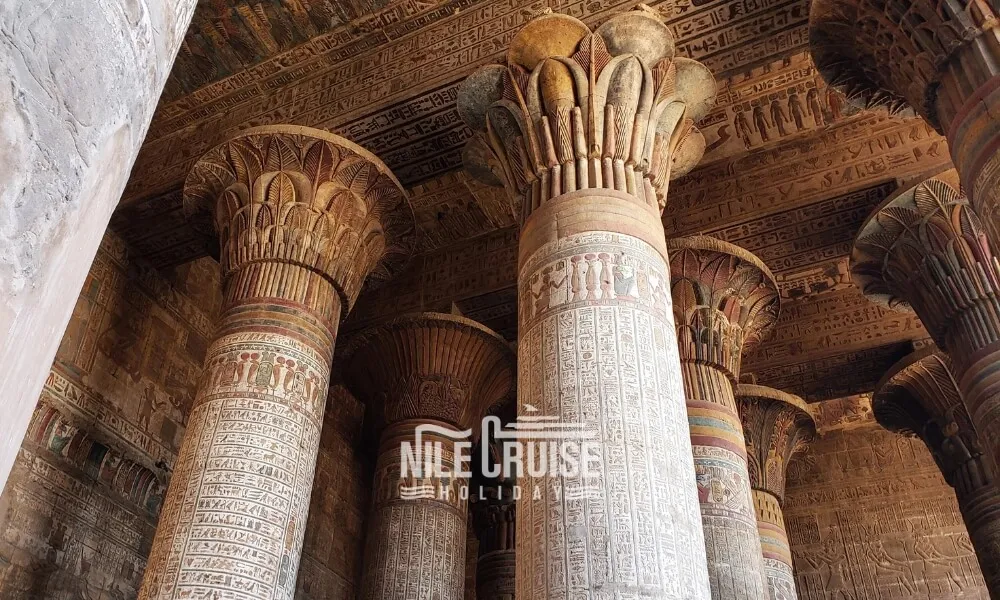
Step into Esna’s Temple of Khnum, a luminous Greco-Roman sanctuary dedicated to the ram-headed creator who shaped life on a potter’s wheel and governed the Nile’s floods. Conservation has lifted centuries of soot to reveal vivid original pigments and an astronomical ceiling with zodiac figures and constellations. Compact yet exquisite, Esna distills the artistry, theology, and political message of Egypt’s final pharaonic chapters, making it an essential stop on any Nile cruise.

Temple of Khnum Location and How to reach it

Located in central Esna, about 55 kilometers south of Luxor, a short walk from the Nile corniche, town market, and cruise moorings.

How to reach it:

  • Stop on Nile cruise itineraries
  • Private transfer from Luxor, ~1 hour
  • Taxi from Esna corniche entrance
  • Guided day trip from Luxor
  • By road from Aswan, ~3 hours

Activities To Do in Khnum Temple

When To Visit Khnum Temple

For the most comfortable experience, plan your visit between November and February when daytime temperatures are mild and exploring is easier. Go at opening time or late afternoon for softer light, cooler air, and fewer groups, especially around Esna lock transits. Operating hours can change by season and local holidays, so confirm the current schedule before you travel.

Main Image
Small Image
Attraction Image

Key Facts About the Temple of Khnum

1

The standing hypostyle hall dates to the Roman era, first to third centuries CE.

2

The temple honors Khnum, the creator god linked to the Nile inundation and fertility.

3

Esna was known as Latopolis in Greek sources, celebrated for its Nile perch.

4

Cleaning campaigns revealed brilliant polychromy and a detailed astronomical zodiac ceiling.

5

The monument lies several meters below modern street level due to accumulated silt.

6

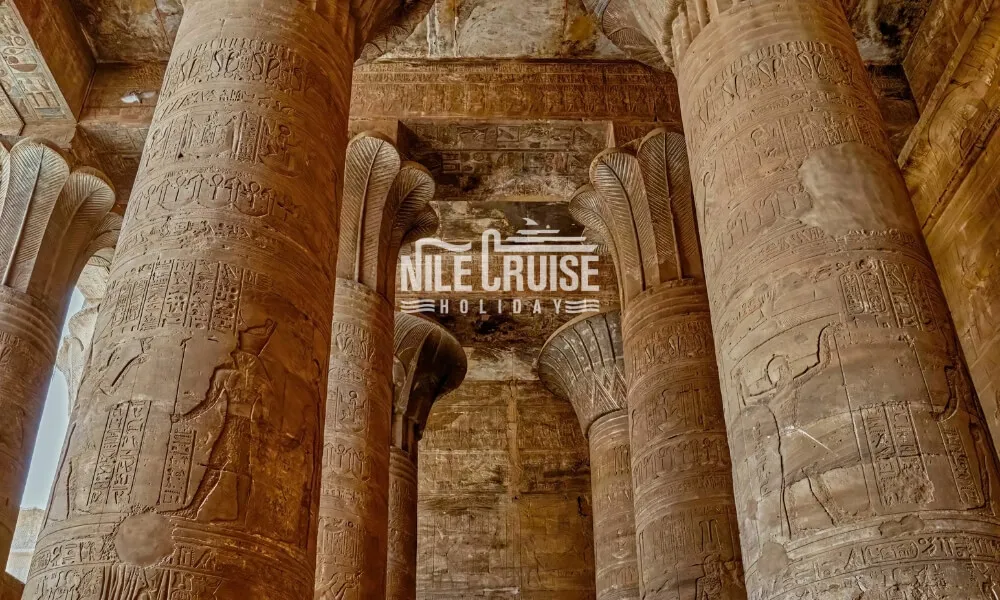
Columns display diverse floral capitals with exceptionally sharp hieroglyphic inscriptions.

7

Inscriptions record rituals, local festivals, and Roman imperial names woven into theology.

Related Attractions