Whatsapp Me

Complete Travel Guide to the Valley of the Kings

Travel like a pro at the Valley of the Kings. Learn why this wadi became royal ground, which tombs truly wow, how to get there with zero hassle, what tickets include, and when to visit for cooler air, golden light, and fewer queues.

Discover the History and Legacy of the Valley of the Kings

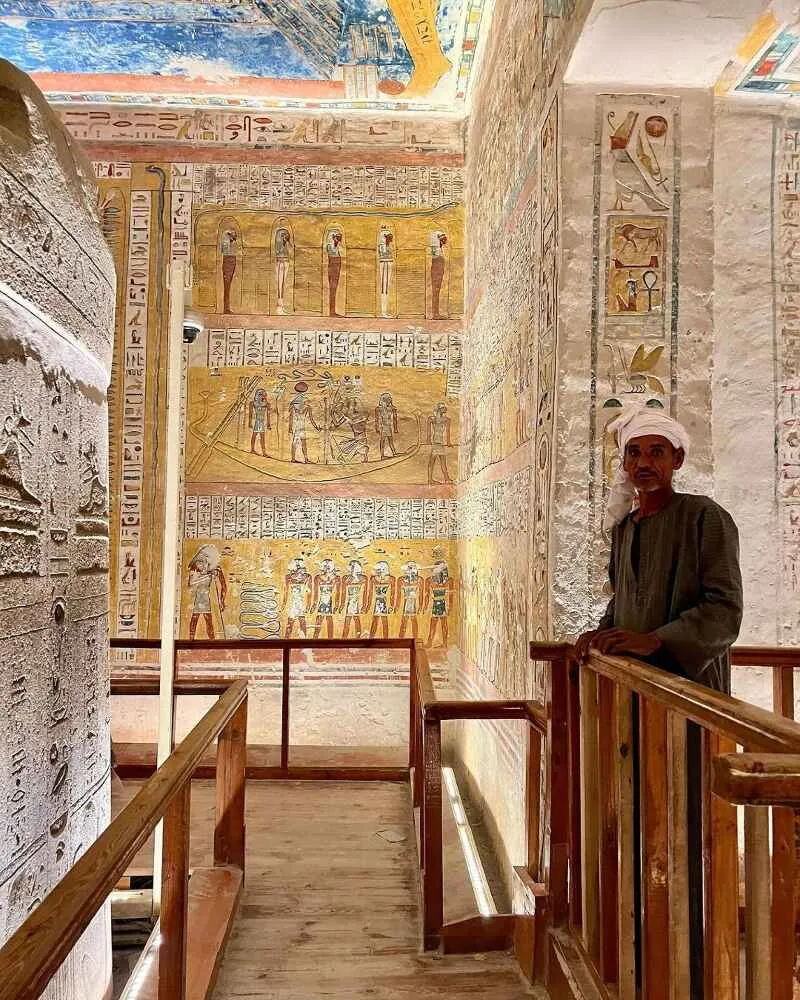
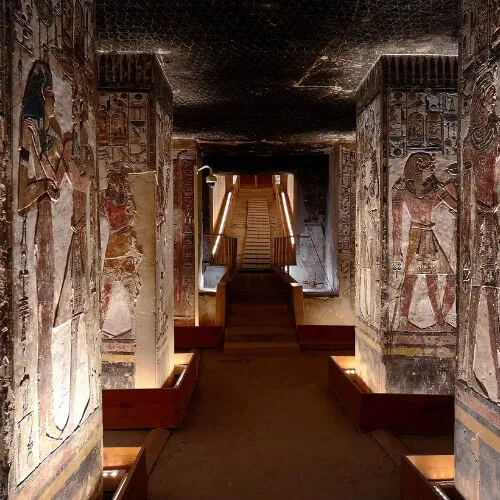
Carved into a remote wadi on Luxor’s West Bank, the Valley of the Kings became the New Kingdom’s royal cemetery (18th–20th dynasties, c. 1550–1069 BCE). Pharaohs abandoned pyramids for hidden cliffside tombs, safeguarding mummies and treasures for the journey to the afterlife. Corridors and chambers blaze with sacred books, the Amduat, Book of Gates, and more, depicting rebirth with cosmic precision. Archaeologists have worked here for centuries; Howard Carter’s 1922 discovery of Tutankhamun’s tomb electrified the world. Today, sustainable conservation and high-tech surveys continue to reveal new data, while the site, part of UNESCO’s “Ancient Thebes with its Necropolis,” stands as a masterpiece of ritual architecture and royal propaganda, illuminating how Egypt imagined eternity.

Valley of the Kings' Location and How to Reach It

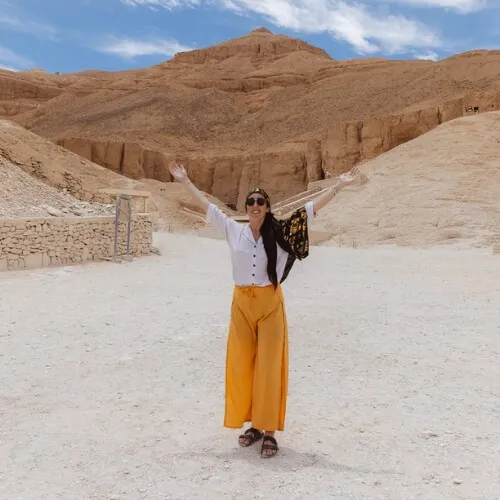
The Valley sits on Luxor’s West Bank, beneath the pyramid-shaped peak al-Qurn, about 30–45 minutes from central Luxor and close to Hatshepsut’s temple.

How to reach

  • Fly to Luxor International Airport.
  • East Bank taxi to ferry.
  • West Bank taxi to the site.
  • Private car with an Egyptologist guide.

Activities To Do in Valley Of The Kings

When To Visit Valley Of The Kings

October to April offers the most comfortable sightseeing, with mild temperatures and golden light that enhances the reliefs. Aim for the first entry of the day to enjoy cooler air and quieter tombs; late afternoon also softens crowds. Summer (May–September) brings intense heat that comes very early; hydrate and plan for shaded breaks. Weekdays outside public holidays are calmer; check local events and cruise schedules if you want extra serenity. Combine the Valley with nearby West Bank highlights (Hatshepsut’s temple, Medinet Habu) to maximize daylight and minimize transit.

Main Image
Small Image
Attraction Image

Key Facts About the Valley of the Kings

1

The Valley of the Kings served as the New Kingdom’s royal necropolis from the reign of Thutmose I to Ramesses XI (c. 1550–1070 BCE).

2

The cemetery occupies East and West branches beneath the pyramid-shaped peak al-Qurn, whose form likely informed the site’s sacred selection.

3

Tomb design evolved from early “dog-leg” plans with protective well-shafts to Ramesside straight-axis complexes ending in vast pillared burial halls.

4

The Deir el-Medina workforce cut and decorated the tombs and left ostraca recording schedules, rations, disputes, and history’s first documented labor strike under Ramesses III.

5

After ancient looting, priestly teams rewrapped and hid royal mummies in caches such as DB320 and KV35, enabling modern identification of dozens of kings.

6

Tomb walls preserve the canonical underworld books—the Amduat, Book of Gates, Book of Caverns, Book of the Earth, and the Litany of Ra, mapping the king’s rebirth with cosmic doctrine.

7

Howard Carter’s 1922 discovery of Tutankhamun’s KV62 yielded over 5,000 cataloged objects and remains the only largely intact royal burial from the Valley.

Related Attractions