Whatsapp Me

A Complete Tombs of the Nobles Travel Guide

Walk into the private world of ancient Egypt’s elite at the Tombs of the Nobles in Luxor. This guide covers history, must-see tombs, the best time to visit, how to get there, and top things to do, so you can plan a rich, art-filled day on the West Bank.

Discover the History and Legacy of Tombs of the Nobles, Luxor

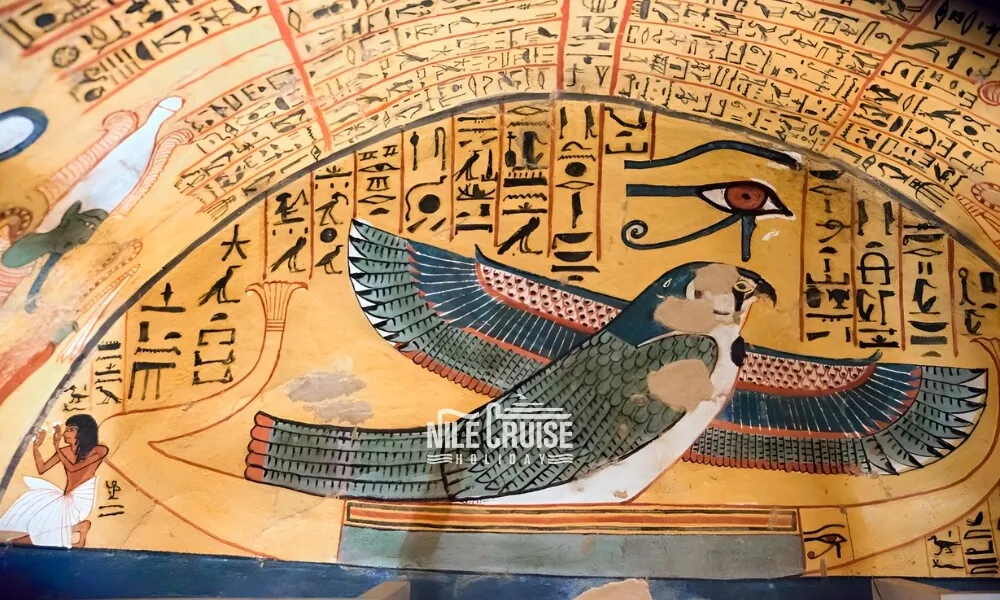
The Tombs of the Nobles preserve the lives, careers, and beliefs of Egypt’s administrators, priests, artists, and officials, especially from the 18th–20th Dynasties. Unlike royal tombs, these chapels overflow with vivid scenes of daily life: vineyards, fishing, craft workshops, banquets, festivals, and intimate family moments. Masterpieces such as Ramose (TT55), Rekhmire (TT100), Menna (TT69), and Sennefer (TT96) showcase refined drawing, natural color, and sophisticated religious texts that guided the deceased into the afterlife. Together, they form an open-air archive that complements the Valley of the Kings, revealing how government, economy, and faith worked behind the throne.

Tombs of the Nobles Location and How to reach

Set on Luxor’s West Bank, the Tombs of the Nobles cluster around Sheikh Abd el Qurna, el Khokha, and Qurnet Murai, a short drive from the Valley of the Kings and Hatshepsut Temple. Access is straightforward from central Luxor across the Nile.

How to reach

  • Taxi from Luxor east bank
  • Private van through your agency
  • Ferry across Nile, short ride
  • Bicycle via bridge and West Bank
  • Guided half-day tour with transfers

Activities To Do in Tombs Of The Nobles

When To Visit Tombs Of The Nobles

October to April offers the most comfortable temperatures for extended tomb visits and West Bank touring. In warmer months, aim for early morning entry and carry water, sun protection, and light clothing. Pair the site with nearby temples to optimize transfers and avoid midday heat for the best experience.

Main Image
Small Image
Attraction Image

Key Facts About Tombs of the Nobles

1

Most tombs date to the New Kingdom, c. 1550–1070 BCE.

2

Notable chapels include Rekhmire (TT100), Sennefer (TT96), Ramose (TT55), and Menna (TT69).

3

Wall paintings depict agriculture, crafts, festivals, music, and family life with exceptional realism.

4

Tombs combine chapel rooms for offerings with shafts leading to burial chambers.

5

Master artisans from Deir el Medina decorated many chapels with refined pigments.

6

The Theban Mapping Project cataloged the TT numbering used for these tombs.

Related Attractions