Whatsapp Me

Best Valley of the Queens Travel Guide

Plan an unforgettable visit to Luxor’s Valley of the Queens. Discover Nefertari’s dazzling tomb, explore serene desert valleys, and learn how royal wives and children were honored. Get practical tips on access, the best time to go, and must-do experiences for a smooth and inspiring trip.

Discover the History and Legacy of Valley of the Queens

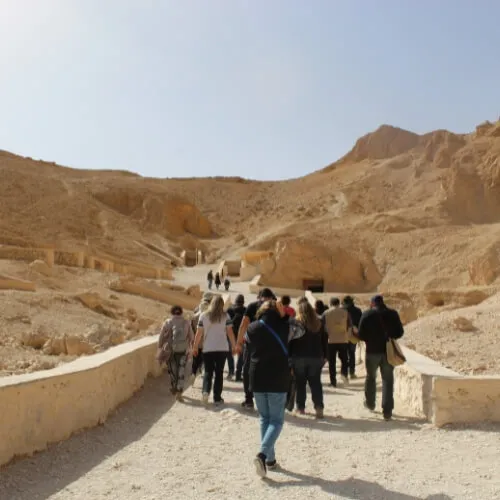
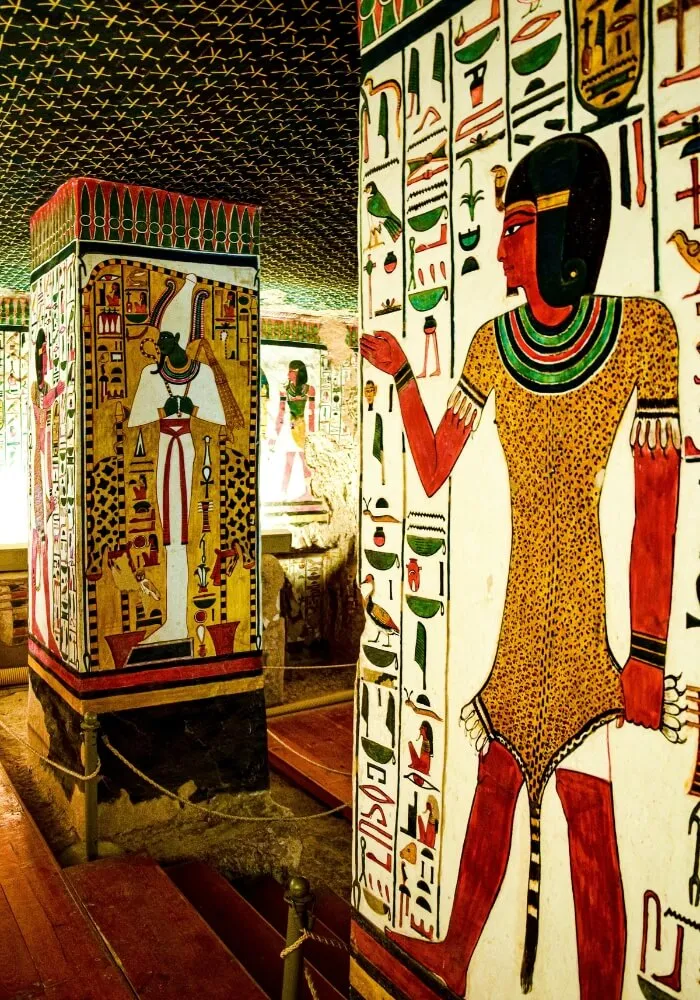
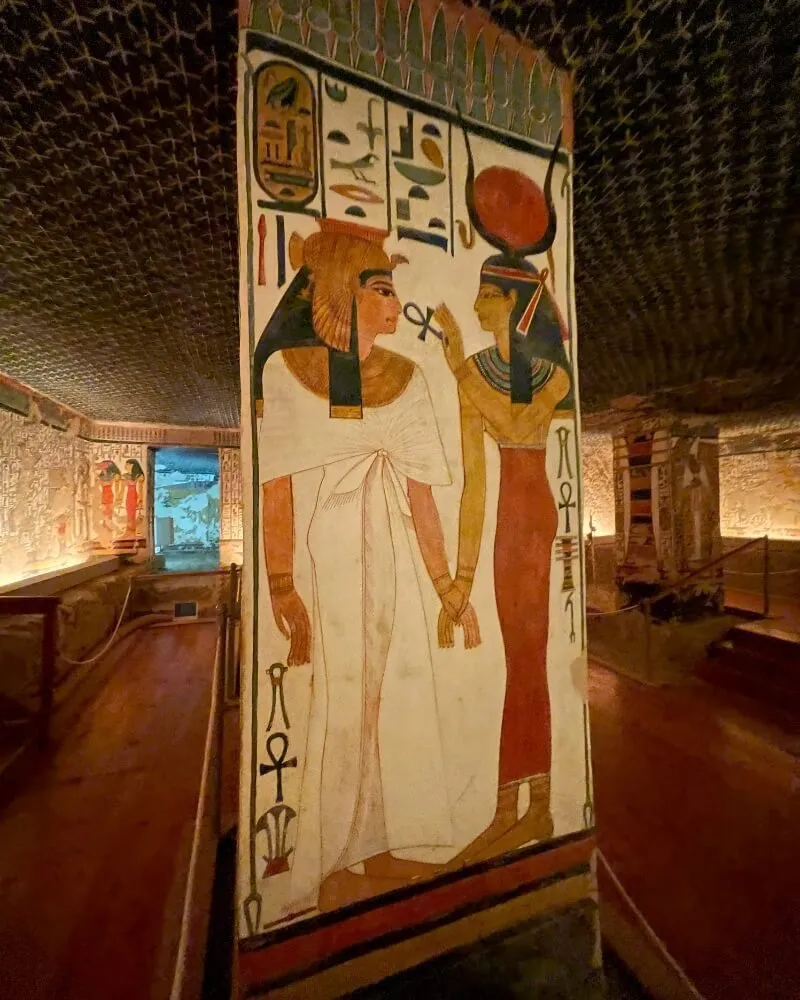
Known to the ancient Egyptians as Ta-Set-Neferu, “The Place of Beauty,” the Valley of the Queens safeguarded the burials of royal wives and children from the 18th to the 20th Dynasties. Master artisans from nearby Deir el-Medina decorated chambered tombs with protective deities, starry ceilings, and scenes of safe passage to the afterlife. The masterpiece is QV66, the tomb of Queen Nefertari, whose vivid reds, blues, and golds show the peak of New Kingdom painting. Other tombs of princes and lesser queens offer quieter glimpses into courtly life and funerary belief. Together they form a compact, atmospheric necropolis where color, symbolism, and devotion still speak clearly.

Valley of the Queens' Location and How to reach it

The Valley of the Queens lies on Luxor’s West Bank, south of the Valley of the Kings and close to Deir el-Medina, with QV66 (Nefertari) as its star attraction.

How to reach it:

  • Private car with licensed guide
  • Taxi from Luxor East Bank
  • Public ferry then West Bank taxi
  • Join small group West Bank tour
  • Combine with Deir el-Medina visit
  • Start early to avoid heat

Activities To Do in Valley Of The Queens

When To Visit Valley Of The Queens

October to April offers pleasant temperatures and gentle light that flatters tomb paintings. Arrive at opening time for cooler air and thinner crowds, especially for Nefertari’s timed entries. In summer, go very early, hydrate well, and plan shaded or indoor stops afterward. Always check current ticketing and photography rules before your visit.

Main Image
Small Image
Attraction Image

Key Facts About Valley of the Queens

1

Ancient name Ta-Set-Neferu means “The Place of Beauty.”

2

Primary burials date to the New Kingdom, 18th to 20th Dynasties.

3

QV66, Nefertari’s tomb, preserves exceptional wall paintings.

4

Many burials belong to royal children as well as queens.

5

Artisans from Deir el-Medina designed and decorated the necropolis.

6

Iconography focuses on protection, rebirth, and safe passage to eternity.

7

Entry rules for Nefertari and photography are controlled and may change.

Related Attractions