Whatsapp Me

Ultimate Hatshepsut Temple Travel Guide 2026/2027

At the dramatic cliffs of Deir el-Bahari, the Mortuary Temple of Hatshepsut blends royal propaganda, divine devotion, and brilliant 18th-Dynasty architecture. Explore its sweeping terraces, exquisite reliefs of the Punt expedition, chapels to Amun, Hathor, and Anubis, and panoramic desert views, plus practical tips on getting there, top activities, best times, and key facts.

Discover the History and Legacy of the Mortuary Temple of Hatshepsut

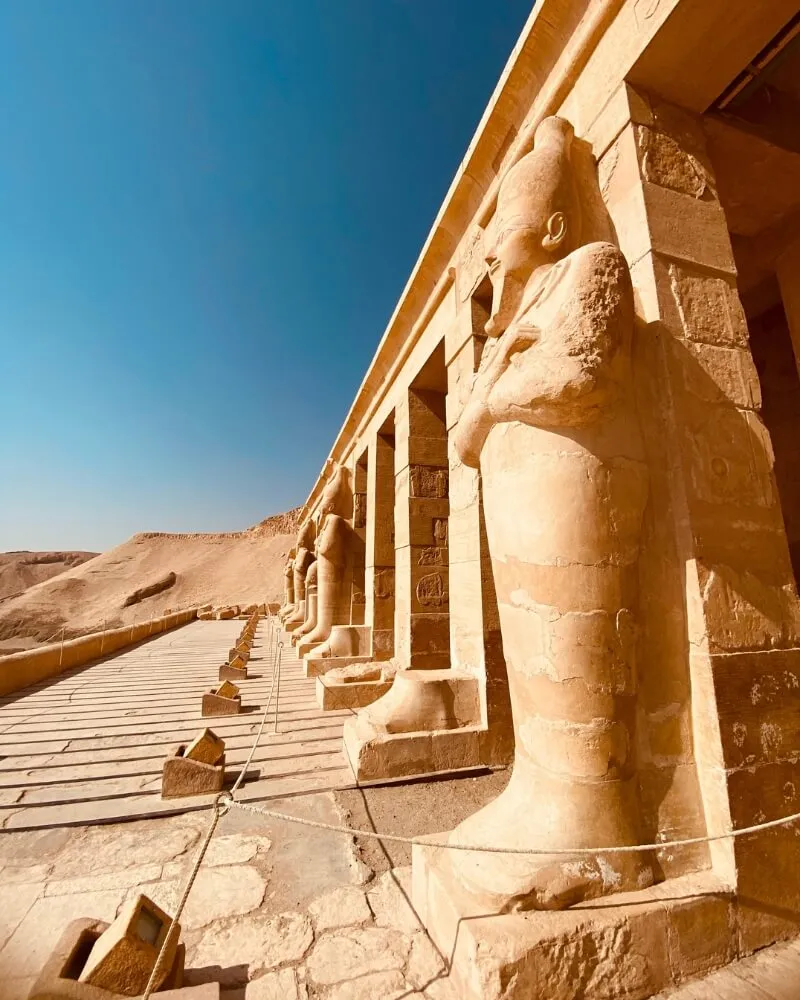
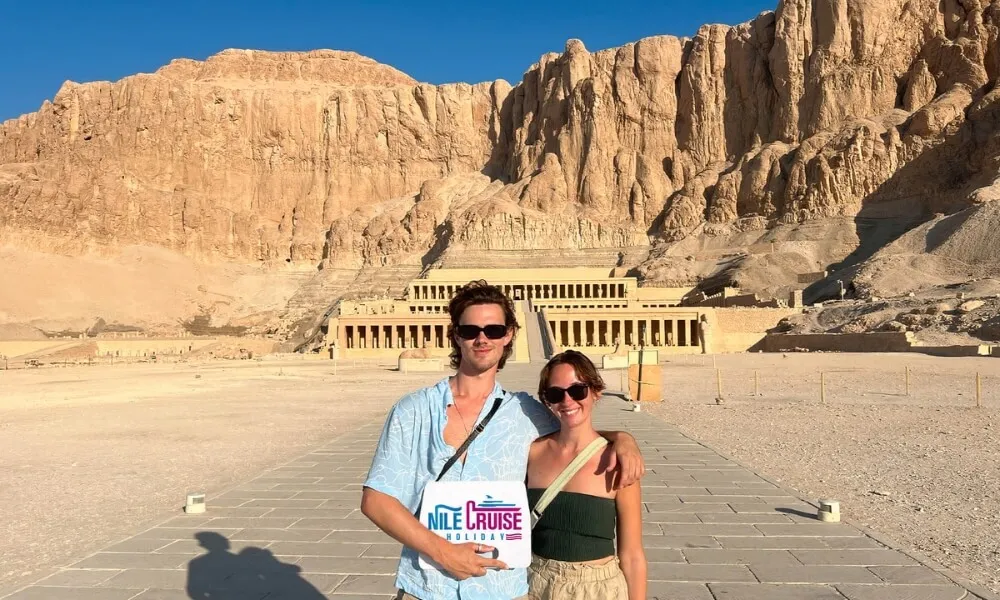
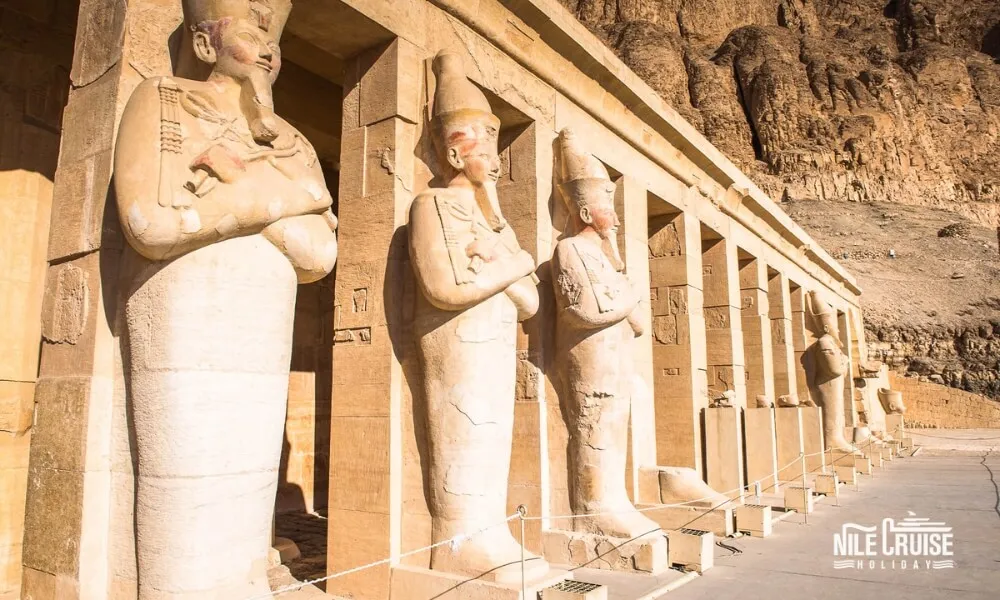
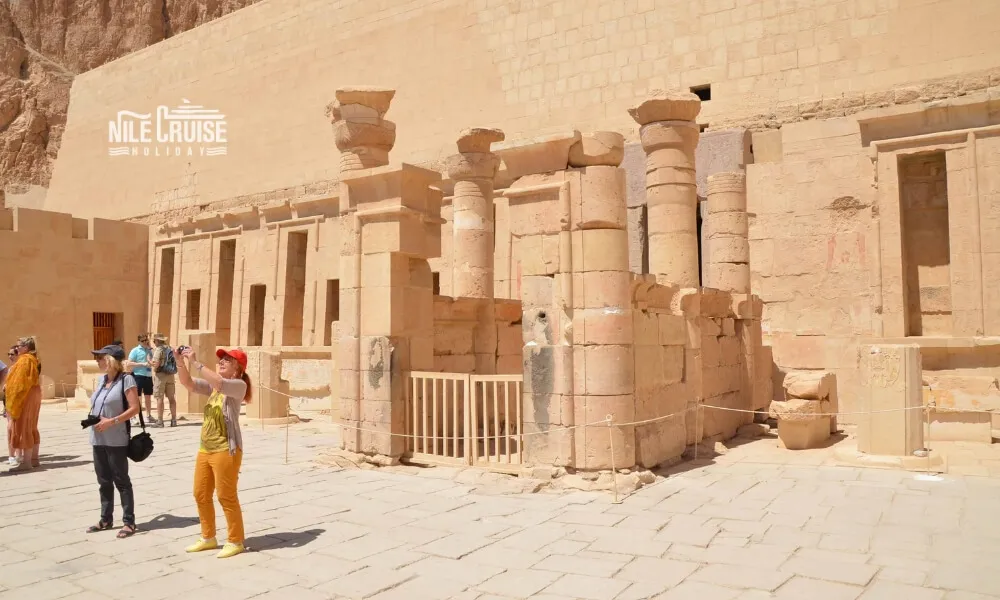
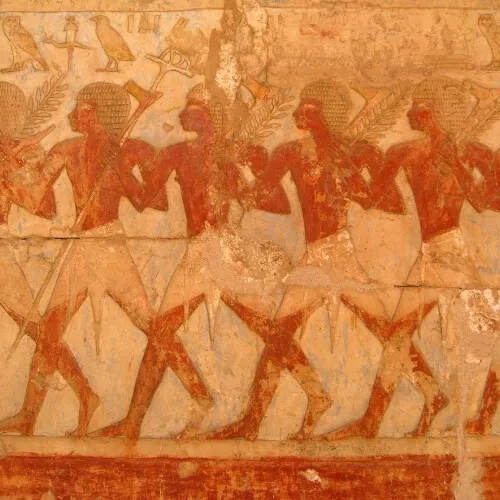
Commissioned by Pharaoh Hatshepsut (c. 1473–1458 BCE) and designed by her chief steward-architect Senenmut, this terraced masterpiece honored Amun-Ra and Hatshepsut’s own divine birth and kingship. Three grand colonnaded terraces rise against limestone cliffs, linked by axial ramps that stage a ceremonial approach from the Nile. Its reliefs famously record the trading voyage to Punt, scenes of incense trees, and offerings that advertised Egypt’s prosperity. Chapels to Hathor and Anubis, solar courts, and Osiride statues reinforced Hatshepsut’s legitimacy and funerary cult. Later erasures under Thutmose III damaged many images, yet the temple’s elegance endured. Ongoing conservation, particularly by Polish-Egyptian teams since the 20th century, has revealed colors, inscriptions, and planning brilliance that make Deir el-Bahari a cornerstone of New Kingdom architecture and royal ideology.

Mortuary Temple of Hatshepsut Location and How to Reach It

Set at Deir el-Bahari on Luxor’s West Bank, the temple faces the Nile across from modern Luxor, nestled beneath the cliffs of the Theban Necropolis and near the Valley of the Kings.

How to Reach It:

  • Cross the Nile by public ferry
  • Hire a private motorboat for a crossing
  • Taxi from the West Bank landing
  • Drive via the Luxor Bridge Road
  • Join a guided West Bank tour
  • Combine with nearby tombs

Activities To Do in Hatshepsut Temple

When To Visit Hatshepsut Temple

For the most pleasant conditions, visit between November and March. Arrive at opening time to enjoy soft light on the reliefs and fewer tour groups; this timing also fits a sunrise hot air balloon over the West Bank. Late afternoon is the next-best window, with warm colors and thinner crowds. From May to September, plan visits before 9:00 a.m., carry water, sun protection, and a hat, and use shaded colonnades for short breaks. Expect busier periods on weekends and public holidays, and consider combining the temple with nearby sites in one loop to reduce transfers.

Main Image
Small Image
Attraction Image

Key Facts About the Mortuary Temple of Hatshepsut

1

Commissioned by Pharaoh Hatshepsut of the 18th Dynasty, the temple dates to the mid-15th century BCE.

2

Its ancient name, Djeser-Djeseru (“Holy of Holies”), reflects its sacred function at Deir el-Bahari on Luxor’s West Bank.

3

Chief architect Senenmut planned a strict axial layout of three colonnaded terraces linked by broad ramps, harmonizing with the cliffs.

4

Relief cycles include the Punt expedition, Hatshepsut’s divine birth, and coronation scenes affirming her legitimacy.

5

While dedicated primarily to Amun-Ra, it also houses chapels to Hathor and Anubis, plus solar courts.

6

Rows of Osiride statues of Hatshepsut once lined the upper terraces; many royal images were later defaced under Thutmose III.

7

The site forms part of UNESCO’s Ancient Thebes with its Necropolis, with major Polish-Egyptian conservation revealing original polychromy.

Related Attractions