Whatsapp Me

Best Mummification Museum Travel Guide

Uncover the secrets of ancient preservation at Luxor’s Mummification Museum. Explore tools, resins, natron, and mummified humans and animals in an immersive, compact space. Find the exact location, easy ways to reach it, the best time to visit, top things to do, and essential facts for a smarter, richer experience.
Discover the History and Legacy of Mummification Museum

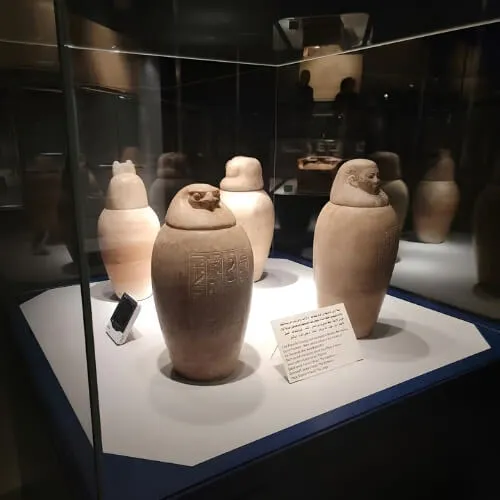
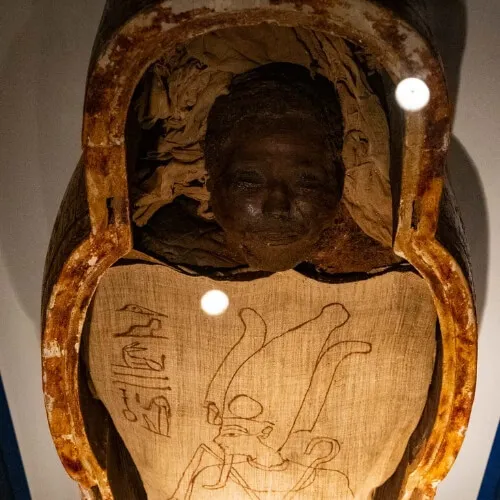
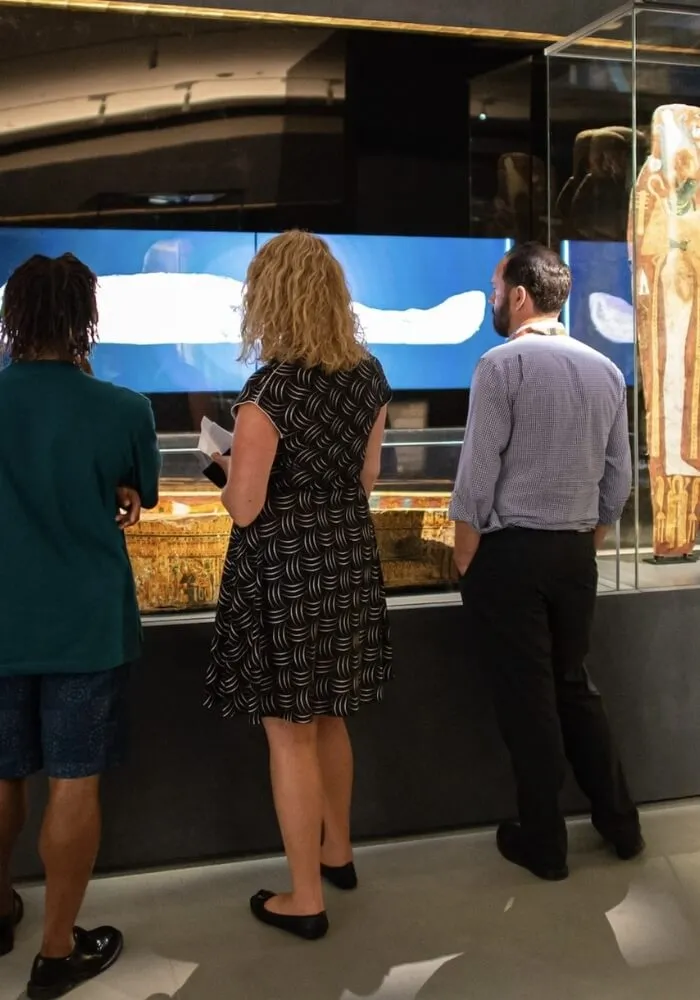
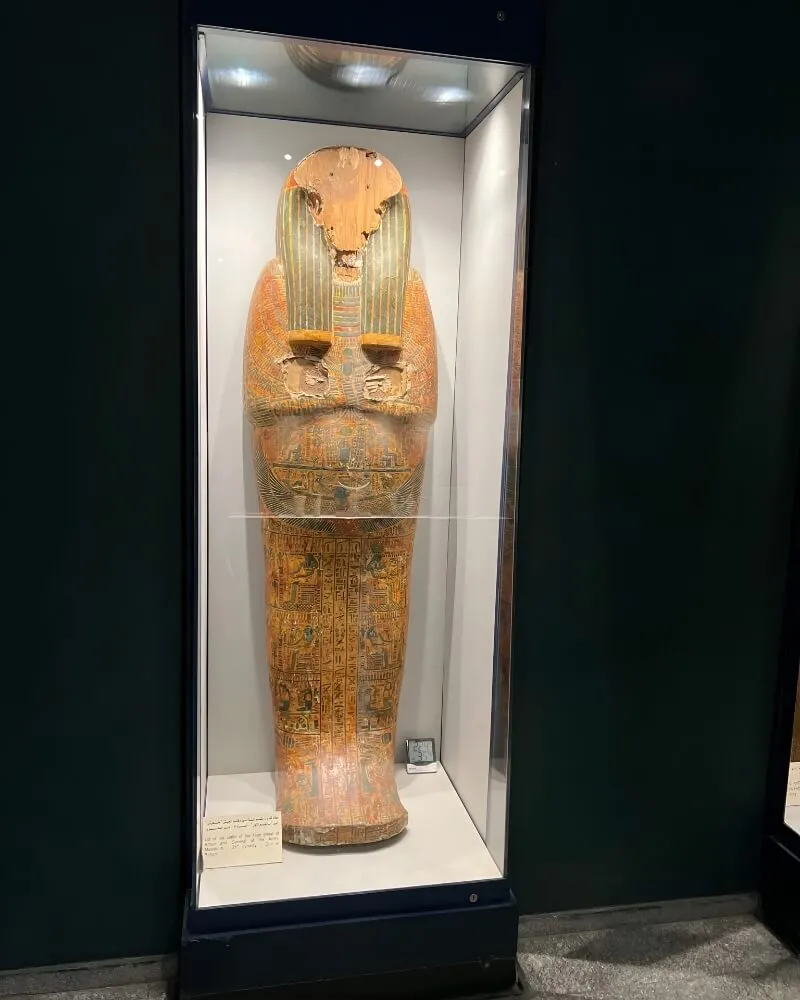
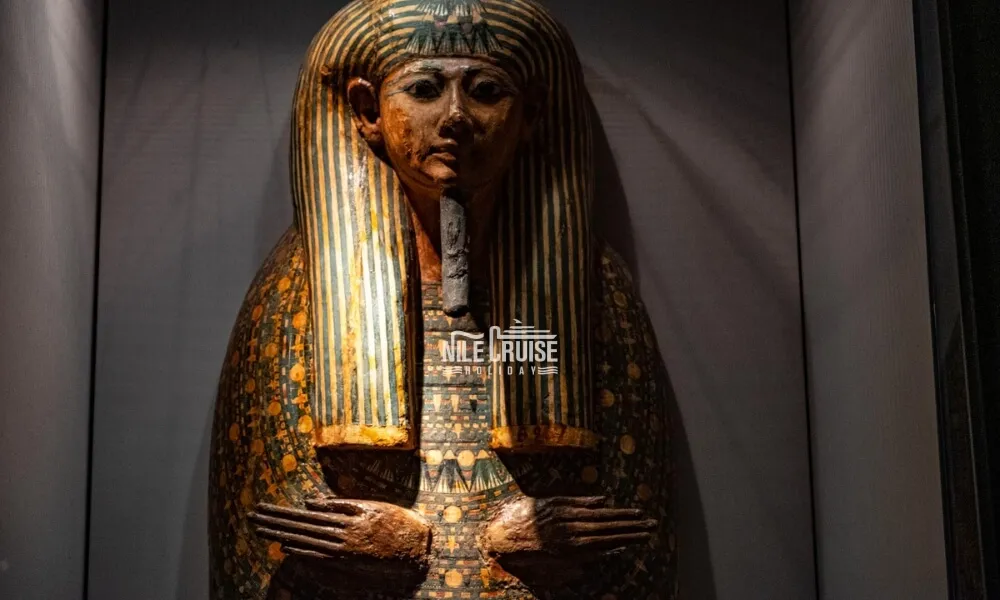
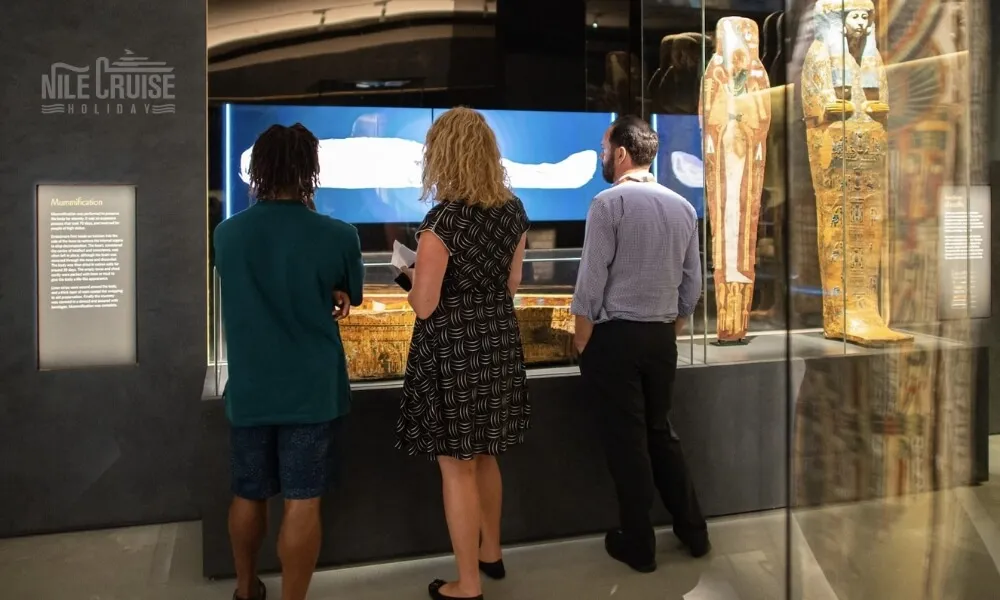
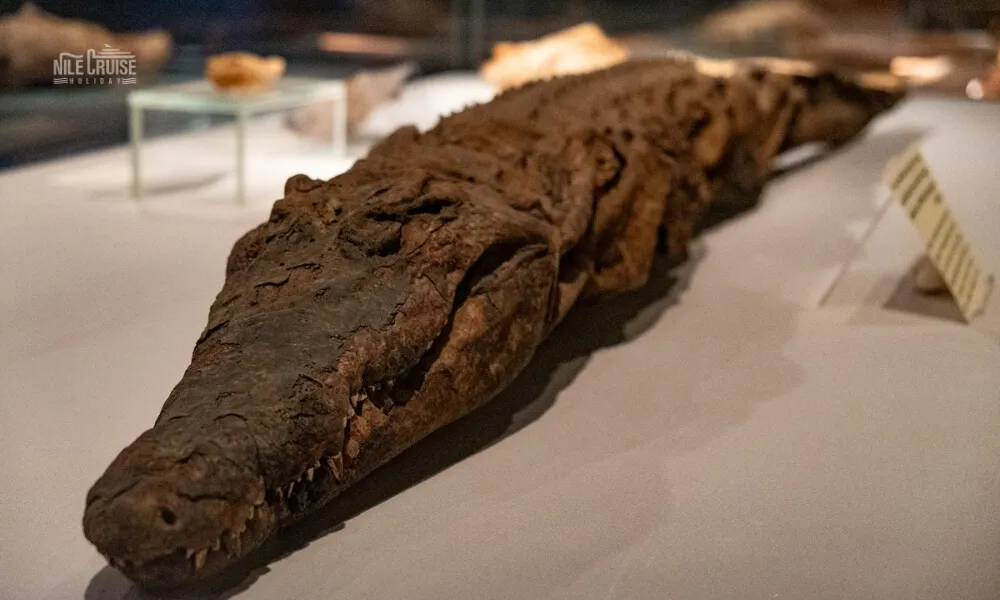
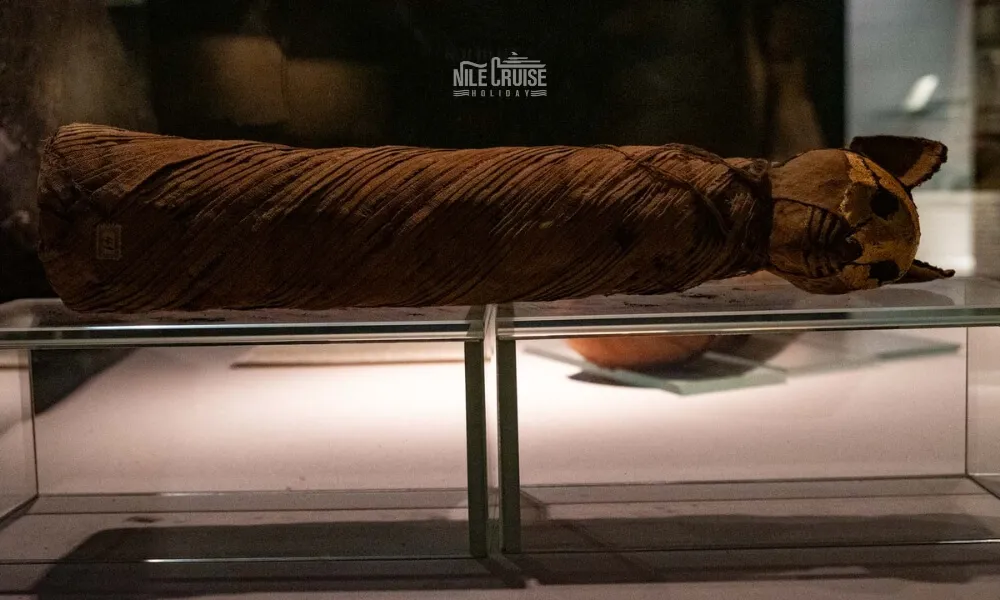
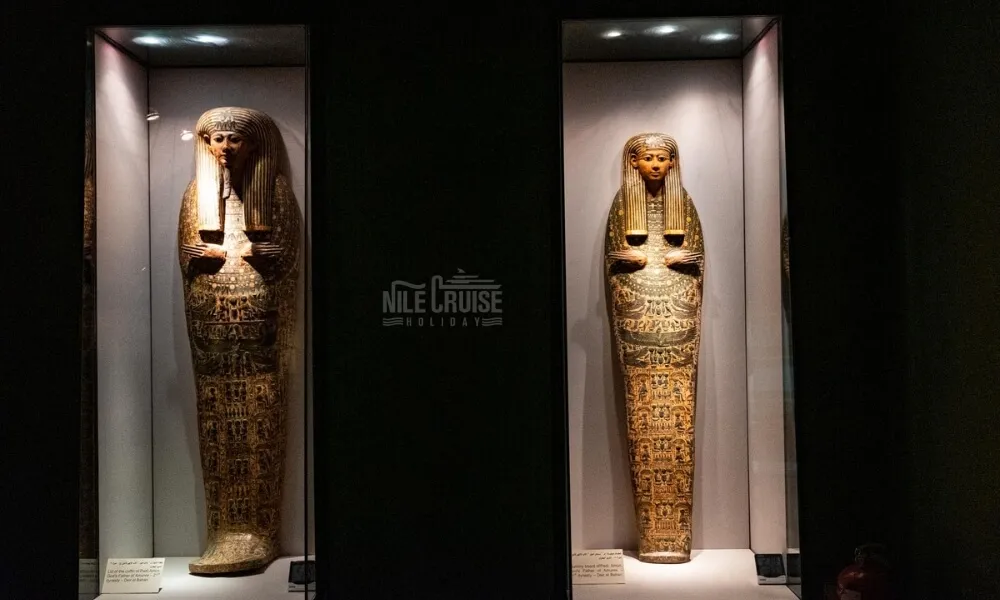
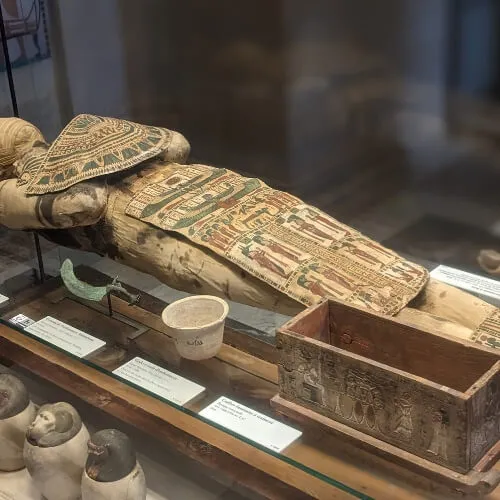
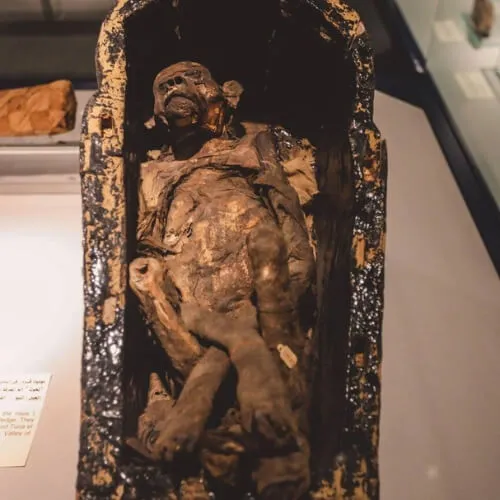
The Mummification Museum in Luxor is dedicated to the science, ritual, and belief systems behind ancient Egyptian preservation. Within an intimate gallery, you will trace each stage of the embalming process, from purification and organ removal to resin anointing, linen wrapping, and final funerary rites guided by Anubis. Displays showcase original tools, natron salts, amulets, canopic equipment, and vivid panels that decode the priests’ roles and the journey to the afterlife. Mummified animals such as crocodiles and cats reveal how sacred creatures were honored. A highlight is the mummy of the high priest Maserharti, offering a rare, close study of technique and theology. The museum’s focused curation turns complex knowledge into a clear, engaging narrative.

Location and Directions & How to Reach it

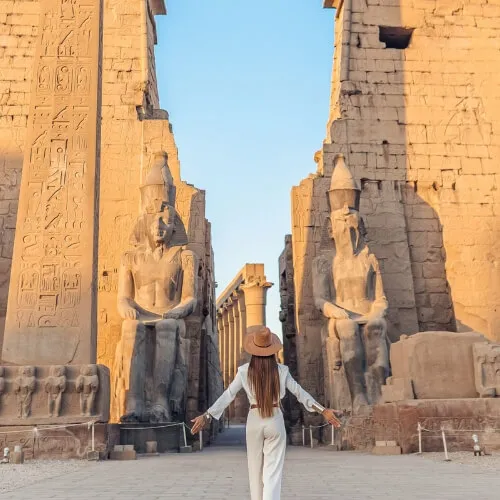
On Luxor’s east bank along the Nile Corniche, the museum sits close to Luxor Temple and major hotels.

How to Reach it:

  • On Luxor Corniche, east bank
  • 10 minutes from Luxor Temple
  • Taxi from hotels, ask meter
  • Short walk from Luxor Museum
  • Public ferry from West Bank
  • Private guide with driver pickup

Activities To Do in Mummification Museum

When To Visit Mummification Museum

The best months are October to April when temperatures are comfortable for walking the Corniche before or after your visit. Go early morning or late afternoon for quieter galleries and softer light on the riverfront. In summer, choose opening hours near the start or end of the day and pair your stop with nearby indoor sites to stay cool.

Main Image
Small Image
Attraction Image

Key Facts About Mummification Museum

1

Dedicated to ancient Egyptian mummification across humans and animals.

2

Displays original tools, linen, resins, natron, and canopic equipment.

3

Highlights the role of Anubis and funerary priesthood ceremonies.

4

Exhibits include the mummy of High Priest Maserharti from Thebes.

5

Compact layout allows a thorough visit in about one hour.

6

Often paired with Luxor Museum for a comprehensive archaeological overview.

Related Attractions