Whatsapp Me

Ultimate Deir el-Medina, Luxor Travel Guide 2026/2027

Uncover the artisans’ village that built the pharaohs’ tombs. This guide to Deir el-Medina covers vivid history, exact location and access, the top things to do, the best time to visit, and essential facts—so you make the most of Luxor’s most human-scale treasure.

Discover the History and Legacy of Deir el-Medina

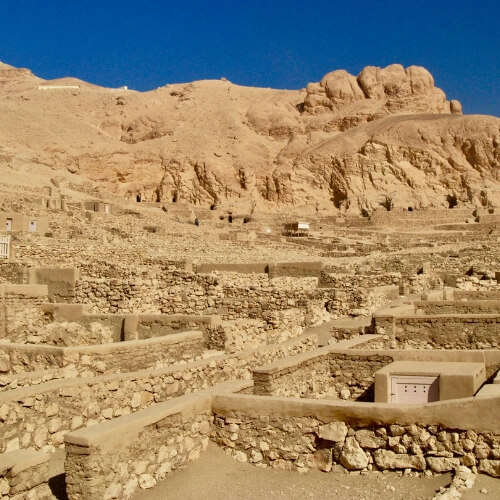
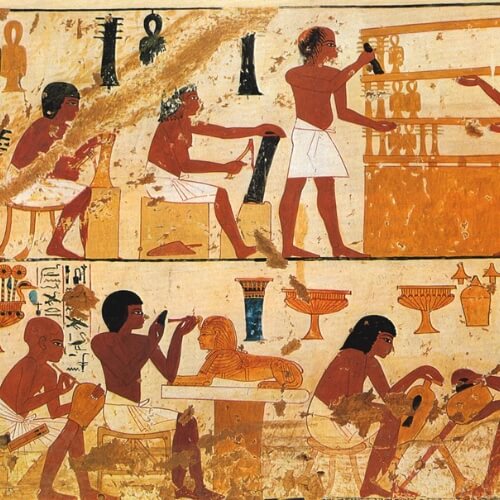
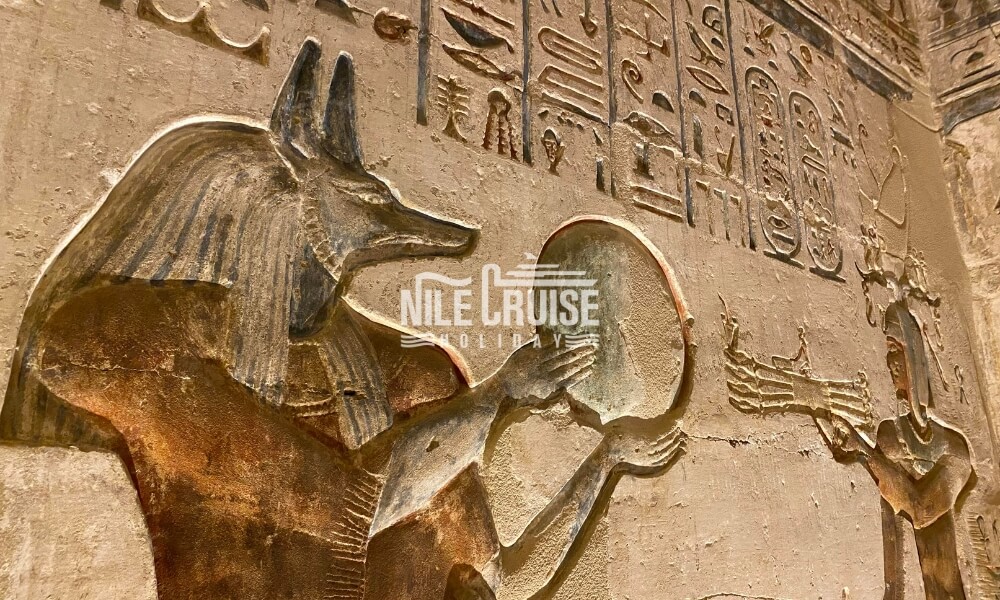
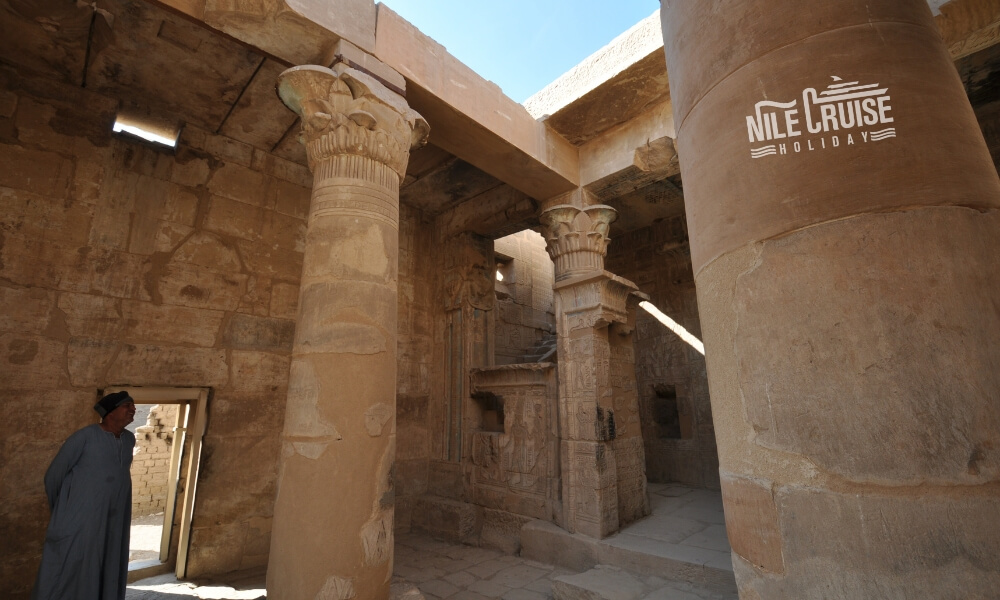
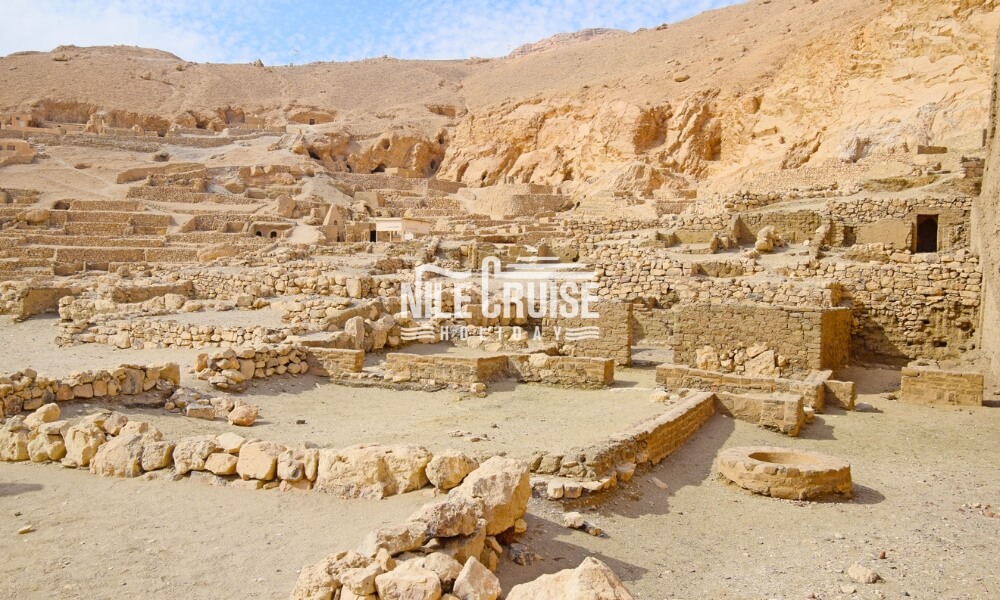
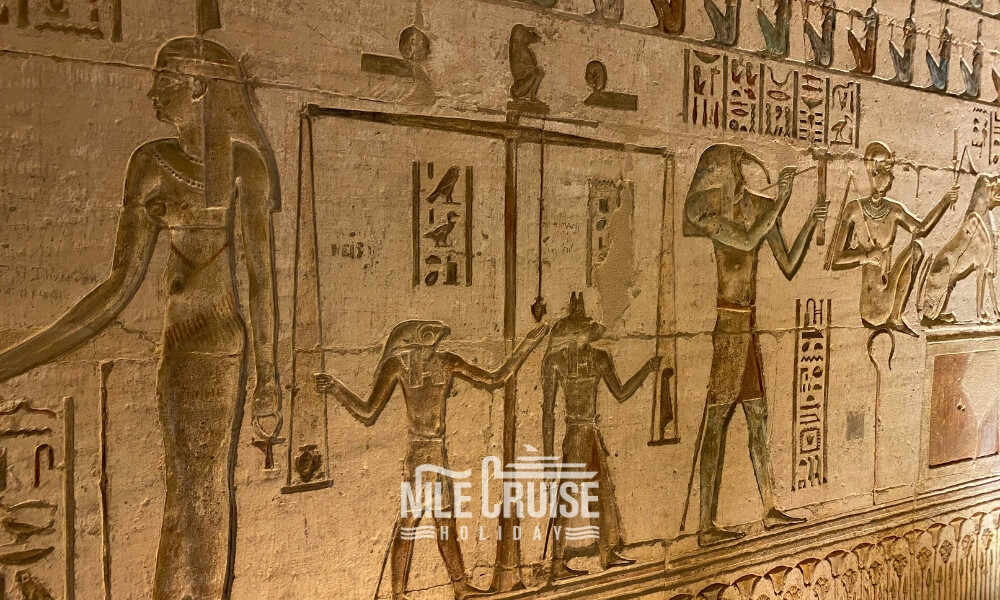
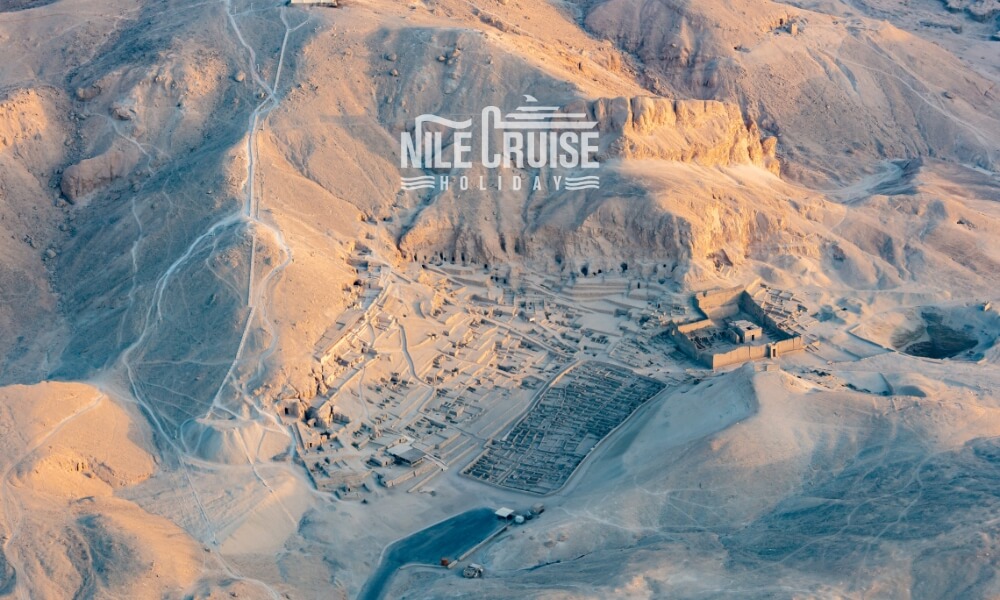
Deir el-Medina was the purpose-built village for the royal tomb workers of Ancient Thebes. From the 18th to 20th Dynasties, skilled artisans, draftsmen, and scribes lived here while decorating the tombs in the Valley of the Kings and Valley of the Queens. Known anciently as Set Maat, “The Place of Truth,” the walled settlement preserves homes, chapels, tools, and thousands of ostraca that record wages, marriages, festivals, legal disputes, and even an organized labor strike in Ramesses III’s reign. Its exquisitely painted private tombs (such as those of Sennedjem and Pashedu) reveal intimate beliefs about family, craft, and the afterlife. Today, wandering its lanes offers a rare, close-up view of daily life that complements Luxor’s monumental temples.

Deir el-Medina Location and How to Reach It

Deir el-Medina sits on Luxor’s West Bank, just southwest of the Valley of the Queens and near Medinet Habu. It’s a short drive from river crossings and pairs perfectly with a West Bank sightseeing circuit.

How to reach it:

  • Cross the Nile by public ferry
  • Hire a private motorboat crossing
  • Taxi from West Bank landing
  • Drive via the Luxor Bridge road
  • Join a guided West Bank tour
  • Combine with Valley of Queens

Activities To Do in Deir El Medina

When To Visit Deir El Medina

The best window is October to April, when temperatures are cooler and light is soft for photography. Aim for early morning to enjoy quiet lanes and richly colored tomb scenes; late afternoon also works well. From May to September, plan brief visits at opening time, carry water, sun protection, and wear sturdy footwear.

Main Image
Small Image
Attraction Image

Essential Facts About Deir el-Medina

1

Ancient name Set Maat means “The Place of Truth,” home to royal tomb workers.

2

Most occupation dates to the New Kingdom, especially the 18th–20th Dynasties.

3

Thousands of inscribed ostraca preserve wages, diaries, letters, and legal cases.

4

The Turin Strike Papyrus records an early labor strike in Ramesses III’s reign.

5

Standardized houses and a perimeter wall reveal planned, state-supported living.

6

Notable tombs include Sennedjem (TT1), Pashedu (TT3), and Irunefer (TT290).

7

Part of UNESCO’s “Ancient Thebes with its Necropolis” World Heritage site.

Related Attractions