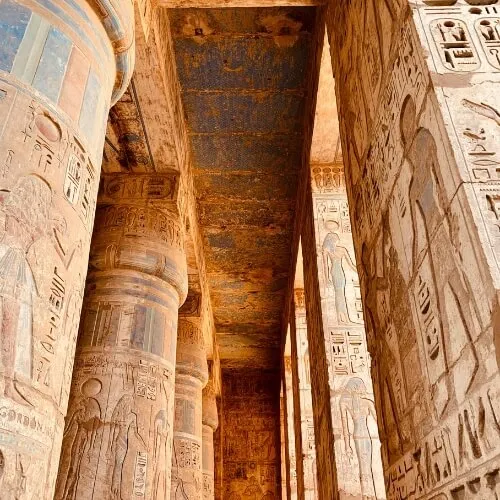
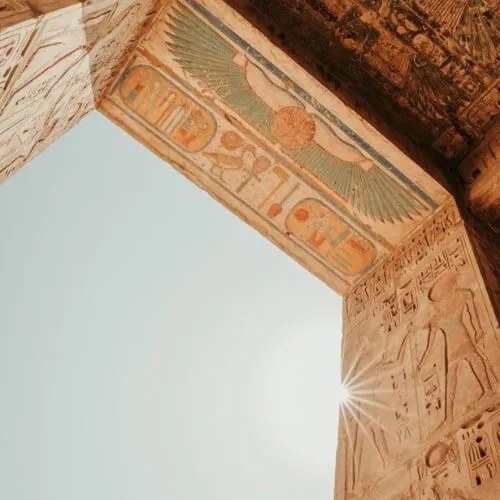
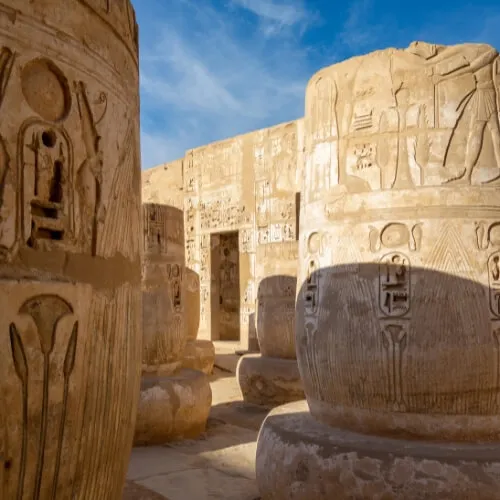
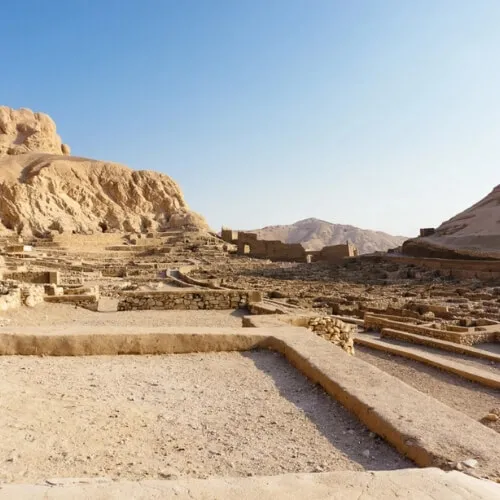
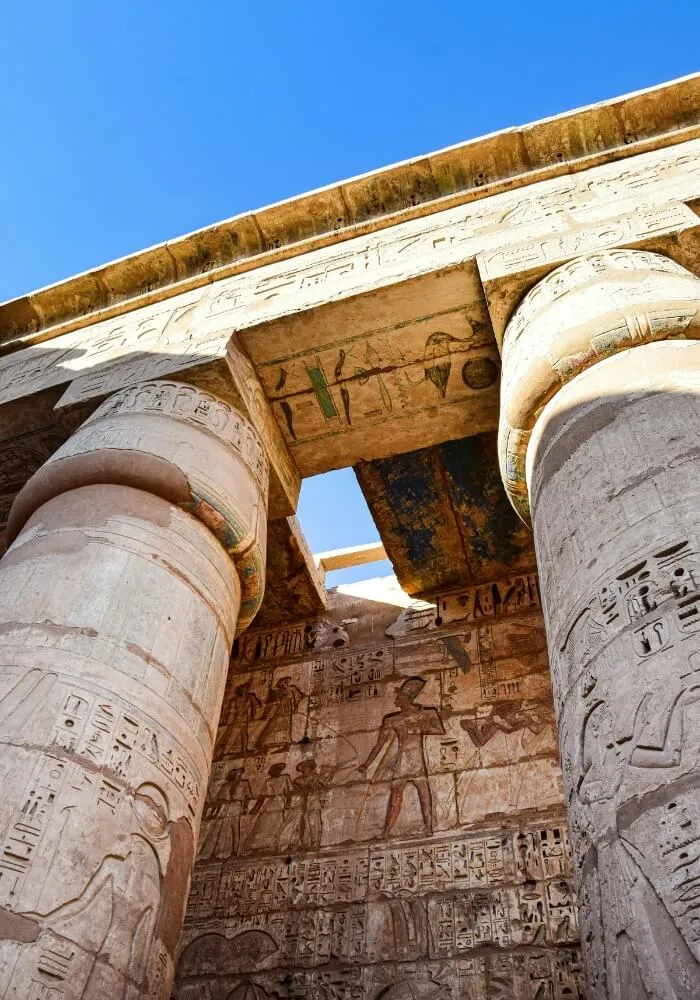
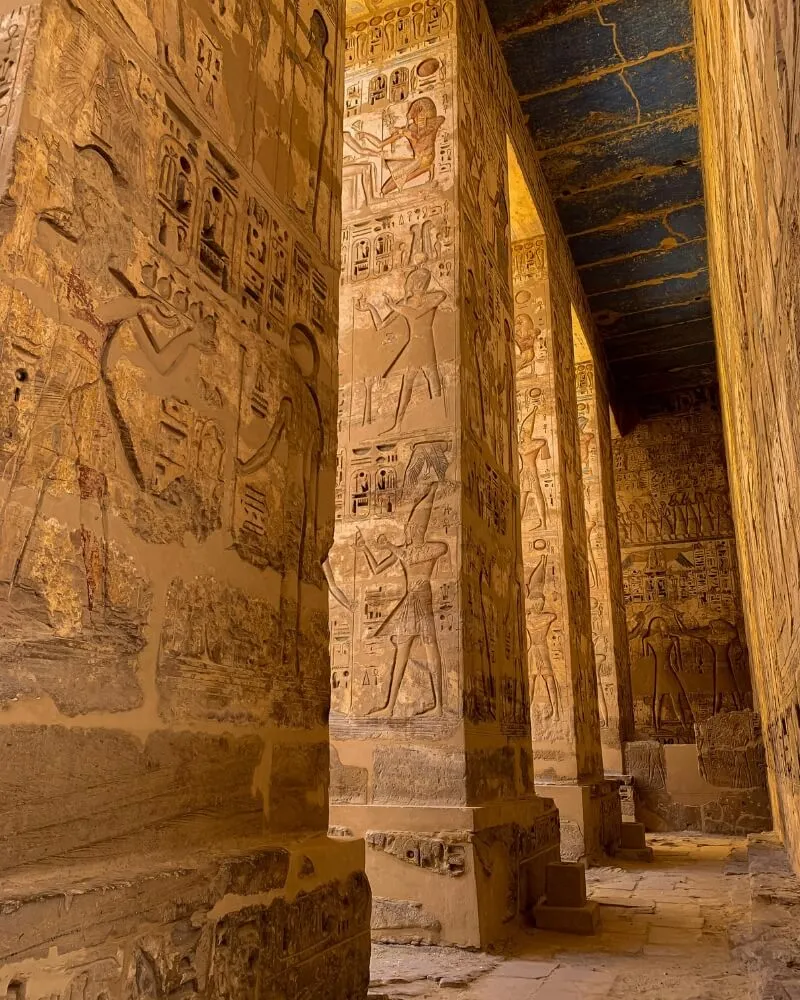
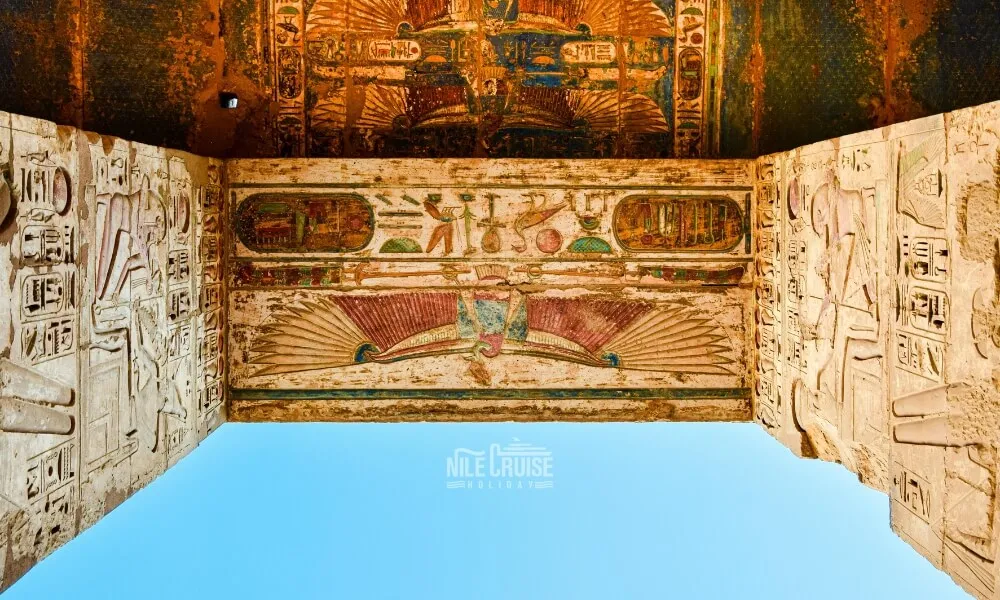
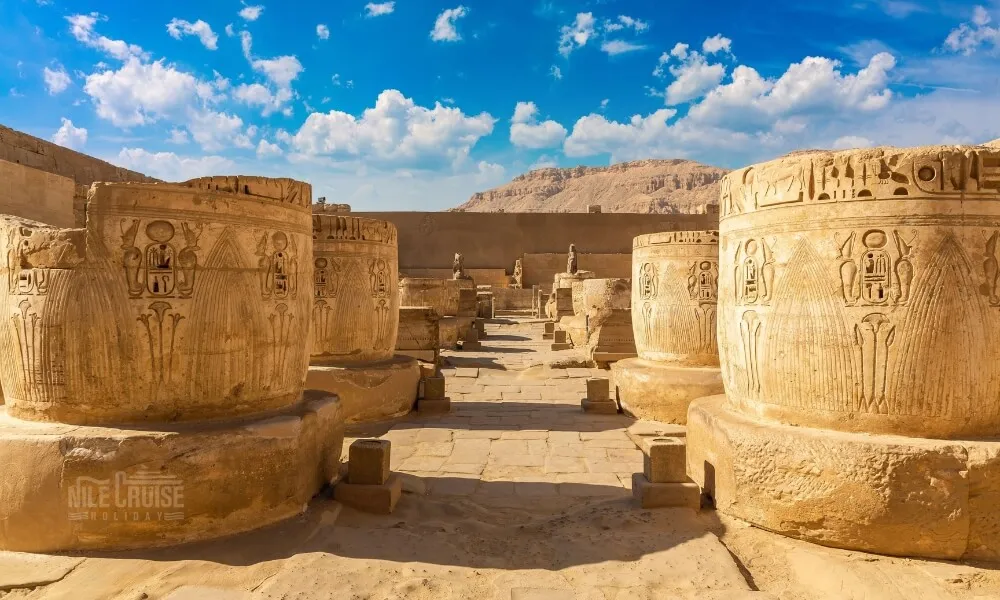
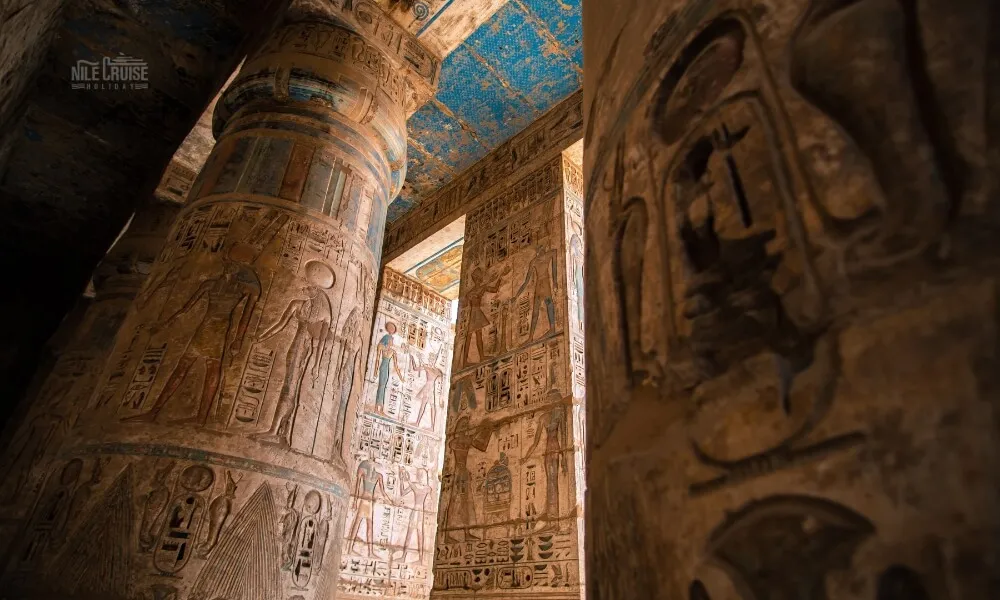
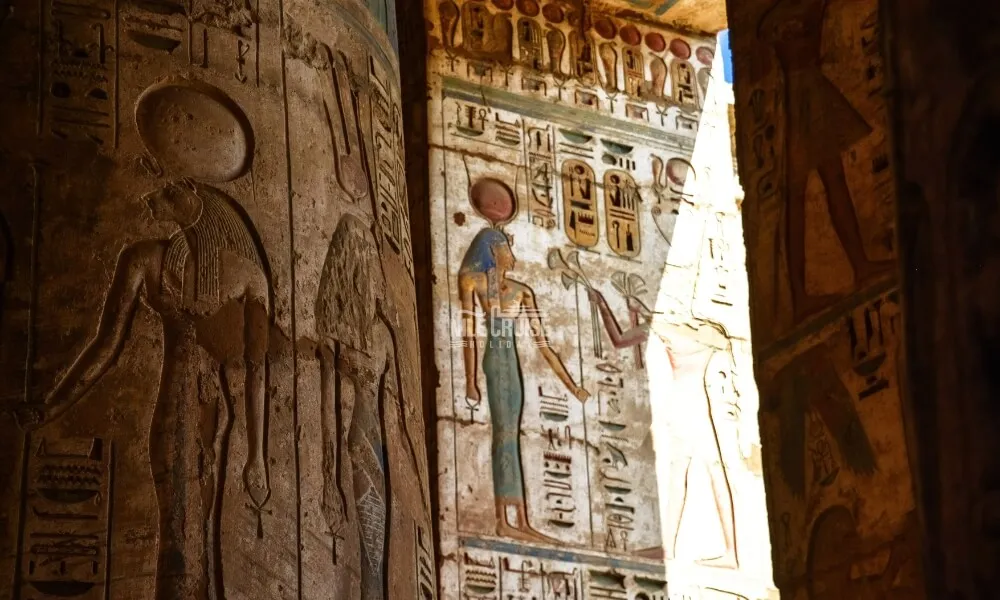
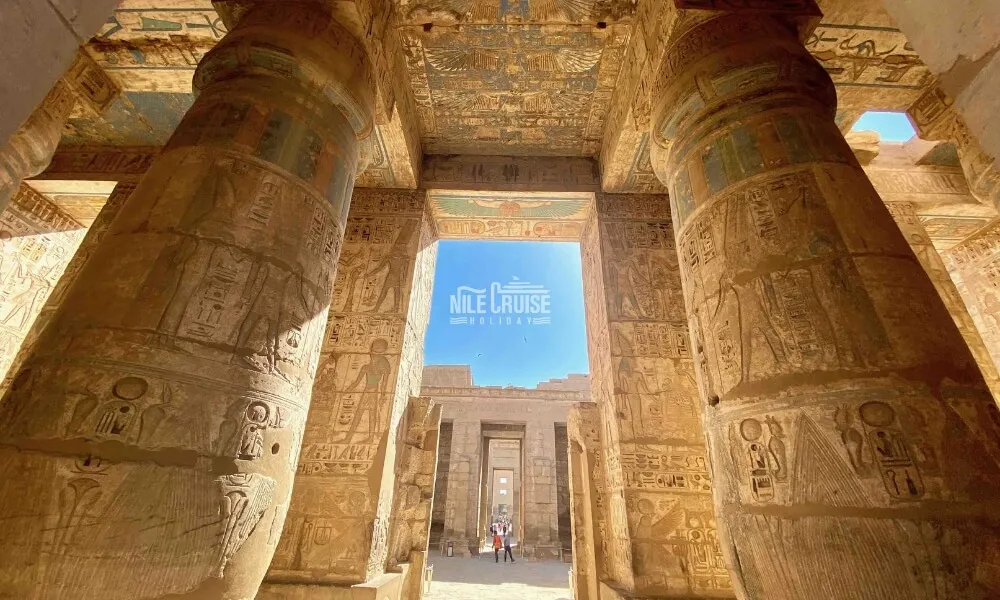
Madinat Habu Temple, also known as Medinet Habu, is the mortuary temple of Pharaoh Ramesses III, built in the early 12th century BCE. It is among the best-preserved New Kingdom temples, famed for towering pylons, vivid original colors, and detailed reliefs depicting battles with the Sea Peoples. Within its massive enclosure lie palace remains, administrative buildings, and a smaller Amun temple begun by Hatshepsut and Thutmose III with later Ptolemaic additions. The fortified gatehouse, or migdol, reflects Near Eastern influence. In late antiquity the complex became a Christian settlement, leaving chapels and graffiti that reveal centuries of reuse. Today, Madinat Habu offers a rare, richly illustrated record of royal power, religion, and daily life.
Madinat Habu Temple Travel Guide
Discover Madinat Habu Temple (Medinet Habu), Ramesses III’s magnificent mortuary complex on Luxor’s West Bank. This travel guide covers history, location, access, the best time to visit, key facts, and the top experiences so you can plan a smooth, insightful, and unforgettable visit.