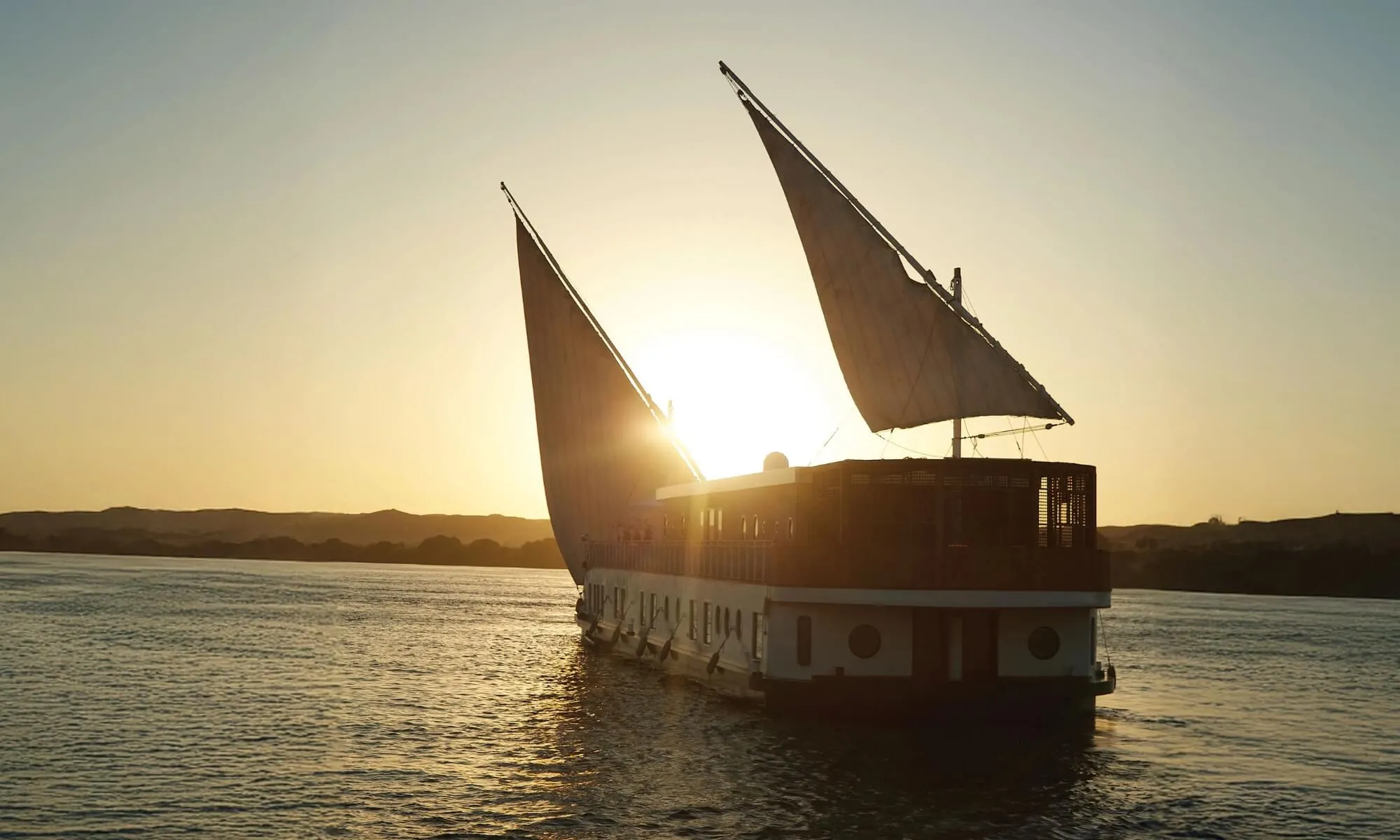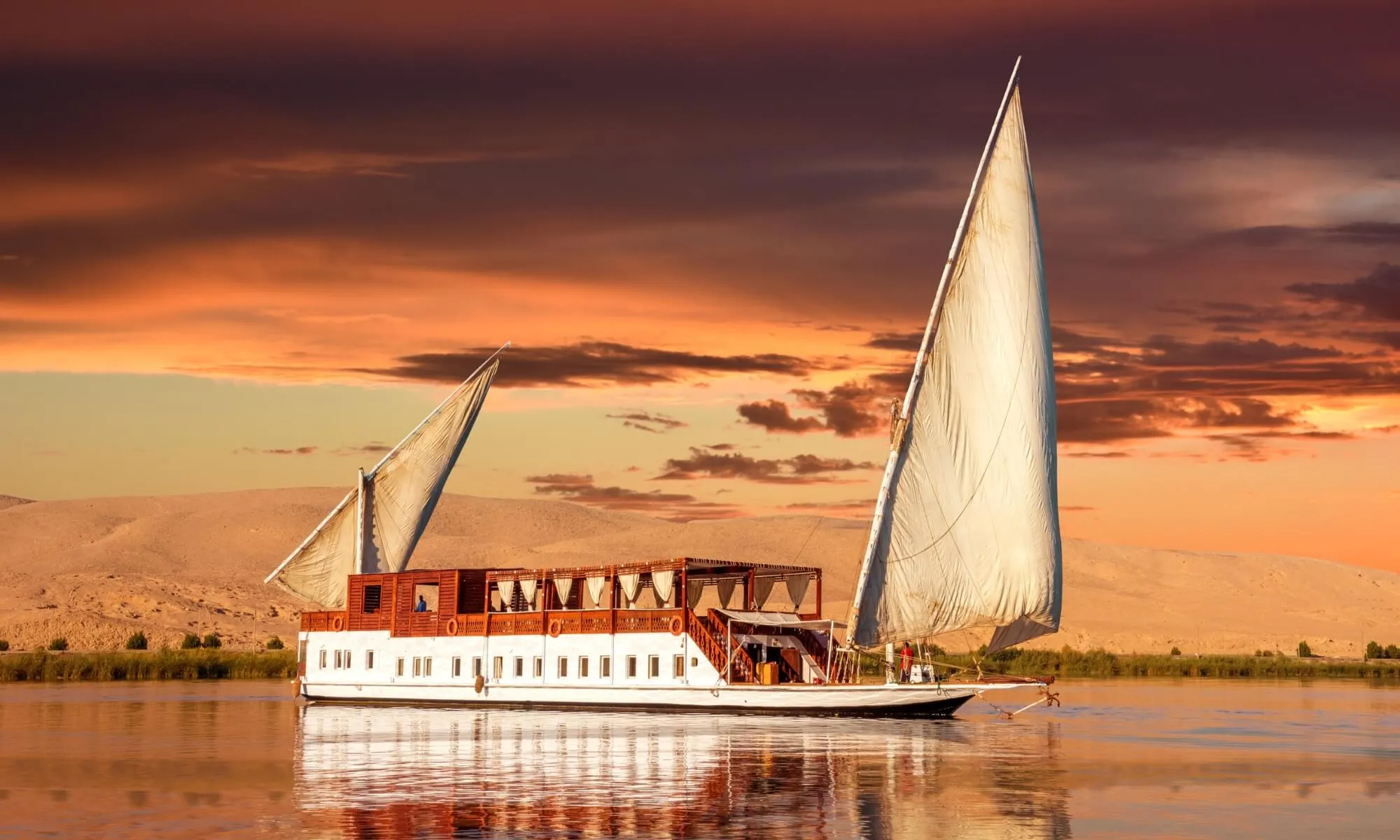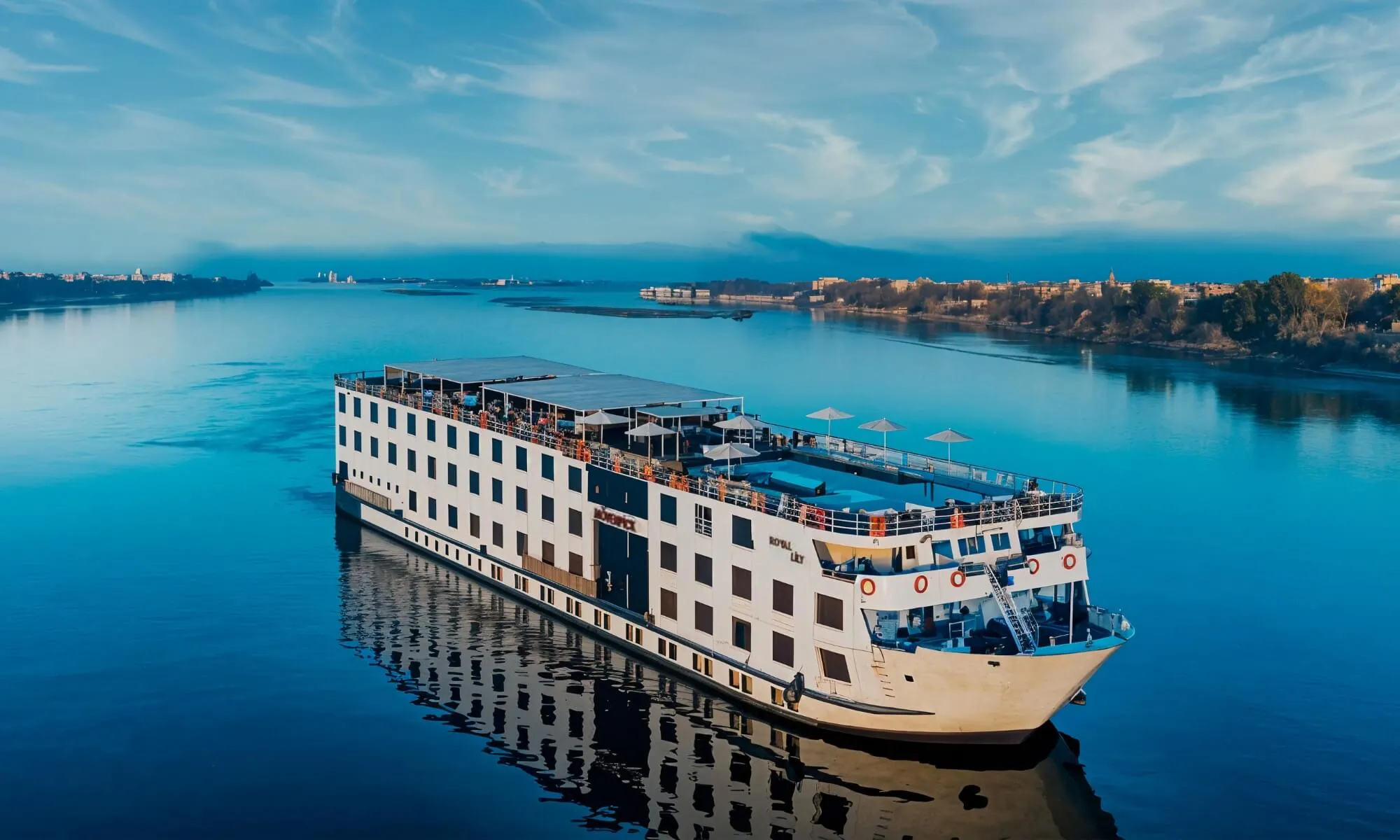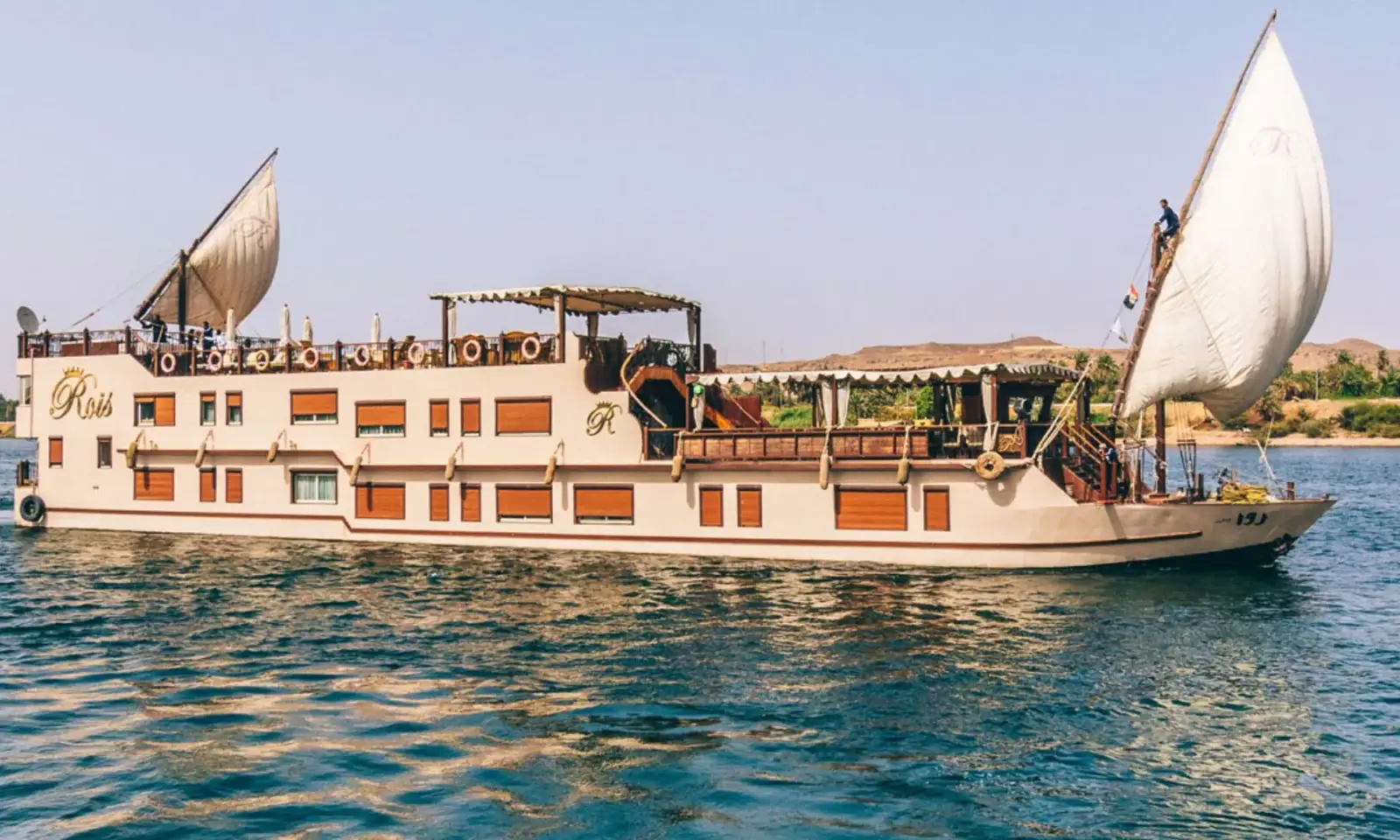
A Dahabiya is not a smaller version of a conventional Nile cruise. It is a traditional twin-masted sailing vessel, built in the style once favored by wealthy travelers and dignitaries moving up and down the Nile in the nineteenth century. Where a standard cruise ship carries its passengers at a fixed engine speed on a fixed schedule, a Dahabiya moves with the wind, carries a handful of cabins instead of a few hundred, and replaces the hum of a large vessel with the sound of the river itself.
This is not the fastest way to travel between Luxor and Aswan, but by far the most comfortable.
Dahabiya vs Standard Nile Cruises
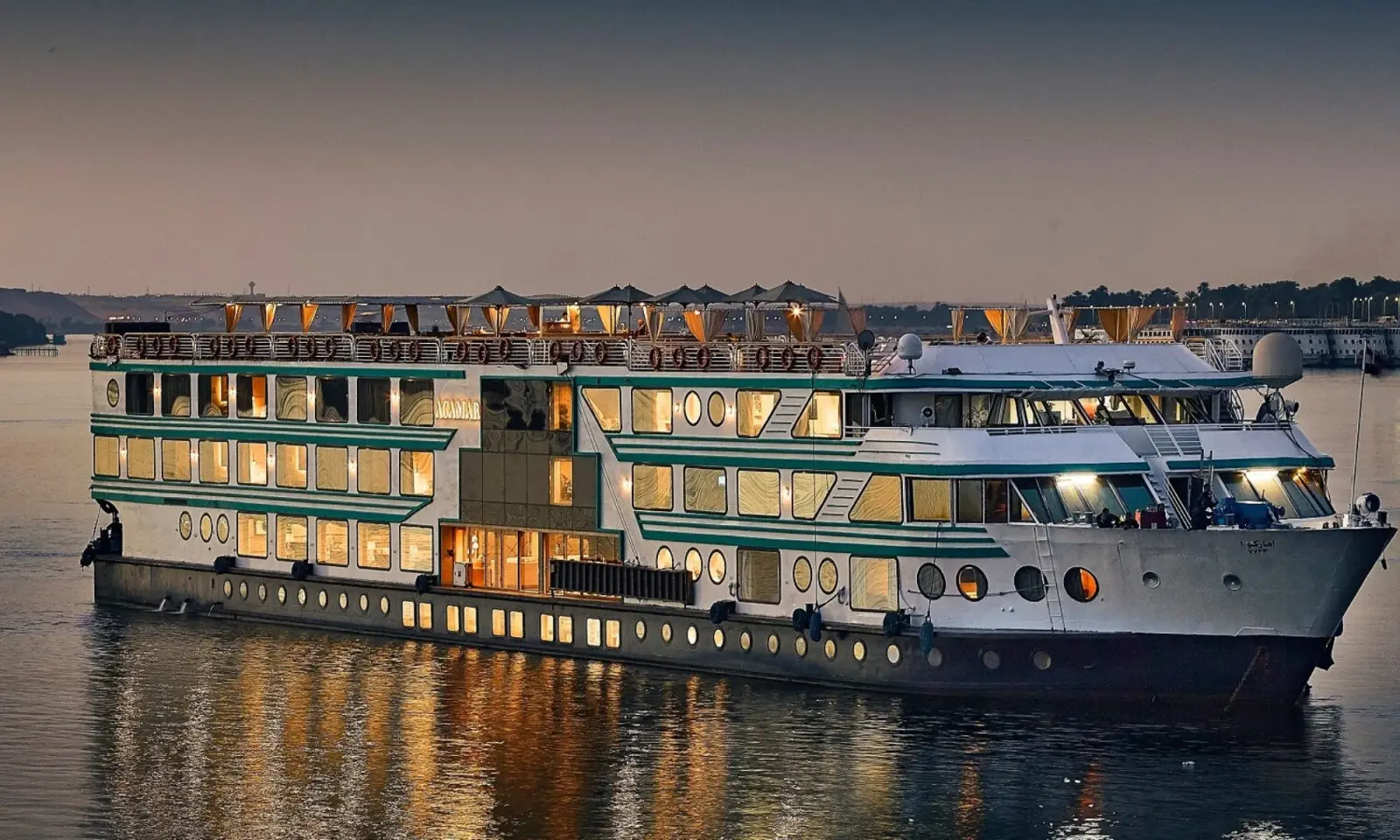
A large cruise ship and a Dahabiya don't compete for the same traveler. One offers more facilities, more structure, and a fixed itinerary shared with several hundred other guests. The other offers intimacy, flexibility, and a closer relationship to the water itself.
Silence, Privacy and Fewer Cabins
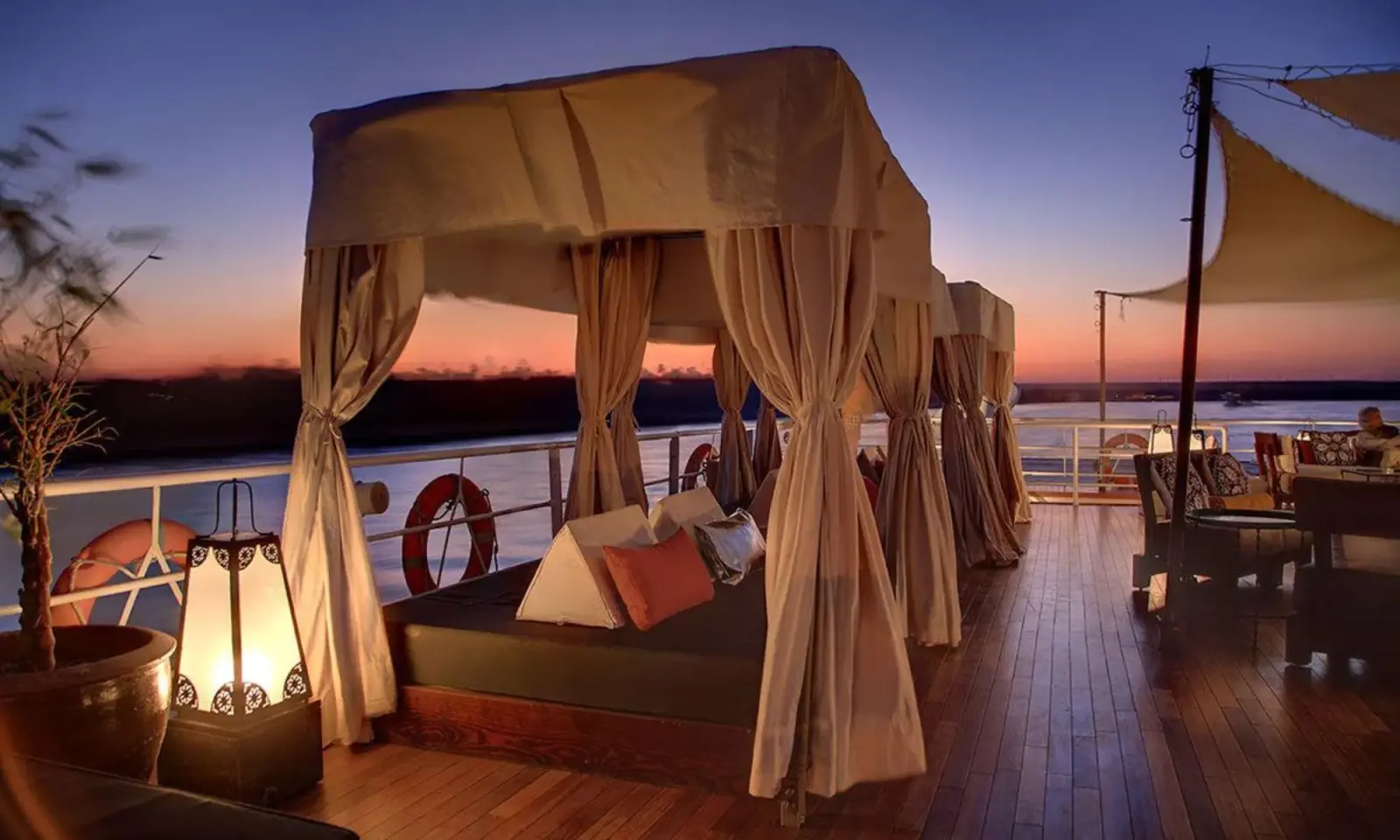
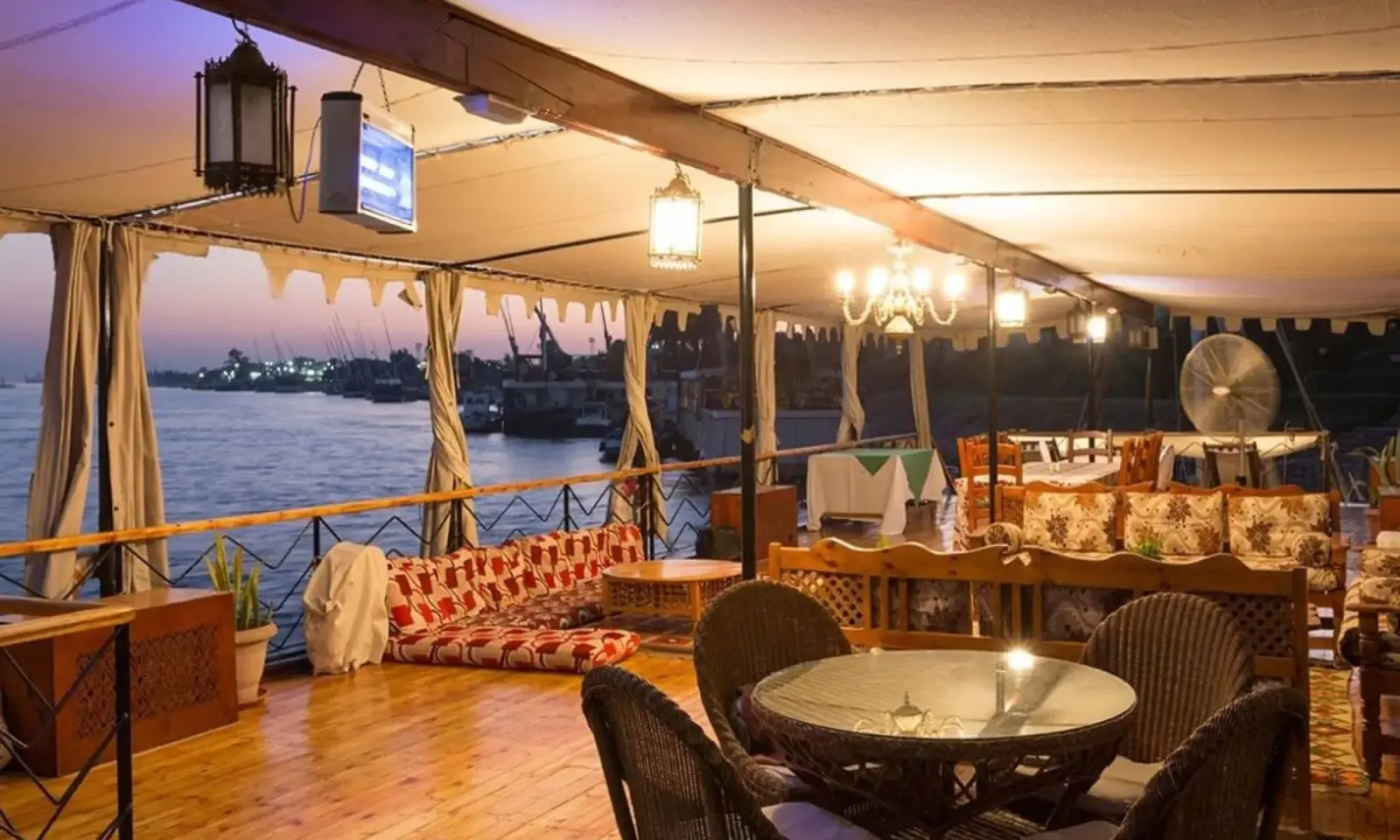
A typical Dahabiya carries somewhere between eight and eighteen guests, not several hundred. Decks stay uncrowded, meals are quieter, and service becomes personal rather than procedural. The luxury here has little to do with marble or oversized facilities; it comes from having far fewer people around you, which suits couples in particular.
Access to Hidden Temples and Nile Islands
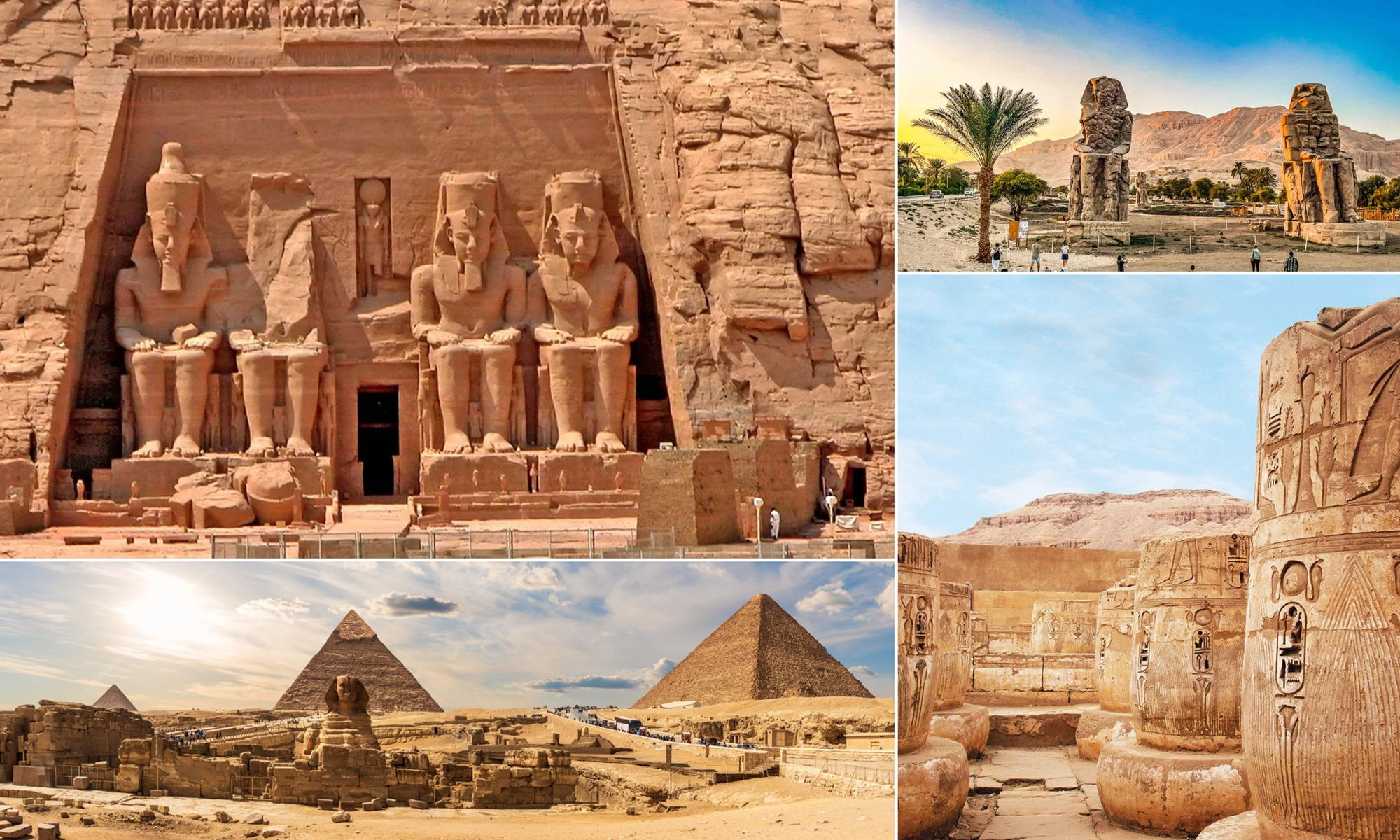
A shallower draft and smaller size let a Dahabiya moor at riverbanks and smaller sites that a large ship's fixed schedule rarely allows. Gebel el-Silsila, with its ancient sandstone quarries, is a frequent example, along with quieter village stops and river islands that vary from one itinerary to the next.
A Journey Designed Around the River
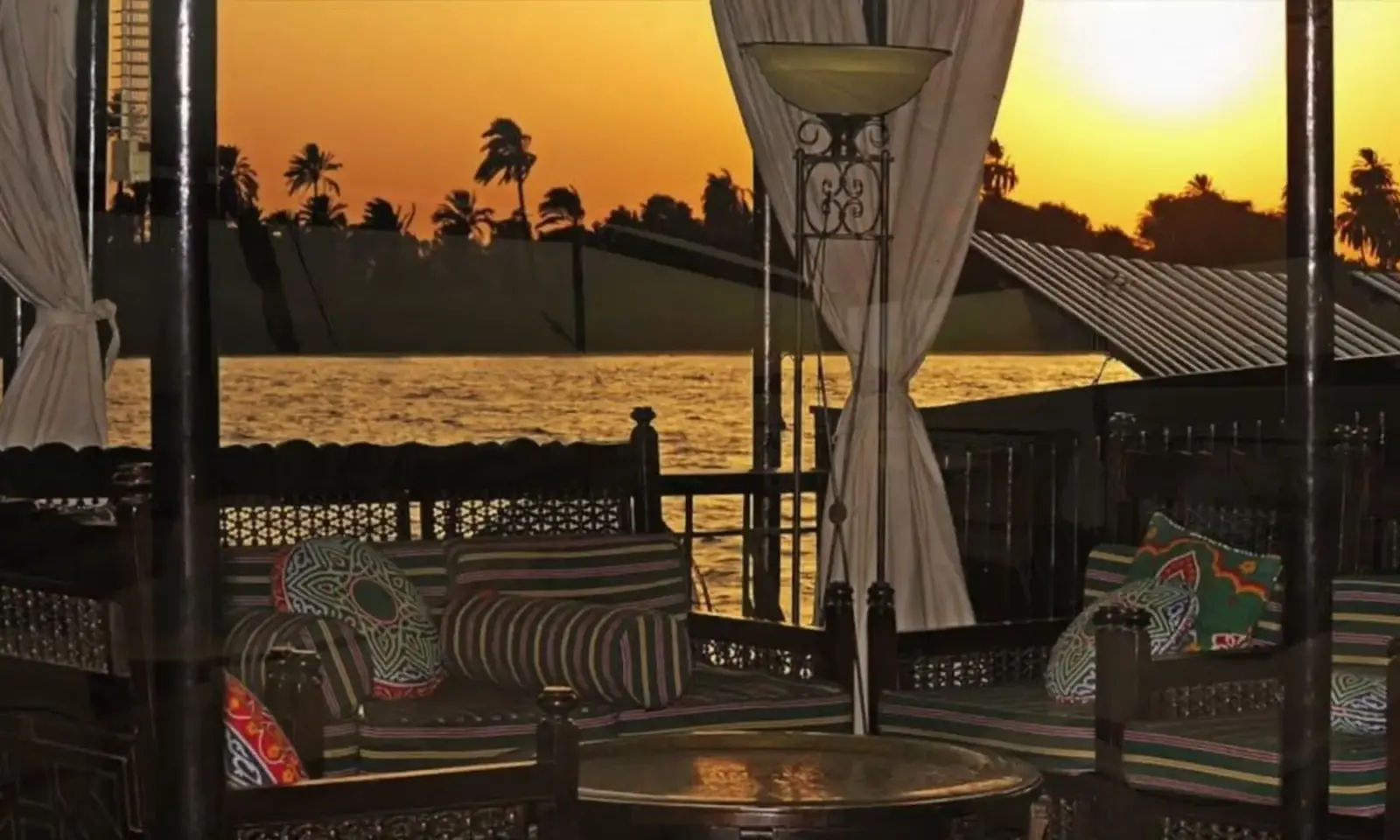
Conventional itineraries tend to organize the river around scheduled sightseeing. A Dahabiya treats the sailing itself as part of the experience: a long lunch on deck while the banks slide past, a sunset anchorage chosen for its stillness, an evening with nowhere else to be.
Once the slower format makes sense, the next question is naturally where the boat actually goes.
The Classic Dahabiya Route Between Luxor and Aswan
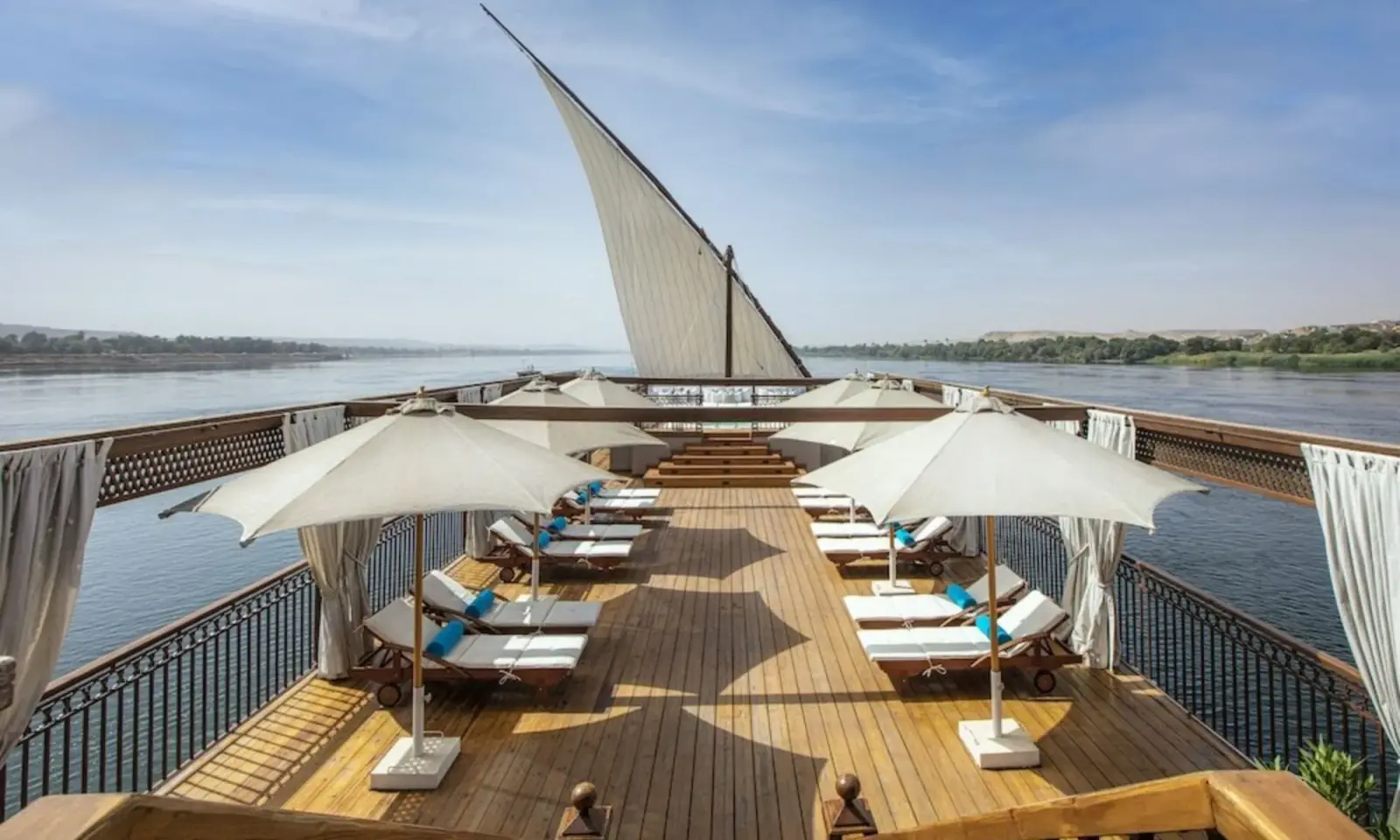
Most Dahabiya itineraries run along the same stretch of river that conventional cruises travel, though the pace and the stops along the way look very different.
Sailing from Luxor Toward Aswan
Heading south, a Dahabiya typically leaves Luxor's monumental temples behind and moves into quieter sections of the river. Esna, Edfu, Kom Ombo, and Gebel el-Silsila commonly appear along the way, with riverside villages in between and Aswan as the final stop, though the exact sequence depends on the boat and the sailing conditions that week. Nile Cruise Holiday's 5-day Dahabiya cruise from Luxor to Aswan follows close to this pattern.
Aswan to Luxor: The Journey in Reverse
Many Dahabiyas sail the route in the opposite direction, and the core experience stays much the same. What changes is the order of the sightseeing and the rhythm of the days, since embarkation and sailing time shift with the direction of travel. A 4-day Dahabiya itinerary from Aswan to Luxor is a dependable example of how that reversed sequence plays out.
Why a Slower Route Changes the Experience
The value of this route was never only about how many temples appear on the schedule. A Dahabiya adds longer stretches of open river, quieter moorings away from other vessels, and time to simply watch rural Egypt pass by unscheduled.
That intimacy is also why a Dahabiya usually costs more per passenger than a conventional Nile cruise. The difference lies less in transportation and more in what the fare actually includes.
Dahabiya Nile Cruise Prices
Rates vary with sailing date, cabin category, the standard of the boat, and itinerary length. Whether a traveler books an individual cabin or charters the entire vessel, so no single flat figure describes the experience accurately.
Season also matters: peak Christmas, New Year, and other high-demand departures can cost noticeably more than standard sailing dates, so comparing the same boat across different weeks can reveal a significant rate difference.
What You Are Actually Paying For
The price reflects a far smaller guest-to-staff ratio, a limited number of cabins, personalized service, chef-prepared meals, and expert guiding, closer in feel to a small boutique hotel than a standard cruise ship.
Cabin Booking vs Private Charter
Couples and solo travelers generally reserve a cabin on a scheduled departure. Families and small groups often find more value, and considerably more flexibility, in chartering the entire Dahabiya rather than sharing it with other guests.
Why the Cheapest Dahabiya Is Not Always the Best Choice
Vessel condition, cabin quality, itinerary, guide quality, crew-to-guest ratio, food, and genuine sailing time all vary between boats at a similar price point. Sorting purely by the lowest fare tends to miss the details that actually shape the week on board.
Once price is understood in context, the more useful question is not which Dahabiya is cheapest, but which boat and itinerary will deliver the experience a traveler actually has in mind.
How to Choose the Best Dahabiya Nile Cruise
A handful of recognizable names, among them the Sonesta Amirat, Merit, Farida, and Amoura, come up often in search results, but a name alone says little about whether a boat suits a particular traveler.
Look Beyond the Boat's Name
Cabin size, deck space, itinerary, guide arrangements, sailing schedule, and service style vary meaningfully between boats that market themselves similarly. These details matter more than the name on the hull.
Match the Dahabiya to Your Travel Style
A couple wanting quiet romance, a family needing flexible arrangements, a small group wanting shared private space, and a traveler focused on archaeology or photography are each better served by a different kind of itinerary, even aboard similar boats.
Ask What Is Included Before You Book
Worth confirming before booking: a private or shared Egyptologist, transfers, meals, drinks, entrance fees, optional excursions, domestic-flight coordination, the embarkation point, Wi-Fi expectations, and whether the boat sails primarily by wind or uses engine assistance when conditions require it.
For travelers who want full control over every one of those details, the most exclusive version of this experience is not choosing a cabin at all. It is taking over the entire boat.
Make the Dahabiya Entirely Yours
Build the Journey Around Your Group
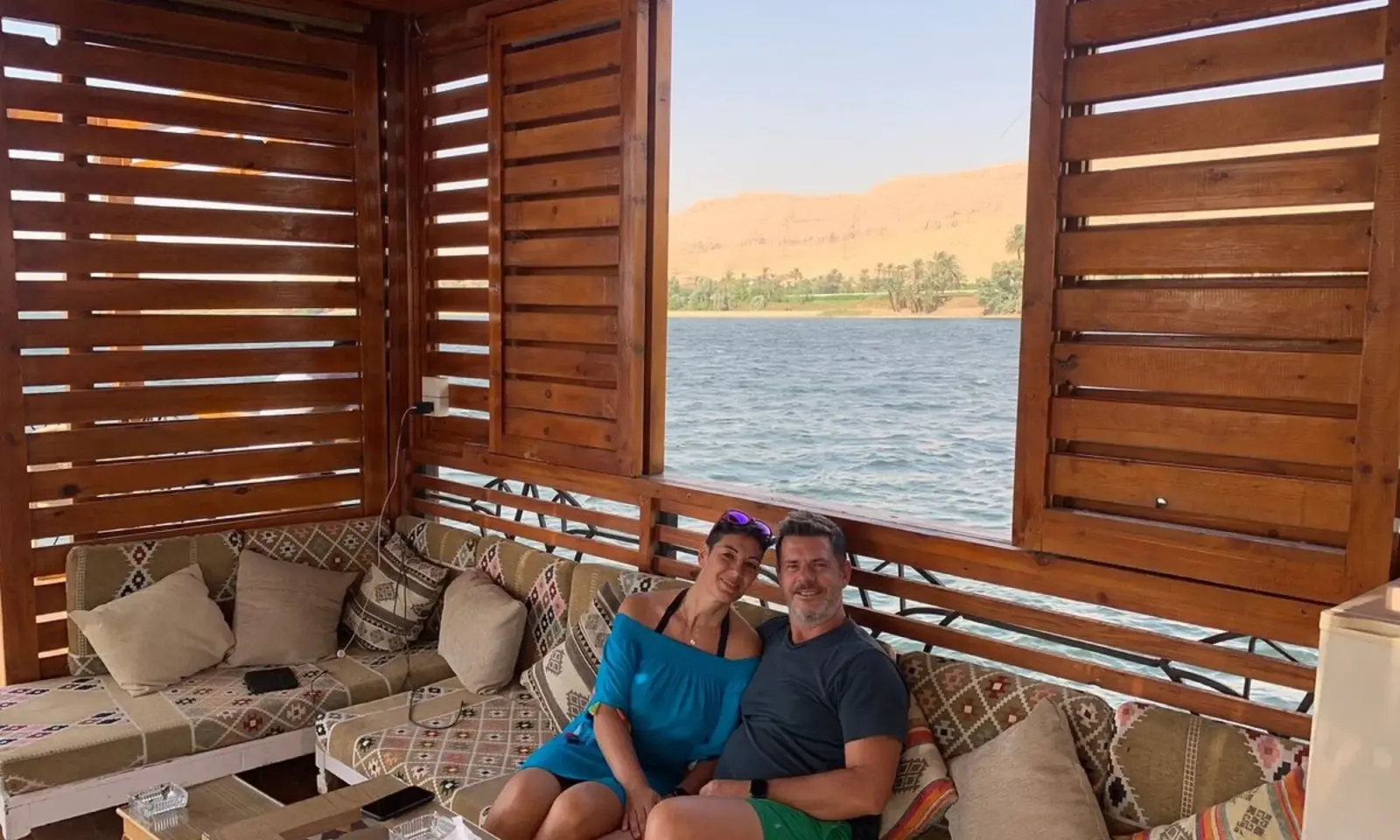
A charter allows real customization around pacing, dietary preferences, private celebrations, and the balance between sailing and sightseeing, within the limits of navigation and each site's own opening hours.
Seamless Logistics with Nile Cruise Holiday
The charter provides the privacy. Nile Cruise Holiday makes the privacy effortless. That means coordinating private transfers from the airport or hotel, embarkation logistics, a dedicated Egyptologist, domestic-flight connections, cabin arrangements, and custom menu requests with the chef, all confirmed with the Dahabiya's crew before guests arrive. Travelers choose the boat, the pace, and the experiences they want; one local operations team connects every detail from arrival in Egypt to the final transfer. A tailor-made Dahabiya charter is built around exactly that level of coordination.
Conclusion
Choosing between a cabin booking and a full charter comes down to how much privacy a journey through Upper Egypt is actually worth to the people taking it. Nile Cruise Holiday's local team can walk through both options, match a boat to the itinerary described above, and handle every detail in between.