Egypt’s markets make souvenir shopping dangerously easy. One minute you're admiring a hand-painted papyrus scene; the next, a shopkeeper is unrolling gold cartouches, alabaster statues, perfume oils, and colorful handmade gifts from every corner of the store. The difficult part is not finding something to buy. It is knowing what is worth taking home, what quality should look like, and when a bargain is actually a bargain.
This guide focuses on the souvenirs travelers genuinely ask for, the simple quality checks that matter before you pay, and the shopping habits that make markets in Cairo, Luxor, and Aswan far more enjoyable. Start with what is worth buying, then learn how to judge it.
The Best Souvenirs to Buy in Egypt
1. Personalized Gold & Silver Cartouches: A Personal Egyptian Keepsake
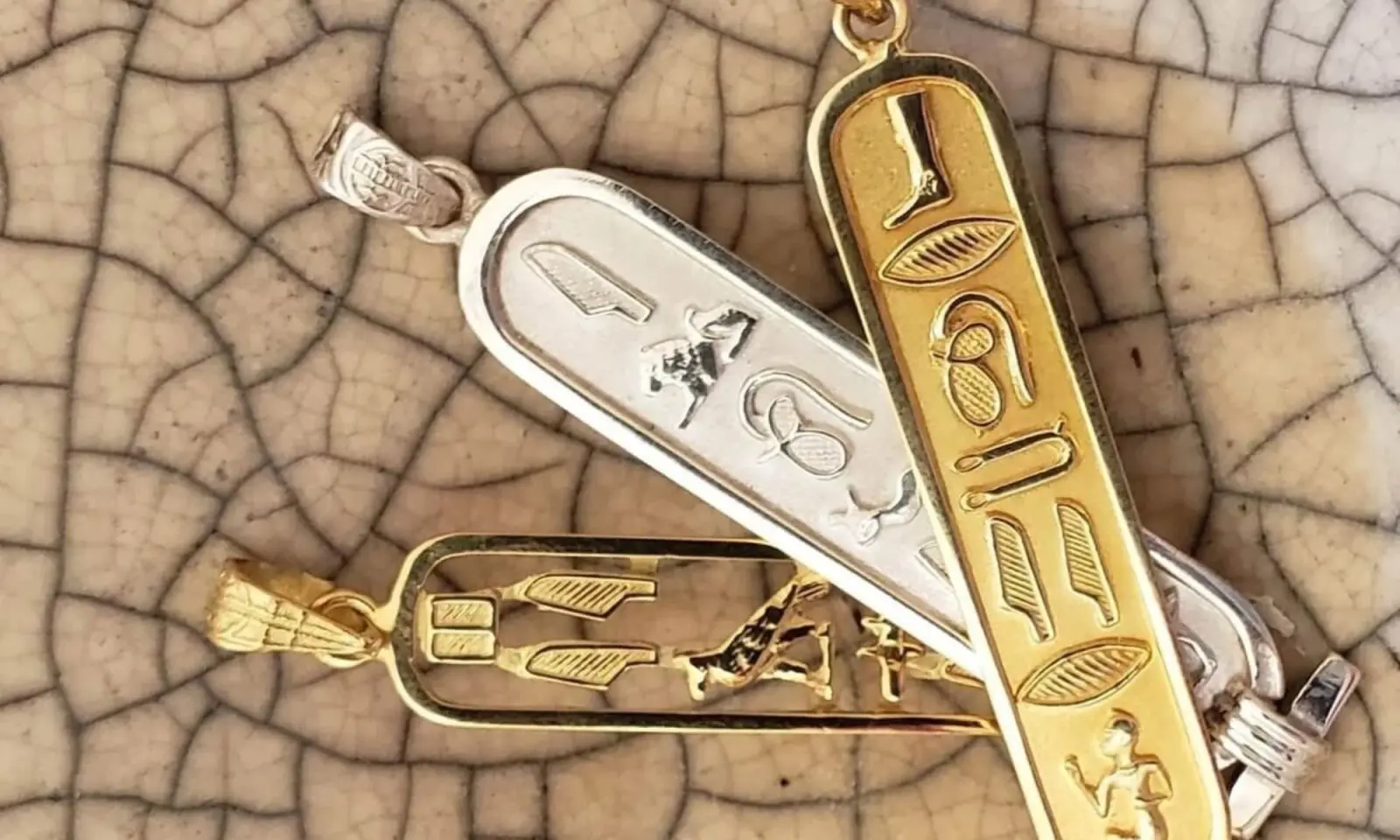
If you want one souvenir that feels personal, look no further than a cartouche pendant with your name spelled out in hieroglyphic-style characters inside the oval shield ancient Egyptians once reserved for royalty. It's consistently one of the top answers when travelers ask what jewelry to buy in Egypt, and jewelers in Cairo, Luxor, and Aswan can turn one around while you continue your day. Keep in mind the spelling is a phonetic rendering of your name, not a certified ancient translation, a lovely keepsake, not a hieroglyphics degree. If you're deciding what to buy in Egypt gold-wise, ask before you commit to engraving: What's the karat or fineness? Is there a hallmark? What's the labor cost versus the metal weight? Silver versions cost less and travel just as well.
2. Papyrus Art: How to Spot the Real Thing
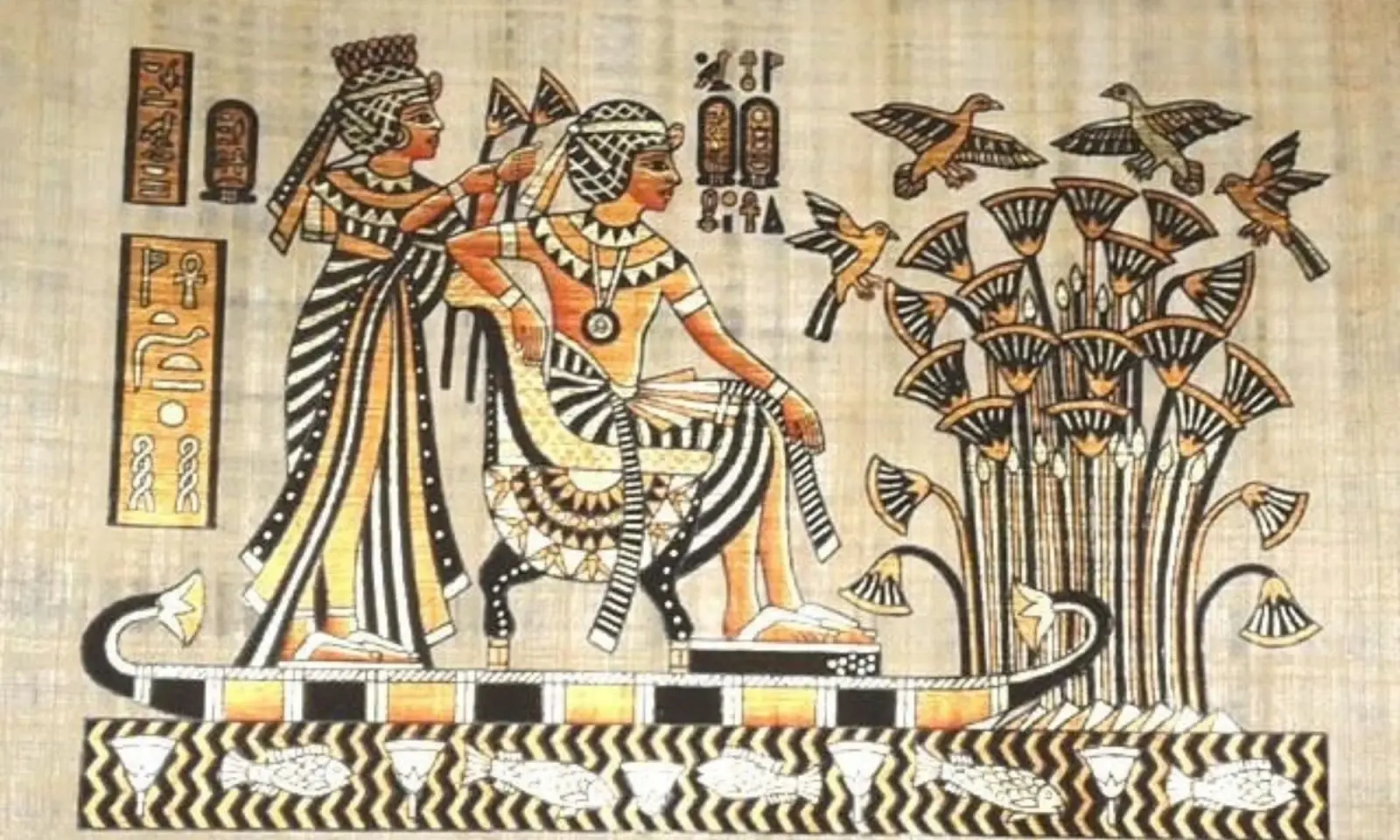
Papyrus rolls flat, weighs nothing, and captures Egyptian art better than almost any other souvenir, which is exactly why the market is flooded with imitations made from banana leaf or other plant fiber pressed to look similar. Real papyrus shows visible cross-layered fibers when you hold it to the light, has some flex without feeling like plastic, and carries a slightly textured, uneven surface rather than a flawless print finish. There's no single foolproof test, and you should never bend or tear a piece just to prove a point. Buying from an established papyrus workshop or a fixed-price seller makes verification far easier.
Remember: what you're buying is real modern papyrus, not an ancient artifact.
3. Hand-Carved Alabaster: What Genuine Stone Looks Like
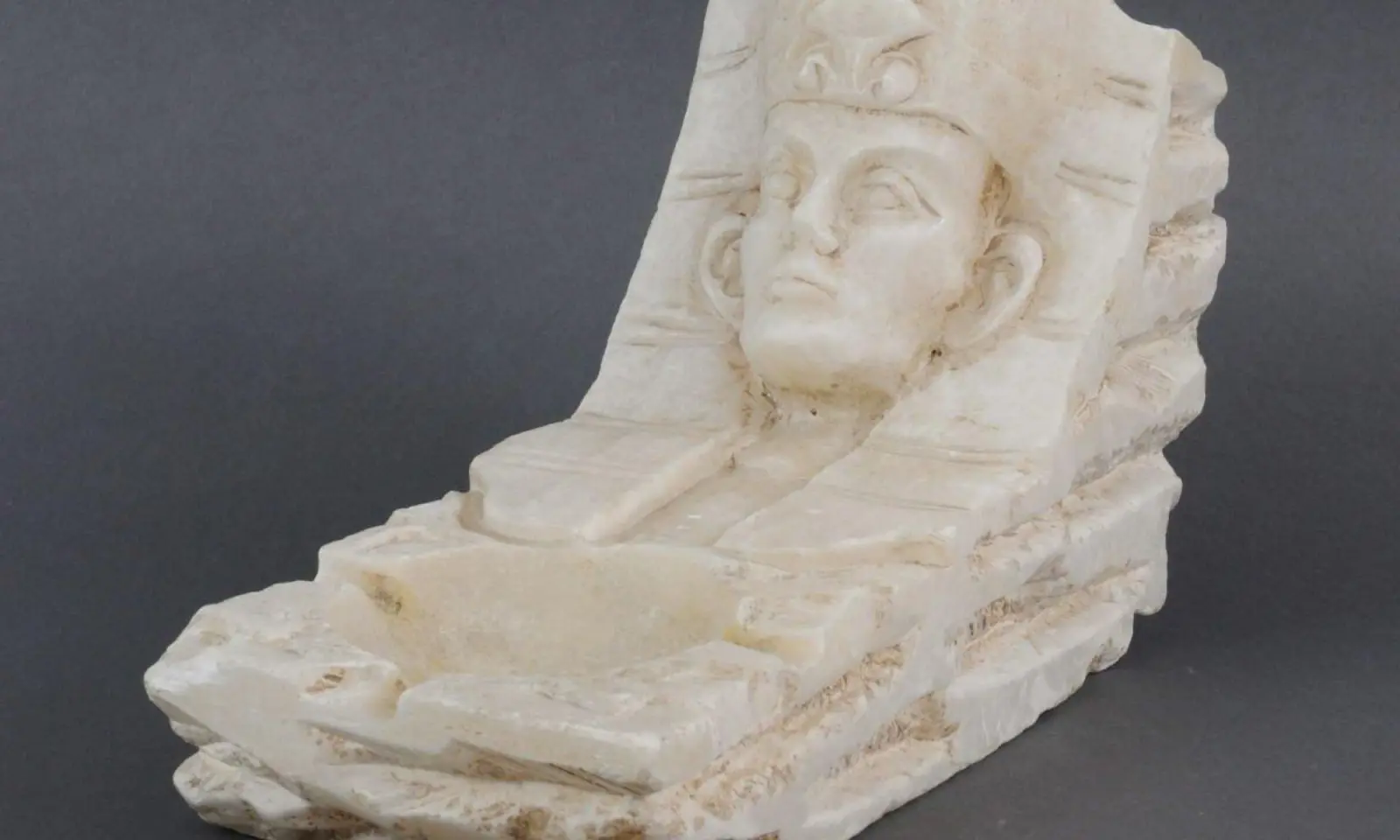
Genuine carved alabaster shows natural translucency and veining when held to the light, and it has real heft; pick it up before you buy. Cheaper molded resin or plaster pieces tend to look suspiciously flawless and identical to their neighbors on the shelf, and they're noticeably lighter than real stone. Not every affordable white figurine is fake; it may just be a different, less expensive material. Luxor's stone workshops are the best place to watch the carving process firsthand.
4. Spices, Perfume Oils & Incense: Easy Gifts With Local Character
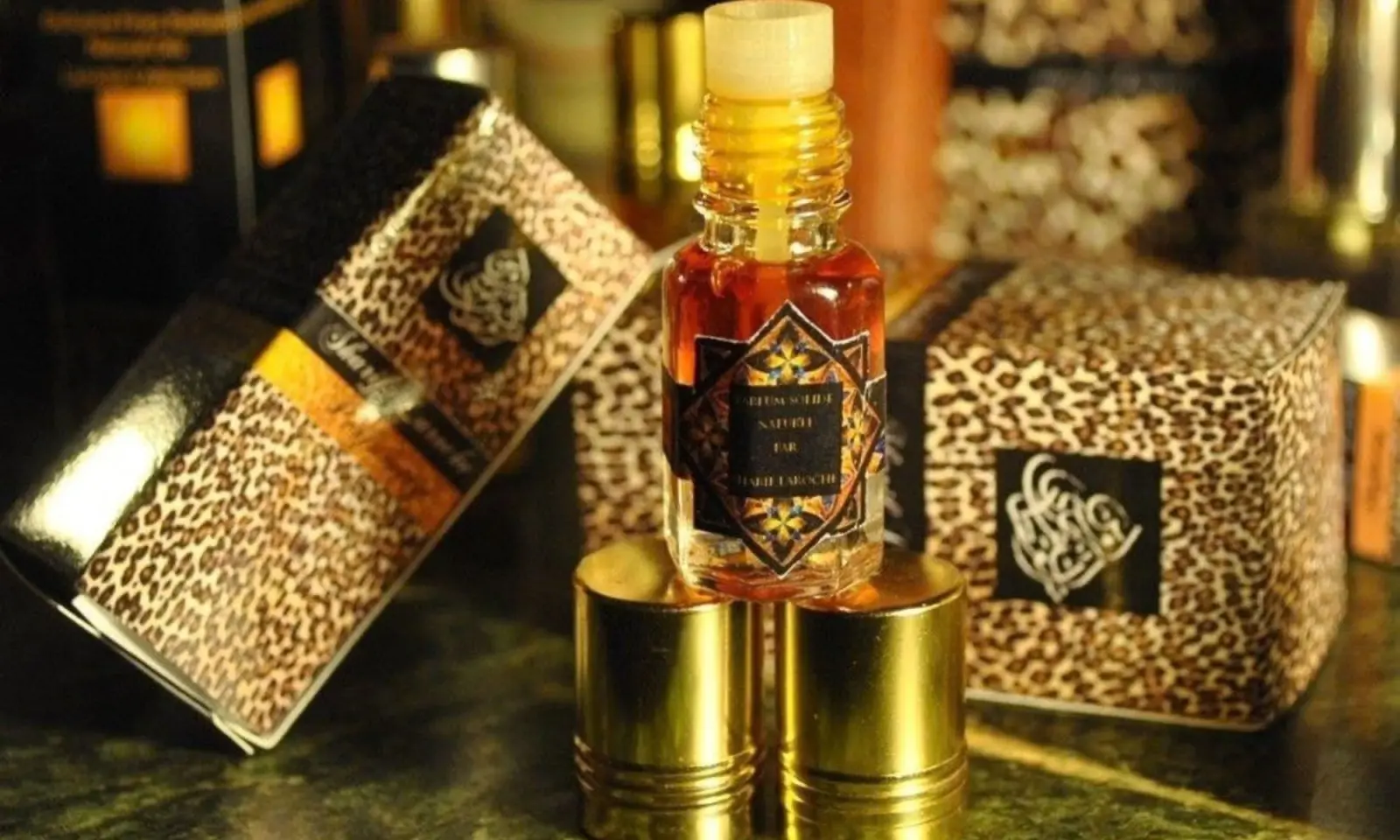
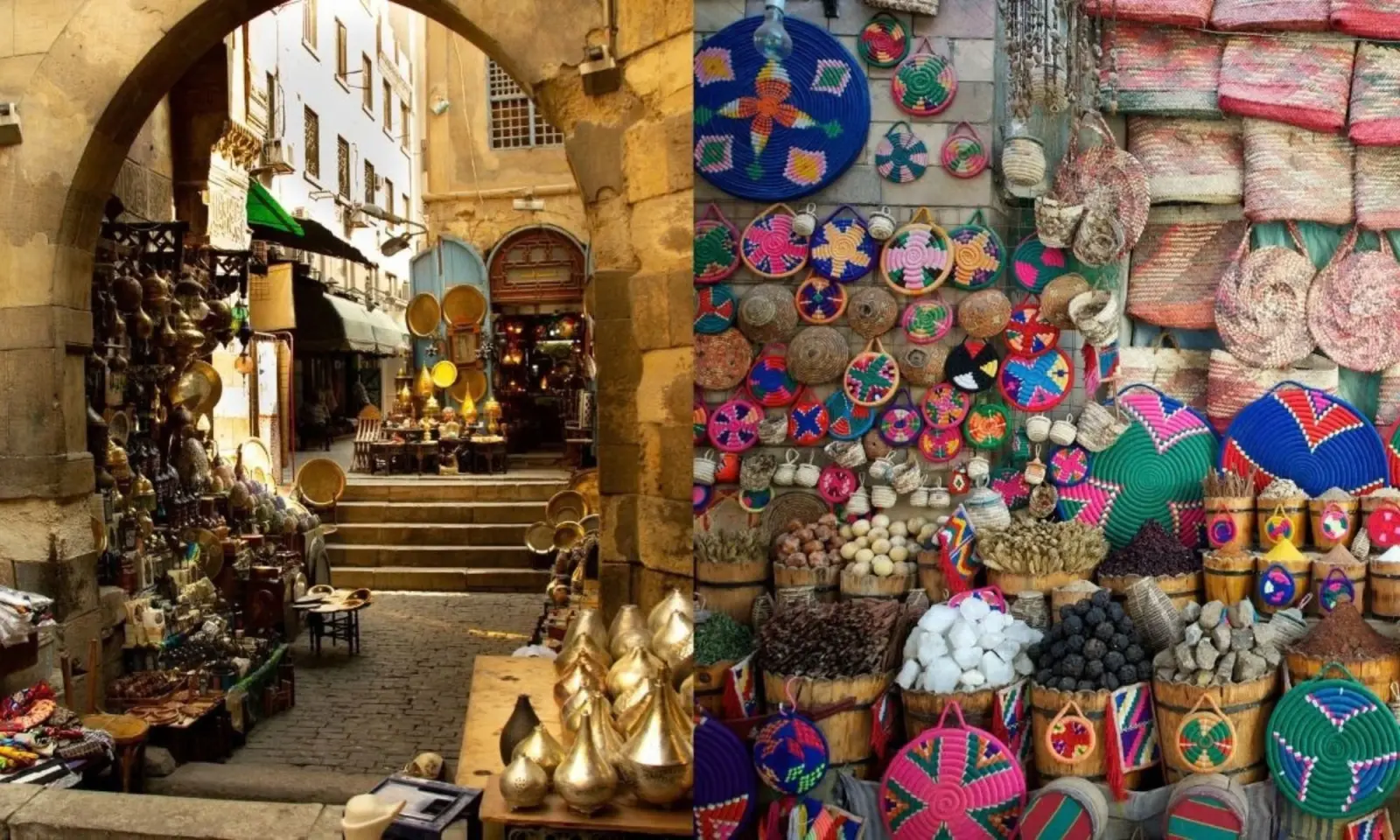
For gifts that don't require an authenticity check, Egypt's markets are full of hibiscus (karkade), cumin, coriander, and pre-mixed spice blends, alongside aromatic oils, incense, and hand-blown perfume bottles. Aswan's market is particularly memorable for spices; the color and scent alone are worth the walk, while Cairo's bazaars offer the widest perfume and spice selection overall. Check that jars and bags are sealed, and look up your home country's customs rules on seeds or plant material.
How to Shop in Egypt Without Overpaying or Buying Fakes
Start With Value: Know What You Are Paying For
Instead of guessing, break the price into its real components. For gold, value comes from the current market price per gram for that karat, plus a separate workmanship or labor fee for the design. Ask the seller to break those two numbers apart. For papyrus, price should track the size of the sheet and the complexity of the hand-painted scene, not just the subject matter. For alabaster, you're paying for the type of stone and how much genuine hand-carving went into the piece; a simple bowl costs far less than an intricately carved vase. That turns "is this a fair price?" into a quick calculation instead of a guess.
Compare Before You Bargain
Don't commit to the first item you see, no matter how good it looks under bazaar lighting. Walk through a few stores, compare similar pieces for material and workmanship, and get a rough sense of the going rate before you negotiate seriously. Skip any rule that promises a fixed formula, like always paying half the opening price; starting prices vary too widely from shop to shop and city to city for one number to work everywhere.
Ask What It Is Made From Before Asking the Price
Before you ask how much, ask what it is. Is the jewelry sterling silver or plated? What karat is the gold? Is this genuine plant papyrus? Is the alabaster carved stone or a molded material? These questions tell the seller you know what you're looking at, and for anything expensive, ask for a receipt that names the material.
Bargain Politely and Know When to Walk Away
Bargaining is part of the culture in traditional markets like Khan el-Khalili and most independent souvenir shops; it isn't expected at malls or fixed-price retailers, so read the room first. Decide privately what an item is worth to you, counter with a friendly tone, and be genuinely willing to leave if the price doesn't land there. Walking away is not rude, and you don't need to argue hard to make your point. Egyptian pounds are the safer default for bazaar and small-shop purchases; some tourist-facing sellers will accept or quote US dollars or euros, but that convenience usually comes with a weaker exchange rate baked in.
Before You Pay: A 5-Point Checklist
- Material confirmed?
- Final price agreed?
- Currency confirmed (EGP)?
- Custom spelling or engraving checked?
- Receipt requested for higher-value items?
Where to Shop for Souvenirs in Egypt
Cairo: Khan el-Khalili and Specialist Workshops
Khan el-Khalili is one of Cairo's classic places to browse, but higher-value purchases are easier to judge when you also have access to established workshops and specialist sellers. On Nile Cruise Holiday itineraries, shopping time can be included without turning the day into a forced retail stop. A guide can explain the difference between a mass-produced pendant and a piece made by a working goldsmith, while the decision to browse, buy, or walk away remains entirely yours. Our guides do not receive commissions from vendors.
Luxor & Aswan: Local Crafts Along the Nile
A Nile cruise naturally introduces several regional stops and craft traditions rather than concentrating all your shopping in one Cairo store. Luxor is closely associated with stone-carving workshops and alabaster, while Aswan is memorable for spice markets, Nubian handicrafts, and colorful souks. Seeing where a craft comes from and sometimes the person making it gives the purchase more context than a souvenir label ever could.
Explore Our Nile River Cruises
How a Local Egyptologist Can Help You Shop With Confidence
No guide can guarantee that every open-market item is authentic or that every first price is fair. What local guidance can provide is context: which sellers have established reputations, what materials you are looking at, and how bargaining etiquette works in that setting. You still make the purchasing decision; the goal is to make it with better information.
Plan My Tailor-Made Egypt Journey