Cairo overwhelms with scale. Luxor overwhelms with archaeology. Aswan works differently. The Nile widens here, granite islands interrupt the water, feluccas move quietly between the banks, and the pace slows enough for travelers to experience southern Egypt rather than simply move through it. Is Aswan worth visiting? Yes, especially for travelers who want a quieter counterpoint to the crowds further north.
Things to do in Aswan build on each other rather than sitting on a long attraction list: the river first, then the temples the river made possible, then the Nubian culture that still shapes the region, and finally the decision about where the journey continues. The best way to understand Aswan is to begin with the Nile itself.
Experience Aswan from the Nile First
Long before Aswan's temples enter the conversation, the river already explains what makes this city distinct. The Nile narrows and widens around a cluster of granite islands here, and the First Cataract that once slowed river traffic to a crawl turned Aswan into Egypt's southern gateway for thousands of years. Seeing the city from the water first gives that geography a physical shape before any temple adds another layer of history.
Private Felucca Rides and Elephantine Island
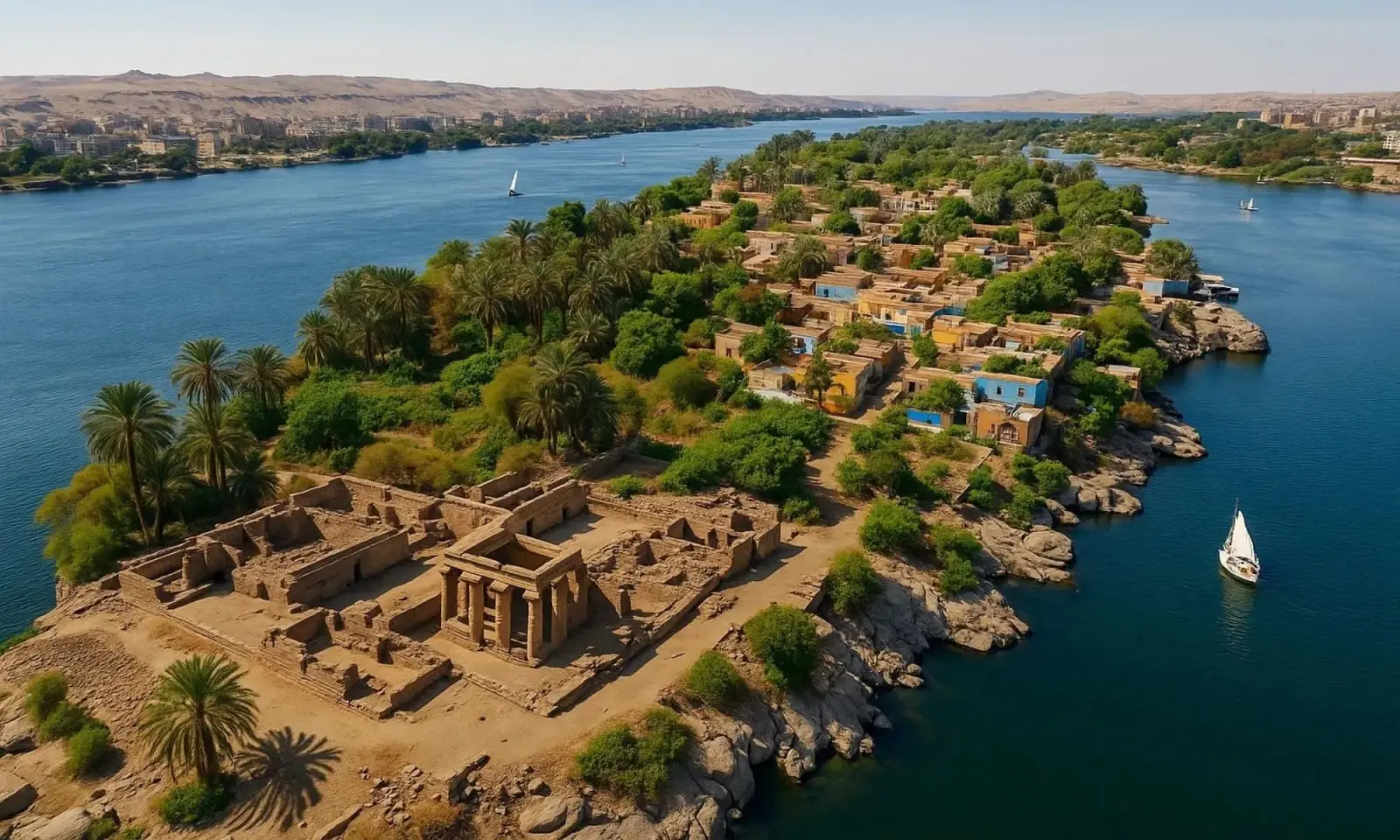
A privately arranged felucca does more for a first afternoon in Aswan than almost any other activity. Unlike a shared, motorized circuit on a fixed schedule, a private sail sets its own pace: a wider loop if the wind cooperates, a shorter one if it doesn't. Late afternoon works especially well, when the light turns the granite islands gold and the river traffic thins. For couples and older travelers, sailing rather than rushing between stops tends to be the version of Aswan they remember longest.
Elephantine Island sits at the center of that same river landscape, close enough that most felucca routes pass its shoreline naturally. Depending on the itinerary, a stop ashore can add a walk through a Nubian village on the island or a look at the ancient ruins of Yebu.
Once the Nile has explained Aswan's geography, the city's great temples make much more sense. Many of them are inseparable from the water that surrounds them.
Discover Aswan's Temples from Philae to Abu Simbel
The shift from river to temples changes the focus more than the pace. Philae keeps the intimacy of the felucca tour, reached by boat rather than a coach park, while Abu Simbel expands the story south into scale and desert distance.
Philae Temple Is an Island Sanctuary Reached by Boat
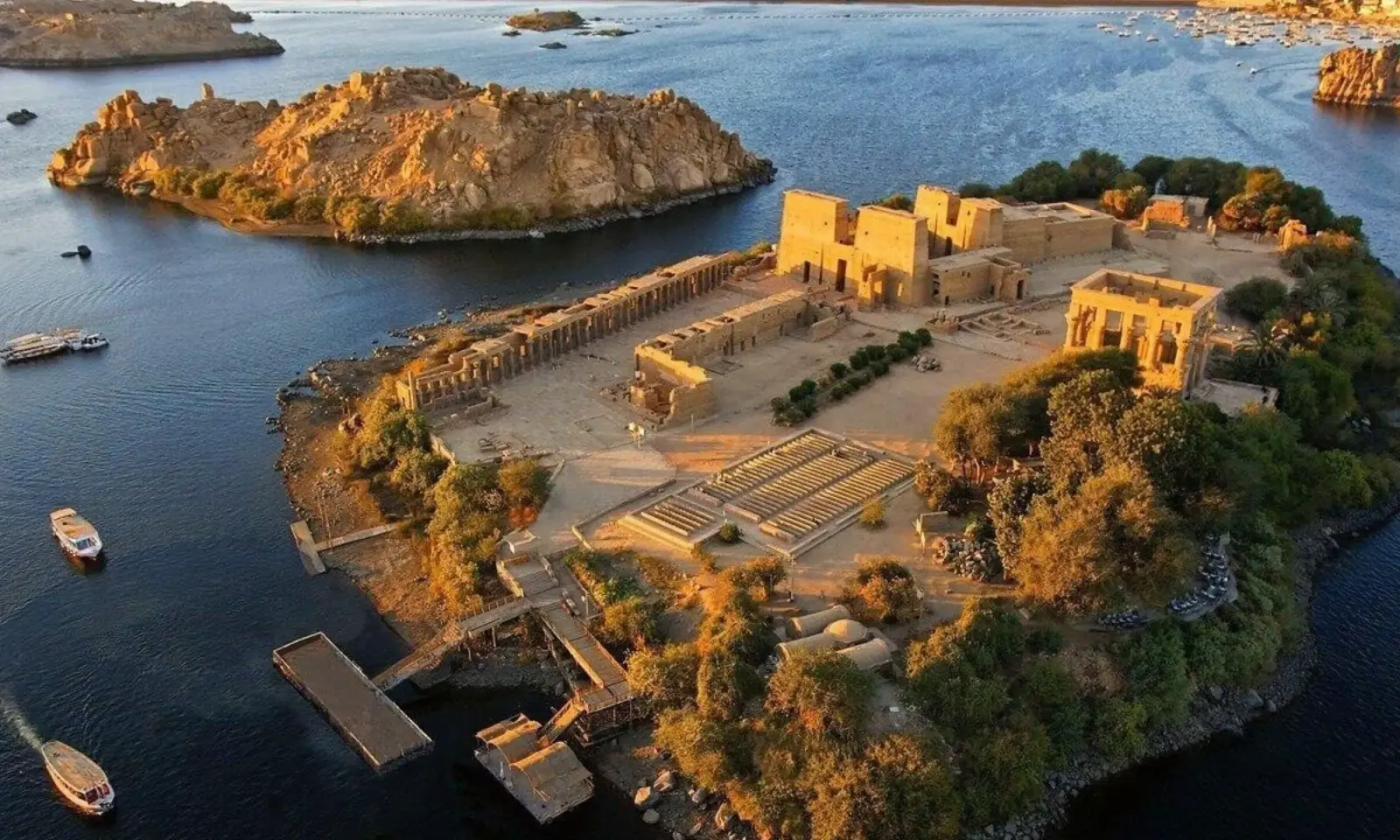
Philae earns its place in the itinerary because of how it's reached as much as what it contains. The temple sits on Agilkia Island, rebuilt there after UNESCO relocated it stone by stone to save it from the rising waters of the Aswan High Dam, and it's still only accessible by boat from the Philae Marina. A private transfer to the landing and a privately arranged motorboat, where available, let a guide control the pacing instead of following a fixed group timetable, and where the schedule allows, an earlier or later crossing tends to make the light noticeably better.
The temple was Egypt's last major cult center dedicated to Isis, and its Ptolemaic and Roman-era halls carry some of the country's most detailed relief work into the early Christian period. That layered history, combined with the boat crossing itself, is what earns Philae real time in the itinerary rather than a rushed hour between other stops.
The Journey from Aswan to Abu Simbel
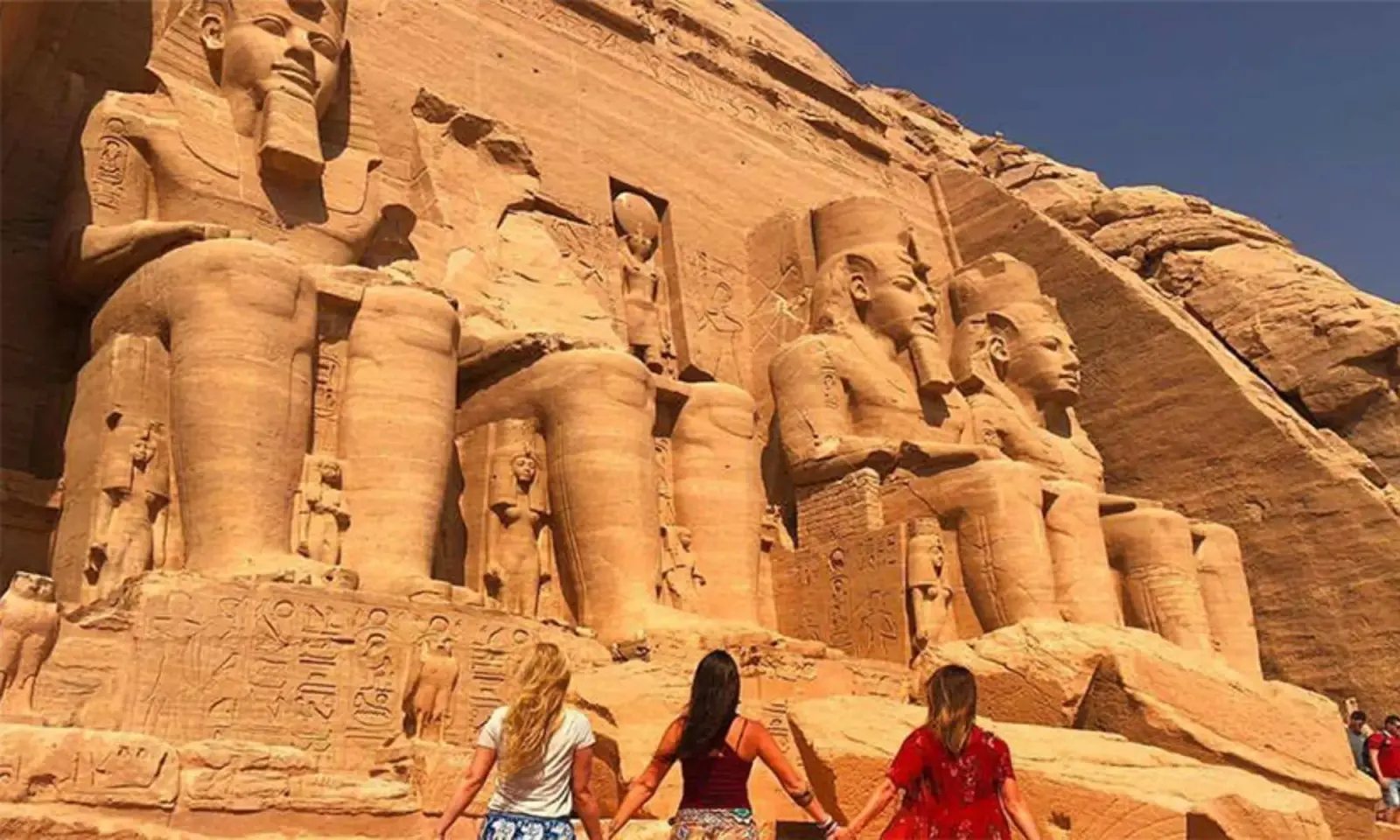
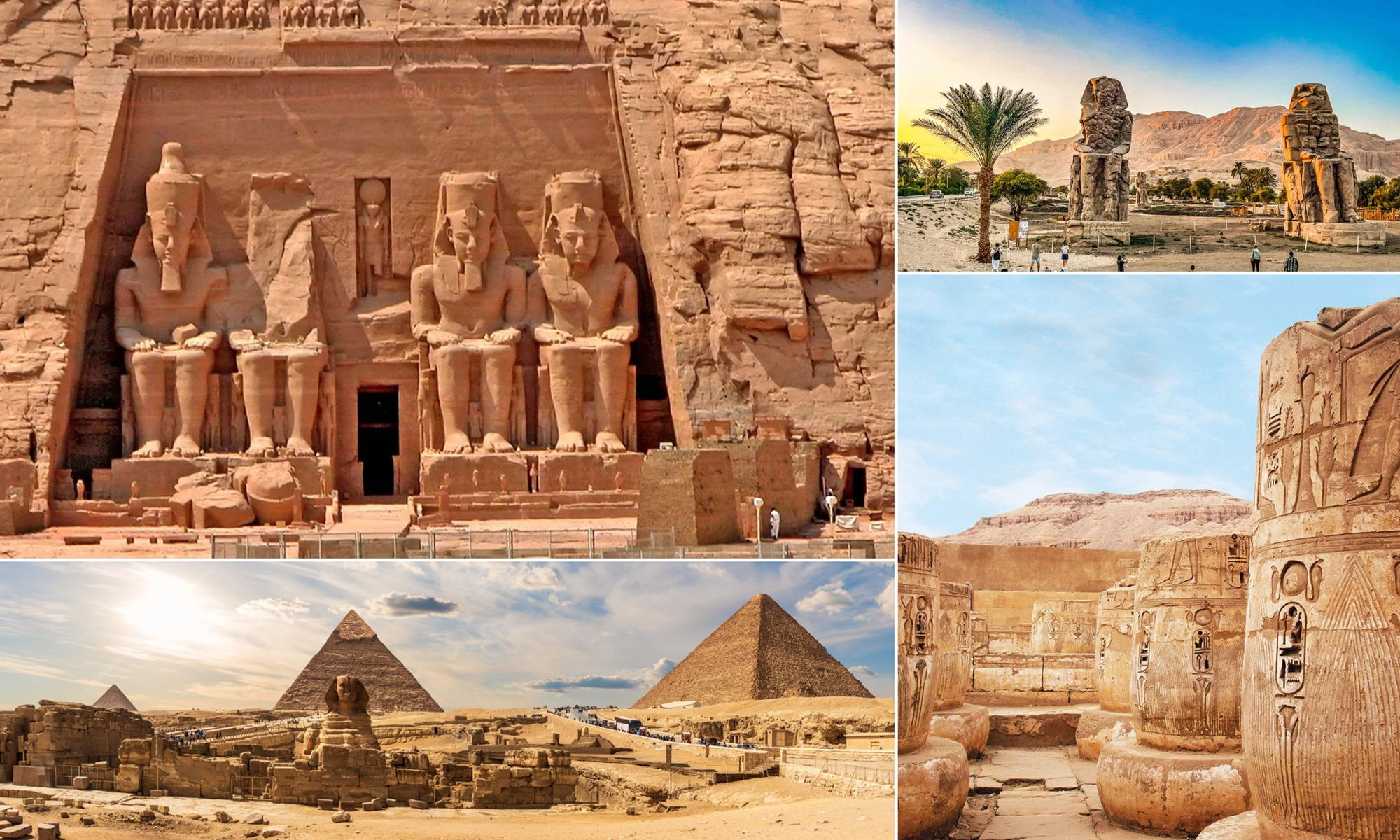
Abu Simbel is the natural expansion of Aswan's story, not a random add-on. The temples Ramesses II commissioned sit roughly 280 kilometers south of the city, close to the Sudanese border, reached by a dedicated road journey or, where flight schedules allow, a short flight.
That distance creates a genuine choice. A same-day excursion suits travelers with limited time, or for whom Abu Simbel is the trip's primary goal. Travelers with more time, or a pull toward quieter archaeology, might instead treat Abu Simbel as the culmination of a Lake Nasser journey that also takes in the rescued Nubian temples along the lake. That option uses a separate Lake Nasser vessel rather than the classic Nile fleet, and the two routes don't connect directly through the High Dam.
Aswan is not only a gateway to ancient Nubia. Its Nubian identity remains part of contemporary life, which makes the next experience cultural rather than archaeological.
Experience Nubian Heritage with Respect, Not as a Tourist Show
The temptation with a Nubian village visit is to treat it as one more stop to collect. It works far better as the opposite: a chance to slow down and pay attention to a living community rather than move through it.
Visit a Nubian Village Beyond the Souvenir Stops

Nubian villages around Aswan are inhabited communities, not attractions built for visitors, and that distinction should shape how the visit is arranged. A privately guided visit that prioritizes conversation and local context, rather than a quick loop through souvenir stalls, leaves a much stronger impression. Where a family genuinely welcomes guests into their home, architecture, food, or hospitality can become part of it; where that access isn't arranged, a respectful walk with an informed guide still beats a staged photo stop.
It's worth resisting the instinct to describe Nubian life as timeless or unchanged. Nubian communities have their own language and evolving traditions, and daily life here keeps changing, much as it does anywhere. An hour with an informed local host usually delivers more than a rushed program stacked with camel rides and staged entertainment. Quality of access matters more than quantity of activities.
After seeing Aswan from the river, its temples, and its Nubian communities, the next decision is no longer what to see. It's where to go next.
Continue the Journey from Aswan by Nile Cruise or Lake Nasser
Aswan sits at a genuine decision point between two journeys: north toward Luxor along the classic Nile, or south toward Abu Simbel across Lake Nasser. Both build on everything the city has already shown a traveler.
Board a Nile Cruise from Aswan to Luxor
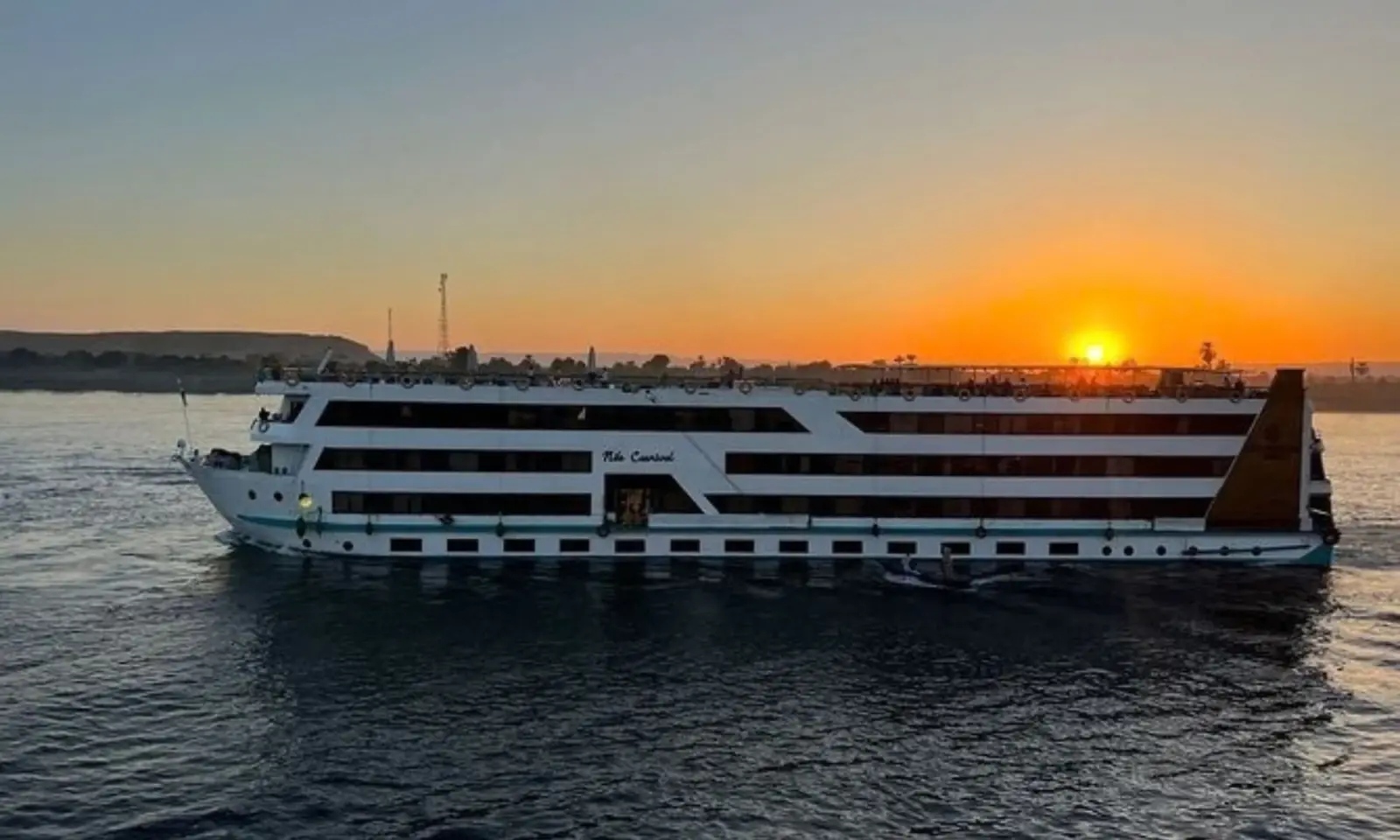
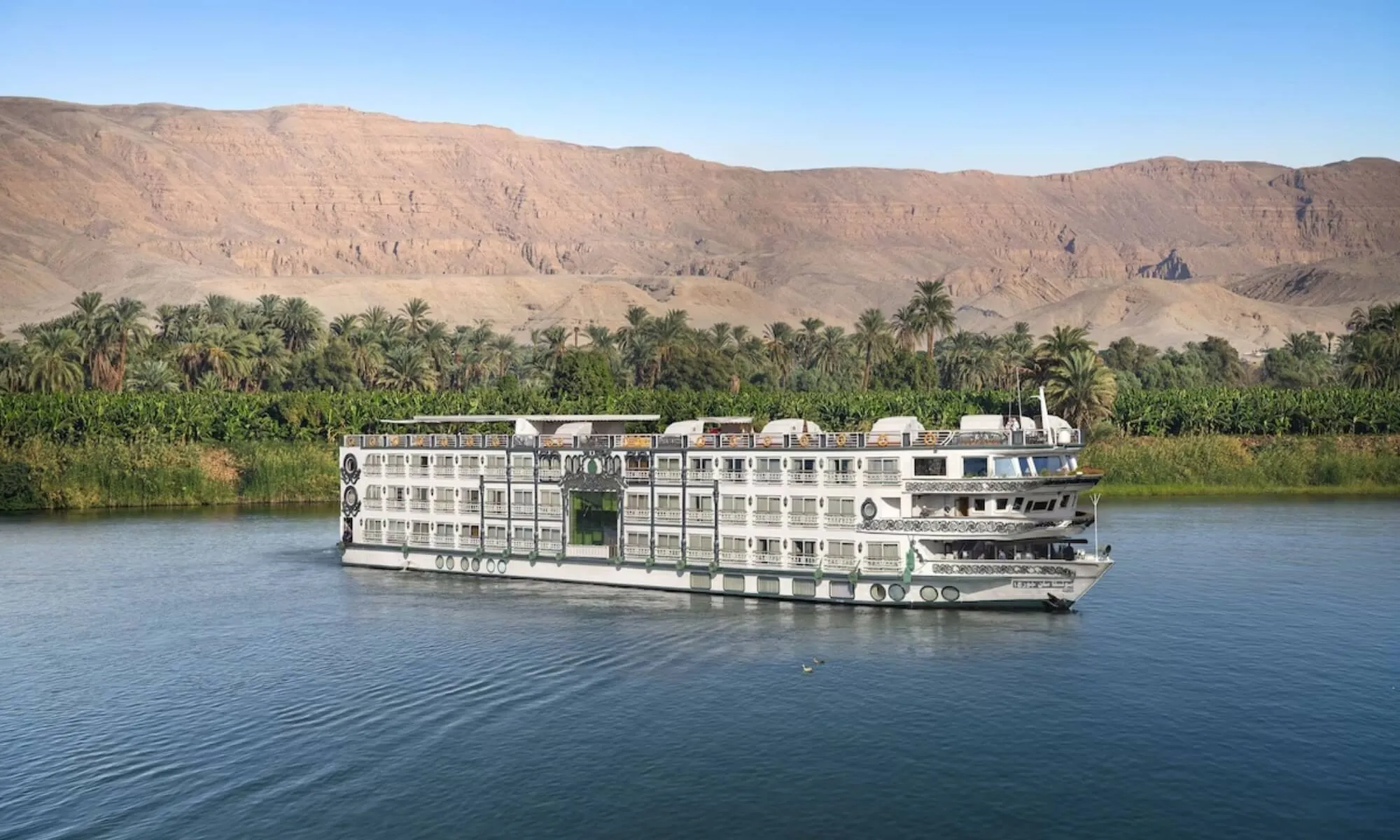
For travelers who have already spent a day or two in Aswan, continuing by ship rather than returning to Cairo or arranging a separate road transfer tends to be the more logical step. The classic route runs Aswan to Kom Ombo to Edfu to Luxor, with guided sightseeing built into each stop. Nile Cruise Holiday's Aswan departures coordinate that transition as one plan: a hotel-to-vessel transfer timed around the ship's own boarding schedule, an Egyptologist guide at each temple, and luggage that stays with the cabin rather than requiring repeated hotel changes. Inclusions vary by ship and itinerary, so it's worth confirming what a given booking covers.
For a traveler already in Aswan, cruising north turns the transfer to Luxor into part of the experience rather than another travel day. The 4-day Aswan to Luxor cruise itinerary lays out how that route unfolds day by day, and arrival in Luxor comes with West Bank and East Bank sightseeing still ahead rather than fresh logistics to sort out first.
Choose Lake Nasser for a Quieter Journey Toward Abu Simbel
Lake Nasser suits a different kind of traveler: repeat visitors, archaeology enthusiasts, and anyone prioritizing stillness over headline sightseeing. This route uses a dedicated vessel departing near the High Dam, threading between rescued Nubian monuments before reaching Abu Simbel, and the pace of a Lake Nasser cruise reflects that: fewer stops, more open water, far fewer other travelers. Neither route is objectively better. The classic Nile cruise suits first-time travelers who want Upper Egypt's essential monuments in sequence, while Lake Nasser rewards travelers who already have Luxor and Karnak behind them, or who want more room to think between temples. Aswan works beautifully as a destination in its own right, but it becomes even more useful once treated as the point where travelers decide which version of southern Egypt they want to see next.
Aswan rarely disappoints travelers who give it room to unfold at its own pace, from a quiet sail past Elephantine Island to the walk across Agilkia Island toward Philae's columns. For those ready to decide what comes next, Nile Cruise Holiday's Aswan cruise departures turn that decision into a straightforward one, whether the next stop is Luxor by classic Nile cruise or Abu Simbel by way of Lake Nasser.