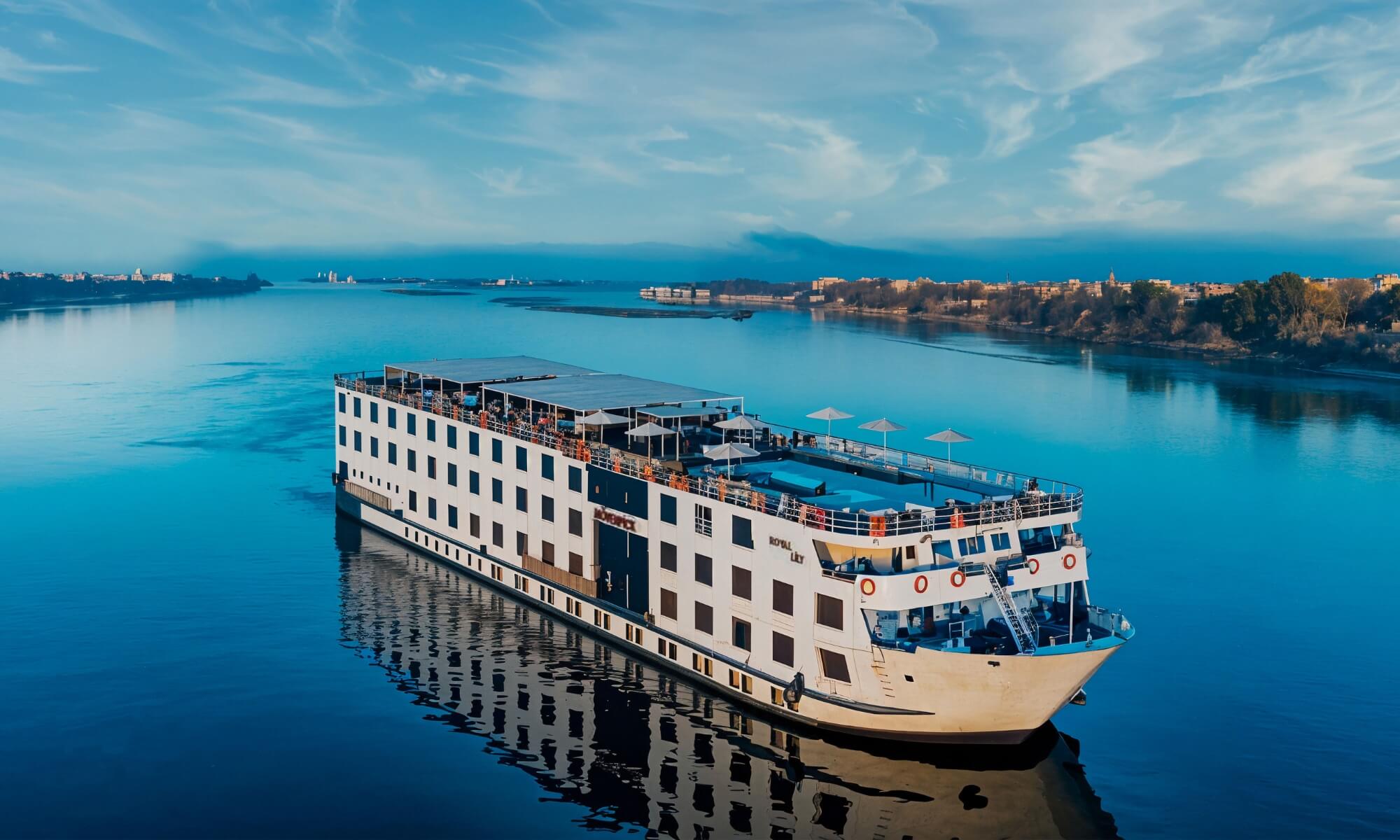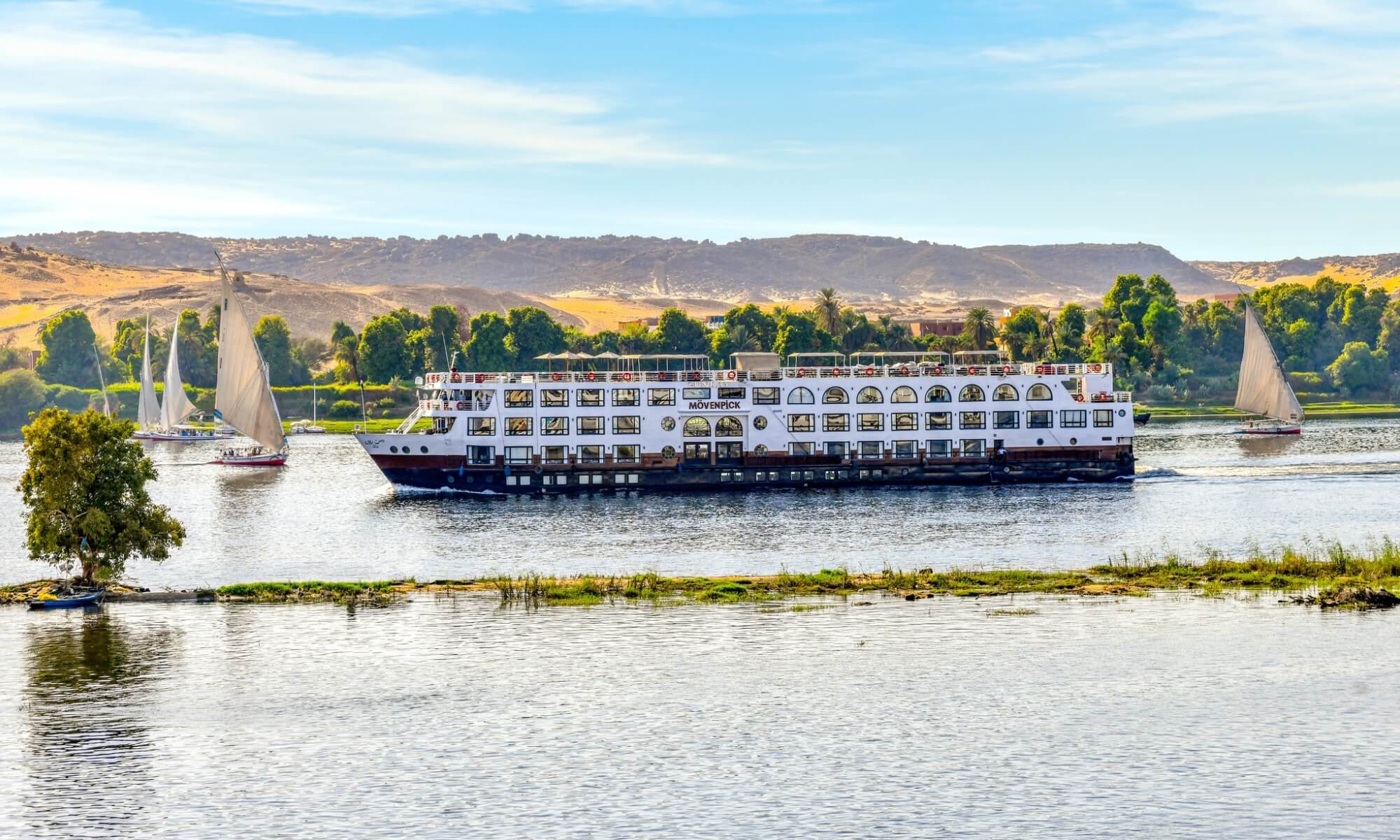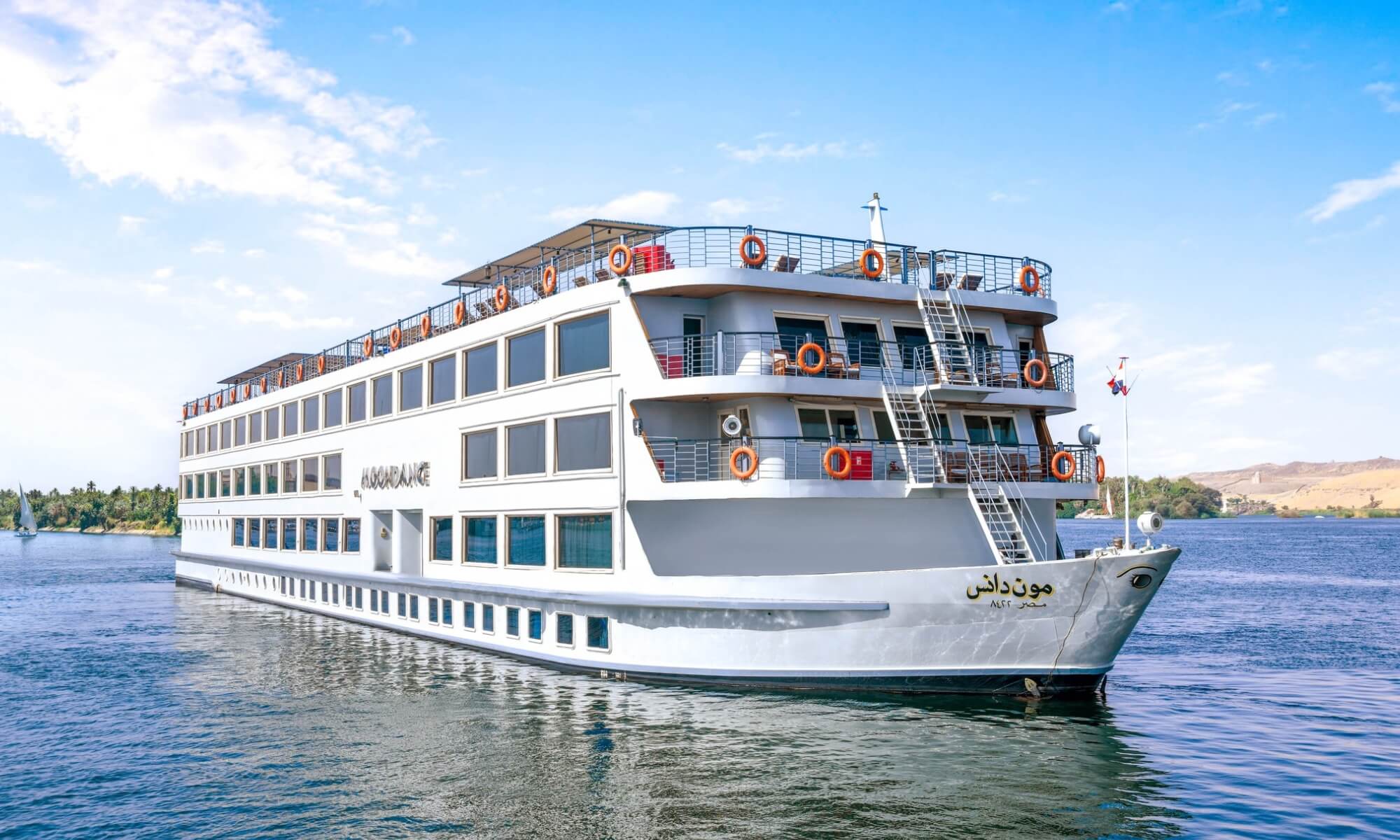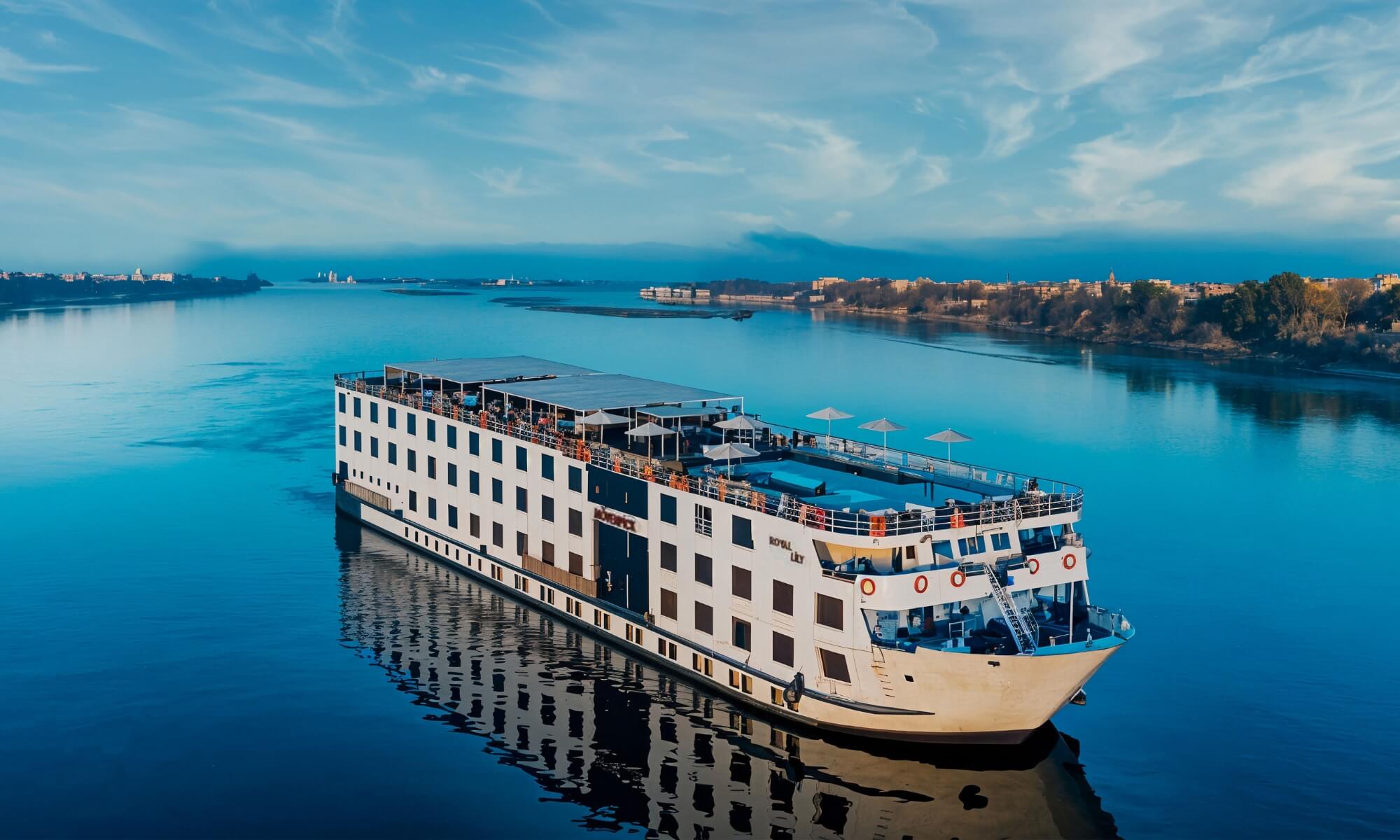
Few travel experiences rival the majesty and historical richness of a Nile River cruise. As you sail along the world’s longest river, the Nile reveals the treasures of one of the most remarkable civilizations in history. One of the greatest draws of a Nile cruise is the ease with which travelers can explore Egypt's most iconic temples and its ancient sanctuaries that have withstood time, sand, and conquest. This article will guide you through the best temples to see on a Nile River cruise, enriching your understanding and appreciation of these monumental testaments to Egypt's storied past.
Why Temples Are the Crown Jewels of the Nile
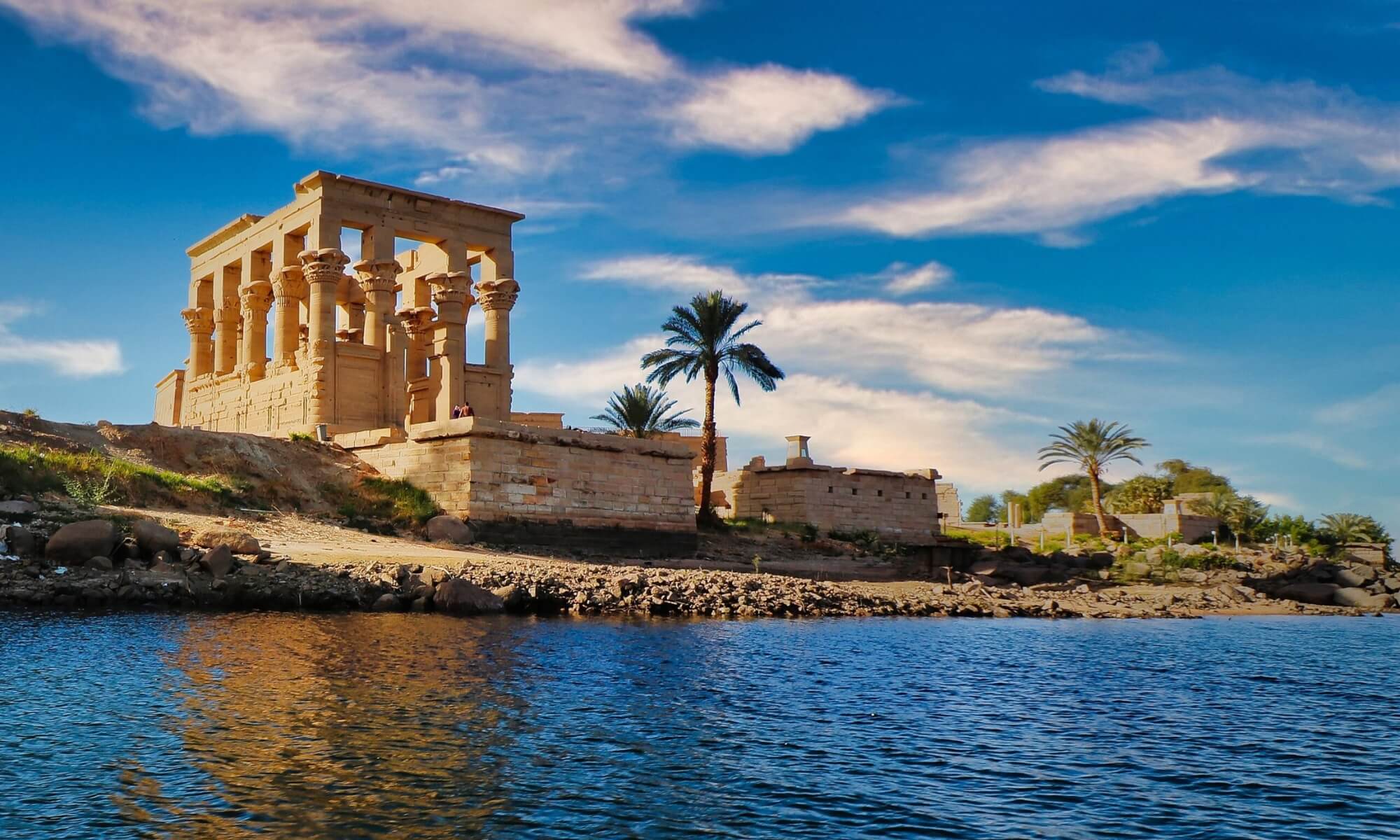
For over three millennia, Egypt’s pharaohs, priests, and builders erected monumental temples to honor their gods, celebrate victories, and assert divine rule. Many of these temples were purposefully constructed along the banks of the Nile, making them easily accessible from the river. Today, Nile cruises offer an unmatched way to experience these architectural wonders in comfort and style.
Whether you're aboard a luxury liner, a traditional Dahabiya, or an ultra-deluxe cruise, temple visits are often the cultural highlight of the journey. But with so many magnificent structures to choose from, knowing which temples are must-sees can elevate your itinerary from memorable to truly transformative.
Karnak Temple
Location: Luxor (ancient Thebes)
Recommended Visit: Early morning or during the Sound and Light Show
Karnak is not just a temple; it's an entire complex. As the largest religious site ever constructed, Karnak Temple was built over 2,000 years, primarily dedicated to the Theban triad: Amun, Mut, and Khonsu. The Hypostyle Hall, with its 134 massive columns, is perhaps Egypt's most awe-inspiring architectural achievement.
Highlights:
- Avenue of Sphinxes linking Karnak to Luxor Temple.
- Sacred Lake is used for ritual purification.
- Obelisks of Hatshepsut and Thutmose I.
Visiting Karnak gives insight into ancient Egyptian theology, cosmology, and political ambition on a scale unparalleled anywhere else in the ancient world.
Luxor Temple
Location: Luxor city center.
Recommended Visit: At dusk, when the temple is beautifully illuminated.
Unlike Karnak, which was primarily used for religious ceremonies, Luxor Temple focused on the concept of divine kingship and the rejuvenation of pharaohs. It was the site of the annual Opet Festival, where the statues of the gods were transported from Karnak to Luxor by boat.
Highlights:
- Colossal statues of Ramses II at the entrance.
- The court of Amenhotep III.
- Roman-era frescoes and a mosque built atop the ruins.
Its location in the heart of Luxor makes it one of the most accessible and photogenic temples on your cruise.
Temple of Hatshepsut
Location: Deir el-Bahari, west bank of Luxor.
Recommended Visit: Early morning to avoid heat and crowds.
Commissioned by Egypt’s most powerful female pharaoh, the Temple of Hatshepsut is a striking example of harmony between architecture and nature. Carved directly into limestone cliffs, its terraces and colonnades create a dramatic visual impact.
Highlights:
- Reliefs showing Hatshepsut’s divine birth
- Trade expedition to the Land of Punt
- Statues of the queen depicted as a male king
A visit here is not only an architectural marvel but also a powerful narrative of a woman who ruled like a god.
Temple of Horus at Edfu
Location: Edfu
Recommended Visit: Mid-morning with a guided tour
Dedicated to Horus, the falcon-headed god, Edfu Temple is the best-preserved ancient temple in Egypt. Built during the Ptolemaic period, it showcases both Egyptian and Greco-Roman influences.
Highlights:
- Towering pylon with scenes of Horus defeating Seth.
- Inner sanctum with a replica of the solar boat.
- Ceilings painted with astronomical symbols.
Arriving by horse-drawn carriage through the local town adds a layer of charm to the experience.
Kom Ombo Temple
Location: Kom Ombo.
Recommended Visit: Sunset for stunning views over the Nile.
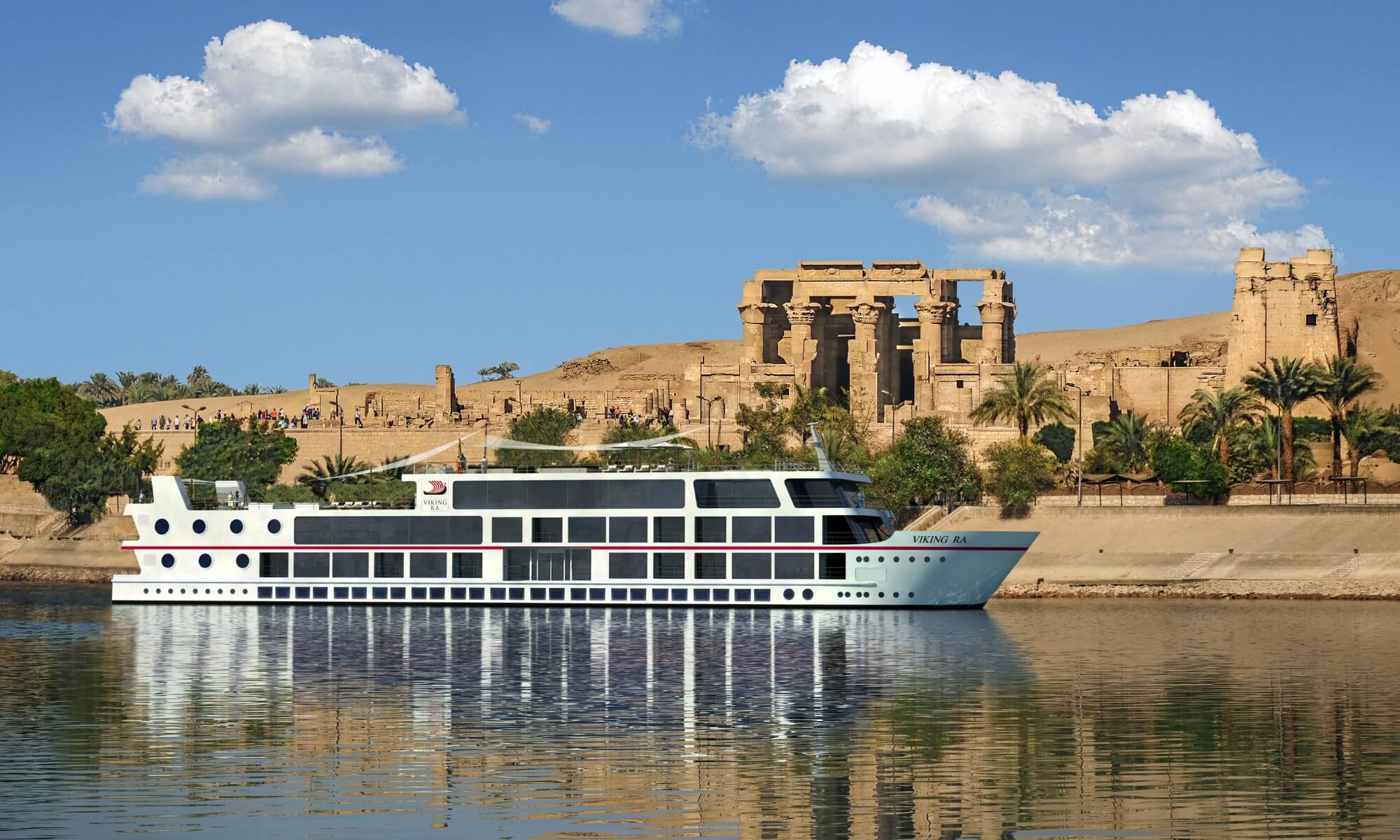
Unique for its dual dedication to two gods, Sobek (crocodile god) and Horus the Elder, Kom Ombo is architecturally symmetrical. Each half of the temple mirrors the other, a rare phenomenon in Egyptian design.
Highlights:
- Reliefs of surgical instruments, indicating ancient medical practices.
- Crocodile mummy museum next door.
- Nile-side location ideal for photography.
The serene setting and curious mythology make this an unforgettable stop.
Philae Temple
Location: Agilkia Island, Aswan.
Recommended Visit: Just before sunset or during the evening Sound and Light Show.
Rescued from rising waters during the Aswan High Dam construction, Philae was meticulously relocated to its current island location. Dedicated to the goddess Isis, it's one of the most picturesque temples in Egypt.
Highlights:
- Floral capitals and elegant columns.
- Birth house of Horus (mammisi).
- Blend of Pharaonic and Greco-Roman styles.
Arriving by boat adds an air of mystery and romance to your visit.
Abu Simbel Temples
Location: Near the Sudanese border (Lake Nasser Cruises or an optional excursion from Aswan).
Recommended Visit: During Sun Festival (Feb 22 & Oct 22).
Built by Ramses II, these temples were also relocated to avoid flooding. The colossal statues at the entrance are carved directly into the rock face, and the smaller temple is dedicated to his queen, Nefertari.
Highlights:
- Four seated colossi of Ramses II.
- Inner sanctuary alignment with the solar calendar.
- Intricate wall carvings of military victories.
Though not part of all Nile cruises, a side trip to Abu Simbel is well worth the journey.
Dendera Temple Complex
Location: Qena, near Luxor.
Recommended Visit: As a day excursion from Luxor.
Dendera is one of the most elaborately decorated temple complexes in Egypt, primarily dedicated to Hathor, the goddess of love, beauty, and healing. This site is famous for its vivid astronomical ceiling and beautifully preserved carvings.
Highlights:
- Zodiac ceiling in the Temple of Hathor.
- Underground crypts with mysterious reliefs.
- Colorful astronomical and ceremonial depictions.
It’s a hidden gem for travelers interested in astrology, healing rituals, and lesser-visited monuments.
Abydos Temple
Location: Sohag Governorate, north of Luxor.
Recommended Visit: Combined with Dendera as a full-day trip.
Abydos is one of Egypt's most important ancient religious sites, home to the Temple of Seti I. This temple is famed for its intricate bas-reliefs and its listing of 76 ancient kings of Egypt, known as the Abydos King List.
Highlights:
- Detailed wall carvings and sacred symbolism.
- The Osireion, an underground tomb believed to represent the tomb of Osiris.
- Deep spiritual and mythological significance.
Abydos offers a deeper understanding of Egypt’s funerary traditions and divine kingship.
The Temple of Medinet Habu
Location: West Bank of Luxor.
Recommended Visit: Morning visit for best lighting and fewer crowds.
Often overshadowed by nearby sites, Medinet Habu is one of Egypt’s most underrated temples. Built by Ramses III, it served as both a mortuary temple and a fortified compound.
Highlights:
- Massive pylons with military reliefs.
- Color is still visible on many wall carvings.
- Towering columns and enclosed sanctuaries.
Its quiet ambiance and historical richness make it a favorite among Egyptologists and seasoned travelers.
Conclusion
A Nile River cruise is more than a vacation; it's a voyage through the very heart of human civilization. The temples along the Nile are not just remnants of a bygone era; they are living chapters of history etched in stone. Each one tells a story of gods, kings, art, science, and ambition that still resonates today. By visiting these temples, you gain more than beautiful photos; you gain a deep connection with one of the greatest cultures the world has ever known. So, when planning your Nile cruise, let these majestic temples be your compass, and let Nile Cruise Holiday be your trusted guide.