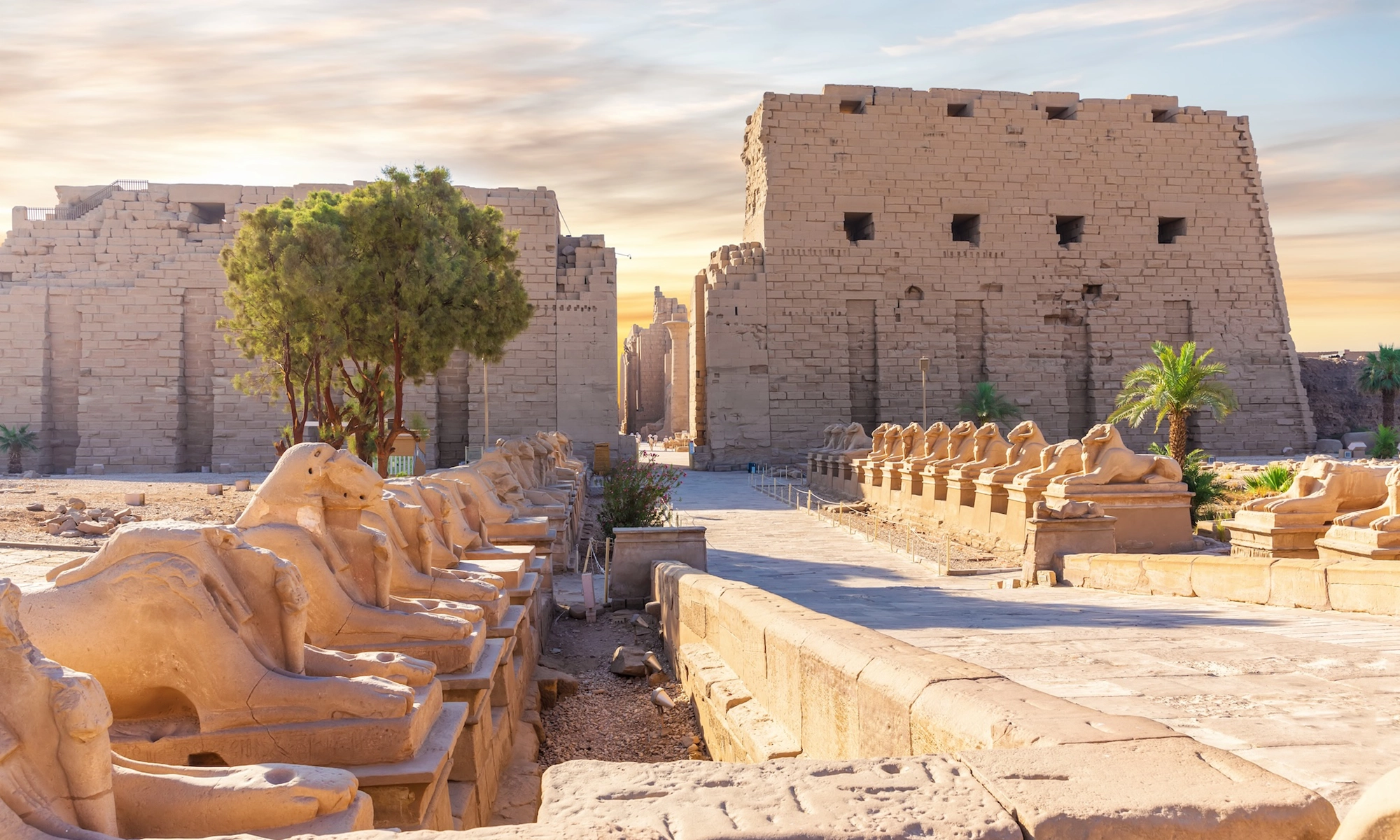
Most Egypt itineraries stop thinking about cruising once they reach Aswan. But south of the High Dam, the landscape changes completely: the green Nile Valley gives way to a vast desert lake, rescued Nubian temples rise from near-empty shores, and Abu Simbel becomes the destination you sail toward rather than a rushed excursion squeezed into a single day.
So, is a Lake Nasser cruise better than a classic Nile cruise? Not really. They solve different travel goals. The Nile is the stronger introduction to Upper Egypt; Lake Nasser is quieter, more remote, and more focused on Nubian archaeology. For travelers with enough time, the most rewarding answer may be not to choose at all, but to experience both.
Lake Nasser Cruise vs. Nile Cruise: The Short Answer
1. The Routes Are Completely Different
The distinction starts with geography. A classic Nile cruise operates between Luxor and Aswan, sailing past temples, riverside villages, and centuries of continuous Egyptian history. A Lake Nasser cruise begins south of the Aswan High Dam and continues toward Abu Simbel, a separate body of water entirely, formed by the dam itself, with its own dedicated collection of ships.
Classic Nile: Luxor, Edfu, Kom Ombo, Aswan
Lake Nasser: Aswan / High Dam, Nubian temples, Qasr Ibrim, Abu Simbel
No vessel sails directly from one route into the other. Guests transition between the two by land, at Aswan, before joining the second ship.
2. The Atmosphere
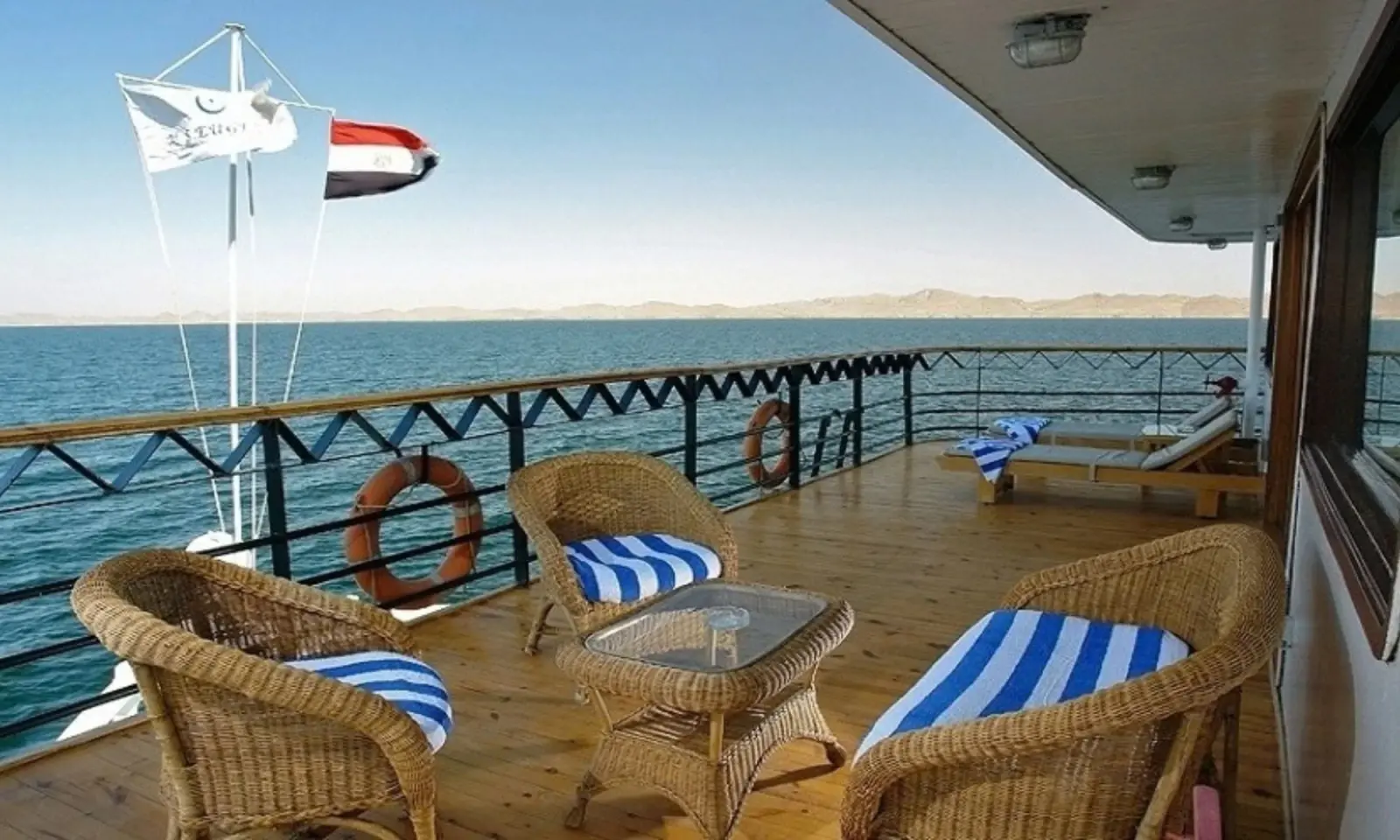
The Nile offers riverside villages, agricultural landscapes, and Egypt's essential highlights, at a fuller sightseeing pace with more fellow travelers along the way. Lake Nasser offers something quieter: long stretches of open desert water, secluded Nubian monuments, and far fewer vessels sharing the view, a rhythm built for slowing down rather than covering ground.
Nile cruise provides Egypt's essential highlights, while Lake Nasser provides Egypt beyond the standard route for travelers who value stillness as much as history.
3. Which One Fits Your Trip Best?
First-time visitors with limited time are generally better served by a Luxor to Aswan Nile cruise because it brings together Egypt's essential Upper Egyptian monuments, including Karnak, the Valley of the Kings, Edfu, and Kom Ombo, in one continuous itinerary. Lake Nasser is usually more rewarding for returning travelers, archaeology enthusiasts, and guests who value quiet landscapes and less-visited sites.
If you have around eight to ten days for Upper Egypt, however, you may not need to choose. The two journeys can be combined into one continuous route from Luxor to Abu Simbel.
What You See on a Lake Nasser Cruise
Kalabsha, Wadi El Seboua & Amada
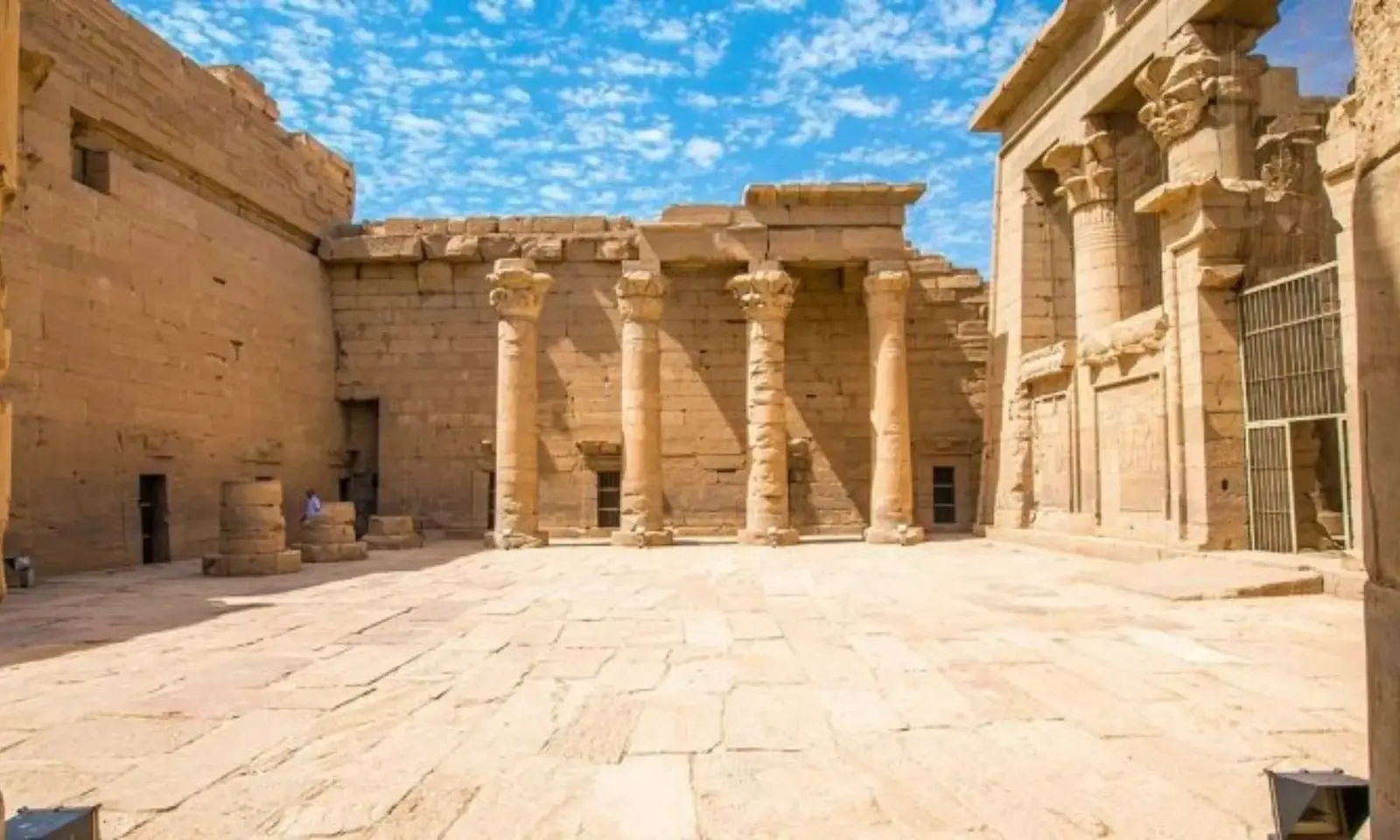
Much of Lake Nasser's story is a story of rescue. When the High Dam created the lake, several ancient monuments faced permanent submersion. Some were carefully dismantled, moved stone by stone, and reconstructed on higher ground. Kalabsha, Wadi El Seboua, and Amada are among the most remarkable survivors, preserving layers of Nubian and Egyptian history beside the water that once threatened them.
The experience is deliberately unhurried: a small landing, time to explore a temple without the crowds found at many headline sites, then a return to the vessel for another long stretch of desert sailing.
Qasr Ibrim
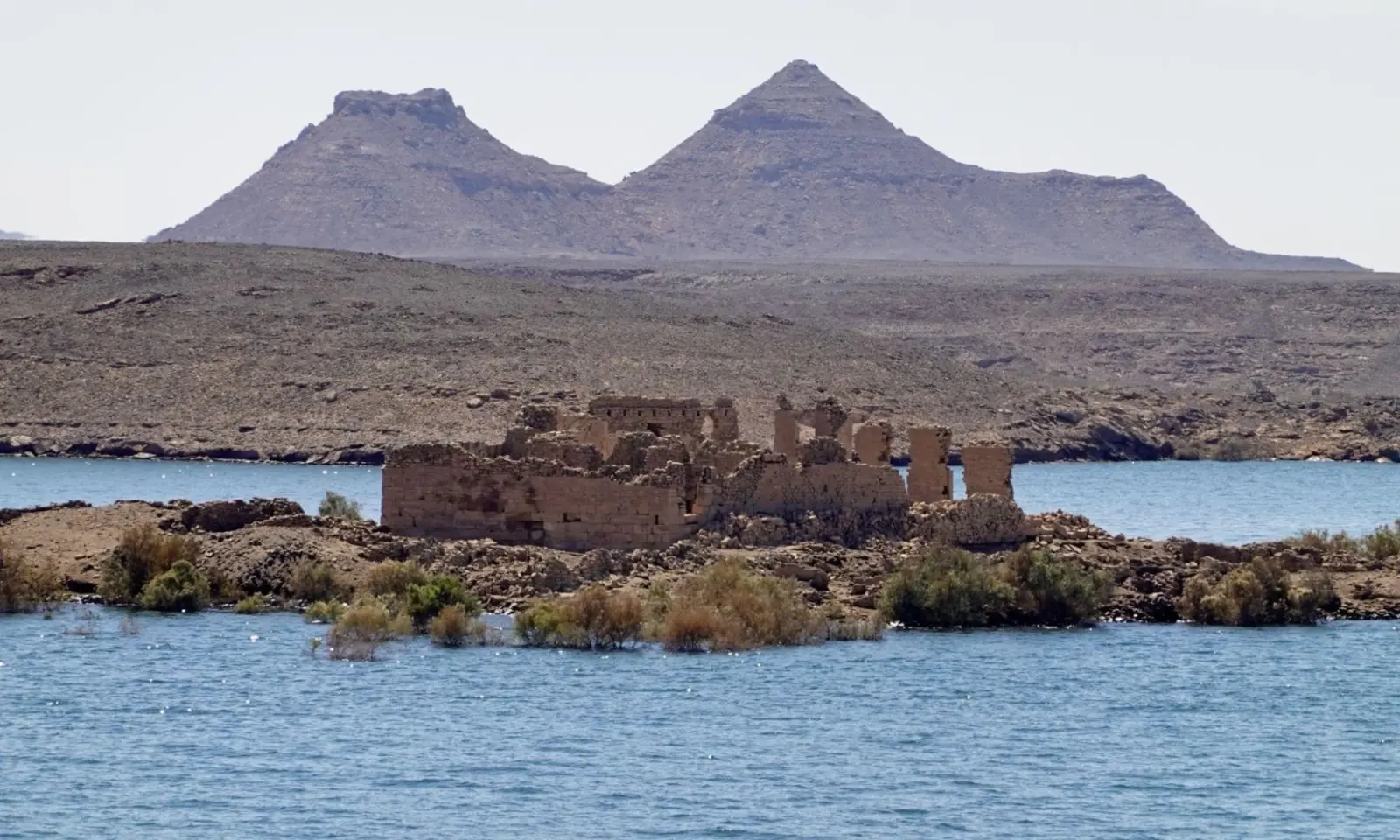
Qasr Ibrim, also written Kasr Ibrim, is one of the route's most distinctive sights because it is not approached like a conventional excursion. The fortified site is viewed from the water as the vessel passes, making it feel less like a scheduled stop and more like part of the landscape itself.
Abu Simbel: The Journey's Natural Finale
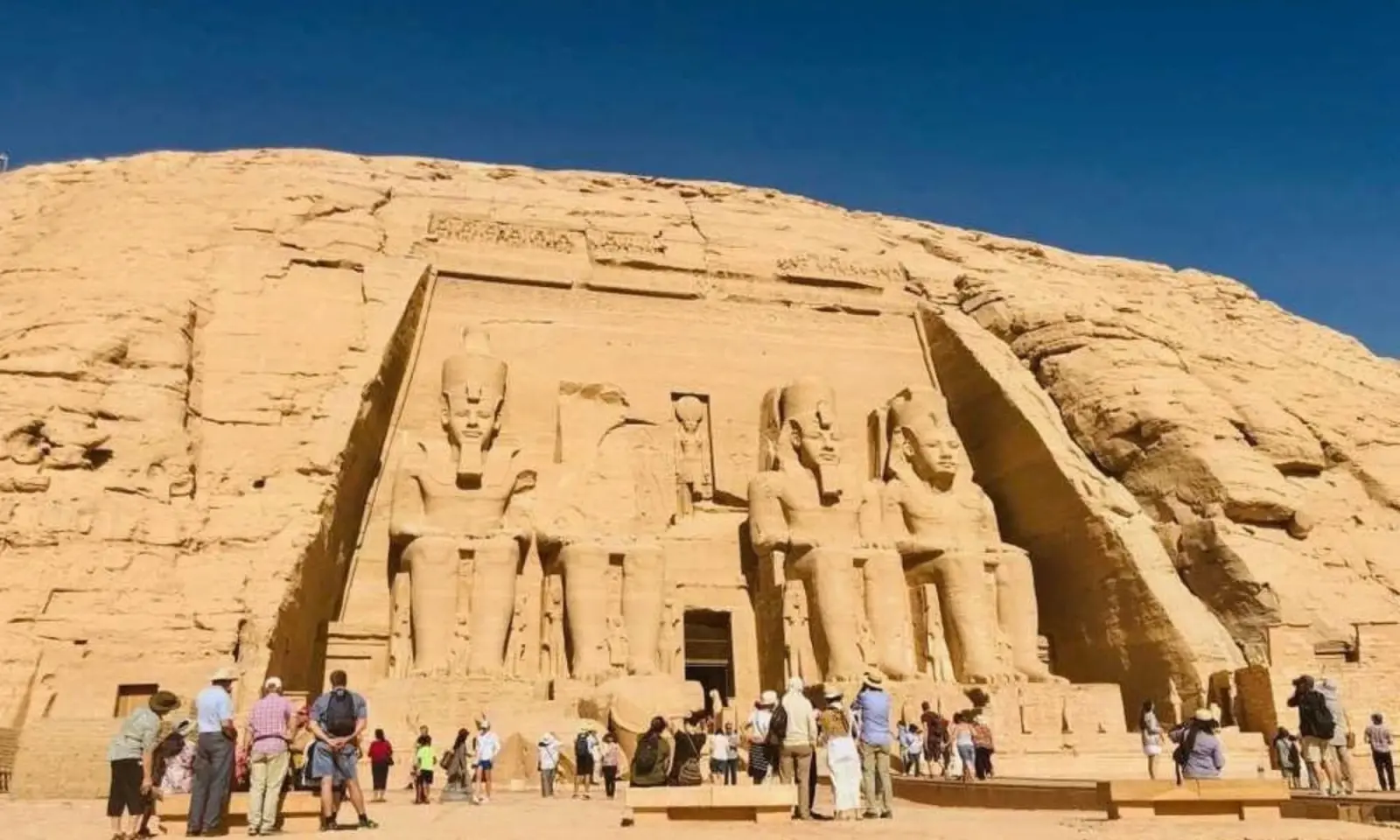
Reaching Abu Simbel after several days of sailing creates a very different sense of arrival from a same-day excursion from Aswan. Each Nubian monument adds context, and the anticipation builds as the route continues south. By the time the colossal façades become the final chapter of the journey, Abu Simbel feels connected to the wider landscape rather than isolated as a single attraction. Exact viewing and disembarkation arrangements depend on the booked itinerary.
What Is the Onboard Experience Like?
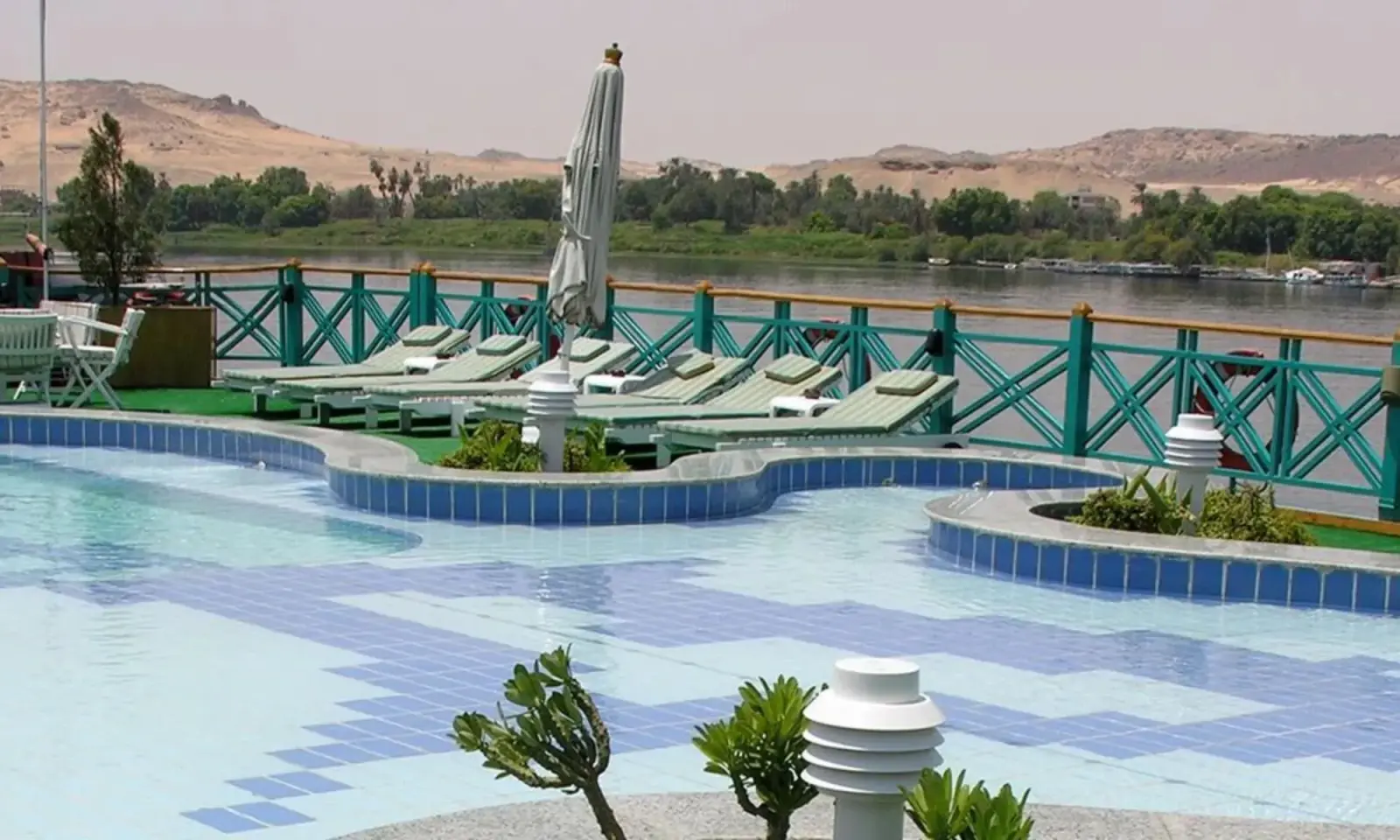
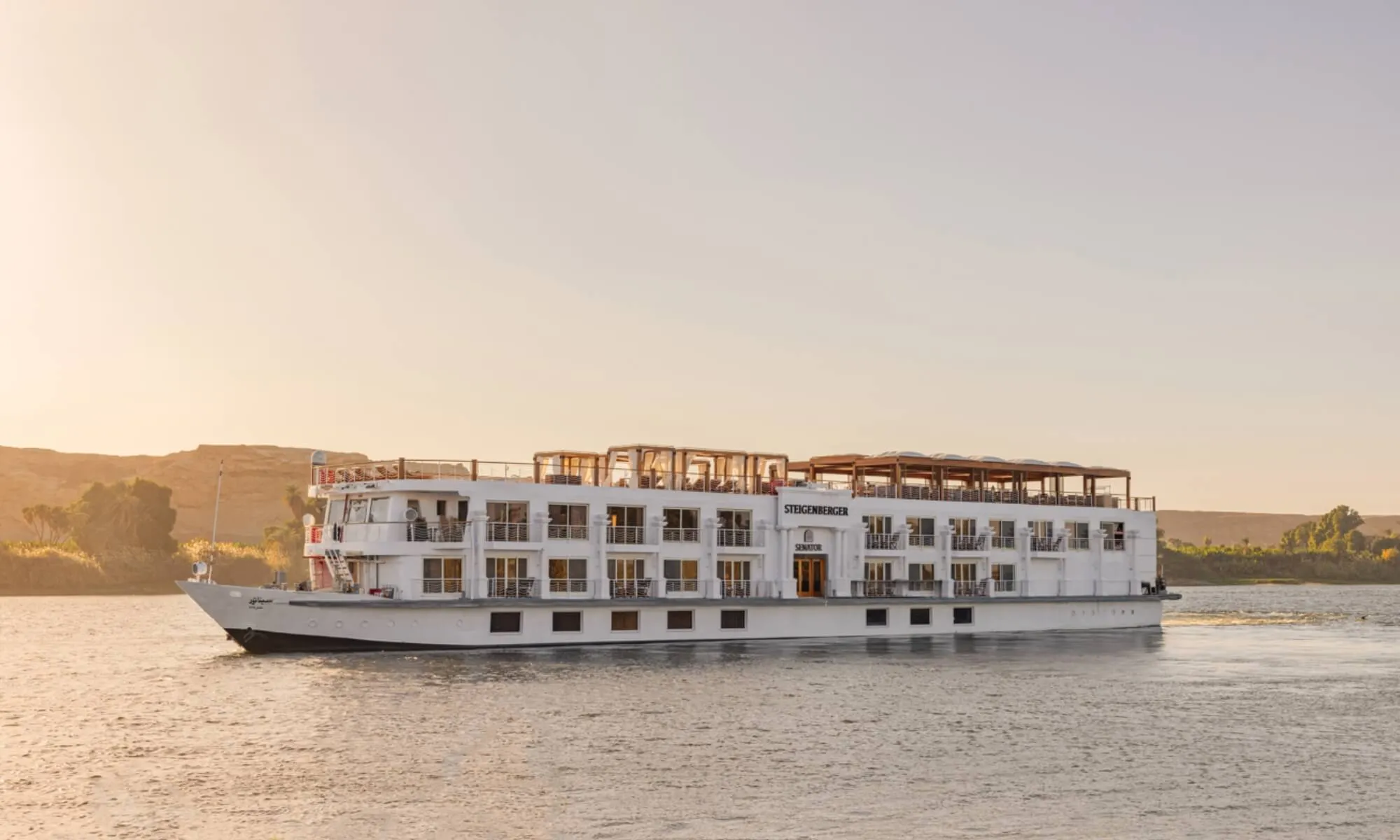
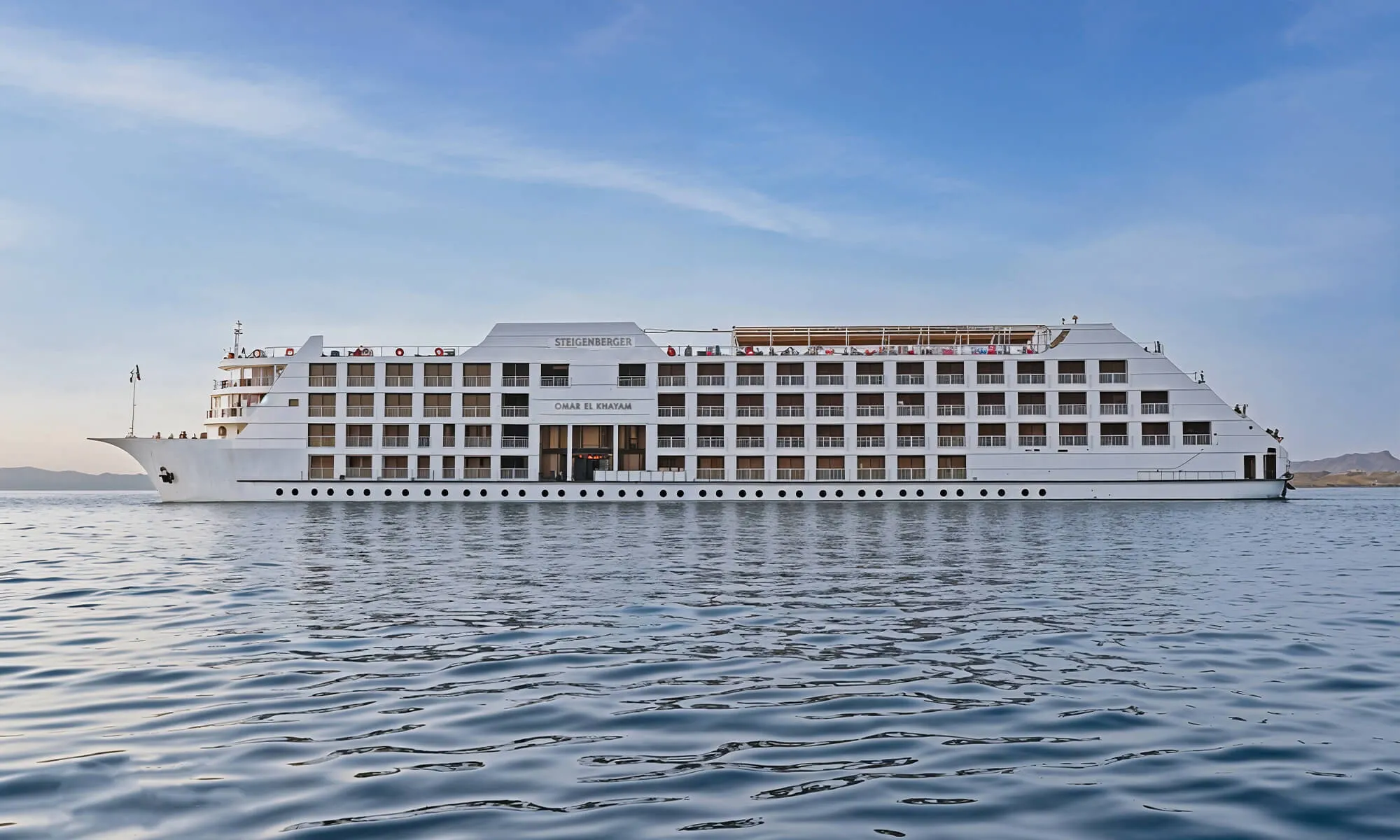
Lake Nasser has a much smaller cruise fleet than the classic Nile route, which contributes to the quieter atmosphere on the water. Onboard styles vary: some vessels feel intimate and boutique-like, while others offer a larger, more resort-style experience with more spacious public areas and a broader range of amenities.
Cabin size, balcony access, dining style, deck space, and onboard facilities vary from vessel to vessel, so the right choice depends less on a brand name and more on the experience you want: privacy, scenery, comfort, or a fuller set of amenities.
Most one-way Lake Nasser programs are built around three or four-night sailings. Direction and duration determine the order in which you encounter the Nubian temples, so itinerary fit should come before vessel branding when choosing a sailing.
For that reason, compare the actual route, cabin category, inclusions, and sailing dates before booking rather than choosing by name alone.
The best Lake Nasser cruise is the one whose schedule, comfort level, and route match the rest of your Egypt itinerary.
Should You Combine a Nile Cruise and a Lake Nasser Cruise?
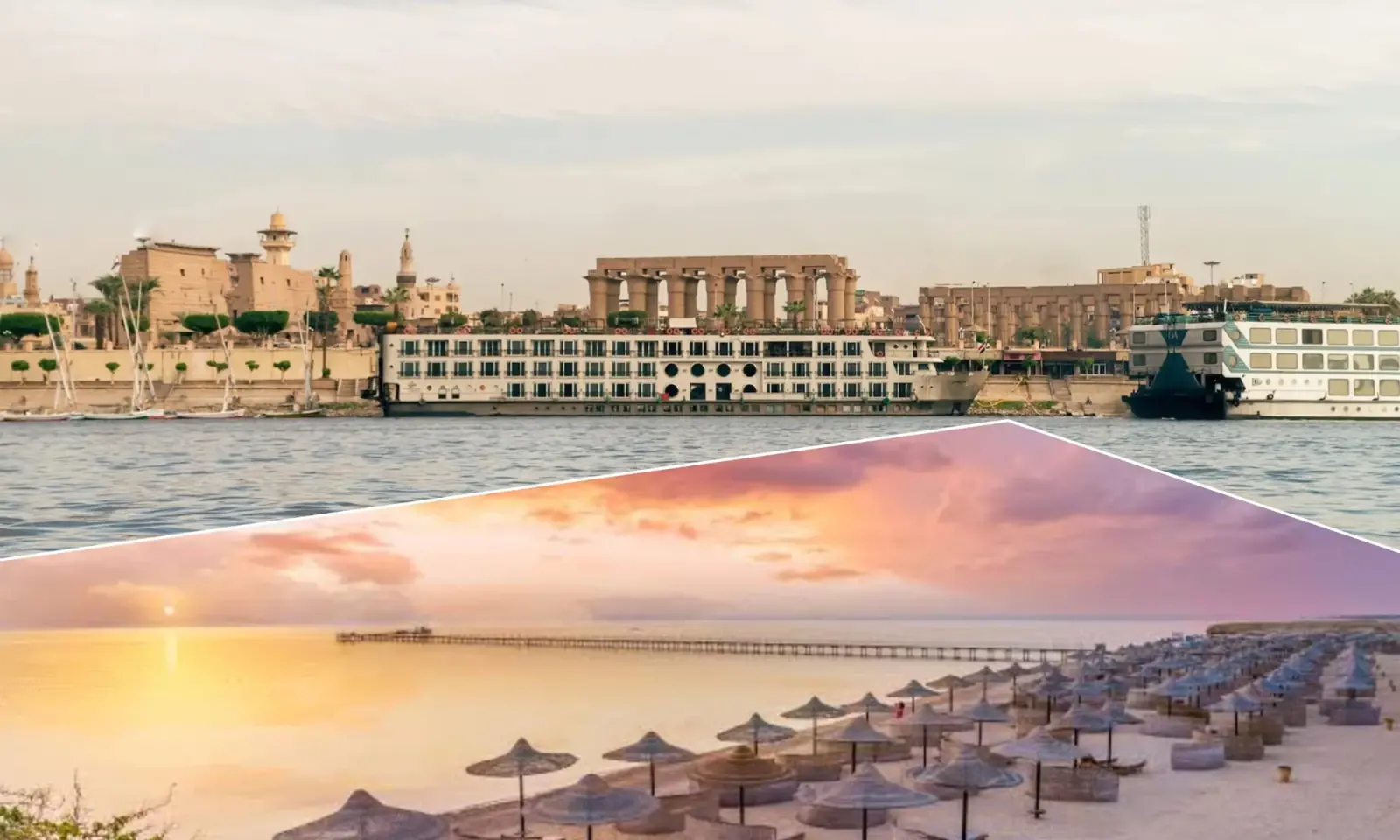
For travelers who do not want to choose between the Nile's essential highlights and Lake Nasser's quieter Nubian archaeology, combining both creates a natural southbound journey from Luxor to Abu Simbel. The value is not simply taking two cruises; it is experiencing how Egypt's landscape and history change as you move farther south.
The Ideal Route: Luxor → Aswan → Lake Nasser → Abu Simbel
Begin in Luxor among the monuments of ancient Thebes, sail south through Edfu and Kom Ombo to Aswan, then cross the High Dam area and continue on a separate Lake Nasser vessel toward Nubia and Abu Simbel. The two waterways do not connect directly by ship, but the sequence itself feels logical: each leg extends the archaeological story farther south.
How the Transfer Between the Two Cruises Works
This transition is the part that requires the most planning. A Luxor-to-Aswan Nile cruise ends north of the High Dam, while a Lake Nasser sailing begins on the separate body of water south of it. You cannot simply remain onboard and continue.
A well-planned itinerary uses the transition time in Aswan productively. Private transport can connect the two embarkation points, while sightseeing such as Philae Temple or the High Dam fits naturally between disembarkation and the second cruise. That turns what could feel like a logistical gap into part of the journey.
How Much Time Do You Need for Both?
A flexible eight-to-ten-day structure often works well: around four or five days on the classic Nile between Luxor and Aswan, time in Aswan for the transfer and sightseeing, then three or four nights on Lake Nasser toward Abu Simbel. The exact balance should follow your pace, sailing dates, and how much time you want at the major sites.
Seen as one journey, the contrast is the point: fertile riverbanks become open desert water, famous temples give way to quieter Nubian monuments, and Abu Simbel becomes the finale rather than an isolated detour. We recommend speaking with an Egypt Cruise Specialist or designing a Custom Luxor to Abu Simbel Journey