Whatsapp Me

Best Kalabsha Temple Travel Guide

Uncover Kalabsha Temple near Aswan where Roman elegance meets Nubian spirit. Learn its story, location and access, the best time to visit, must do experiences, and key facts to plan a flawless and inspiring trip.
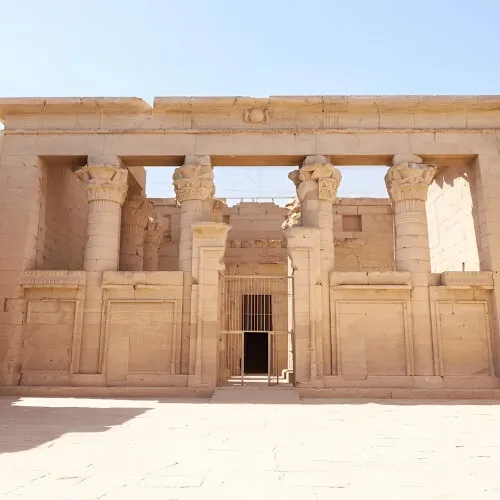
Discover the History and Legacy of Kalabsha Temple

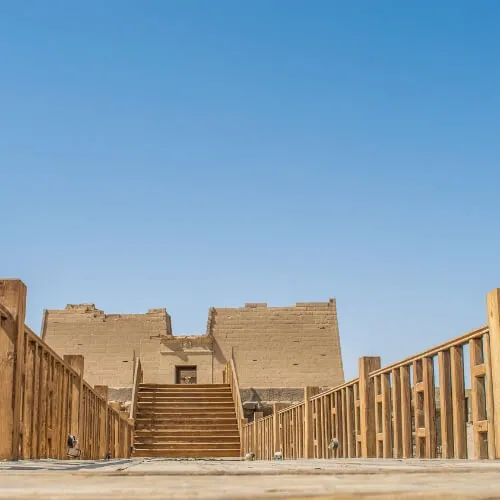
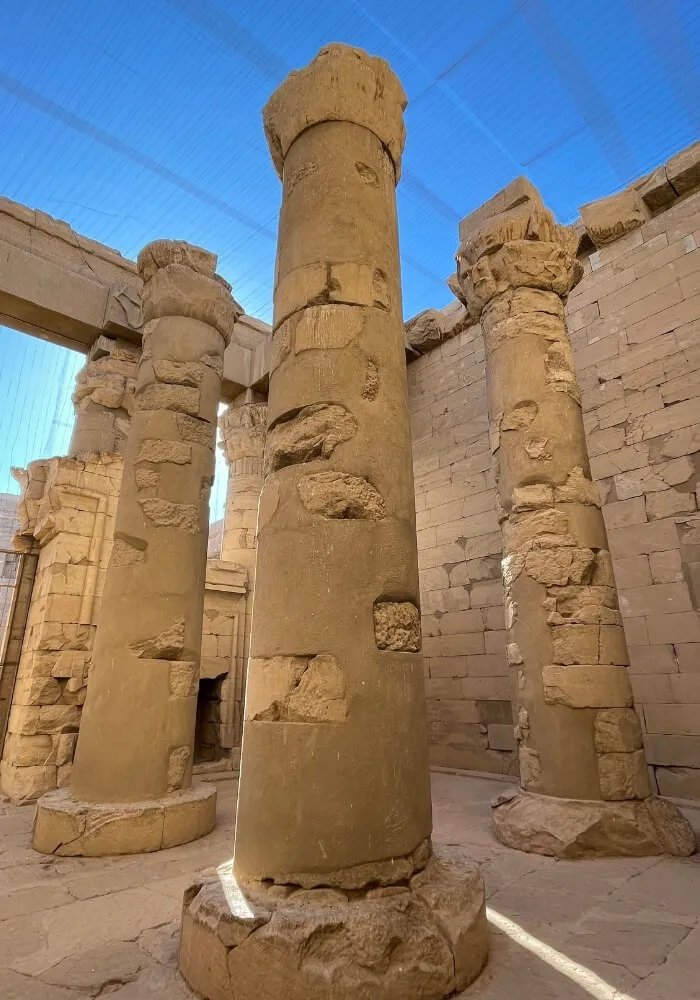
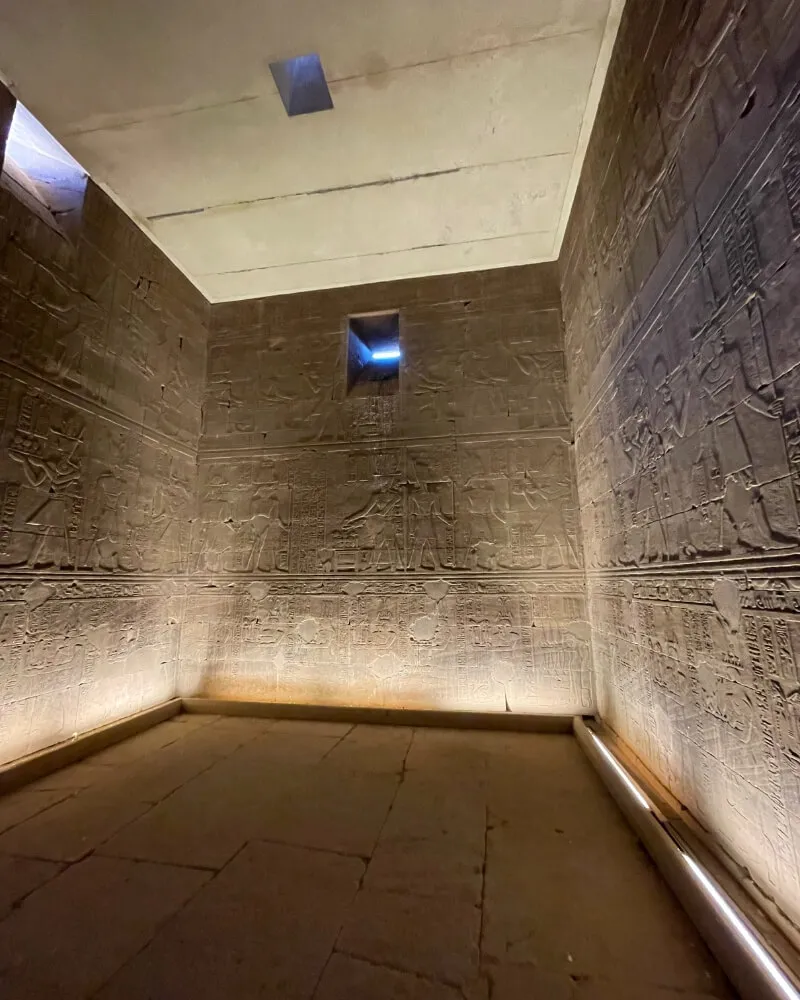
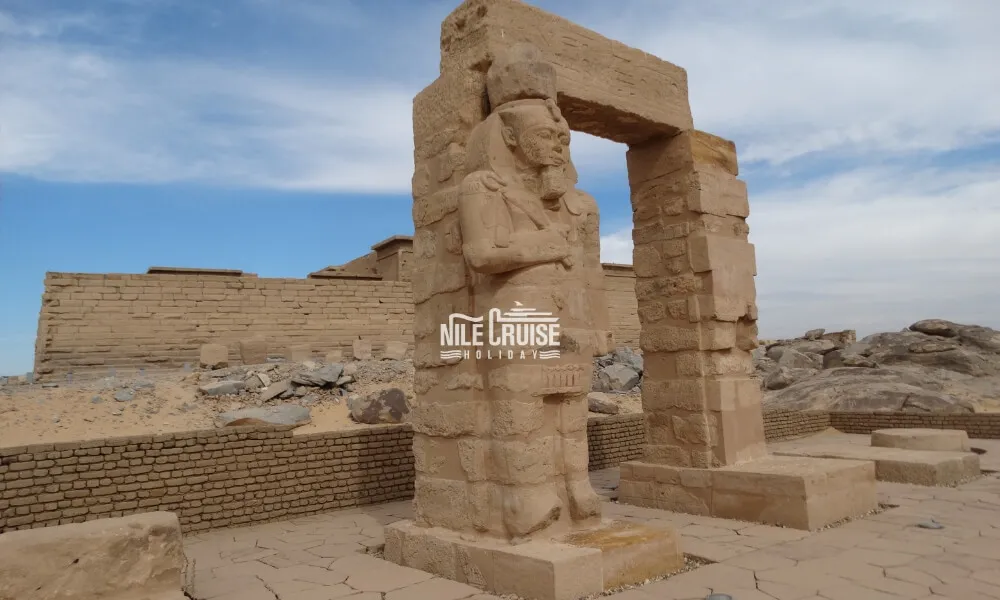
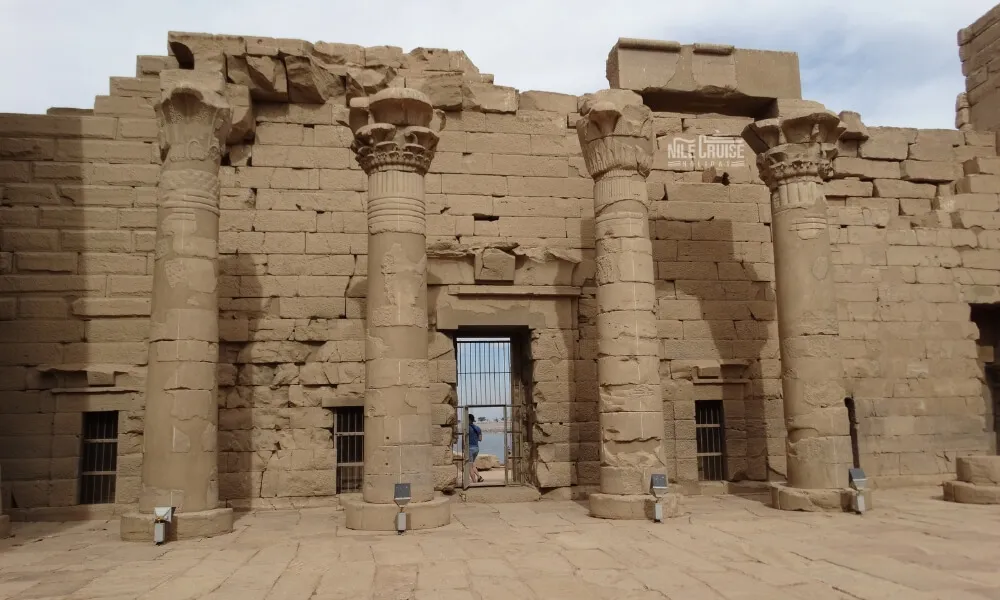
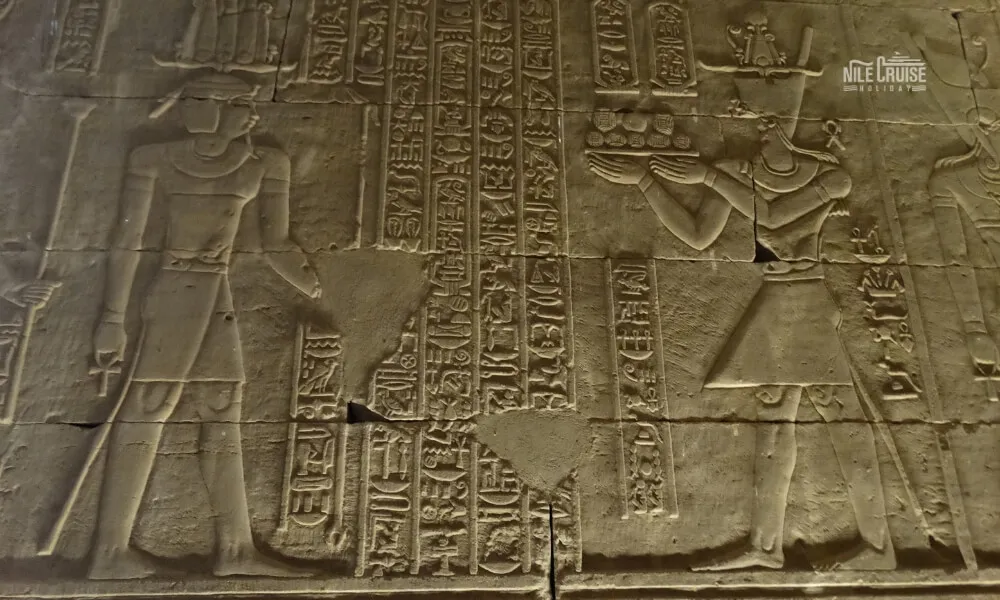
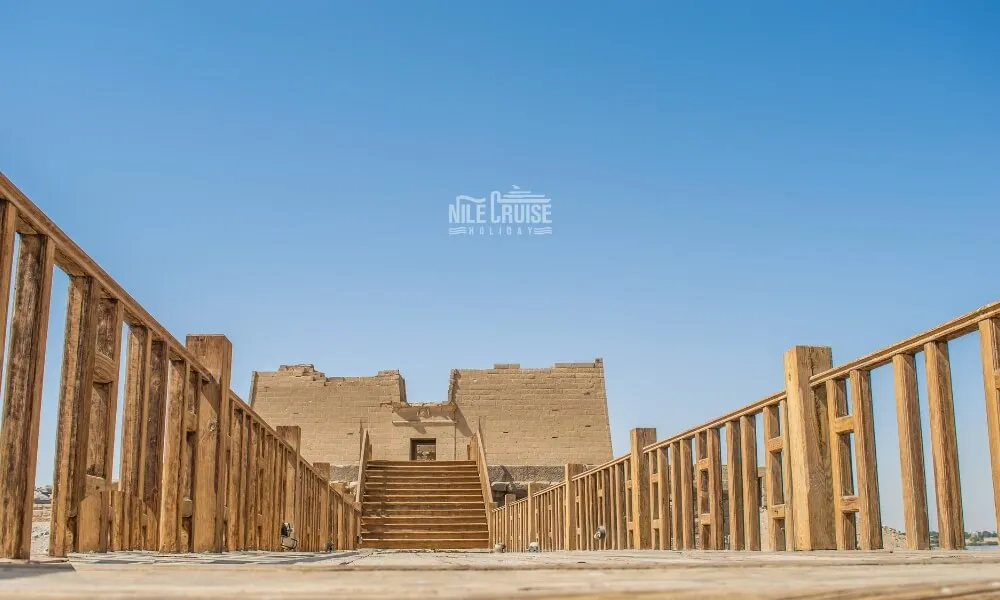
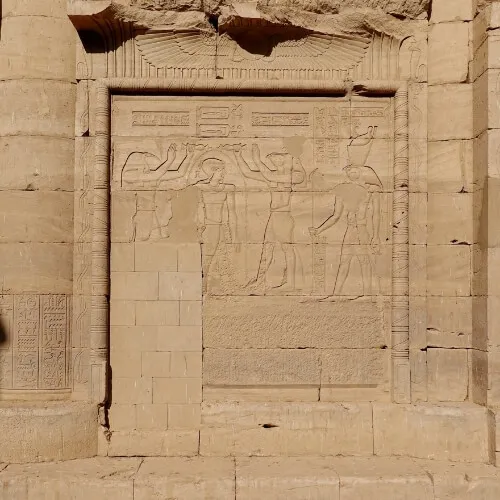
Kalabsha Temple, dedicated to the Nubian sun god Mandulis, is the finest Roman-era sanctuary in Nubia. Begun under Emperor Augustus on earlier Ptolemaic foundations, it marries classical proportions with Egyptian temple tradition through a grand pylon, open court, hypostyle hall, and sanctuary. Reliefs show Roman rulers venerating Egyptian deities, revealing a frontier where cultures converged. In late antiquity, the complex was adapted for Christian use, leaving crosses and inscriptions including the Greek text of Silko, among the earliest records of a Christian Nubian king. During the UNESCO Nubia Campaign, the temple was dismantled at Old Kalabsha and rebuilt on New Kalabsha Island beside Lake Nasser, preserving its art and architecture above the rising waters created by the Aswan High Dam.

Location of Kalabsha Temple & How to reach it

Kalabsha Temple stands on New Kalabsha Island just southwest of the Aswan High Dam, overlooking the calm expanse of Lake Nasser.

How to reach it:

  • Taxi to High Dam Marina
  • Motorboat to New Kalabsha
  • Guided tour from Aswan hotels
  • Combine with Philae and Dam
  • Lake Nasser cruise shore excursion

Activities To Do in Kalabsha Temple

When To Visit Kalabsha Temple

Visit from October to April for pleasant temperatures and excellent light. Aim for early morning or late afternoon to avoid heat and capture soft shadows on the reliefs. Boats operate during daylight hours. Bring water, sun protection, and sturdy shoes. Many travelers pair Kalabsha with the High Dam or Philae on the same day.

Main Image
Small Image
Attraction Image

Key Facts About Kalabsha Temple

1

Dedicated to Mandulis, a Nubian sun god honored in Roman times.

2

Construction began under Augustus with possible Ptolemaic precursors.

3

Converted for Christian worship in late antiquity, crosses still visible.

4

Greek inscription of King Silko records an early Christian Nubian victory.

5

Rescued and relocated during the UNESCO Nubia Campaign in the 1960s.

6

Layout features pylon, open court, hypostyle hall, and inner sanctuary.

7

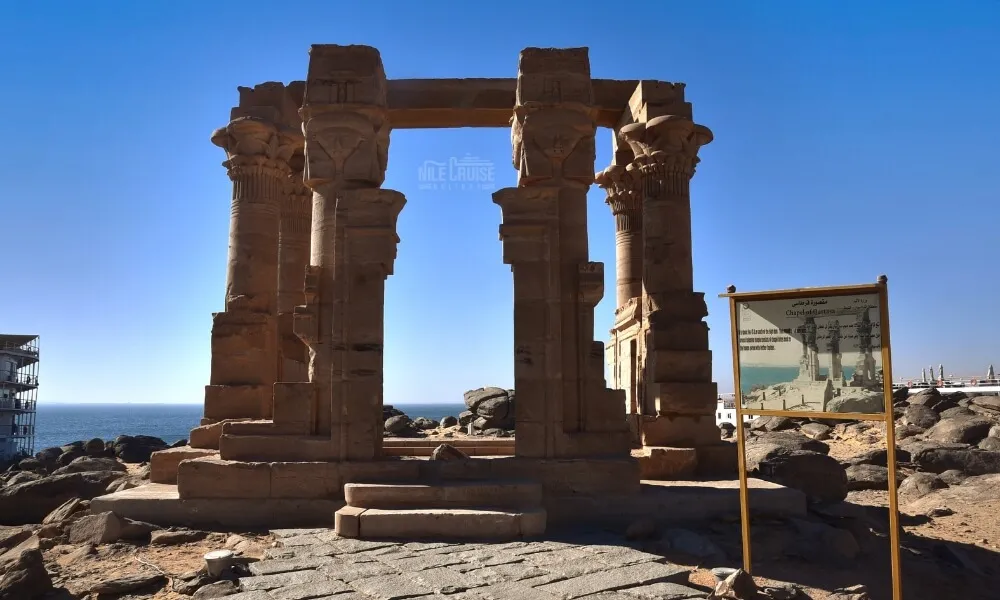
Nearby monuments include Beit el Wali and the Kiosk of Qertassi.

Related Attractions