Whatsapp Me

Essential Dekka Temple Travel Guide

Explore the Temple of Dakka, a serene Greco-Roman shrine to Thoth, now set beside Lake Nasser at New Wadi es Sebua. Learn its layered history, what to see, how to reach it from Aswan or by cruise, the ideal seasons and times, plus key facts to enrich your Nubian journey.
Discover the History and Legacy of the Temple of Dekka

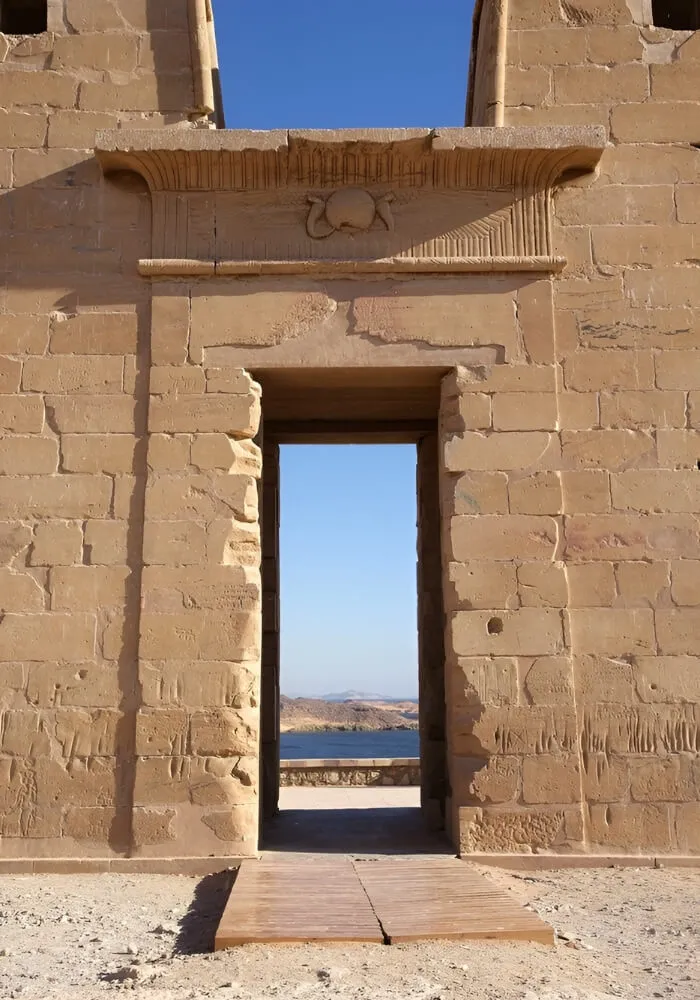
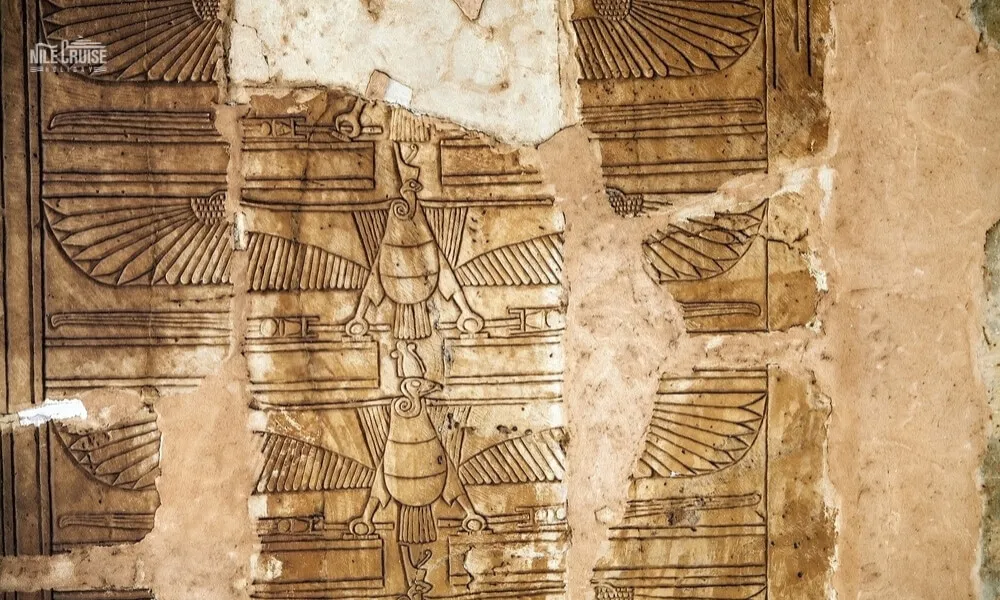
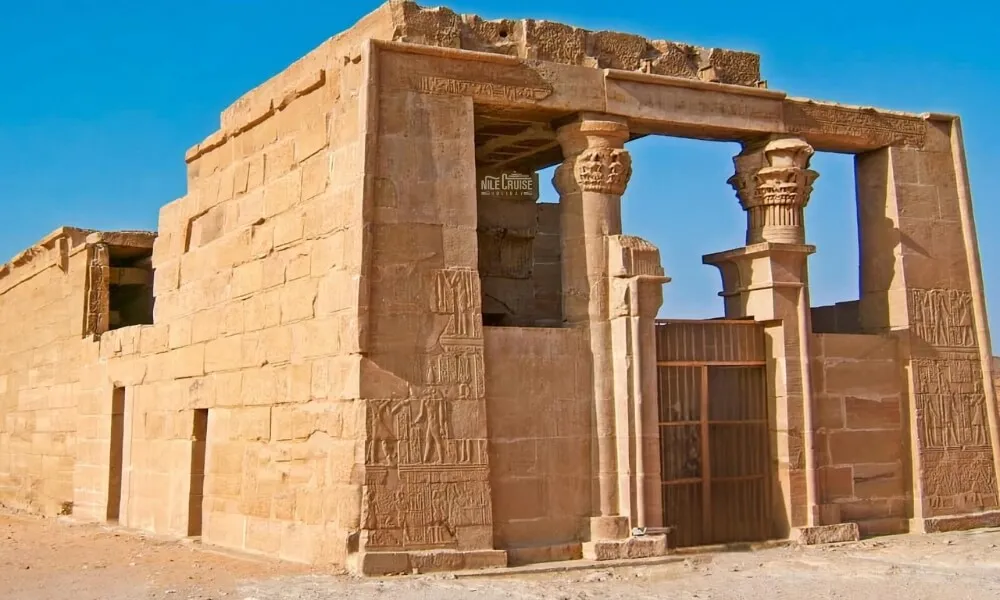
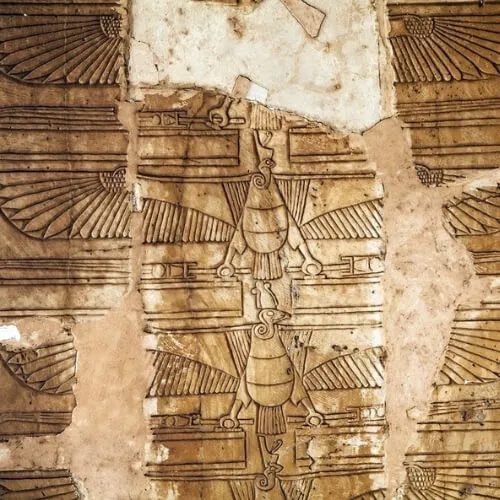
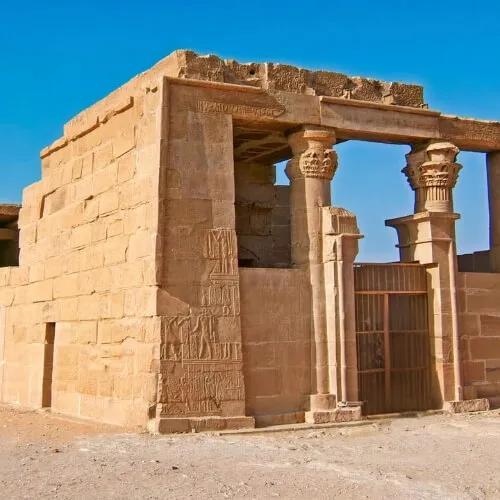
The Temple of Dekka began in the 3rd century BCE under the Meroitic king Arqamani and was later expanded by Ptolemaic and Roman rulers. Dedicated to Thoth, it blends Nubian, Egyptian, and classical elements with a distinctive freestanding pylon and finely carved reliefs. In the 1960s it was carefully dismantled and relocated to New Wadi es Sebua to save it from rising waters after the Aswan High Dam. Today, visitors can read its construction phases in the masonry, from early sanctuary blocks to later forecourts that reveal centuries of religious and political patronage.

Temple of Dekka Location & How to Reach It

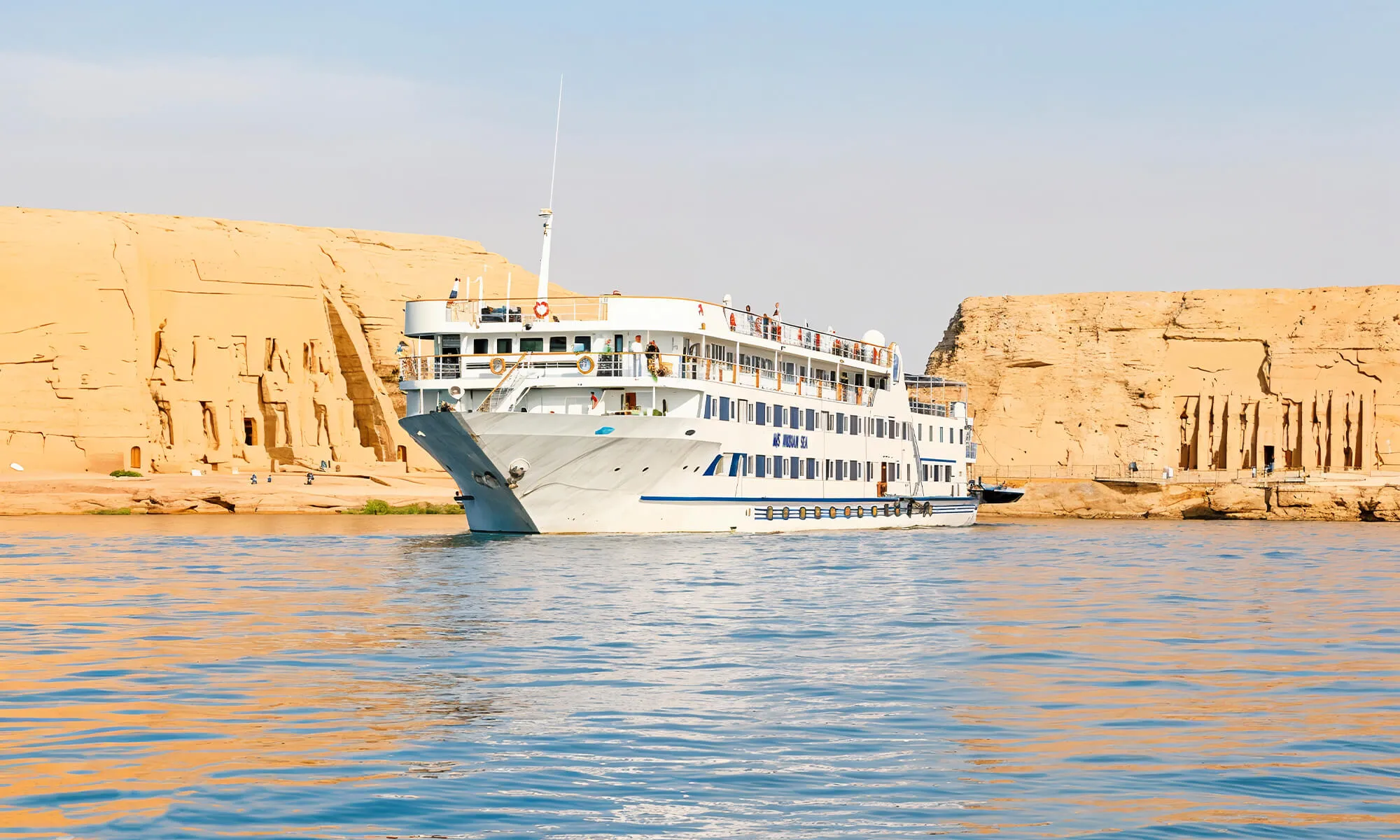
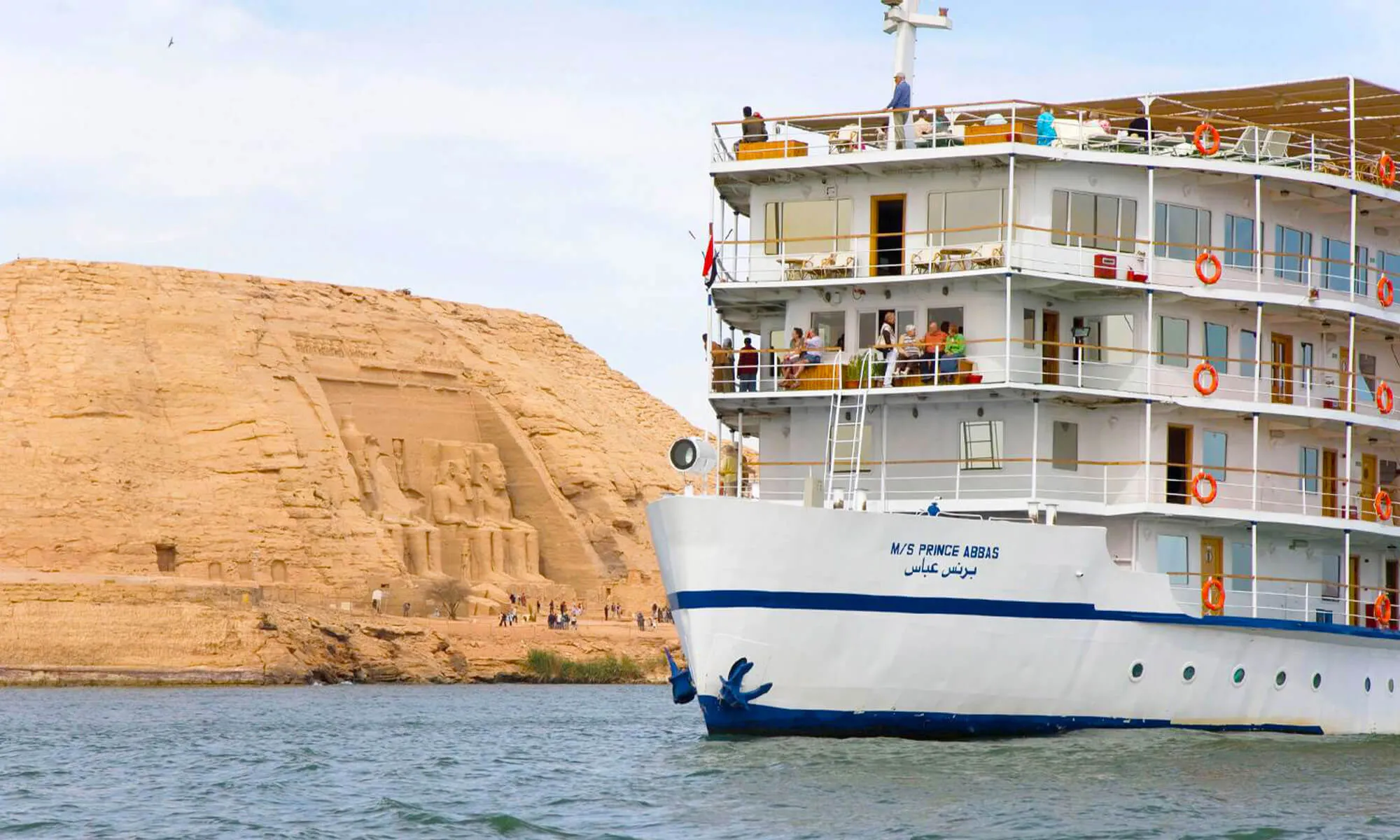
The temple is situated within the Wadi es-Sebua region, on the banks of Lake Nasser, approximately 200 kilometers south of Aswan. This historic site is frequently visited by travelers who embark on Lake Nasser cruises or opt for an overland journey that includes a visit to the renowned Abu Simbel temples.

How to reach:

  • Lake Nasser cruise stop
  • Private car from Aswan
  • Overland via the Abu Simbel road
  • Guided day tour convoy
  • Combine with Wadi es Sebua
  • Pair with the Maharraqa temple

Activities To Do in Temple Of Dekka

When To Visit Temple Of Dekka

October to April offers the most comfortable temperatures and the best light for photography. Aim for early morning or late afternoon to avoid heat and glare. Lake Nasser cruises provide smooth logistics and allow you to see Dakka together with Wadi es Sebua and nearby small temples in one efficient visit.

Main Image
Small Image
Attraction Image

Key Facts About the Temple of Dekka

1

Dedicated to Thoth and founded in the 3rd century BCE.

2

Initiated by the Meroitic king Arqamani and enlarged by Ptolemaic rulers.

3

Roman emperors continued additions, refining courts and gateways.

4

The temple was moved during the UNESCO Nubia rescue campaign.

5

Its pylon stands free because original side walls are missing.

6

Blocks reused from earlier pharaohs were identified by scholars.

7

The site forms part of the New Wadi es Sebua ensemble.

Related Attractions