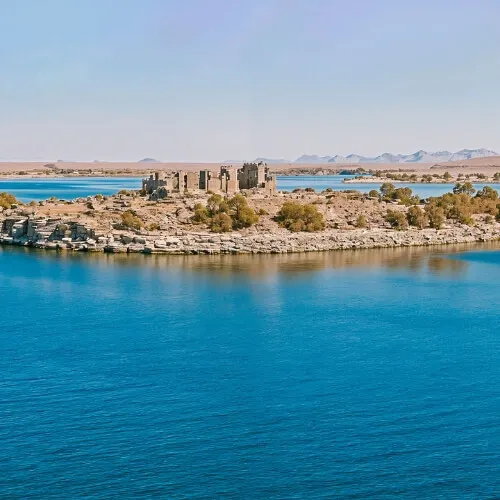
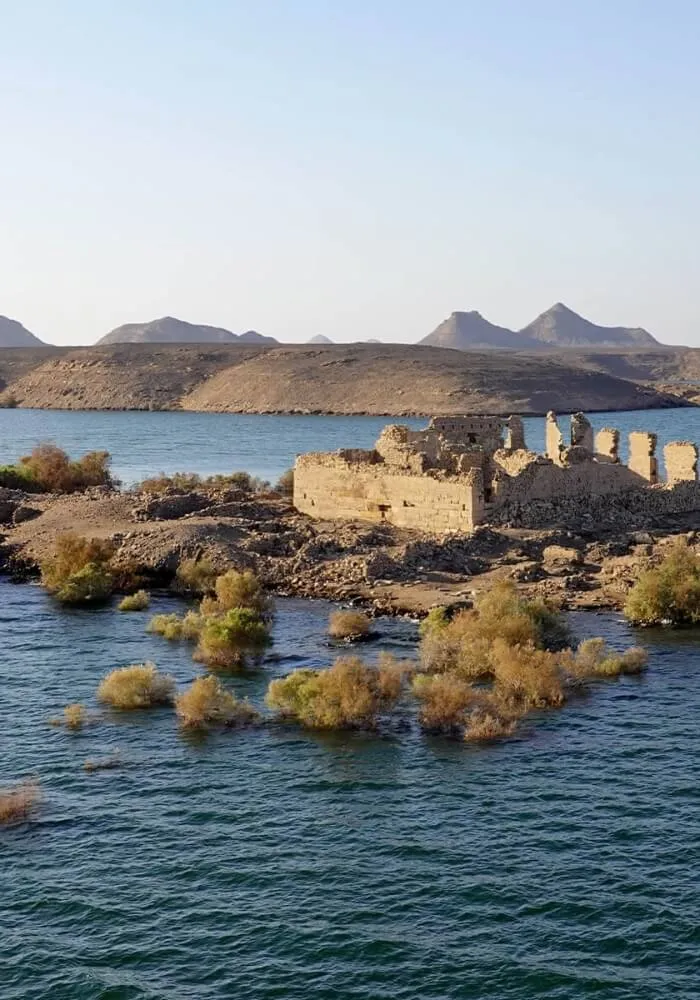
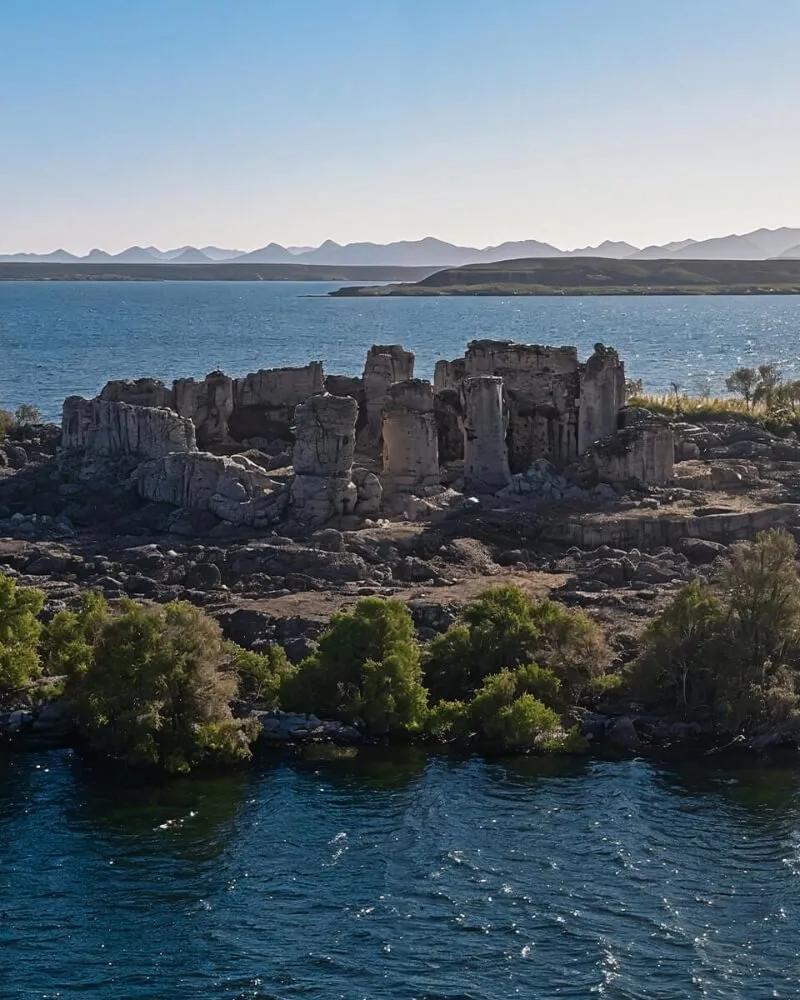
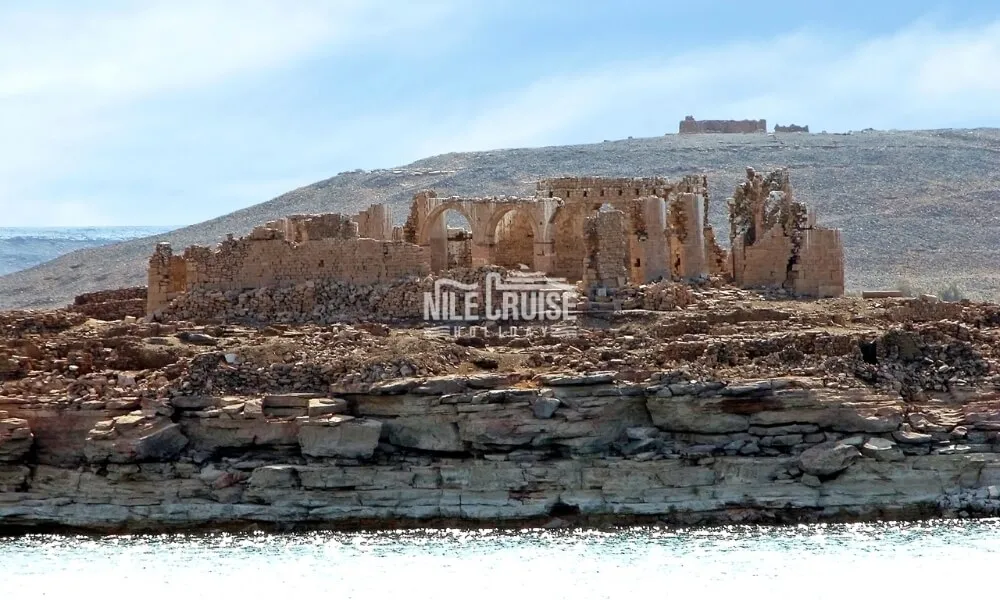
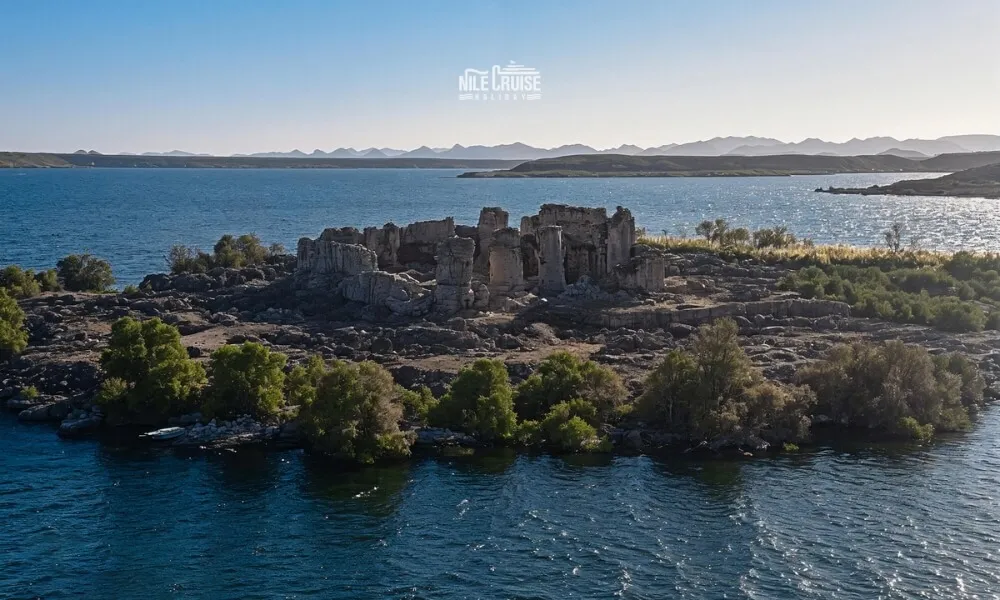
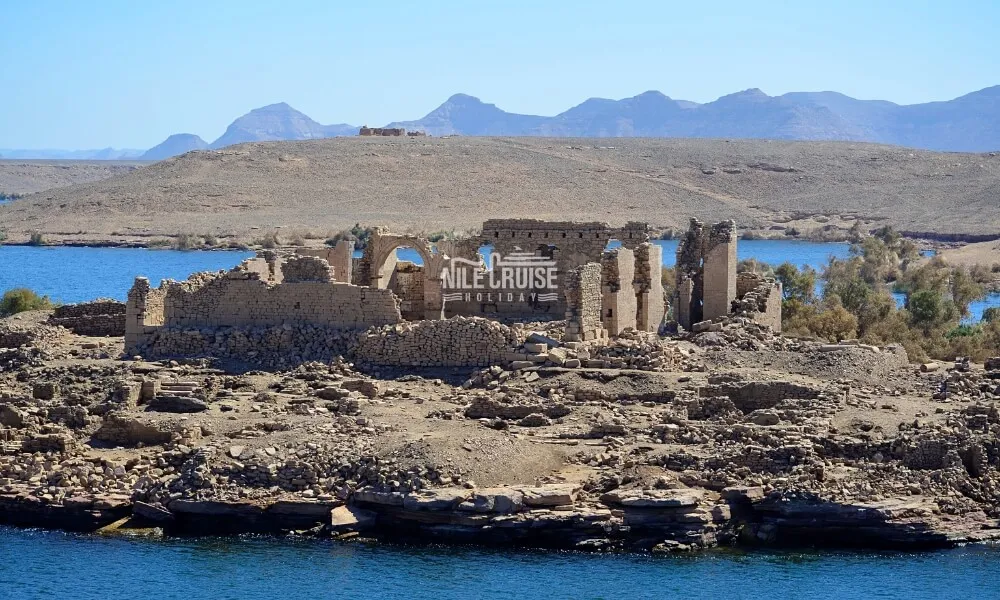
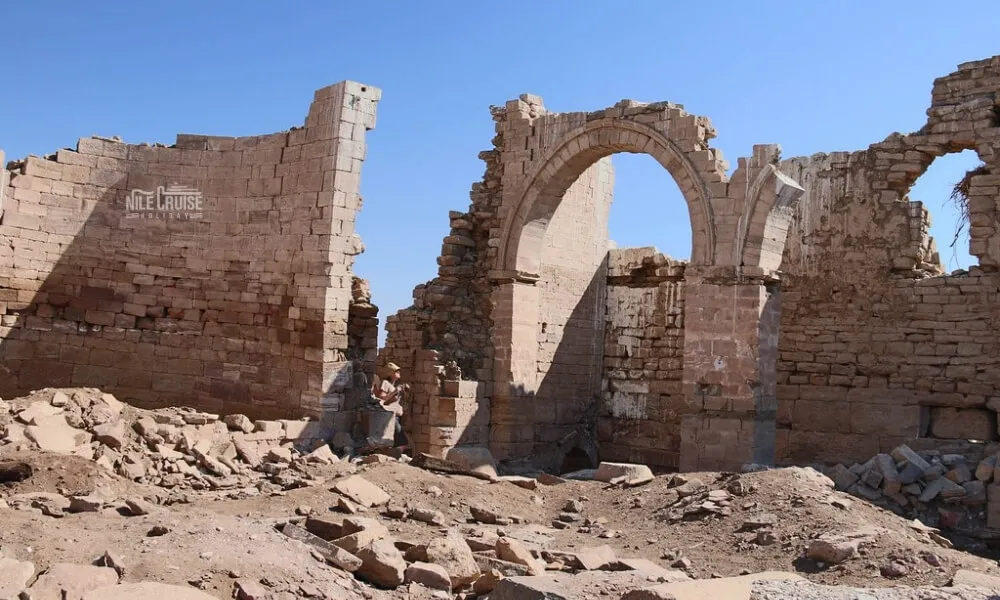
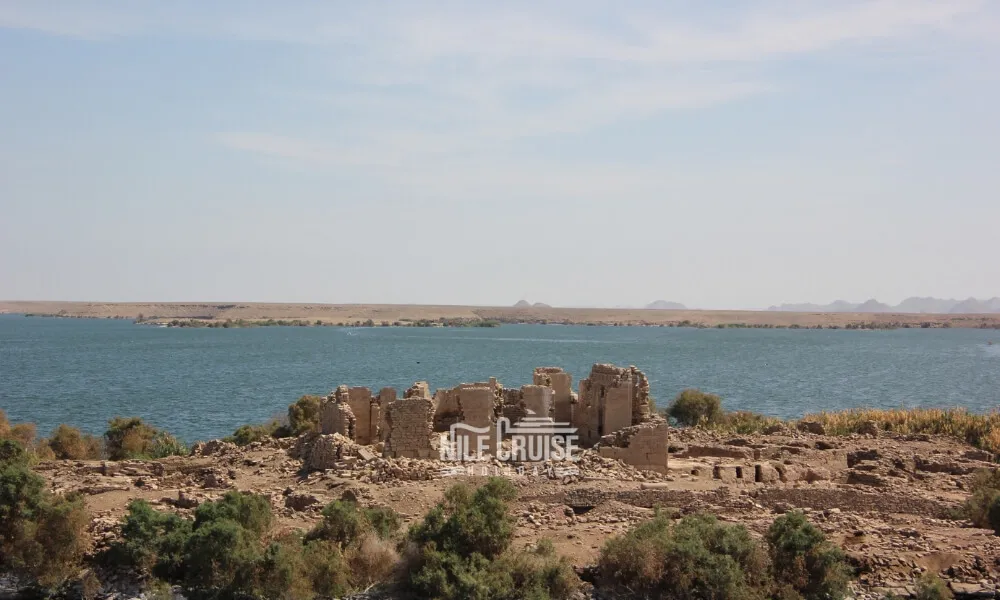
Qasr Ibrim holds a unique place in Nubian and Egyptian history, serving as both a strategic fortress and a thriving religious center across millennia. Originally established by the Egyptians in the New Kingdom, it later became a vital stronghold under Roman rule, safeguarding trade and military routes. During the Christian era, it was transformed into a cathedral and monastic site, leaving behind invaluable manuscripts and architectural remains. With the arrival of Islam, Qasr Ibrim adapted yet again, becoming a center for Islamic culture and learning. Today, it is the only Nubian site still visible above the waters of Lake Nasser, preserving layers of history that span more than 3,000 years. Its enduring presence makes it a powerful symbol of Egypt’s resilience and cultural diversity.
Qasr Ibrim Fortress Travel Guide
Perched dramatically above Lake Nasser, Qasr Ibrim is the only Nubian archaeological site that survived the flooding caused by the Aswan High Dam. Once a fortress, religious center, and settlement spanning Pharaonic, Roman, Christian, and Islamic periods, it now stands as a living timeline carved into Egypt’s southern desert.