Whatsapp Me

A Comprehensive Amada Temple Travel Guide 2026/2027

Discover the Temple of Amada, the oldest standing temple in Nubia, famous for brilliantly preserved painted reliefs and a serene lakeside setting on Lake Nasser. Learn its royal origins, how to reach it, what to do, the best time to visit, and the key facts every traveler needs.
Discover the History and Legacy of Temple of Amada

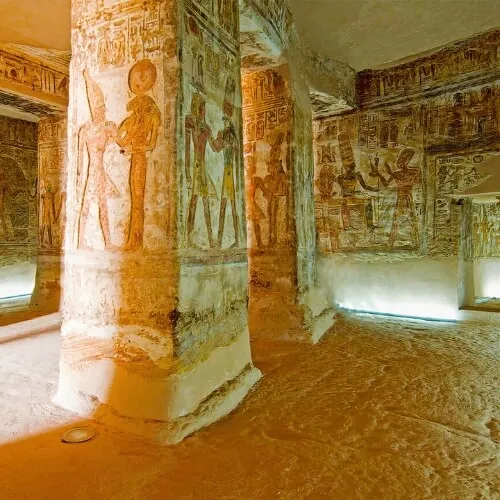
Raised under Thutmose III and completed by Amenhotep II, the Temple of Amada honors Amun-Re and Re-Horakhty and preserves some of the most vivid New Kingdom wall paintings. Later rulers, including Thutmose IV and Ramesses II, added inscriptions and embellishments that reflect imperial power and piety. In the 1960s UNESCO Nubia Campaign, engineers carefully moved the temple to higher ground to protect it from Lake Nasser. Today, visitors admire its intimate scale, luminous polychromy, and historical inscriptions that illuminate royal devotion, frontier administration, and the cultural dialogue between Egypt and Nubia.

Location of the Temple of Amada & How to Reach

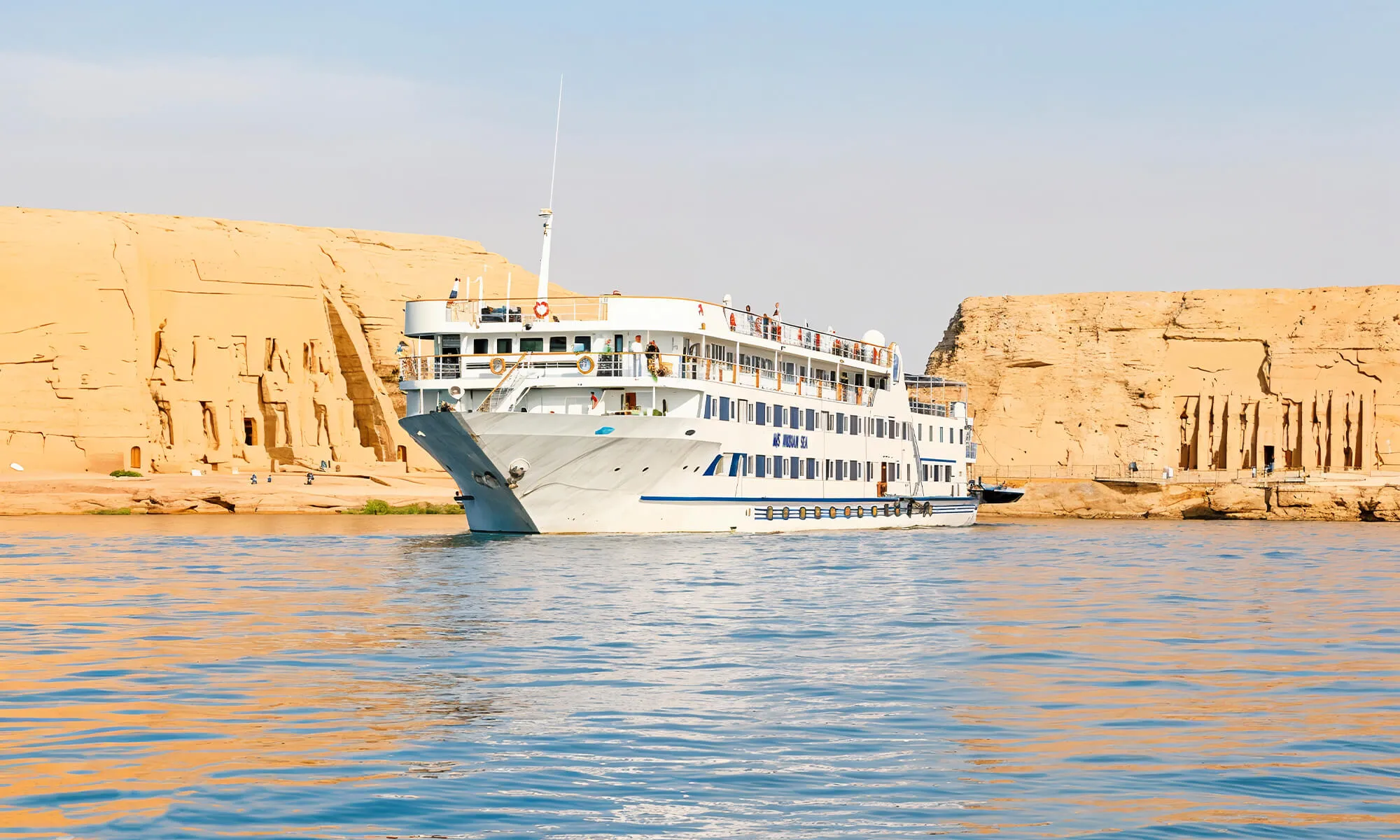
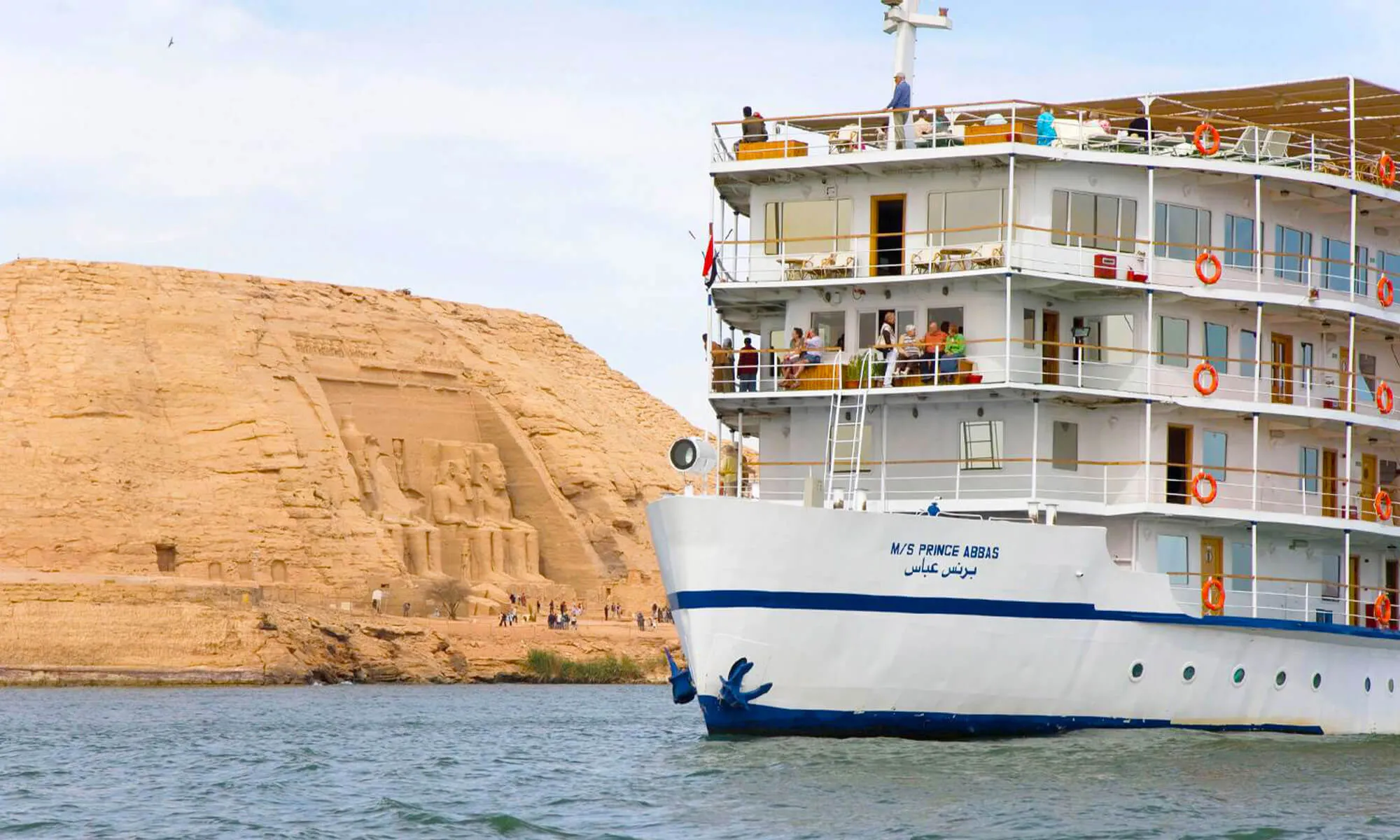
The Temple of Amada stands on the shore of Lake Nasser in Lower Nubia, north of Abu Simbel, in a quiet desert landscape. It is usually visited via Lake Nasser cruises or guided overland trips.

How to Reach:

  • Join a Lake Nasser cruise.
  • Take a private road trip from Abu Simbel.
  • Combine a visit with the Temple of Derr.
  • Include a Tomb of Pennut stop.
  • Hire a licensed Egyptologist guide.
  • Confirm daily opening hours locally.

Activities To Do in Temple Of Amada

When To Visit Temple Of Amada

October to April offers milder temperatures and softer light, ideal for appreciating the painted reliefs and photographing the desert and lake views. In summer, plan early morning visits to avoid heat and glare. Cruise excursions usually schedule shore landings during cooler hours, so confirm timings in advance.

Main Image
Small Image
Attraction Image

Key Facts About Temple of Amada

1

Oldest surviving temple in Nubia, founded in the 18th Dynasty.

2

Dedicated to Amun-Re and Re-Horakhty with an elegant, intimate plan.

3

Built by Thutmose III, completed by Amenhotep II, later enhanced by others.

4

Celebrated for exceptionally preserved New Kingdom painted reliefs.

5

Relocated during the UNESCO Nubia Campaign to prevent flooding by Lake Nasser.

6

Frequently paired with the Temple of Derr and the Tomb of Pennut.

7

A signature Lake Nasser stop for art and history enthusiasts.

Related Attractions