Whatsapp Me

A Complete Wadi es-Sebua Temples Travel Guide

Explore the Temples of Wadi es-Sebua on Lake Nasser: Ramesses II’s rock-cut sanctuary, the Temple of Dakka, and Maharraqa. Discover their Nubian setting, relocation story, striking colossi, and serene desert-lake views, with practical tips on access, best visiting times, and must-do experiences.

Discover the History and Legacy of Temples of Wadi es-Sebua

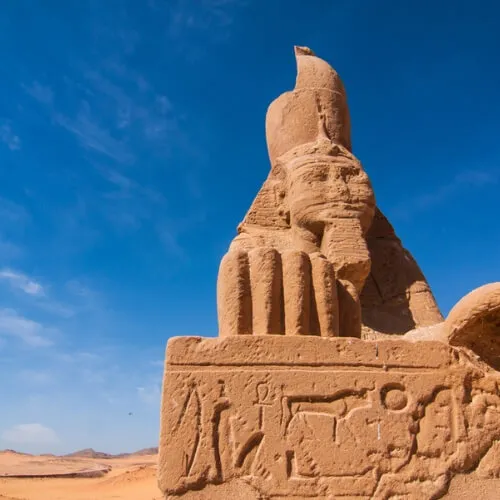
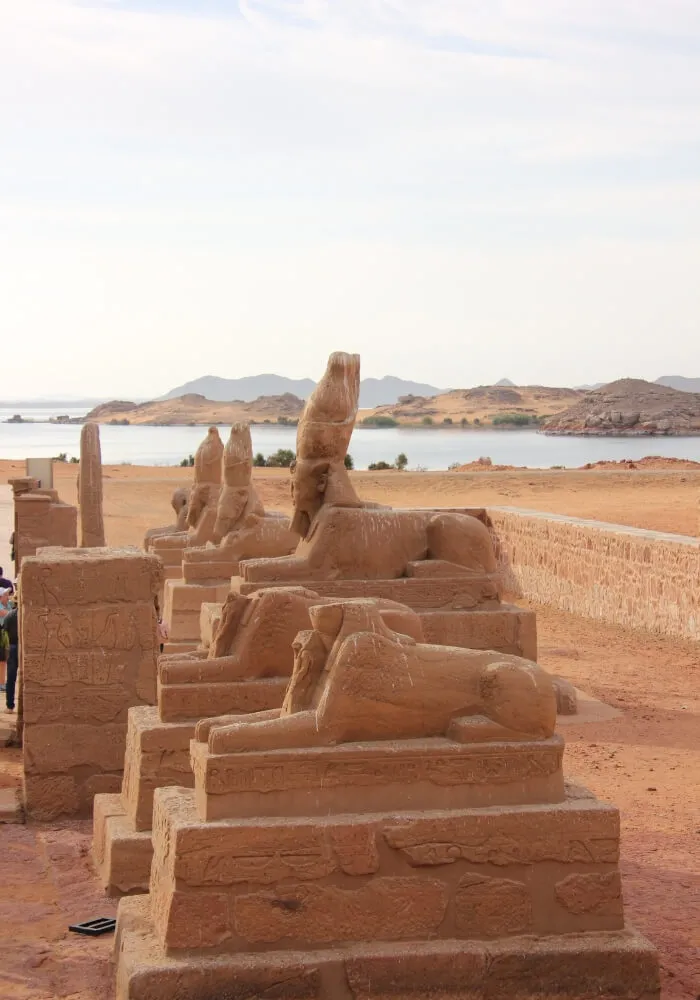
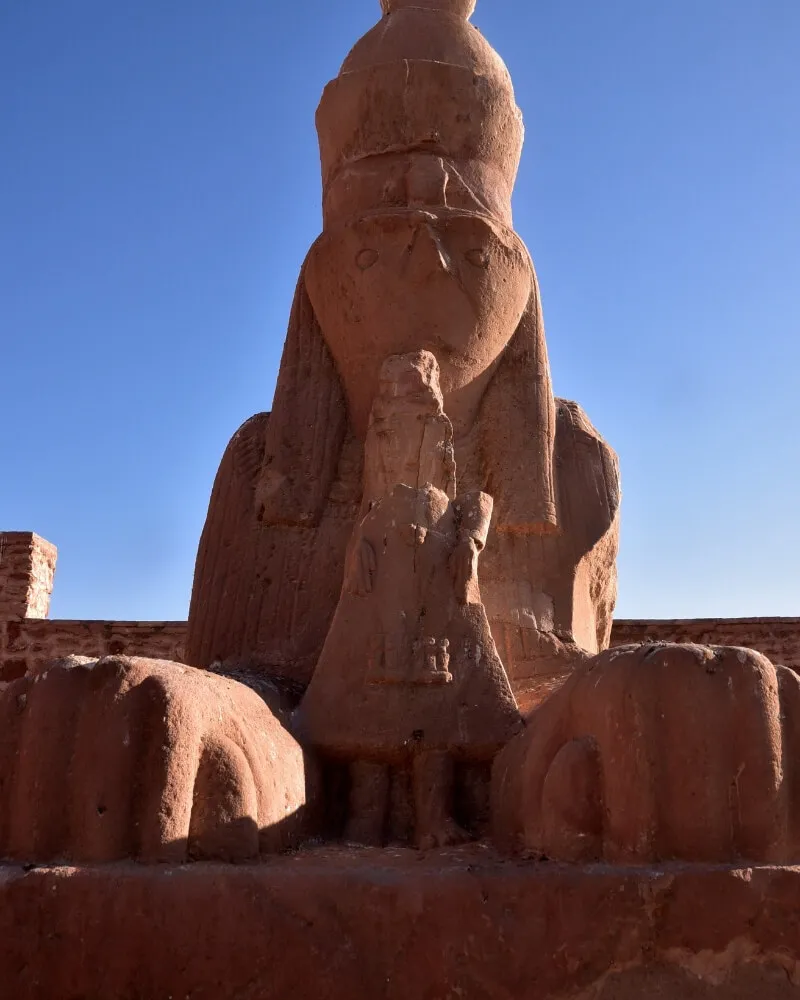
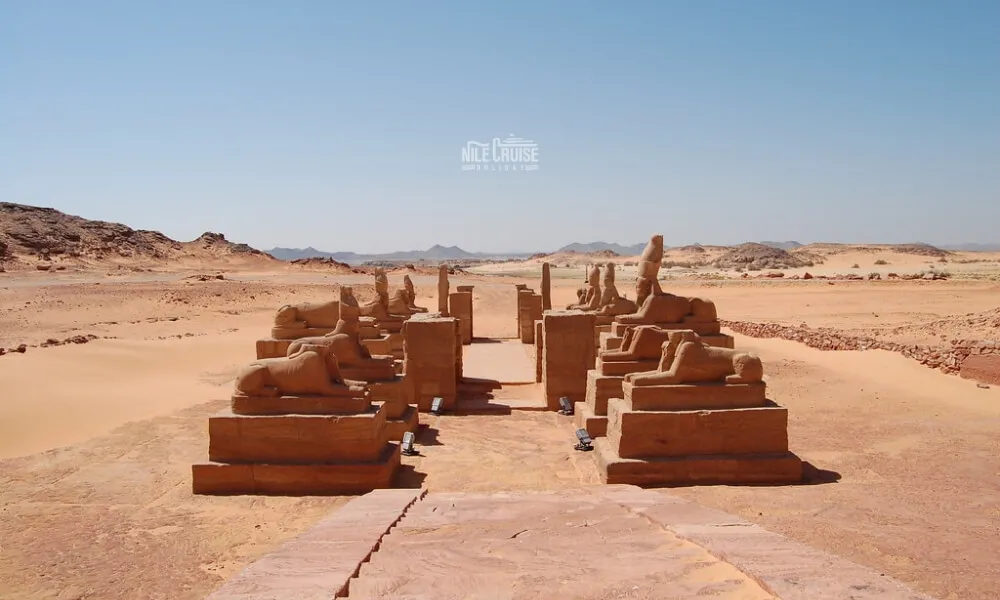
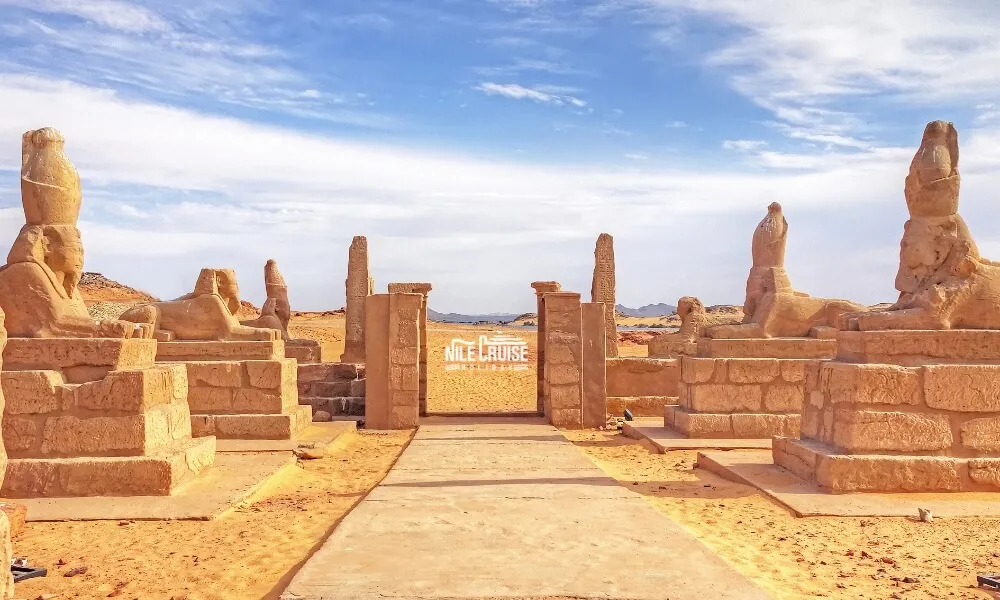
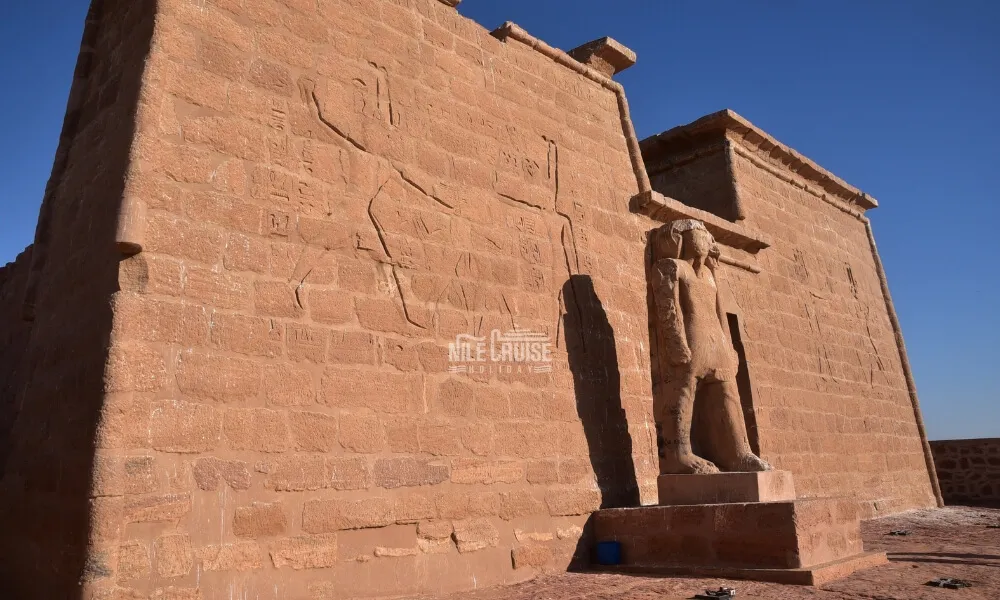
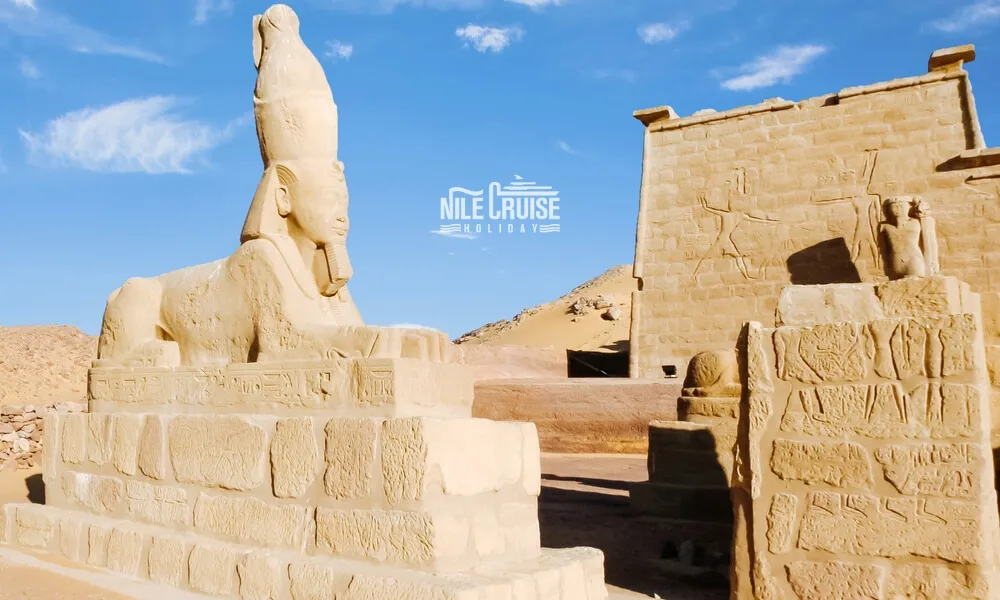
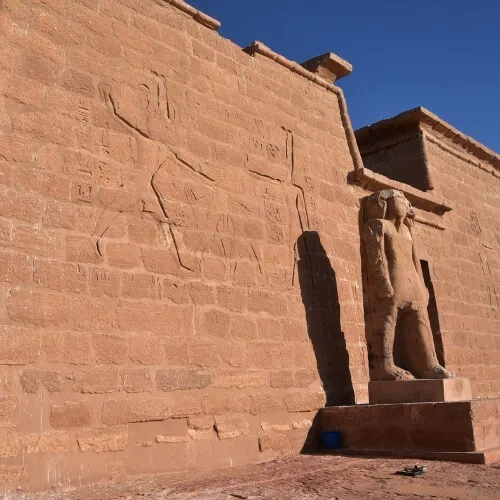
The Temples of Wadi es-Sebua form a remarkable Nubian ensemble now overlooking Lake Nasser. The principal sanctuary, commissioned by Ramesses II, once guarded by a sphinx-lined avenue, honored Amun-Re and Ra-Horakhty and celebrated royal power in Egypt’s south. Nearby stand the Temple of Dakka, expanded in the Ptolemaic and Roman periods for Thoth, and the compact Maharraqa with its elegant colonnade. All three were dismantled and relocated in the 1960s to save them from flooding after the Aswan High Dam, becoming part of the UNESCO-listed Nubian Monuments. Their reliefs preserve scenes of deities, military prestige, and cross-cultural exchange along the Nile’s ancient frontier.

Temples of Wadi es-Sebua Location & How to reach it

On the western shore of Lake Nasser, south of Aswan, at the New Wadi es-Sebua site amid tranquil desert scenery and shoreline birdlife.

How to reach:

  • Lake Nasser cruise stop
  • Overland convoy from Aswan
  • Private 4x4 with permit
  • Combine with Abu Simbel
  • Local guide for permissions
  • Start early to avoid heat

Activities To Do in Wadi Es Sebua Temples

When To Visit Wadi Es Sebua Temples

The best time is October to April when daytime temperatures are mild and skies are clear, ideal for walking the avenues and photographing reliefs. Aim for early morning or late afternoon for softer light and cooler conditions. Summer is possible with precautions: carry water, sun protection, and plan shade breaks.

Main Image
Small Image
Attraction Image

Key Facts About Temples of Wadi es-Sebua

1

Ramesses II’s rock-cut temple is famed for its sphinx-lined processional way.

2

Dakka began in the Meroitic era and was expanded under Ptolemaic and Roman rule.

3

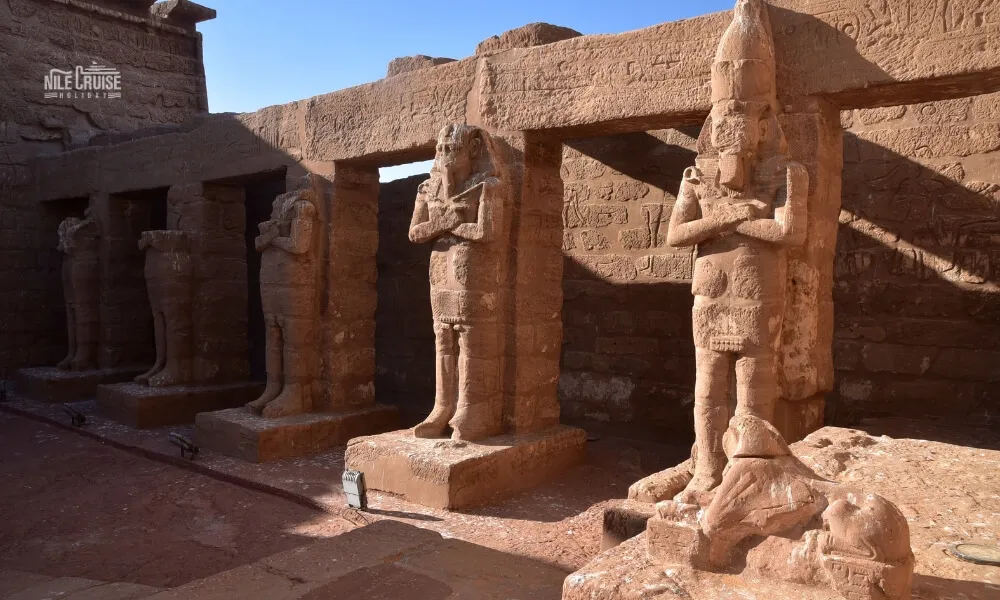
Maharraqa features a graceful courtyard and late-period decorative details.

4

All three temples were relocated in the 1960s due to Lake Nasser’s creation.

5

The complex belongs to the UNESCO-listed Nubian Monuments from Abu Simbel to Philae.

6

Reliefs depict gods such as Amun-Re, Ra-Horakhty, and Thoth alongside royal imagery.

7

The quiet lakeside setting offers excellent photography and birdwatching opportunities.

Related Attractions