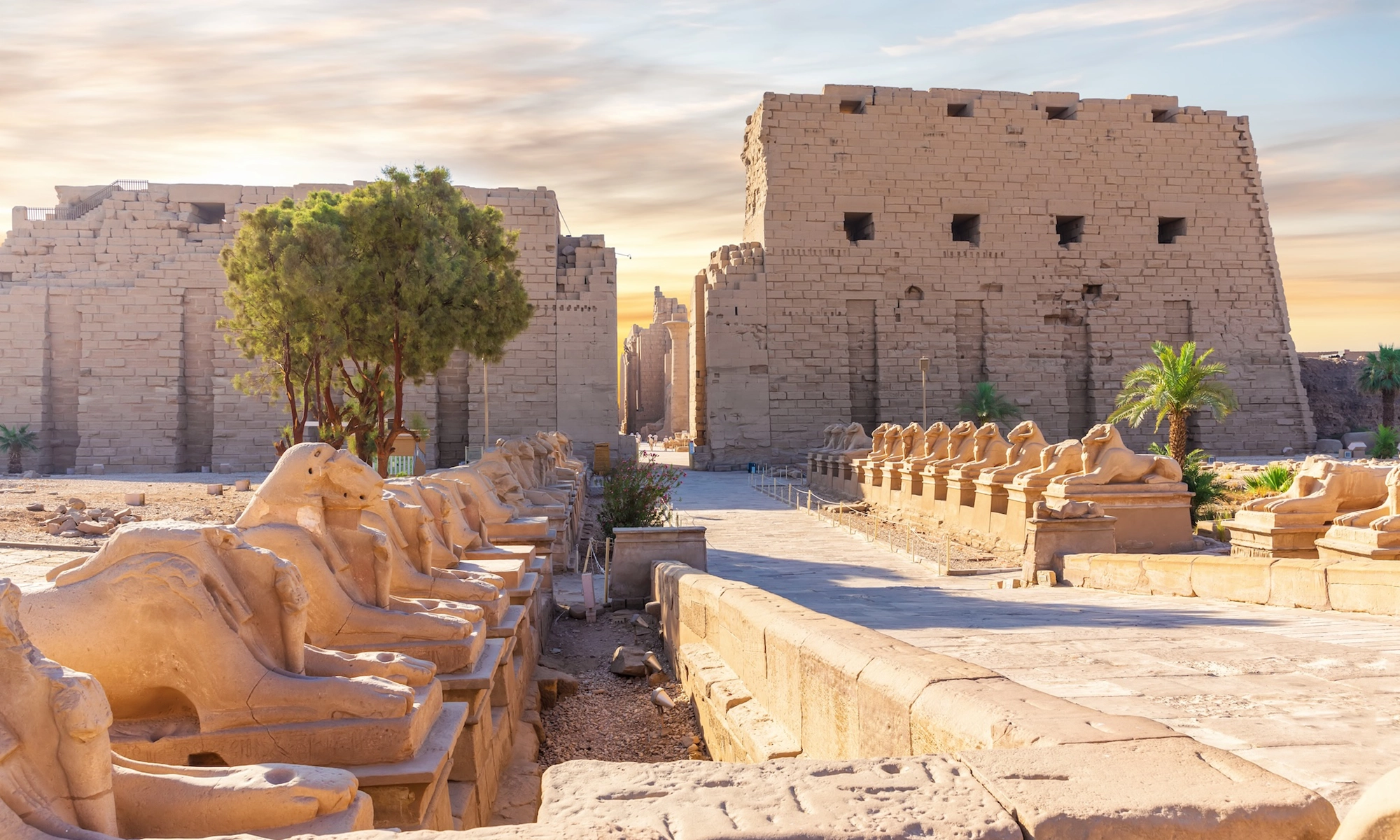
The grand avenue of the sphinxes is an ethereal passage connecting the heavens and the earth; it carries a great symbolic meaning about the mythological and religious mindset of the ancient Egyptians during the golden age.
Three thousand years ago, priests carried the gods along a 2.7 kilometer processional road that links Karnak Temple with Luxor Temple, while the crowd shook rattles and sang. It reopened to visitors in November 2021 after decades of excavation. This guide explains what it is, who built it, how the Opet Festival used it, what you will see on the walk, and the practical details of visiting today.
What Is the Golden Avenue of Sphinxes
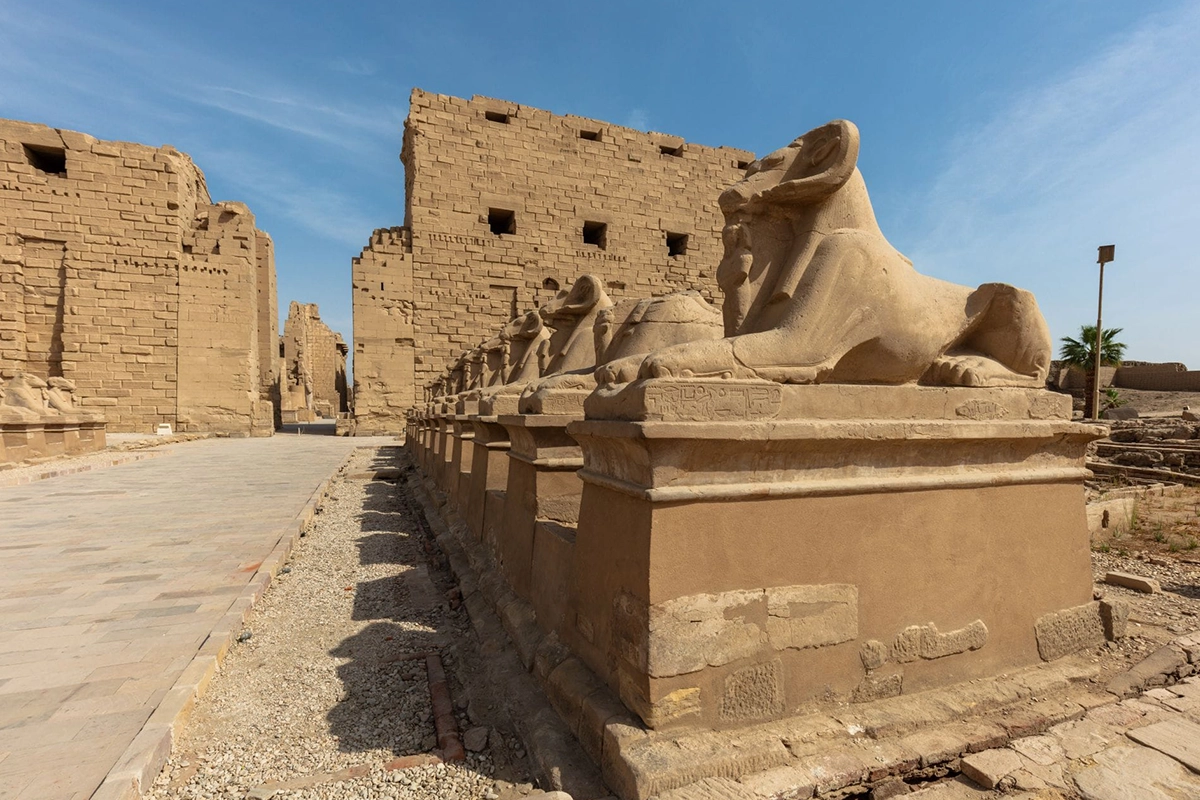
It is the ancient ceremonial road of Thebes, lined with more than a thousand statues.
Where Is the Avenue of Sphinxes?
It lies on the East Bank of the Nile in central Luxor, running between the Karnak Temple complex in the north and the Luxor Temple beside the river. Modern streets, overpasses, and neighborhoods now surround it.
How Long Is the Avenue?
About 2.7 kilometers, or 1.7 miles. At its reopening, it was lined with 1,057 statues, 807 sphinxes, and 250 ram-headed figures, which represent only a part of the original total.
Why Does It Connect Karnak and Luxor Temple?
Karnak was the main home of the god Amun, and Luxor Temple was his southern residence. The road let the gods travel between them in public view, a journey that was the high point of the Theban year.
What Did Ancient Egyptians Call the Road?
The name is usually given in English as the Path of God, from the Egyptian wat netjer. Today it also goes by the King's Festivities Road, and in Arabic as the Rams Road.
Why Was the Avenue Important to Ancient Thebes?
It tied the two great temples into one ceremonial landscape and gave the king a stage. Each festival season it turned a road into a ritual, and the people of Thebes lined it to watch.
Discover Who Built the Avenue of Sphinxes and Why
No single king built it. Several rulers added to it over roughly a thousand years, and scholars still debate who did what.
Hatshepsut and the Early Processional Route
Hatshepsut's Red Chapel at Karnak records way stations for the barques of the gods, and Luxor Temple preserves six barque shrines along the route. Her exact role is debated, but her reign is usually linked to the early processional route.
Amenhotep III and the Expansion of the Sacred Road
Amenhotep III built much of Luxor Temple and is often credited with formalizing the road to it, along with the ram statues. His temple gave the procession a proper destination.
Tutankhamun’s Contribution
After the Amarna period, Tutankhamun restored the old gods and their festivals. The tomb of Tutankhamun is well known, but his work at Luxor Temple matters as much, and some sources link the ram-headed sphinxes to his time.
Nectanebo I and the First Avenue
Nectanebo I, founder of the 30th Dynasty (380 to 362 BC), completed the avenue and added the human-headed sphinxes that make up most of the route. A text on one of his sphinxes mentions refurbishing the road for Amun's "good navigation" at Luxor.
How the Avenue Changed Over Centuries
Sand covered the road, and houses and mosques rose above it. In 1949, Mohammed Zakaria Ghoneim uncovered eight sphinxes near Luxor Temple, and excavation then continued in stages over decades. The full route was established by around 2000, and the avenue opened to the public on 25 November 2021.
How Was the Avenue Used During the Opet Festival?
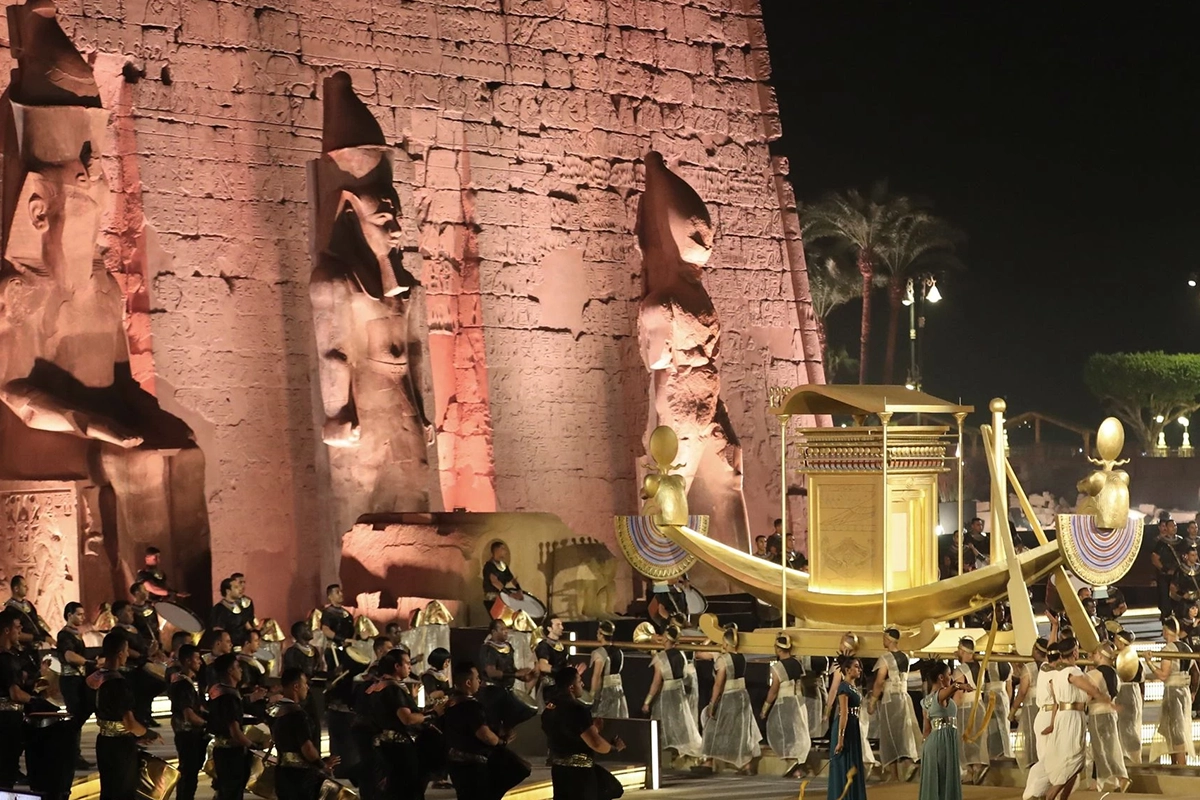
The Opet Festival was the reason the road existed.
What Was the Opet Festival?
It took place each year in the second month of the flood season, when the Nile covered the fields. Under Thutmose III it lasted 11 days, and by the end of Ramesses III's reign it had stretched to 27.
The Procession of Amun, Mut and Khonsu
The statues of Amun, his consort Mut, and their son Khonsu were carried in ceremonial barques. Sources describe the family of gods traveling by land along the avenue and sometimes by river.
The Journey from Karnak to Luxor Temple
Priests carried the barques on their shoulders for roughly 2.7 kilometers, pausing at the shrines. The return trip was part of the celebration as well.
How the Festival Renewed the Pharaoh’s Kingship
At Luxor Temple, the king took part in rites that renewed his royal spirit, or ka, and confirmed him as the son of Amun. The festival also marked the fertility of the land.
Music, Priests and Sacred Barques Along the Route
Priests recited hymns, sailors and soldiers took part, and crowds on the banks made a joyful din with rattles. Only the king and high priests entered the inner sanctuary, so the road was where ordinary people met the gods. A remnant of the tradition survives in the moulid of Abu el-Haggag, held around the mosque inside Luxor Temple.
What Will You See While Walking the Avenue of Sphinxes?
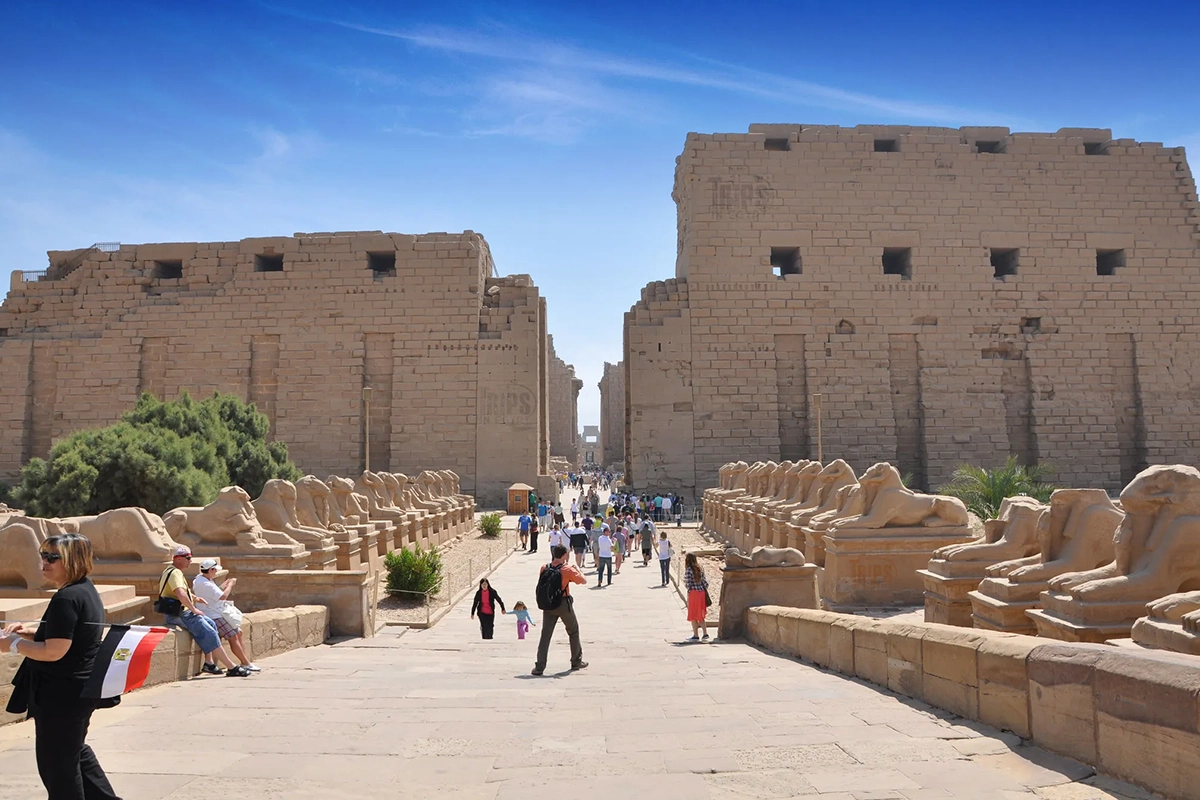
Repetition is the point. The statues repeat for almost three kilometers, and the rhythm becomes the experience.
Human-Headed Sphinxes
Most of the route is lined with lion-bodied sphinxes bearing human heads, attributed to the Nectanebo period. Their faces are worn and weathered, and the close-set rows make the path feel like a corridor.
Ram-Headed Sphinxes and the God Amun
The ram was the animal linked to Amun. Ram-headed statues stand near the Karnak end and around the precinct of Mut, each with a small royal figure sheltered between the paws.
Why the Statues Look Different Along the Route
Different pharaohs built different sections in different eras. Ram heads, human faces, and full ram figures reflect the changing styles and the long stretch of time between the earliest work and the last.
The Karnak End of the Avenue
Near Karnak, the avenue meets the great first pylon and the temple's vast courts, where the Hypostyle Hall holds 134 columns. The scale here is large, and the statues become part of the temple's own approach.
The Approach to Luxor Temple
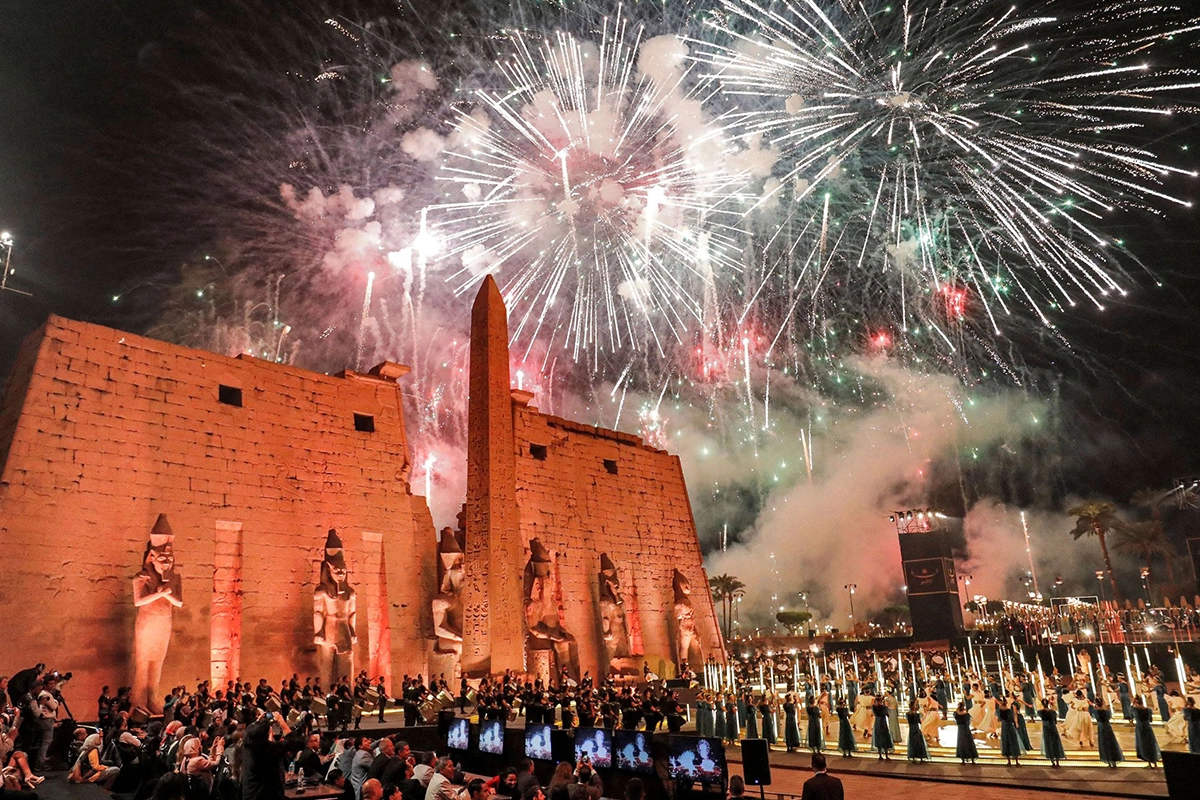
At the southern end, the avenue opens onto the first pylon of Luxor Temple, with its single remaining obelisk (its twin stands in Paris) and colossal statues of Ramesses II. The Mosque of Abu el-Haggag sits within the precinct above the ancient columns.
Ancient Paving and Archaeological Remains
The path is paved in sandstone, and along its edges are the remains of shrines and platforms uncovered during the excavations. The reopened route also shows the layers of later life that grew above it.
How to Visit and Walk the Avenue of Sphinxes Today
A little planning turns a long walk into an easy one.
Can You Walk from Karnak Temple to Luxor Temple?
Yes, though access and entry points have changed since 2021, so ask your guide or the ticket office which stretches are open. Many visitors walk a section and take a taxi for the rest, and the tips to enjoy a Nile cruise guide has pacing advice.
How Long Does the Walk Take?
Steady walking along the full 2.7 kilometers takes roughly 45 minutes to an hour. Photo stops and heat can stretch it to two hours.
Which Direction Should You Walk?
Walking from Karnak toward Luxor Temple follows the path of the procession, and it ends near the river for breakfast or a taxi. Walking from Luxor Temple toward Karnak suits the late afternoon, when the low western sun warms the statues.
Best Time of Day to Visit
Early morning and late afternoon are the best, and October to April is the most comfortable season, as the best time to cruise the Nile guide and the December and January pages show. Midday from May to September is hot, and weekdays are calmer than Fridays and holidays.
Avenue of Sphinxes Tickets and Entrance
Reports differ on how tickets work, and the rules have changed since the 2021 reopening. Entry has been linked to a Karnak or Luxor Temple ticket, so confirm at the gate or through your guide.
Karnak and Luxor Temple Opening Hours
Karnak opens daily from 6 a.m., and the NCH guide lists last entry at 4 p.m. Luxor Temple stays open into the evening, and hours can change in Ramadan and by season, so confirm the day before.
What to Wear and Bring
Comfortable walking shoes, a hat, sunglasses, sunscreen, and water matter on open ground with little shade. The what to pack for a Nile cruise guide has a wider list.
Photography Tips
Soft morning light flatters the carved faces, and low sun at the end of the day warms the sandstone. Photographing from a low angle along the line of statues gives the strongest sense of depth.
Can You Visit the Avenue at Night?
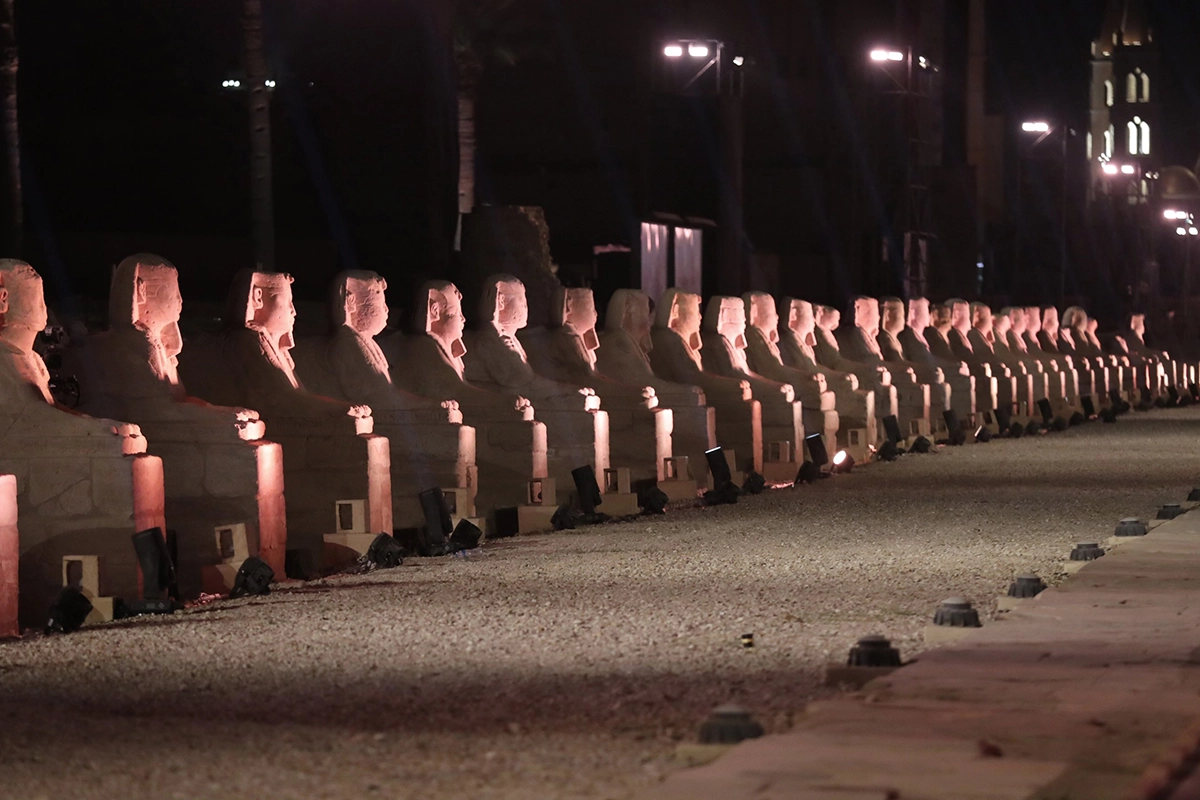
Parts of the route are lit after dark, and Luxor Temple is floodlit in the evening. Karnak holds a Sound and Light Show on most evenings, but night access along the whole avenue varies, so confirm locally.
Is the Avenue of Sphinxes Worth Visiting?
Yes. It links two of Egypt's greatest temples and shows how they worked together. A guide's explanation of the Opet Festival turns the walk from a stroll into a story.
Book Your Nile Cruise To the Epic Avenue of the Sphinx
The Avenue of Sphinxes is Luxor's golden thread, a road that still joins two temples across three thousand years. Nile Cruise Holiday builds Luxor days around it, with certified Egyptologist guides, private air-conditioned vehicles, and tickets arranged in advance.
Our Nile river cruises are a good place to start, or ask the team to design a route through the tailor-made service. The things to do in Luxor guide adds more ideas, the why choose us page explains how trips are handled, and you can contact us to start planning.