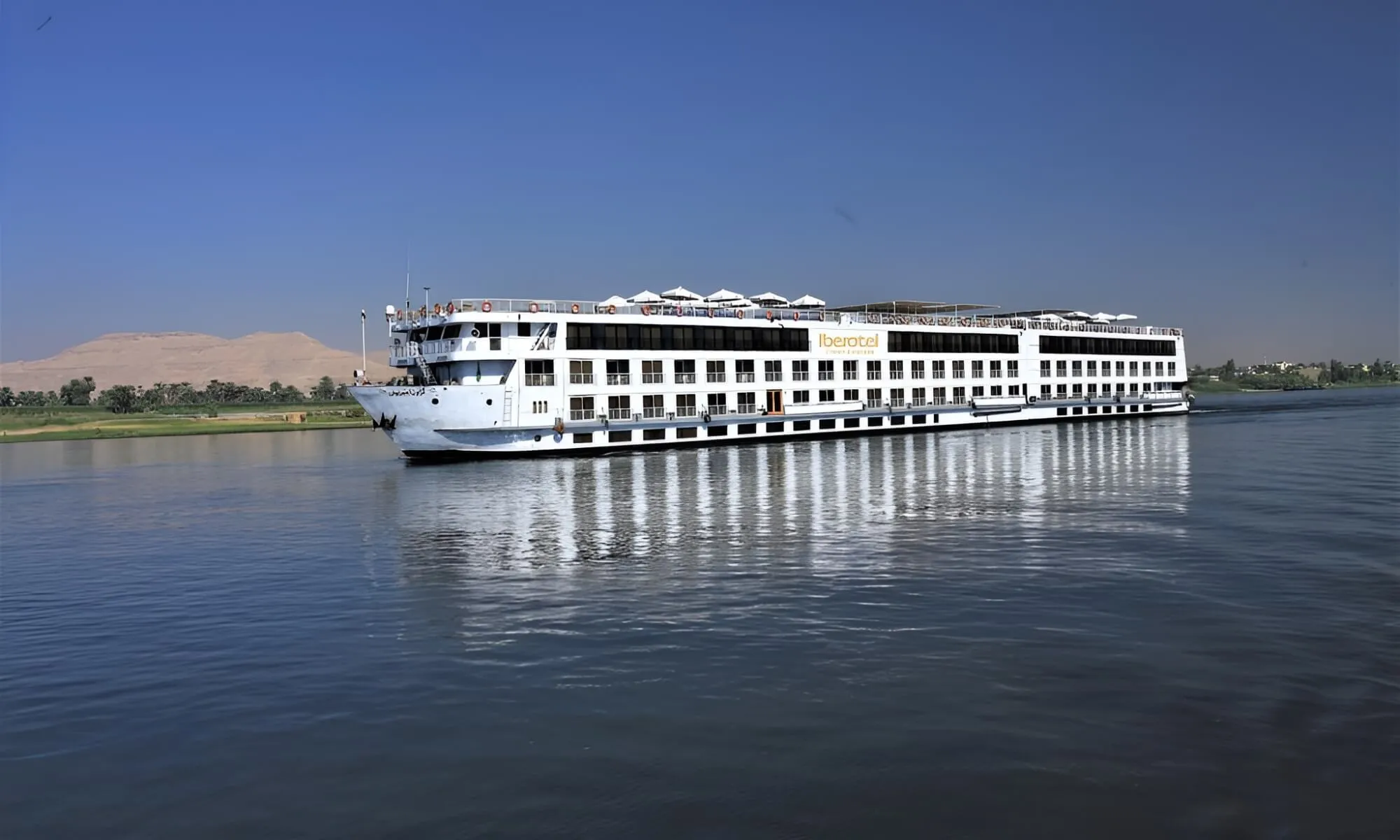
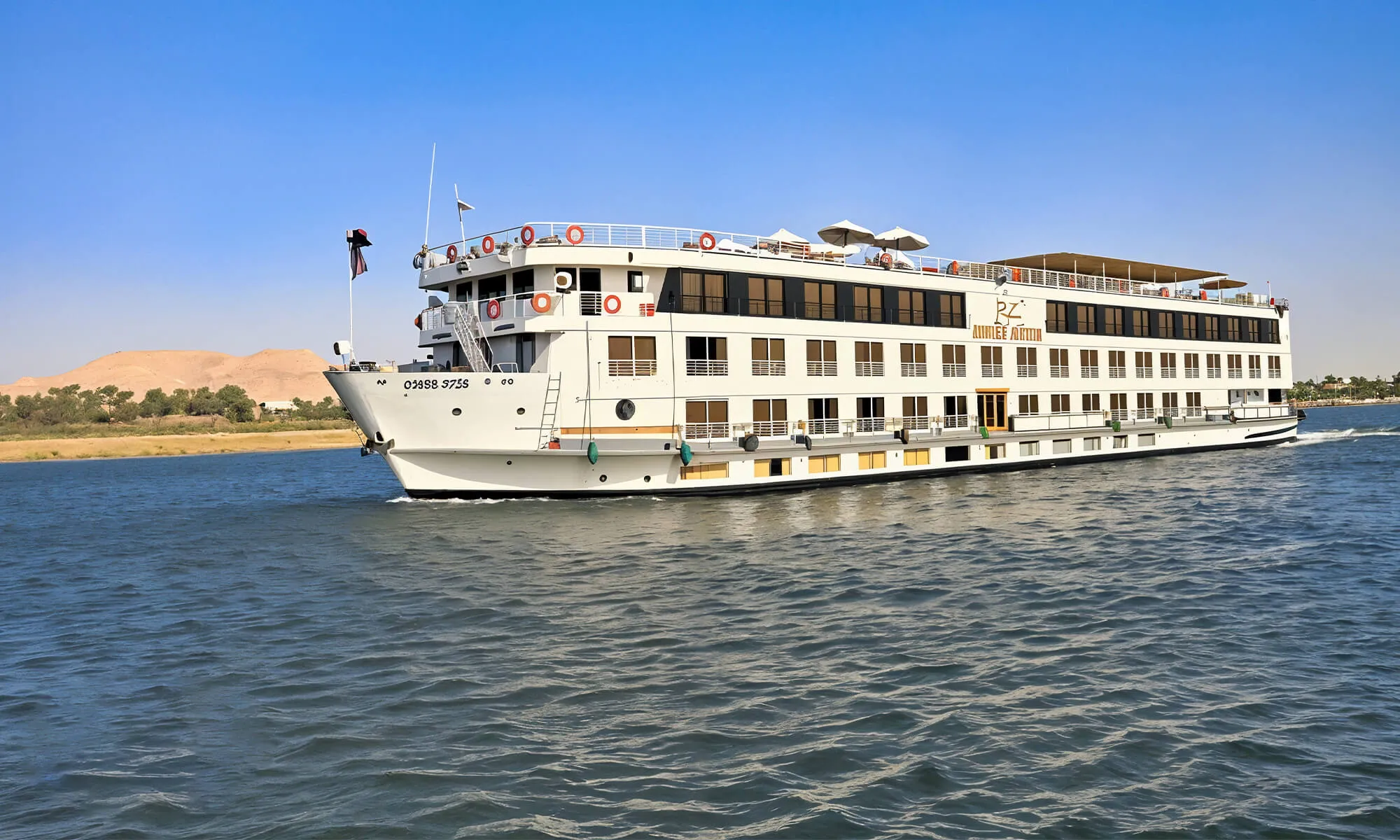
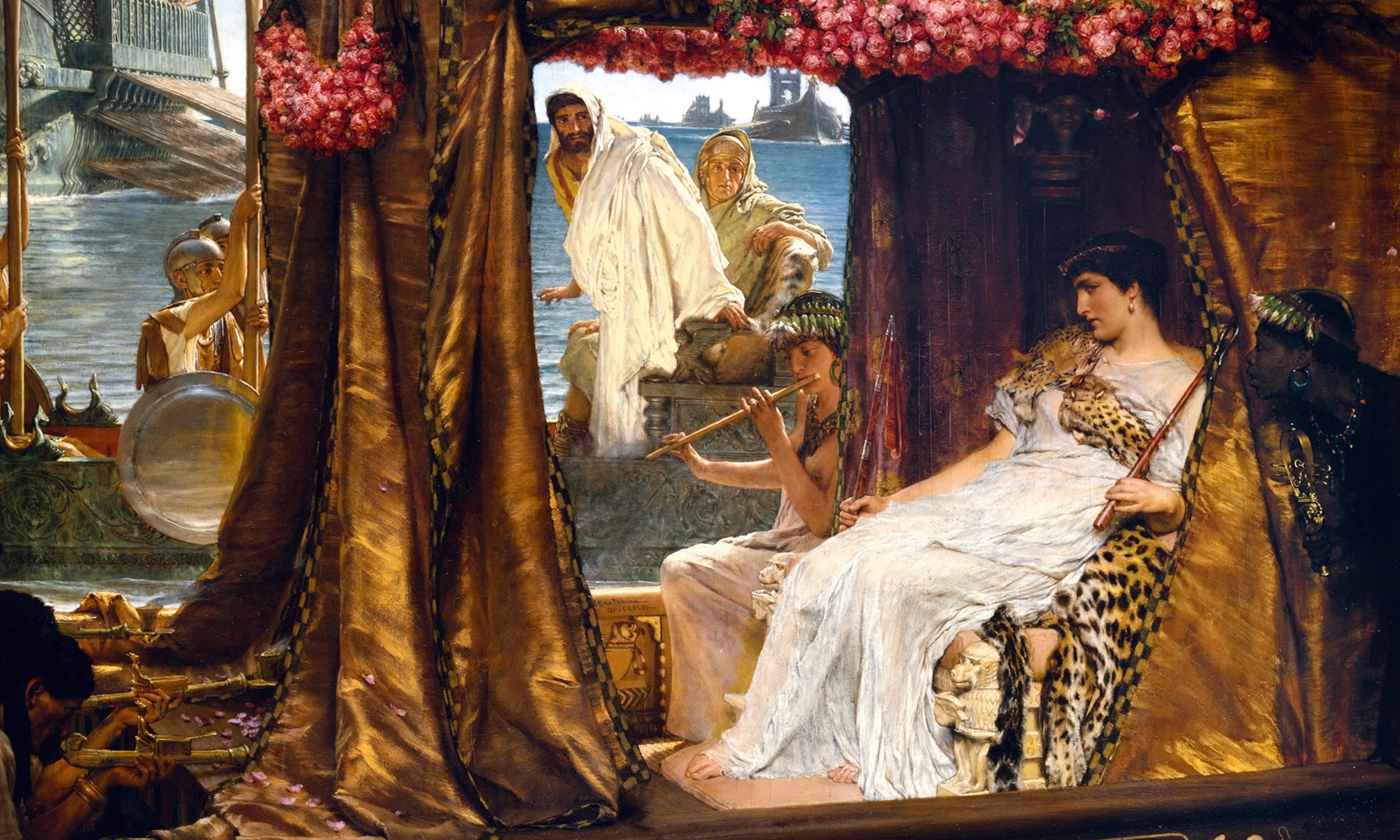
Ancient Thebes sits on two sides of one river, and that single fact shapes almost every good Luxor itinerary. The East Bank holds the temples and the living city, where pharaohs worshipped and ruled. The West Bank holds the tombs and mortuary temples, where they were buried, since the sun set over that side of the Nile each evening. This guide covers both banks properly, adds the experiences that fall outside a straightforward temple list, and sets out exactly how many days to budget so the sightseeing works with Luxor's heat and crowds rather than against them.
Things to Do on Luxor's East Bank
The East Bank is the natural starting point for most visits, whether a traveler has just arrived in Luxor or is spending a day here before or after a Nile cruise departing from Luxor. Its sites sit close together and group easily into a single morning or afternoon.
Visit Karnak Temple

Karnak is the non-negotiable first stop, and its scale takes most visitors by surprise. The Great Hypostyle Hall's 134 towering columns, the sacred lake, and the avenue of ram-headed sphinxes were built up by successive pharaohs over roughly two thousand years, which is exactly why a knowledgeable Egyptologist matters here. Without that context, Karnak reads as an impressive ruin. With it, the complex becomes a layered record of who added what, and why.
See Luxor Temple at Night

Luxor Temple rewards a specific kind of planning: visiting after dark. Once illuminated, its columns and statues take on a dramatically different character, and an evening visit sidesteps the worst of the daytime heat entirely. Nile Cruise Holiday builds this in deliberately, scheduling Luxor Temple for the evening while reserving cooler morning hours for sites that close earlier, so the day's heaviest heat never falls on a site that works better lit up anyway.
Explore Luxor Museum

Luxor Museum is a quieter, more curated stop than either major temple, and it earns its place best in the late afternoon between heavier sightseeing blocks. Its smaller collection, well-labeled and thoughtfully displayed, gives tired legs a break without sacrificing substance.
Having introduced the monuments of ancient Thebes, the city's most dramatic archaeological landscape waits across the river.
Best Things to See on Luxor's West Bank
The West Bank spreads its sites across several kilometers of desert plain, which means they work best as one coordinated morning with a private vehicle rather than independent taxi hopping between stops. Some of the best stops along the Nile cluster right here, within a short drive of each other.
Explore the Valley of the Kings
The Valley of the Kings is Luxor's must-see attraction, but trying to see every open tomb in one visit usually backfires. The standard ticket covers a set number of tombs, with premium options like Tutankhamun's or Seti I's sold separately, and choosing a handful strategically, rather than rushing through all of them, makes for a far better morning. Nile Cruise Holiday coordinates an early arrival here, ahead of the tour-bus convoys that fill the Valley by mid-morning.
Visit Hatshepsut Temple and the Colossi
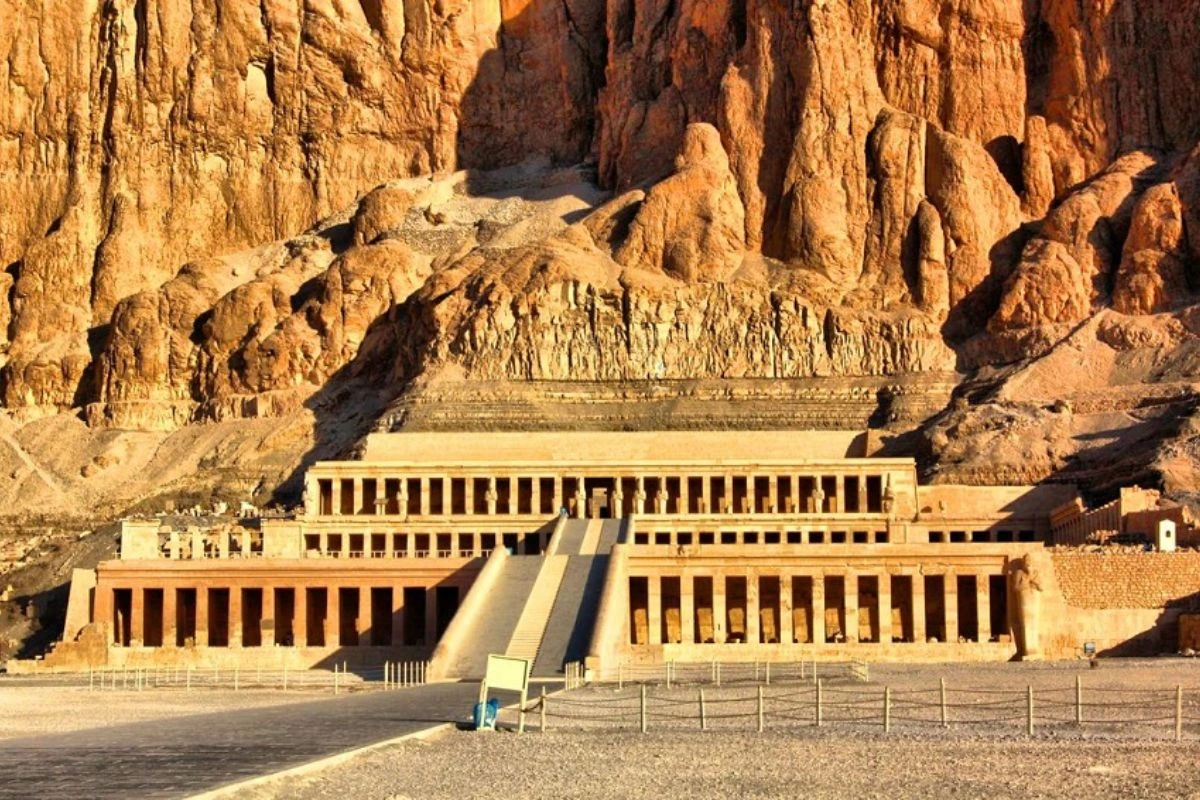
Hatshepsut's mortuary temple, cut into the cliffs in dramatic terraces, looks unlike anything else on the West Bank and photographs best in the clear morning light that an early start provides. The Colossi of Memnon, two weathered seated statues once part of a vanished temple, sit right along the road and reward a brief stop rather than a long one.
Discover Medinet Habu and Deir el-Medina
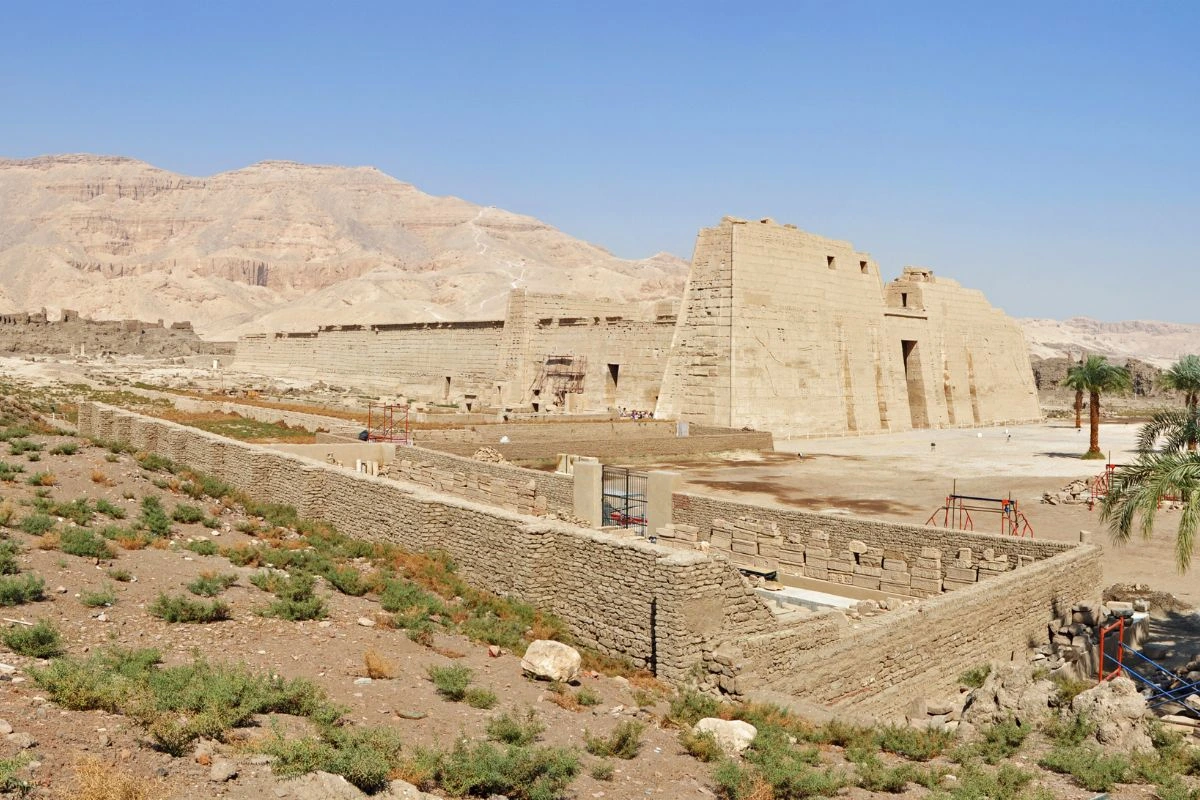
Travelers with more time, or a stronger pull toward history, find two rewarding alternatives here. Medinet Habu keeps unusually vivid original color on its reliefs, telling a battle story not unlike the love story of Ramses II and Nefertari found elsewhere on the West Bank. Deir el-Medina, the village where the tomb builders themselves lived, offers a rarer window into the workers behind these monuments rather than the kings they served.
Nile Cruise Holiday schedules the West Bank early, often right after a sunrise balloon flight, so clients reach the tombs before the heat and the tour buses both peak.
Luxor is not only temples and tombs. Some of its most memorable moments come from seeing the same landscape from the sky or the river.
Unique Things to Do in Luxor
A few experiences break up the archaeological rhythm and give a Luxor itinerary room to breathe.
Take a Sunrise Hot Air Balloon Ride

A sunrise balloon flight over the West Bank is Luxor's signature non-temple experience. Flights launch early and depend on wind conditions, and the timing pairs naturally with a West Bank tour immediately afterward, since both already call for an early start.
Sail the Nile on a Sunset Felucca
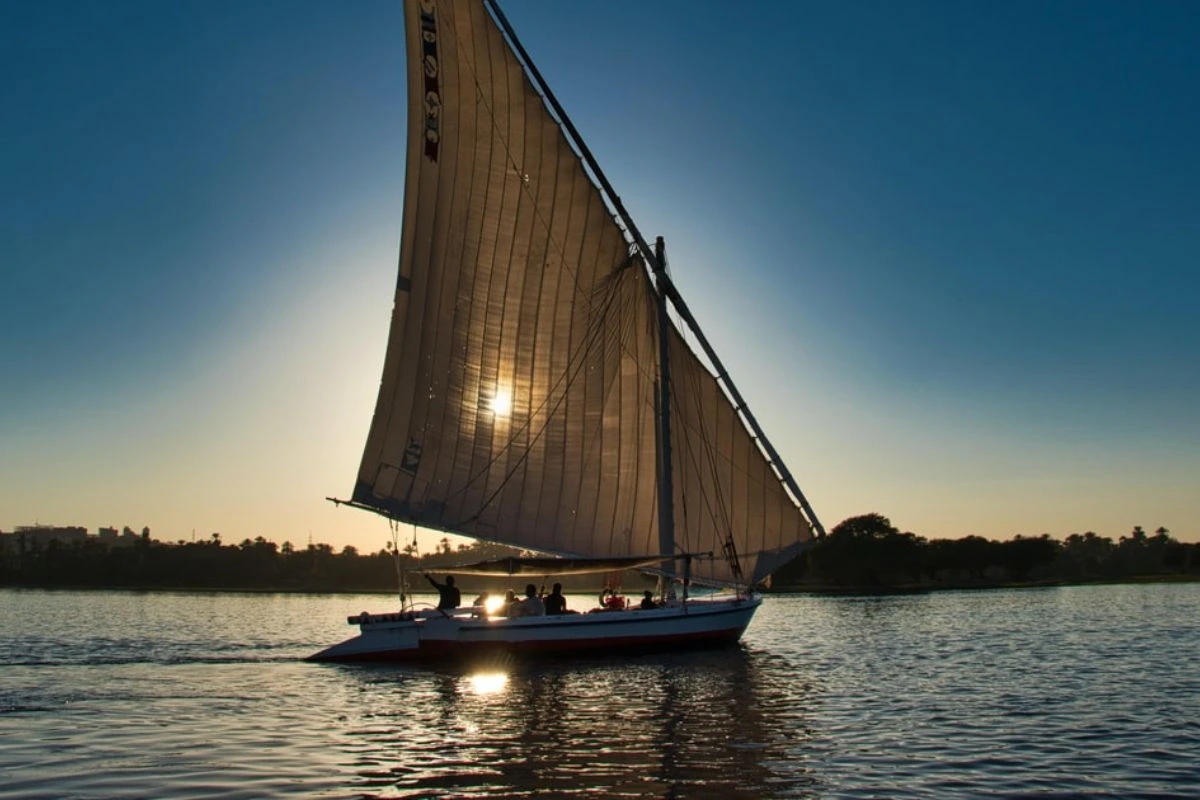
A traditional felucca sail at sunset offers a quieter counterpoint after a day of temples and tombs, with nothing to do but watch the riverbank slide past. Travelers drawn to this slower pace on the water often enjoy learning more about the Dahabiya Nile cruise, its sail-powered cousin built for multiple days rather than one evening.
Walk Along the Luxor Corniche
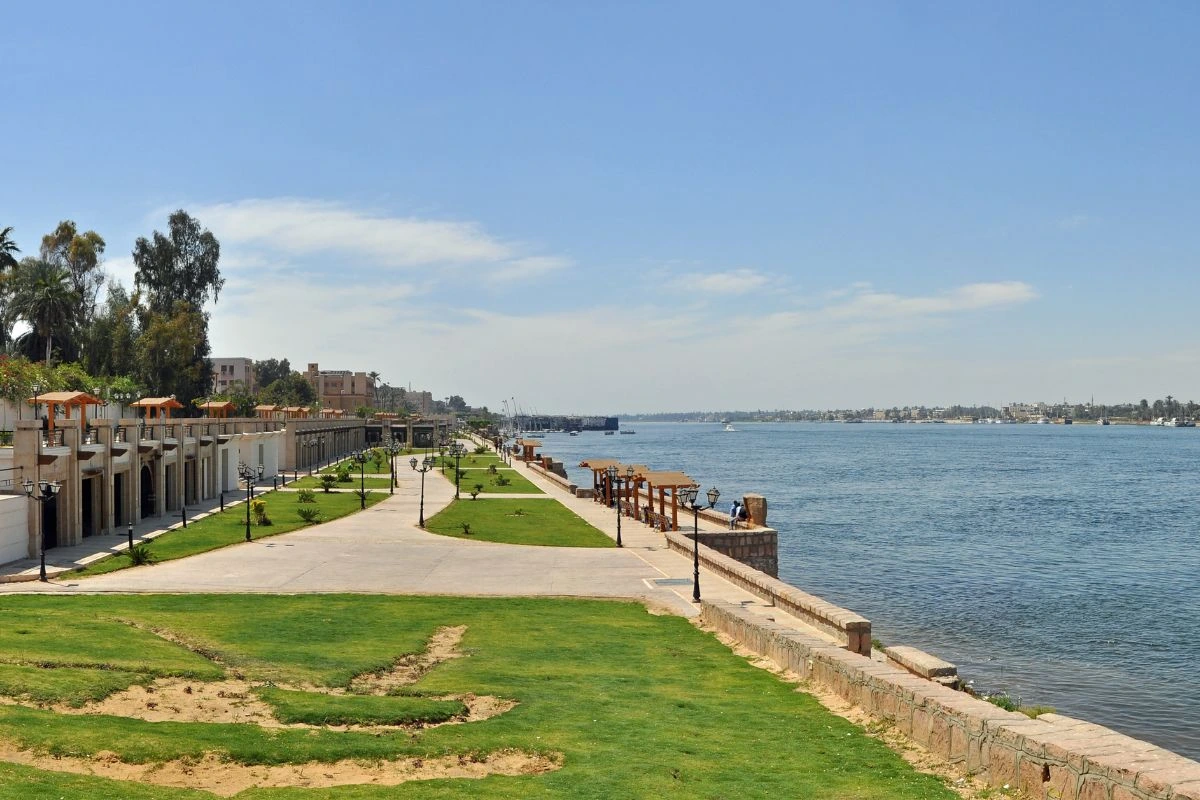
Luxor is a living city as much as an open-air museum, and a walk along the Corniche, past cafés and river views, is a good reminder of that between heavier sightseeing days.
How Many Days Do You Need in Luxor?
The right number of days depends on pace, not just a checklist of sites, and knowing how many days a trip actually needs matters as much in Luxor as it does on a longer Nile cruise.
One Day in Luxor
One day is intensive but workable: an optional balloon flight, the Valley of the Kings, Hatshepsut, Karnak, and Luxor Temple after dark. It requires a private guide and vehicle to move efficiently between banks, and it suits travelers building Luxor into a wider tailor-made itinerary rather than a standalone trip.
Two Days in Luxor
Two days is the sweet spot that most well-planned itineraries land on. One full day covers the West Bank at an unhurried pace, and a more relaxed second day handles Karnak, Luxor Temple, and Luxor Museum. Travelers continuing north often pair this with a 4-day Nile cruise itinerary from Aswan to Luxor, arriving in Luxor already rested rather than rushing straight into sightseeing.
Three Days in Luxor
A third day makes room for Medinet Habu, Deir el-Medina, or a genuine day trip, rather than repeating the headline sites. It also suits travelers easing into a longer 5-day Nile cruise itinerary from Luxor to Aswan, since the extra day gives the West Bank's quieter corners proper attention before boarding.
Combine Luxor with a Nile Cruise
For most travelers, Luxor's real role is as the starting or ending point of a Nile cruise rather than an isolated stop. Nile Cruise Holiday synchronizes private Luxor sightseeing with Luxor to Aswan Nile cruise embarkation and disembarkation as one sequence, so a morning arrival becomes a West Bank session rather than lost time between hotel checkout and boarding. The same coordination carries into an 8-day Cairo and Nile cruise package or straight onward to things to do in Aswan once the ship docks there.
Conclusion
Luxor rewards travelers who plan by bank and by time of day rather than by a simple checklist, from an early Valley of the Kings morning to a Luxor Temple evening lit against the dark. For those ready to extend the journey south, Egypt tour packages with a Nile cruise turn that same Luxor itinerary into the start of a longer trip along the river, with every transfer and boarding time already coordinated.