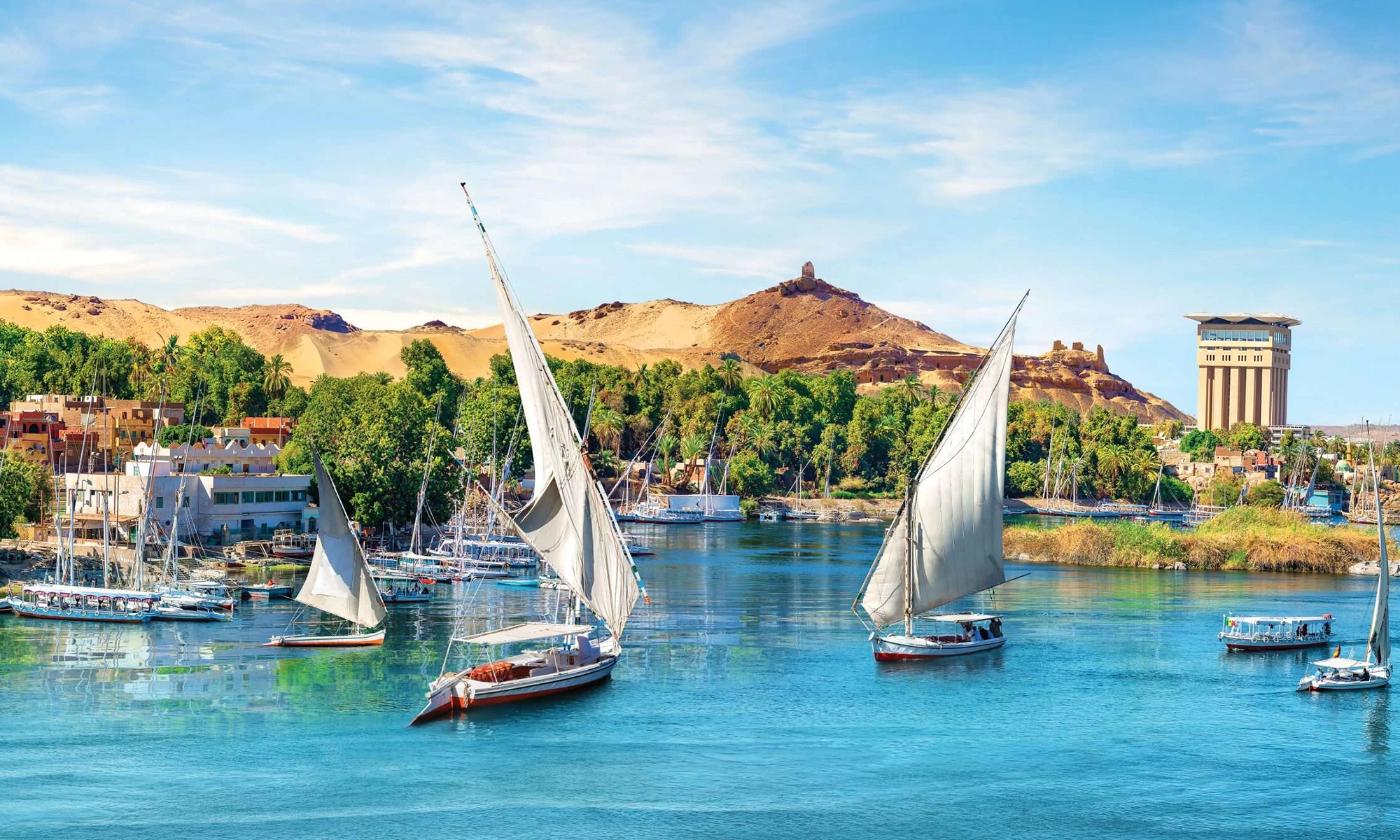
A journey along the Nile River is a voyage through history, culture, and stunning landscapes that have captivated travelers for centuries. As the lifeblood of Egypt, the Nile connects ancient temples, bustling cities, and timeless natural beauty. However, planning a Nile cruise involves more than choosing destinations and excursions; understanding when to embark based on the weather and seasonal rhythms is essential to fully enjoy this majestic experience. Whether you seek comfortable temperatures for exploring, fewer crowds, cultural festivities, or budget deals, this comprehensive guide will help determine the best time to cruise the Nile.
Understanding the Nile Cruise Route
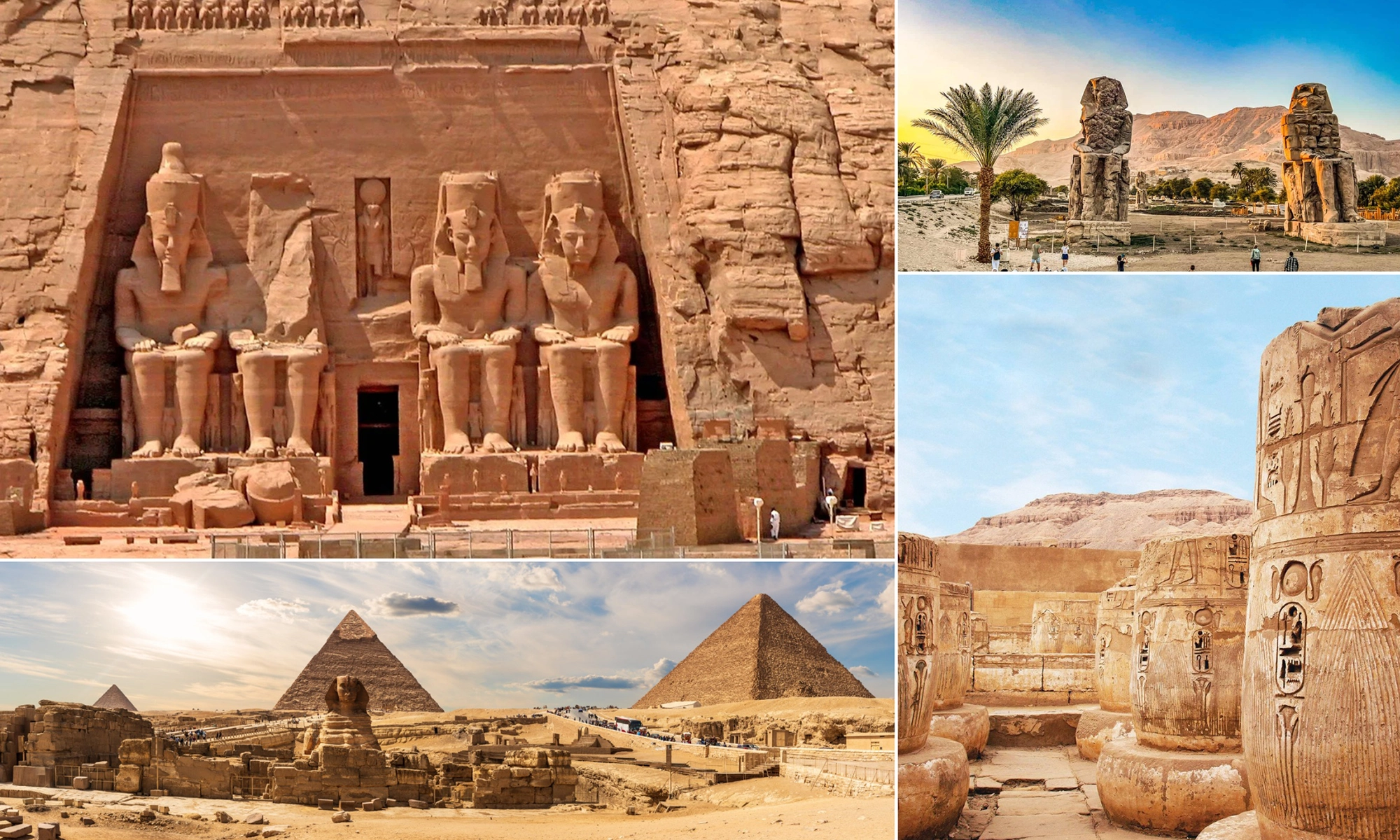
Most Nile cruises navigate the stretch between Luxor and Aswan, a route steeped in archaeological wonders like the Karnak and Luxor Temples, the Valley of the Kings, Kom Ombo, Edfu, and Aswan’s serene temples and islands. This roughly 180-kilometer route offers a balance of scenic river views and heritage sites. Some itineraries extend to Cairo or Lake Nasser, introducing subtle variations in weather to consider. Since Aswan lies further south, it generally experiences slightly warmer conditions than Luxor, but the regional climate remains fairly consistent for most travelers.
Seasonal Weather Patterns Along the Nile

Egypt’s climatic rhythm influences every aspect of a Nile cruise from the comfort of on-deck relaxation to the timing of temple visits. The Nile climate is divided into four distinct seasons, each with unique advantages.
Winter (November to February)
Winter is the most popular season, characterized by mild days averaging 15°C to 25°C (59°F–77°F) and cool nights. This pleasant weather facilitates lengthy temple explorations and comfortable sightseeing, even into the evening when temperatures may drop enough to require light jackets. The clear skies and soft sunlight during winter also create a perfect ambiance for photography. However, winter’s shorter daylight hours mean planning time-efficient excursions. This season coincides with festive moments like Coptic Christmas and New Year celebrations onboard the cruises, making it the ideal time to enjoy a Christmas & New Year Nile Cruise. These special sailings combine Egypt’s cultural richness with holiday festivities, offering travelers a magical way to celebrate the season along the timeless Nile River.
Spring (March to May)
Spring offers a warm climate with temperatures rising to 25°C to 35°C (77°F to 95°F), enlivened by blooming riverbanks and fresh greenery. It is a vibrant period for nature lovers and photographers, but travelers should be mindful of the Khamsin winds, which are dry, dusty gusts blowing from the desert during March and April that occasionally affect visibility and comfort. Spring’s moderate humidity and UV levels mean sun protection remains important. This season also coincides with the ideal time for an Easter Nile Cruise, allowing travelers to enjoy Egypt’s beautiful scenery and festive atmosphere while celebrating Easter along the tranquil Nile River.
Summer (June to August)
Summer presents the greatest challenges, with daytime temperatures often surpassing 40°C (104°F). The intense heat discourages many travelers but rewards those willing to brave the season with fewer crowds and reduced prices. During summer, activities are generally scheduled for early mornings and late afternoons to avoid peak midday heat, while midday hours are ideal for onboard relaxation or enjoying shaded amenities. Visitors should prioritize lightweight, breathable clothing, strong sun protection, and ample hydration.
Autumn (September to October)
Autumn marks one of the most delightful times to cruise the Nile, with warm yet comfortable weather ranging between 25°C and 30°C (77°F–86°F). The season balances pleasant warmth with cooler evenings, fostering relaxed days on deck and leisurely temple visits. Autumn also hosts local festivals such as Eid al-Adha, enriching the cultural experience. Photographers benefit from the golden light that enhances the scenic beauty.
Local Adaptations and Cultural Insights
Egyptians’ daily rhythms along the Nile reflect the changing seasons, offering visitors authentic glimpses into local life. During winter, café culture thrives, with locals enjoying evening strolls along river promenades. Spring’s renewal brings picnics and agricultural activity. Summer afternoons turn quiet as many pause activities to avoid the heat, shifting socializing to mornings and evenings. Autumn markets brim with seasonal fruits and lively social exchanges, while felucca sails under gentle twilight becomes a favored pastime.
Choosing the Best Time to Cruise the Nile

Experts and seasoned travelers generally agree that the prime window for a Nile cruise spans from October through April. During these months, temperatures remain comfortable, humidity is moderate, and sunlight enhances sightseeing and photography. This period combines pleasant climatology with peak accessibility to archaeological sites. For travelers seeking to avoid crowds and enjoy cost savings, the shoulder months of May and September offer viable alternatives. These months feature warmer weather that remains manageable and fewer tourists. Budget-conscious explorers can consider June through August for the lowest prices, accepting the intense heat and adapting their schedules accordingly.
Weather Impact on Cruise Activities and Itineraries
The seasonal climate directly shapes the daily structure onboard Nile cruises. In the cooler months, excursions and temple visits can occur throughout the day, maximizing sightseeing opportunities. Conversely, in summer, tour guides favor dawn and dusk to navigate extreme daytime temperatures, enhancing visitor safety and comfort. Seasonal lighting also influences photography styles: softer, diffused light in winter and autumn contrasts with sharp, vibrant clarity in summer. Although the Nile’s water levels remain relatively steady due to dams, summer’s lower water can occasionally impede access to more remote sites.
Packing Smartly for Your Nile Cruise
Packing wisely according to the season is crucial for comfort. Winter travelers should bring layers, including light sweaters or jackets for chilly evenings, alongside comfortable walking shoes for temple visits. During spring, breathable fabrics, wide-brim hats, sunscreen, and scarves to shield against dust are ideal. Summer calls for light cotton or linen outfits, strong sunblock, and hydration essentials like refillable water bottles. Autumn guests benefit from lightweight clothing with a sweater for brisk evenings, balancing warmth with versatility.
Travel Tips for Different Weather Conditions
Planning ahead and adjusting expectations based on seasonal realities greatly enhances the cruise experience. Winter travelers are advised to book early due to high demand, and layer clothes to manage temperature fluctuations. Spring visitors should prepare well for sun exposure and potential dust storms. Summer requires careful itinerary planning to avoid midday heat, emphasizing water intake and seeking cabins with effective air conditioning. Autumn offers moderate conditions appealing to most, with a mix of warm days and refreshing evenings.
Conclusion
Whether drawn by winter’s crisp charm, spring’s floral vibrancy, summer’s solitary serenity, or autumn’s golden glow, each season offers a unique way to experience the Nile River cruise and the river’s enduring magic. Understanding seasonal weather helps travelers choose the perfect time that aligns with their preferences, budget, and itinerary goals. With thoughtful planning and a spirit of adventure, a Nile River cruise promises an unforgettable journey through time, culture, and nature, an experience to cherish for a lifetime.