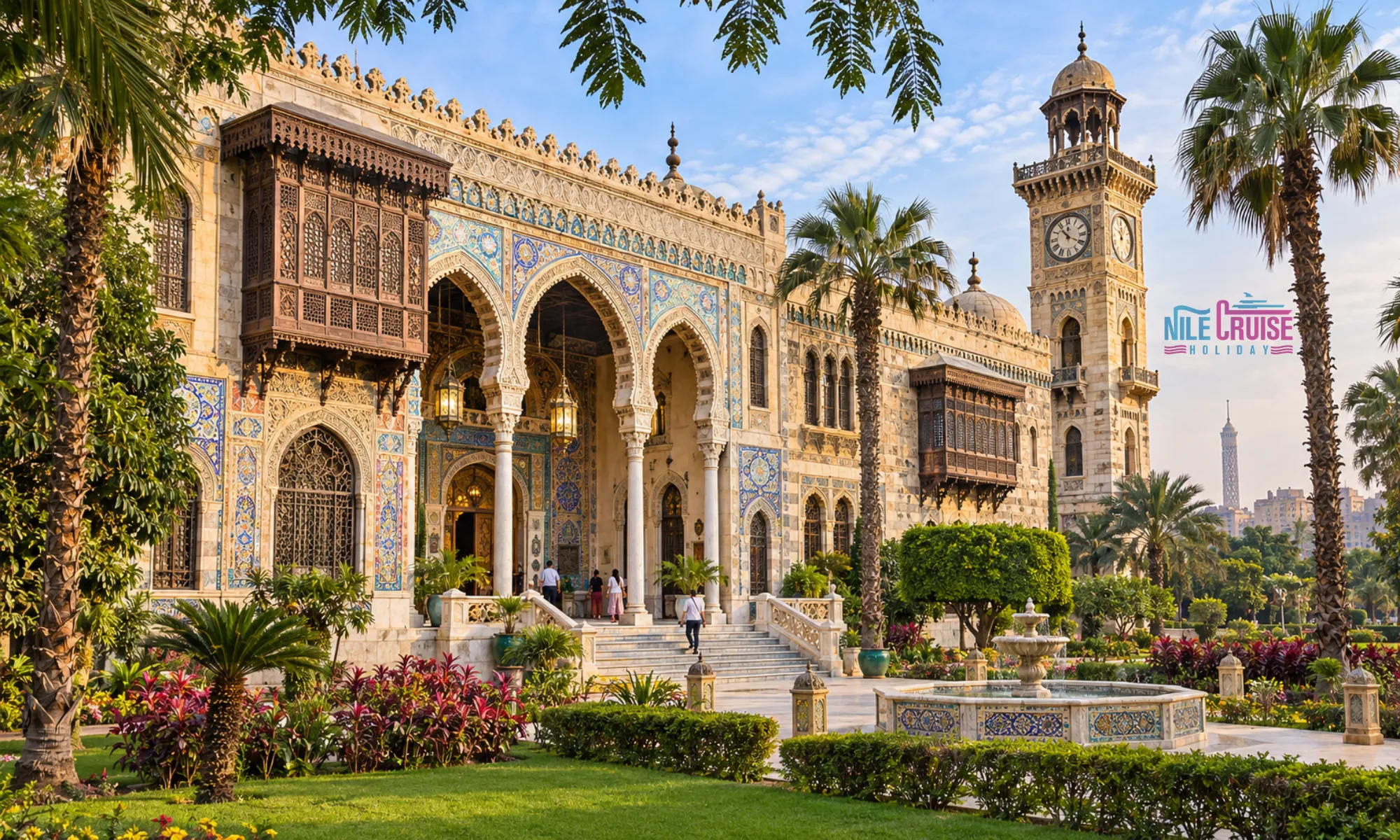

Manial Palace Museum is one of Cairo's most distinctive royal residences: part palace, part art collection, and part architectural experiment. Behind a long wall on Rawda Island, carved ceilings, colored tiles, and gilded halls sit among trees. For travelers who have already seen the pyramids and Egypt's ancient collections, it opens a very different chapter of Egyptian history.
So is it worth the time? Yes, Manial Palace Museum is worth visiting for architecture, interiors, photography, and modern royal history, but it is not necessarily a first-priority stop for every traveler with limited time in Cairo. The rest of this guide explains why, what to see inside, the current tickets and rules, and where it fits in a wider Cairo and Nile journey.
What Is Manial Palace Museum?
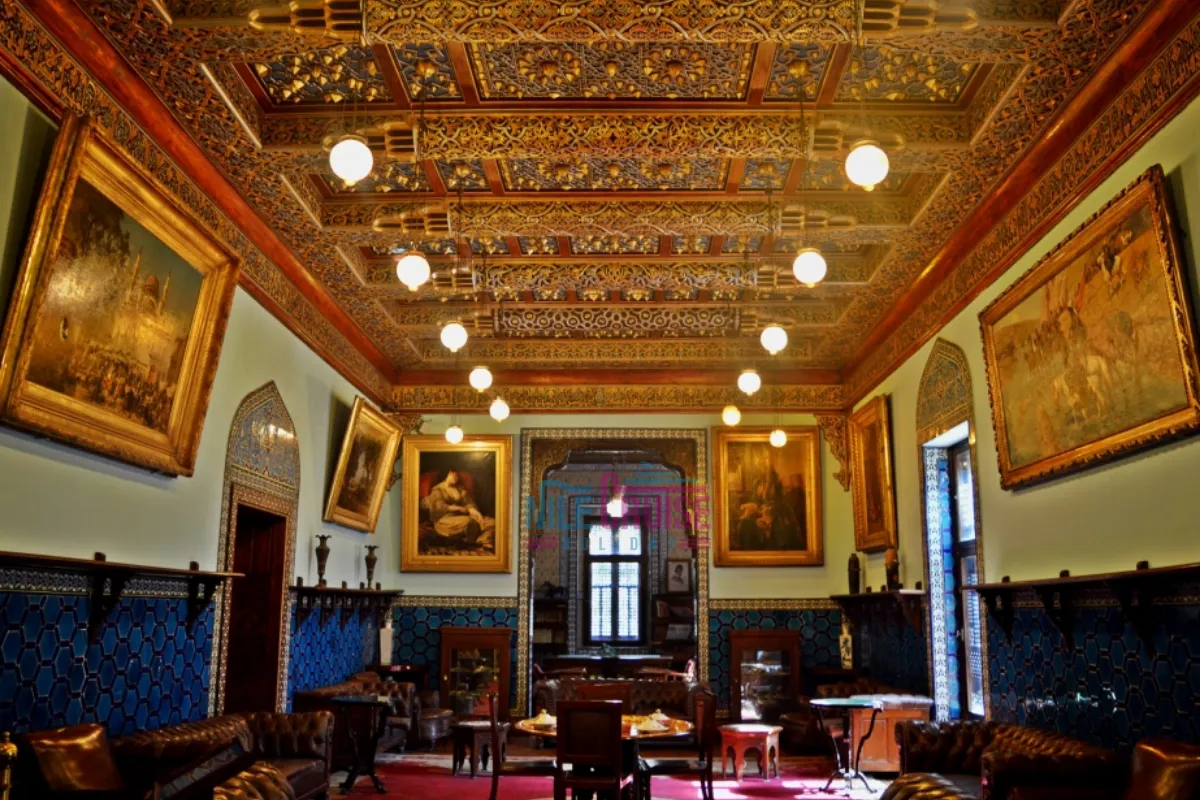
Manial Palace Museum is the former residence of Prince Muhammad Ali Tawfik, built between 1900 and 1929 in the Manial district on Rawda Island, in the Nile just upstream from Gezira and the Cairo Tower. It is not one building but a walled complex of separate structures set in gardens: reception rooms, a residence, a throne hall, a mosque, a private museum, and later additions such as the Hunting Museum.
Its importance lies in its period. Most visitors come to Egypt for the pharaohs, but Manial belongs to the modern royal era of the Muhammad Ali dynasty, which ruled Egypt from the early 19th century until 1952. Among the Cairo attractions most travelers see, it is one of the few places where that world can be seen on a domestic scale.
| Fact | Manial Palace Museum |
|---|---|
| Location | Manial, Rawda Island, Cairo |
| Built | 1900 to 1929 |
| Founder | Prince Muhammad Ali Tawfik |
| Historical context | Muhammad Ali dynasty and modern Egypt |
| Architecture | Eclectic Islamic revival |
| Best for | Interiors, architecture, decorative arts, royal history |
Who Was Prince Muhammad Ali Tawfik?
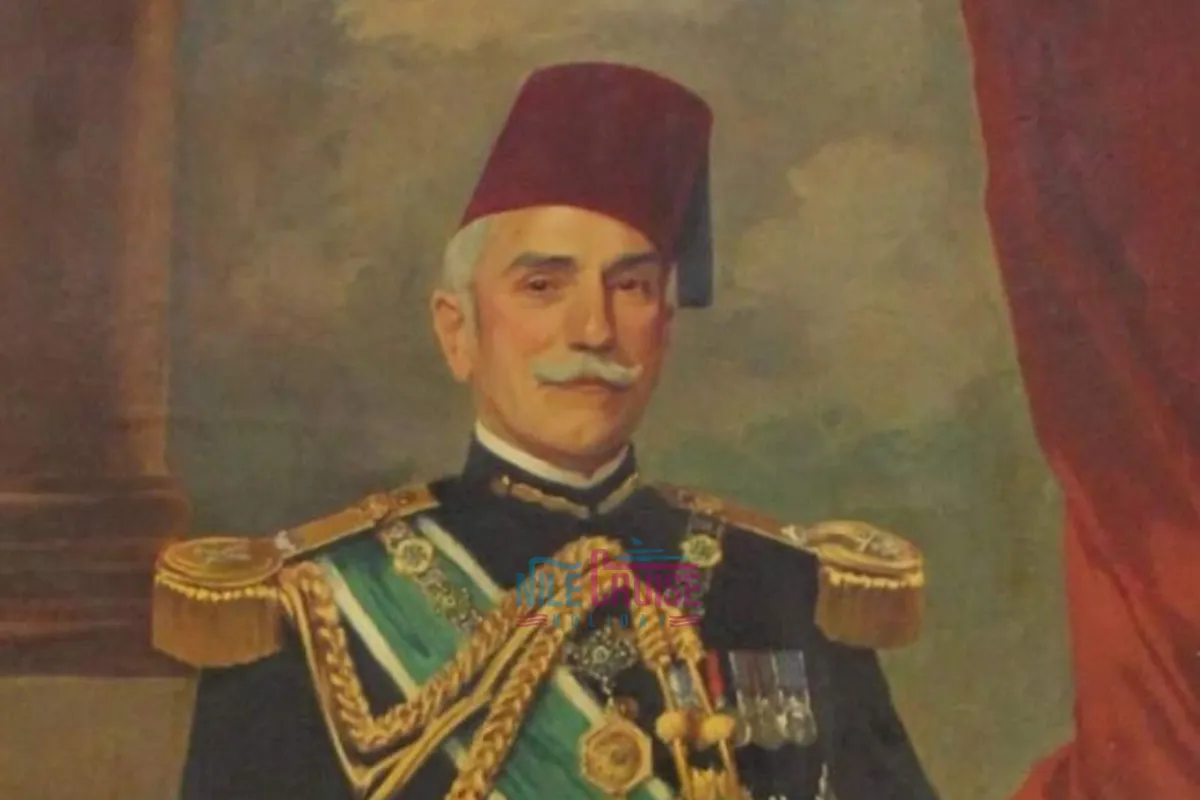
Prince Muhammad Ali Tawfik (1875 to 1955) was the son of Khedive Tawfik and the younger brother of Khedive Abbas Hilmi II. For much of King Farouk's reign, he was the heir presumptive to the throne, though he never ruled.
He should not be confused with Muhammad Ali Pasha, the founder of the dynasty, who governed Egypt in the first half of the 19th century. The palace belongs to the prince, roughly a century later.
What matters for visitors is his taste. The prince was a keen collector with a strong interest in Islamic art and architecture, and he oversaw the design of the palace himself. Manial was his home, but it was also a statement of what he admired. When he died in 1955, the palace passed to the state, and it opened as a museum.
What Makes Manial Palace Architecture Special?
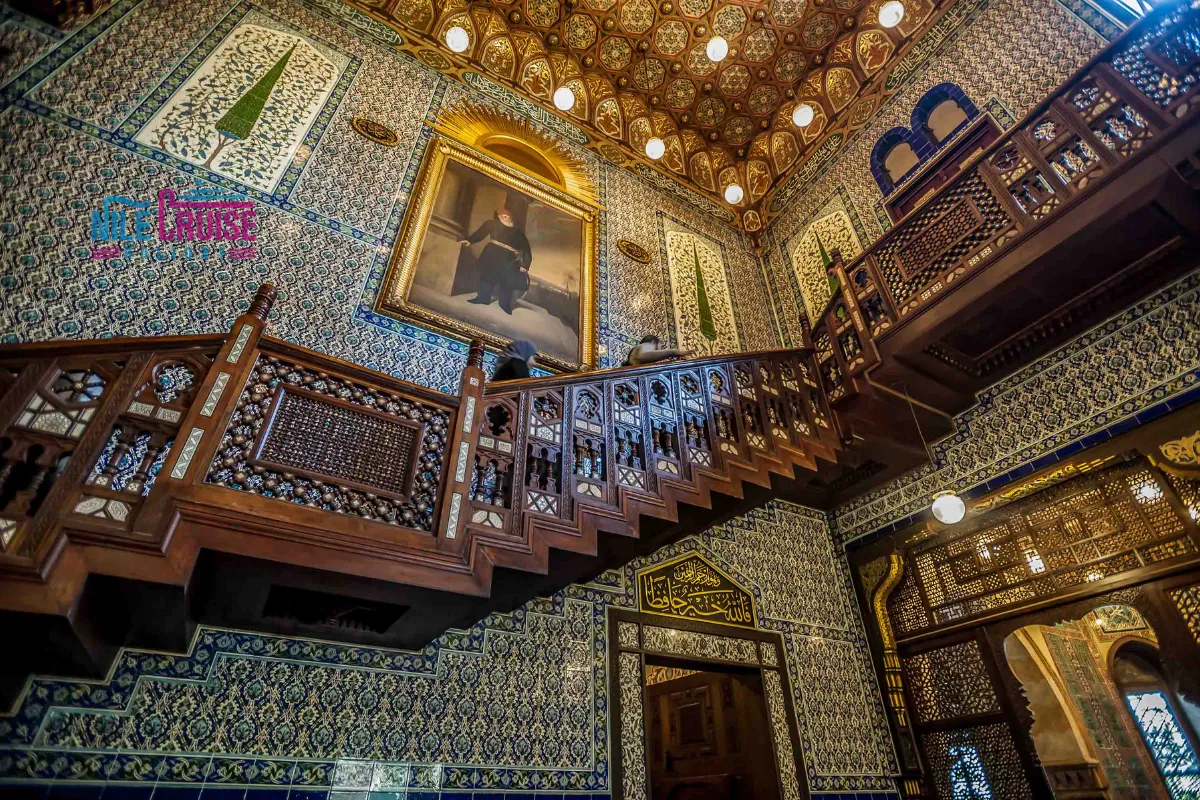
Manial Palace is an example of 20th-century eclectic Islamic revival architecture. According to the Ministry of Tourism and Antiquities, it deliberately combines influences from Persian, Mamluk, Syrian, Moroccan, Andalusian, and Ottoman architecture.
That is the key to reading it. It is not a Mamluk palace or an Ottoman one, and it is not medieval. It is a modern building that borrows from several earlier Islamic traditions and places them side by side, the way a collector arranges objects from different places in one room.
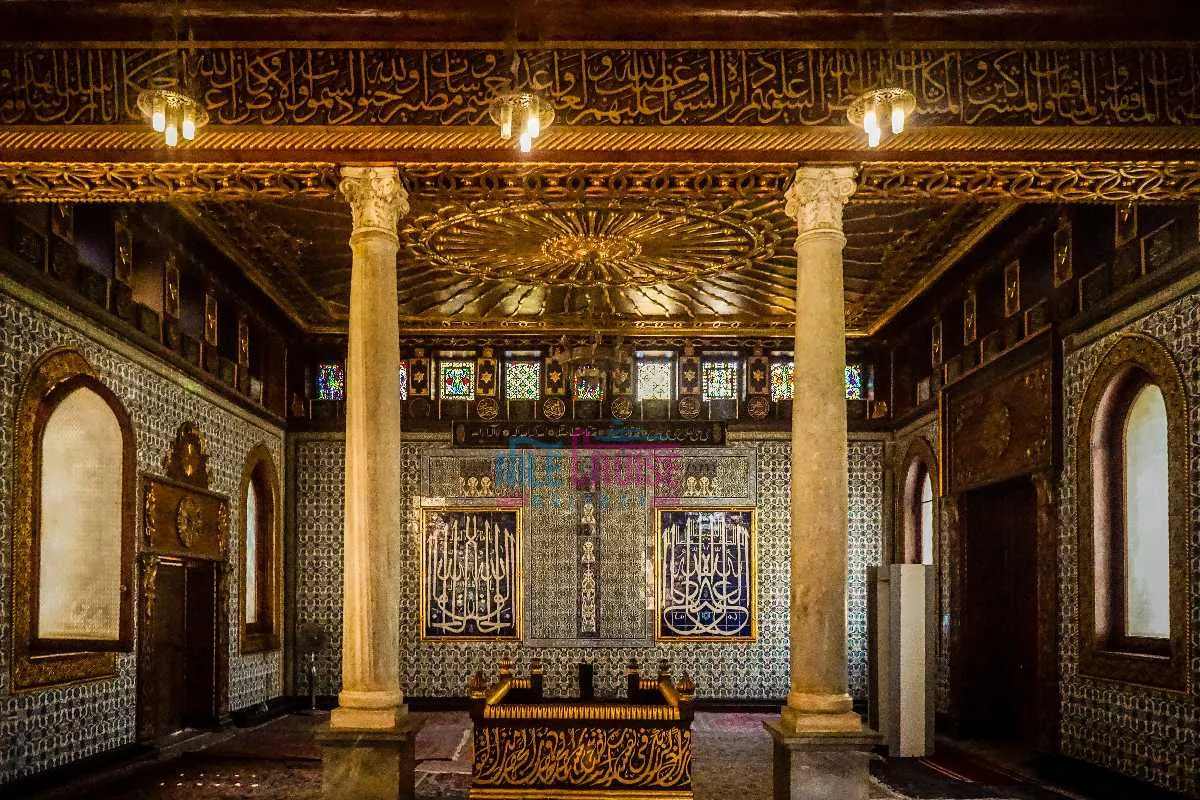
The effect shows up in the details. Carved and painted wooden ceilings sit above walls lined with colored tiles. Mashrabiya screens filter light into upper rooms. Stained glass throws patches of red, blue and green across marble floors in the afternoon. Arabic calligraphy runs along walls and doorways, and gilding catches the eye in the grander halls.
Travelers who have walked through Islamic Cairo will recognize motifs from its mosques and houses, here reworked for a prince's private world.
What Can You See Inside Manial Palace Museum?
The complex is large enough to reward some prioritizing. These are the spaces that matter most to a typical visitor.
Reception Saray
The reception building sits near the entrance and was used for formal receptions. Its rooms set the tone for the visit, with richly decorated ceilings, tiles, and furnishings that show how the prince received guests.
Residence Saray
Official museum material describes the residence as the oldest building in the palace, used for the prince's personal and important meetings. This is where the domestic side of royal life comes through: private rooms, furniture, decorative objects, and the mix of European comforts with Islamic decoration that defined elite homes of the period.
Throne Hall
The Throne Hall is one of the most striking rooms in the complex. A gilded throne stands beneath a ceiling worked as a golden sunburst, and portraits of rulers of the Muhammad Ali dynasty line the walls. It was a ceremonial room within the prince's palace rather than the state throne room of Egypt, but the visual impact is strong.
Mosque
The palace mosque is small but finely worked. Its exterior and portal carry carved decorative patterns and Arabic calligraphy, with a pointed arch over the entrance, and the interior is known for its tilework and gilding. Like everything at Manial, it is revival architecture of the early 20th century built as part of the palace, not a medieval building.
Clock Tower and Sabil
Two exterior features frame the entrance area. The clock tower stands between the reception building and the mosque, and the sabil, a public water fountain, recalls a long Cairo tradition of charitable water buildings.
Golden Hall
The Golden Hall is a major decorative highlight, named for the gilded ornament that covers much of its interior. It is used today as an events hall, so access can depend on what is scheduled.
Hunting Museum
The Hunting Museum displays mounted animals and hunting trophies, many from royal collections. It belongs to the later museum history of the site and was added after the palace became a museum, so it reflects later display choices rather than the prince's original plan.
Gardens
The gardens were central to the palace's design, with trees and plants the prince gathered from different places. The current official Ministry visitor guidance states that the garden is not included within the standard tour, so the grounds should be enjoyed mainly on the paths between buildings.
Is Manial Palace Museum Worth Visiting?
The honest answer depends on what you came to Egypt for, and how much time you have in Cairo.
Worth Prioritizing If You Enjoy
- Islamic architecture and historic interiors
- Decorative arts, tiles, woodwork and textiles
- Royal history and Egypt's modern period
- Photography of rich interiors
- Quieter cultural sites and palace museums
Lower Priority If
- You only have one day in Cairo
- Ancient Egypt is your main priority
- You have not yet visited Giza, the Grand Egyptian Museum or the Egyptian Museum
- You prefer archaeological sites to architecture and interiors
For first-time visitors with very limited time, Manial Palace is usually a secondary attraction. For repeat visitors, architecture lovers, photographers, and travelers interested in Egypt's modern royal period, it can be one of Cairo's most rewarding museum visits.
The difference is in what each place shows. The Egyptian Museum in Cairo holds the objects of the pharaohs. Manial shows how a prince lived a century ago, what he collected, and how he wanted his home to look. One does not replace the other.
Manial Palace Museum Tickets, Opening Hours and Visitor Tips
The details below come from the current Ministry of Tourism and Antiquities museum page. Opening hours, ticket prices and visitor rules can change, so check the official Ministry page shortly before your visit.
| Visitor Information | Details |
|---|---|
| Opening hours | 9:00 AM to 5:00 PM daily |
| Last ticket | 4:00 PM |
| Ramadan hours | 9:00 AM to 3:00 PM |
| Foreign adult ticket | EGP 220 |
| Foreign student ticket | EGP 110 |
| Mobile phone photography | Currently free |
| Flash, tripods and monopods | Not allowed, except for permitted commercial use |
| Large bags | Items over 40 x 40 cm go to the cloakroom |
| Garden | Not within the standard tour |
Lower ticket prices apply to Egyptian and Arab visitors. Older Ministry pages still show earlier, lower prices for foreign visitors, so the current main museum page is the one to rely on.
How Long Do You Need?
Around 1.5 to 2.5 hours is reasonable for most visitors, depending on how much time you spend on architecture, interiors, and photography. This is planning guidance rather than an official duration.
Photography
According to the Ministry, photography with a mobile phone is free of charge. Flash is not permitted, and tripods and monopods are not allowed except for approved commercial use. Video filming in the galleries requires the appropriate ticket fee. Other visitors and staff should not be photographed.
Getting There
The Ministry lists the address as 1 El Saray Street, Manial, and names Sayyida Zeinab as the nearest metro station. Travel time from elsewhere in Cairo depends heavily on traffic, so it is best to leave flexibility rather than plan to the minute.
How to Fit Manial Palace into a Cairo Itinerary
Manial Palace works best as a secondary cultural stop rather than a centerpiece. On a short first visit, Giza and the major museums should come first. On a second Cairo day, or on a repeat trip, Manial fits naturally into a half day focused on architecture and Cairo's later history.
It pairs well with Old Cairo, where the Hanging Church and the Coptic quarter sit not far to the south. It can also share a day with Islamic Cairo for travelers following an architecture theme, or with Nile-side stops. Which combination works best depends on the day's route and traffic.
How Nile Cruise Holiday Fits In
Nile Cruise Holiday can fit Manial Palace into a Cairo itinerary without letting it displace the city's essential first-time highlights, coordinating private transfers, guiding, and nearby sightseeing around the traveler's interests and available time.
In practice, that starts with an honest conversation about whether Manial deserves a slot at all. Where it does, the team sequences it with compatible sights, arranges a private driver for hotel pickup and return, and adds a local Egyptologist guide who can read the architecture and royal history for you. There are no commission shopping stops built into the day.
The same planning connects Cairo with the rest of Egypt. Many travelers spend a day or two in Cairo before taking the Cairo to Luxor flight to join a Nile cruise, and the timing of sightseeing, flights, and cruise boarding has to line up.
Cairo and Nile cruise tours combine both parts of the journey, and Manial can be added to the Cairo days without overloading them.
Travelers interested in Cairo beyond the pyramids and major ancient museums can ask Nile Cruise Holiday to include Manial Palace in a tailor-made Egypt trip, balancing royal history, architecture and the city's essential highlights without overloading the itinerary.


