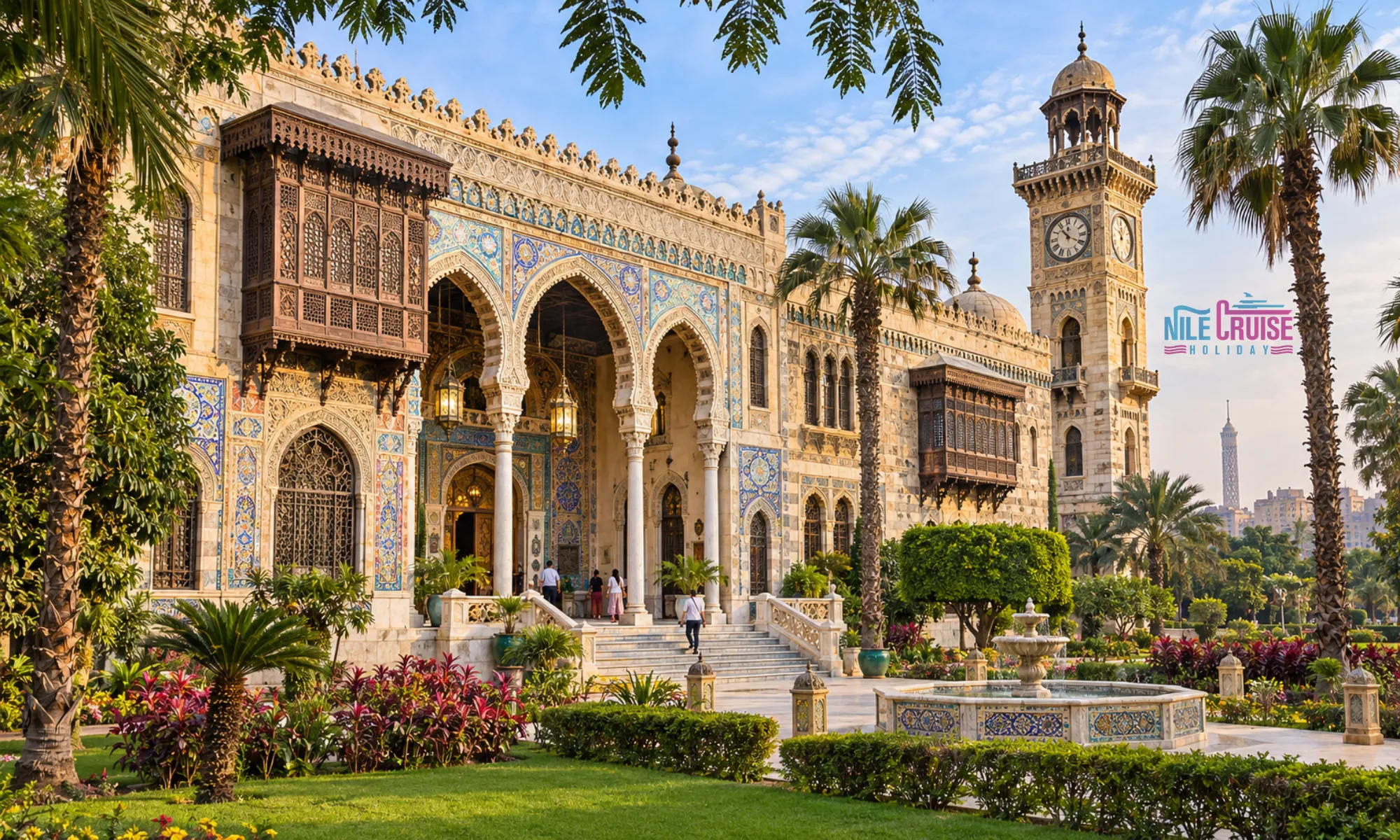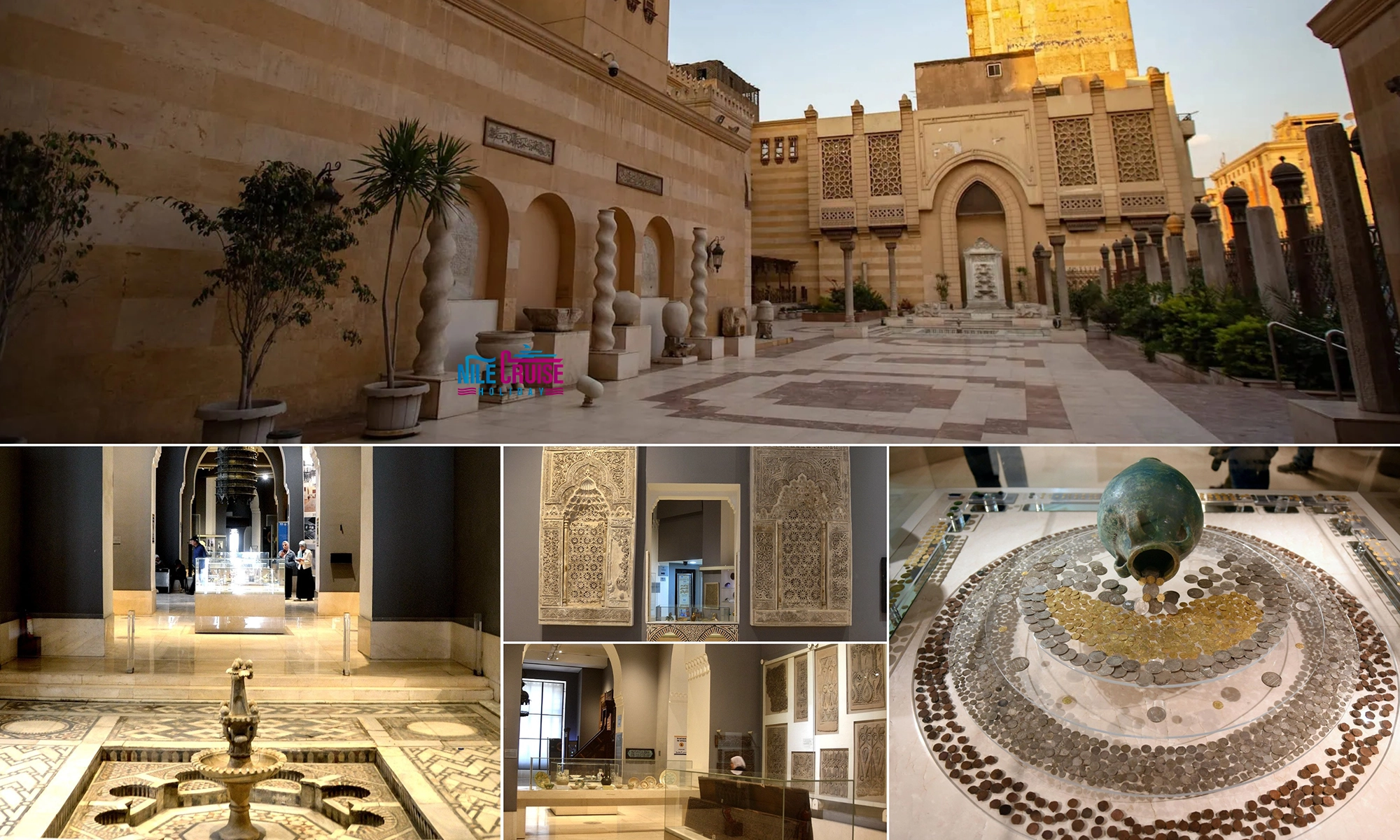

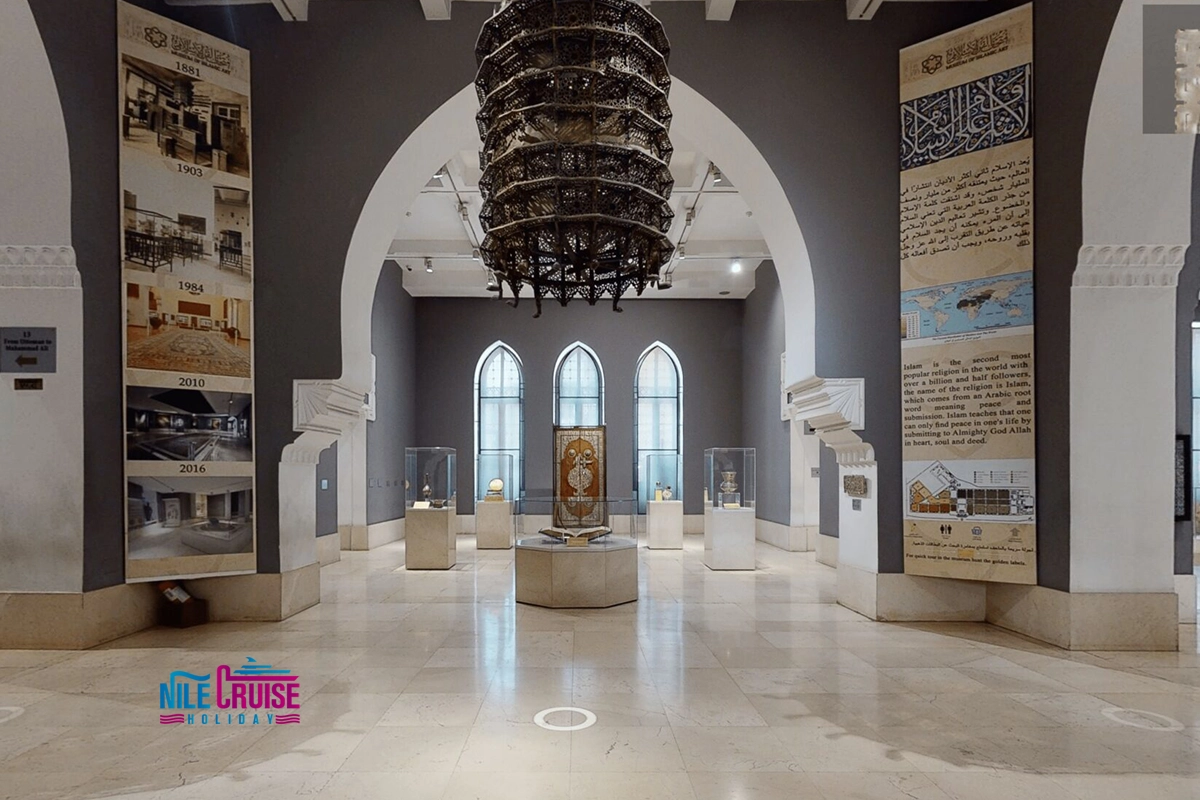
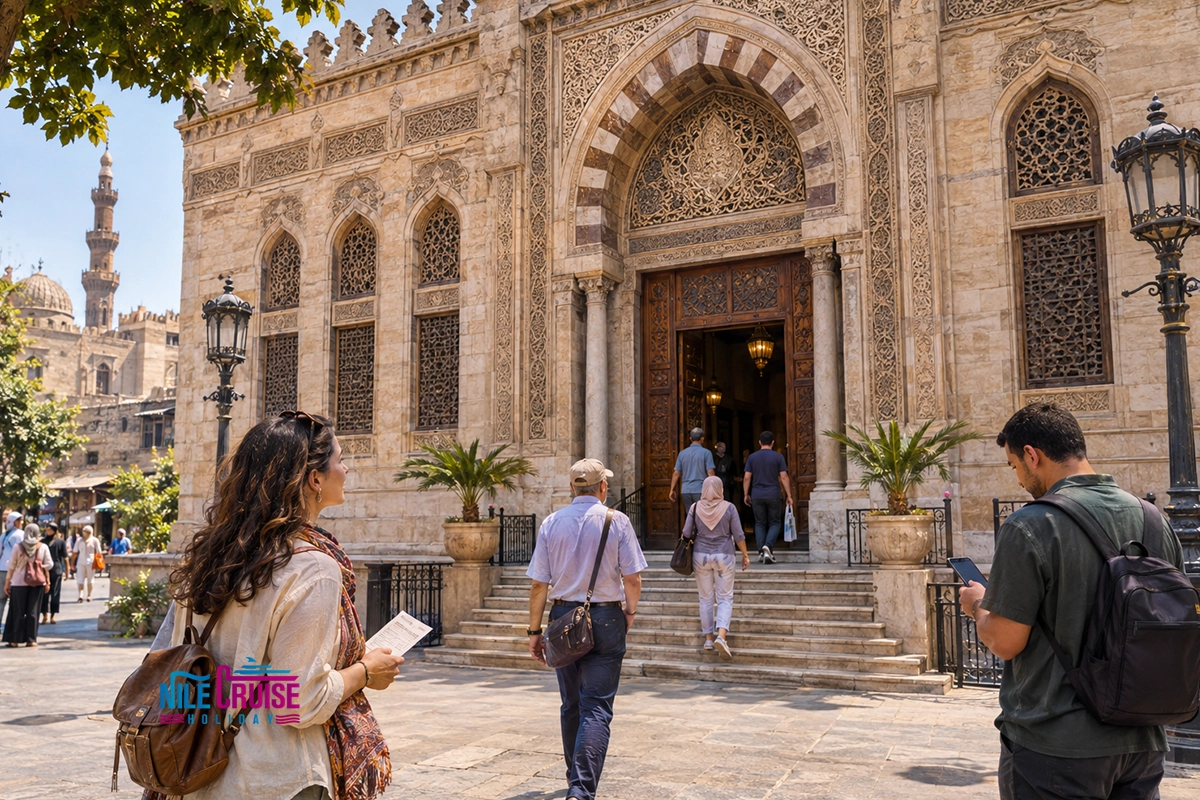
The Museum of Islamic Art in Cairo holds one of the largest and richest collections of Islamic art in the world, with more than 100,000 objects spanning the 7th to the 19th centuries. Housed in an elegant neo-Mamluk building at Bab al-Khalq, on the edge of historic Islamic Cairo, it displays glowing mosque lamps, carved wooden pulpits, inlaid brass, delicate lusterware, illuminated Qurans and scientific instruments from Egypt, Syria, Iran, Turkey, India and Andalusia. Step inside, and a thousand years of craftsmanship unfold one gallery at a time.
This guide covers the museum's history, how the galleries are arranged, and the top treasures you should not miss, from the Ewer of Marwan II to the Mamluk key to the Kaaba. It also gives current tickets, opening hours, transport and tips, and shows how to combine your visit with Islamic Cairo and a Nile cruise.
The Museum of Islamic Art Facts
From Museum of Arab Art to Museum of Islamic Art
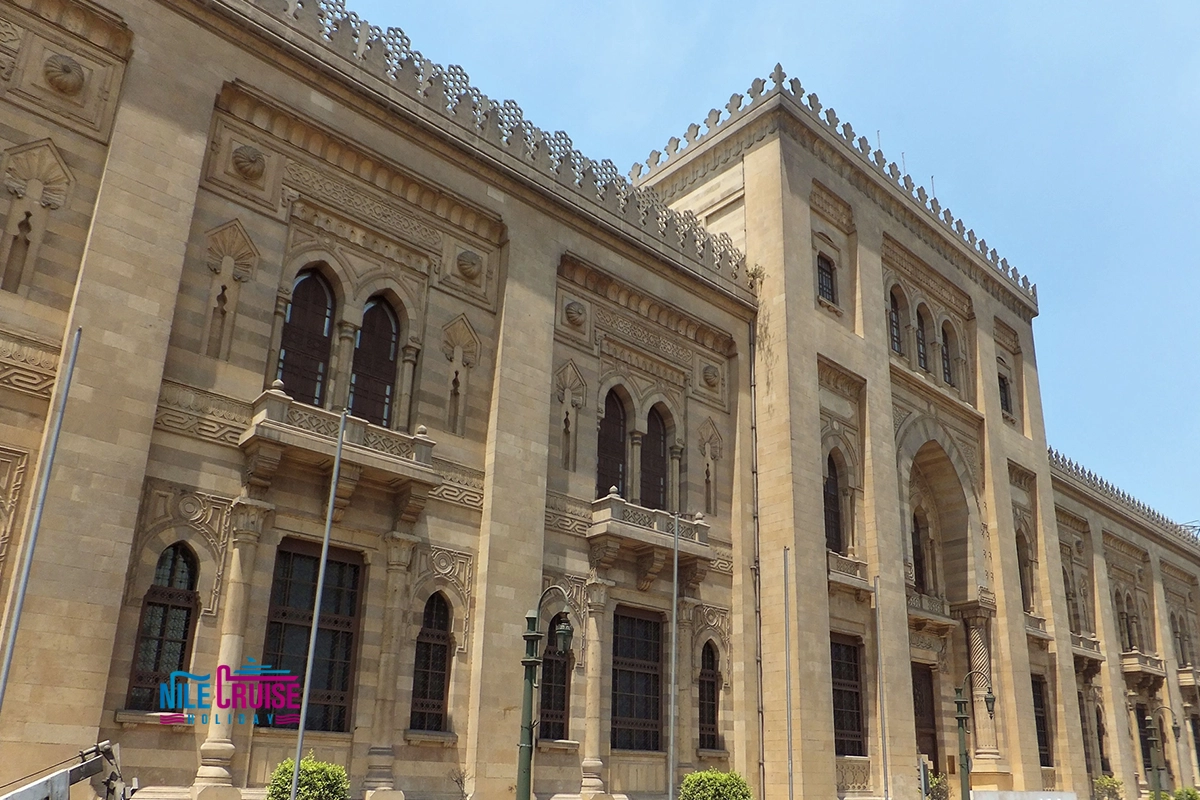
The collection began in 1881, when the Comité de Conservation des Monuments de l'Art Arabe started saving lamps, doors, pulpits and inscriptions from Cairo's crumbling mosques and houses. The first pieces were stored in the arcade of the Mosque of al-Hakim, under the name Museum of Arab Art, and the Austro-Hungarian architect Max Herz took charge in 1887. In December 1903, under Khedive Abbas Helmy II, the collection moved to its present building, which it shares with the National Library, Dar al-Kutub. It was renamed the Museum of Islamic Art in 1952.
Renovation, Bombing and Reopening
After a major renovation with help from international experts, the museum reopened in 2010 with modern galleries. On 24 January 2014, a car bomb aimed at the Cairo Security Directorate across the street badly damaged the facade, display cases and 179 objects. With support from the UAE, UNESCO and other partners, restorers repaired most of the damaged pieces, and the museum reopened on 18 January 2017.
The Collection in Numbers
| Fact | Detail |
|---|---|
| Opened in current building | 1903 |
| Objects in the collection | Over 100,000 |
| Objects on display | About 4,500 |
| Galleries | 25 halls in two wings |
| Time span | 7th to 19th century |
| Regions | Egypt, Syria, Iraq, Iran, Turkey, India, North Africa, Andalusia |
How the Museum of Islamic Art Galleries Are Arranged
The Right Wing: Egypt's Islamic Dynasties
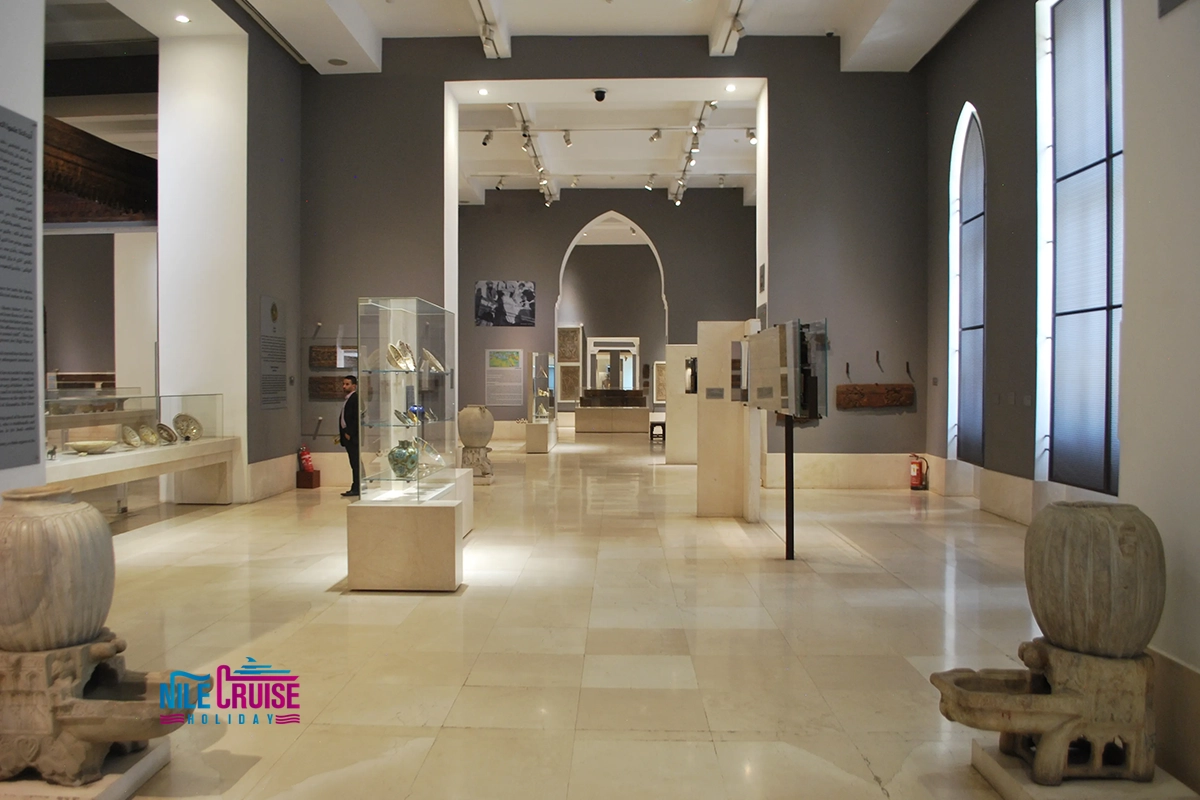
The right wing follows Egypt's history in chronological order, so you can watch styles change from one dynasty to the next:
- Umayyad (661 to 750): early bronzes, coins and carved stone.
- Abbasid and Tulunid (750 to 905): carved wood in the Samarra style.
- Fatimid (909 to 1171): lusterware and carved wooden panels.
- Ayyubid (1171 to 1250): inlaid metalwork and ceramics.
- Mamluk (1250 to 1517): enamelled glass lamps, inlaid brass and woodwork.
- Ottoman (1517 to 1805): tiles, carpets and furniture.
The Left Wing: Themes and Other Lands
The left wing is arranged by theme and region, with galleries for science and astronomy, medicine, calligraphy, coins, weapons, textiles, carpets, ceramics, gardens and daily life. Here you will find works from Iran, Turkey, India and Andalusia.
Reading the Labels
Labels are in Arabic and English. The most important objects carry gold labels, while others have silver labels, and items restored after 2014 are marked with small red stickers. Doors, ceilings and window grilles from old Cairo houses are built into the galleries themselves.
Top Treasures From Egypt's Islamic Dynasties
The Ewer of Marwan II
This bronze ewer with a spout shaped like a crowing rooster is linked to Marwan II, the last Umayyad caliph, who died in Egypt in 750. Made in the 8th century, it is one of the finest early Islamic metal objects anywhere. It was damaged in 2014 and has since been restored.
Early Gold Dinars and the Oldest Kufic Textile
The coin gallery holds late 7th century Umayyad gold dinars, among the first coins to carry only Arabic text. Nearby, look for a tiraz textile fragment bearing what the museum describes as the oldest Kufic inscription on fabric.
The Mihrab of Sayyida Ruqayya and Fatimid Woodwork
The 12th century wooden mihrab of Sayyida Ruqayya, a portable prayer niche from her shrine in Cairo, is carved with arabesques, stars and calligraphy. Fatimid wooden panels from a palace in Fustat show scenes of court life, with hunters, musicians and dancers.
Fatimid Lusterware
Fatimid potters in Egypt mastered lusterware, a technique that gives ceramics a metallic shine. Bowls and dishes show birds, animals, dancers and musicians, and a rare fragment shows a figure of Christ, reflecting the mixed society of medieval Cairo.
Mamluk Enamelled Glass Mosque Lamps
The museum's most famous objects are the Mamluk mosque lamps of the 14th and 15th centuries. Made of blown glass decorated with blue, red and gold enamel, they often quote the Verse of Light from the Quran and name the sultan who gave them. Some come from the Sultan Hassan Mosque.
Mamluk Metalwork and the Key to the Kaaba
Mamluk metalworkers inlaid brass with silver and gold. Highlights include a 14th century table and basin bearing the name of Sultan al-Nasir Muhammad ibn Qalawun, a candlestick of Sultan Qaitbay linked to a gift for the Prophet's Mosque in Medina, and a gold and silver inlaid key to the Kaaba in Mecca, inscribed with a 14th century sultan's name.
The Mamluk Marble Fountain
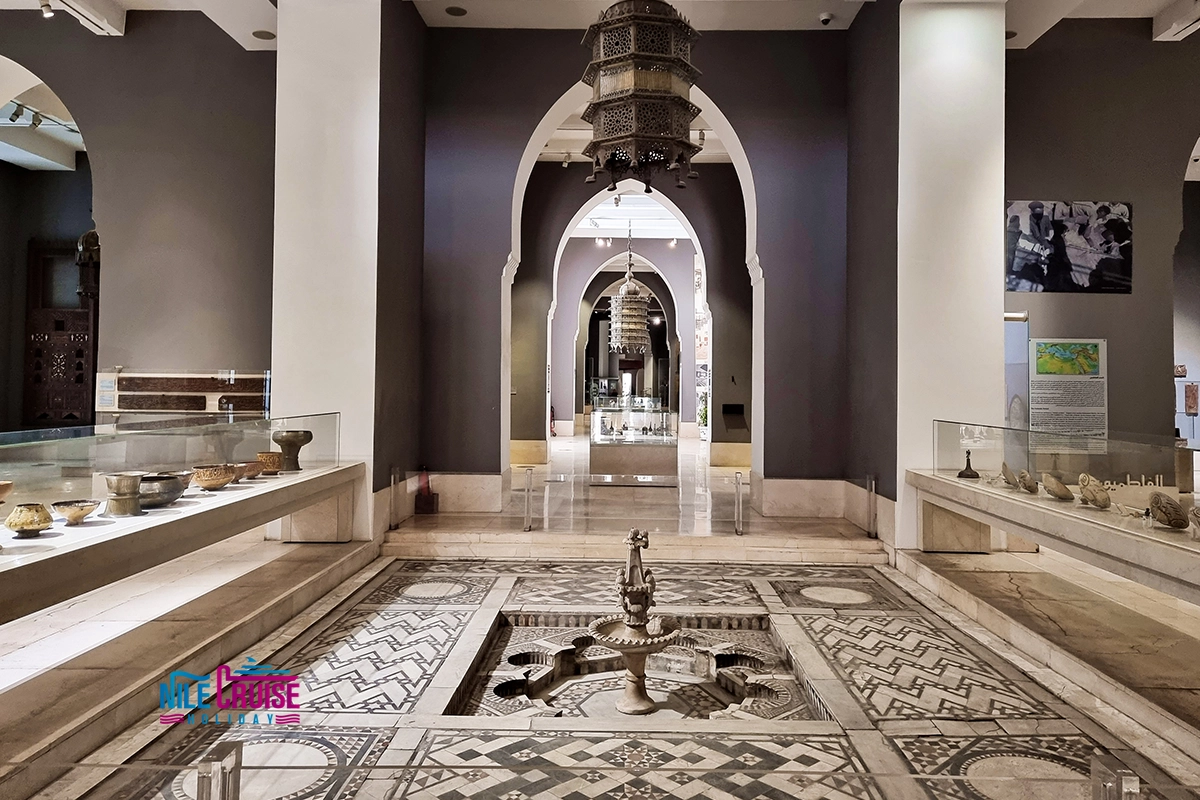
A restored octagonal fountain from a Mamluk house, covered in coloured marble mosaic, stands at the heart of the Mamluk galleries. In the garden, a 19th century fountain from Monasterli Palace on Roda Island adds a quiet spot to rest.
Treasures From Across the Islamic World
Astrolabes and Islamic Science
The science gallery shows brass astrolabes, celestial globes and instruments used to tell the time, find the direction of Mecca and track the stars. One fine 15th century astrolabe from Turkey bears the name of the Ottoman Sultan Bayezid II.
Medical Manuscripts
Illustrated manuscripts show how far Islamic medicine advanced. Look for a 17th century Persian manuscript on human anatomy from the Safavid period and a 16th century Ottoman copy of a 12th century treatise on medicinal herbs by al-Ghafiqi.
Qurans and Calligraphy
The calligraphy galleries display Qurans written in early Kufic script, later cursive styles and richly illuminated pages, along with Ottoman hilya panels describing the Prophet. Together they show how writing became the highest art form of the Islamic world.
Iznik Tiles and the Mecca Tile Panel
Ottoman tiles from Iznik in Turkey, with tulips, carnations and cypress trees in cobalt blue and tomato red, line the ceramic galleries. A highlight is a 17th century Ottoman tile panel about 2.4 metres tall showing a plan of the Great Mosque of Mecca, donated in 1915 by Prince Yusuf Kamal.
Iranian Ceramics, Carpets and Andalusian Pottery
Iranian ceramics of the 12th and 13th centuries, Persian and Turkish carpets, and lustre plates from Muslim Spain show how ideas and techniques travelled across the Islamic world, from Andalusia to India.
Visiting the Museum of Islamic Art: Tickets, Hours and Tips
Tickets and Opening Hours
According to Egypt's Ministry of Tourism and Antiquities, tickets cost EGP 340 for foreign adults and EGP 170 for foreign students. The museum opens daily from 9 am to 5 pm, with the ticket office closing at 4 pm. During Ramadan, it opens from 9 am to 3 pm, as our guide to Egypt during Ramadan explains. Card payment is preferred.
Getting There
The museum is on Port Said Street at Bab al-Khalq Square, about 10 to 20 minutes by taxi or ride-hailing app from Downtown. The nearest metro station is Bab El Shaaria on Line 3, about 15 minutes' walk away. The Egyptian Museum in Tahrir Square is about 2 kilometres away.
How Long to Spend and Whether You Need a Guide
Allow 2 to 3 hours to see the highlights, or about one hour if you focus on the Mamluk and science galleries. A guide is not essential, as labels are clear, but an expert helps explain calligraphy, symbols and dynasties. Weekday mornings are the quietest time.
Photography and Practical Tips
- Phone photos without flash are free, while professional cameras and tripods need a permit.
- Large bags go in the cloakroom at the entrance.
- Galleries are air-conditioned, and there is a lift and accessible toilets.
- Dress modestly if you plan to visit nearby mosques afterward.
Exploring Islamic Cairo After Your Visit
Nearby Sights
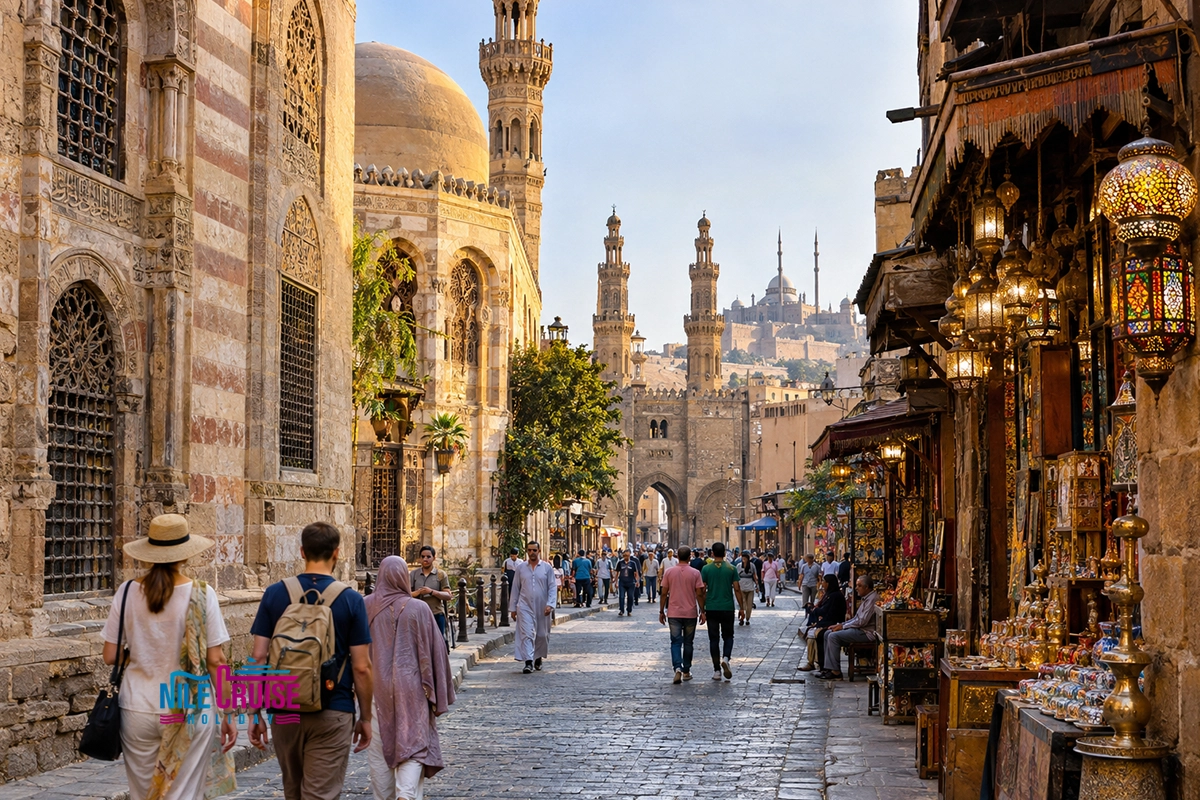
The museum is the perfect gateway to Islamic Cairo. Bab Zuweila and the south end of Al-Muizz Street are about 1 kilometre away, Al-Azhar Mosque and Khan El Khalili about 1.5 kilometres, and the Saladin Citadel about 2.5 kilometres. In the evening, catch a Tanoura show in Cairo at Wekalet El Ghouri.
A Half Day Plan
Start at the museum at 9 am, walk to Bab Zuweila around 11 am, stroll along Al-Muizz Street, then have lunch near Al-Azhar and finish with shopping in Khan El Khalili, using our guide to what to buy in Egypt. For more Cairo museums, visit the Egyptian Museum, the Grand Egyptian Museum and the Manial Palace Museum, or explore Coptic Cairo's Hanging Church.
Adding the Museum to a Nile Cruise Trip
Most travelers spend one to three days in Cairo before or after their cruise. Our Cairo and Nile cruise tours and Nile cruises from Cairo make it easy to fit in a visit, alongside the Giza Pyramids and a Nile dinner cruise in Cairo.
Discover the Beauty of Islamic Cairo With Our Magical Holidays
The Museum of Islamic Art in Cairo brings together 14 centuries of craftsmanship, from the Ewer of Marwan II and Fatimid lusterware to Mamluk lamps, Iznik tiles and scientific instruments. It is easy to reach, rarely crowded and perfectly placed for a walk into Islamic Cairo. Between its lamps and its carved wood, you will discover a golden chapter of Egypt's story that many visitors never see.
To include Cairo's museums in your journey, browse our Egypt tour packages with a Nile cruise or ask for a tailor-made itinerary.