Egypt is easy to photograph badly. The pyramids can disappear into harsh midday haze, temple reliefs lose their depth under overhead sun, and a promising street scene can turn uncomfortable if a traveler photographs people without asking. Good Egypt photography often depends more on timing, position, and understanding the rules than on expensive gear.
The good news is that personal photography is generally possible across the country, from busy Cairo streets to the temples along the Nile. Restrictions still vary by location, and a few rules matter a great deal. This guide covers what you may photograph, when the light works best, where to go, how to photograph people respectfully, and what gear is enough. For a wider view of the country's highlights, the guide to the top tourist attractions in Egypt is a useful companion.
What Are the Photography Rules in Egypt?
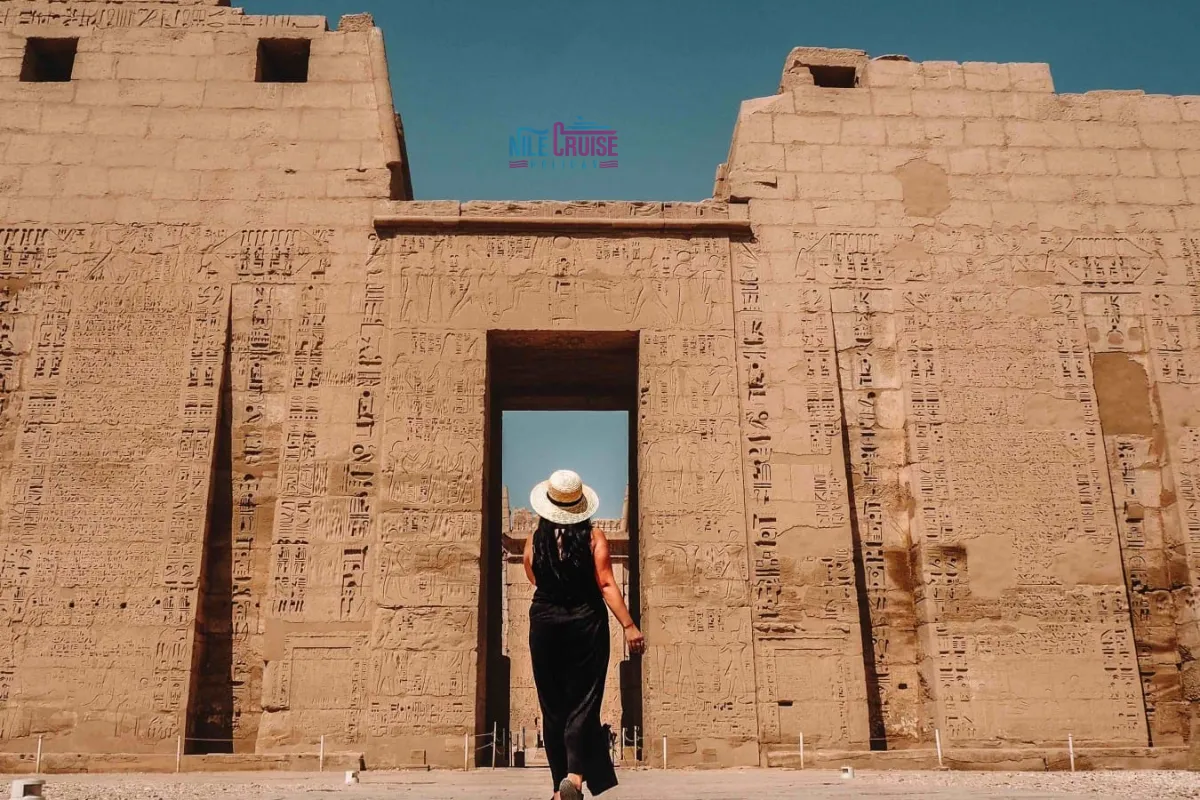
Egypt's government announced in 2022 that personal, non-commercial photography in public places no longer needs a prior permit. The same decision kept important limits: photographing children is prohibited, Egyptian citizens should only be photographed with their permission, and artificial lighting or equipment that obstructs public space still needs approval. Commercial, press, underwater, and drone photography sit under separate rules.
| Situation | Practical Guidance |
|---|---|
| Public places | Personal photography generally allowed |
| Open-air archaeological sites | Generally allowed for personal use |
| Museums | Often allowed for personal use, with site-specific rules |
| Indoor archaeological spaces | No flash |
| Local people | Ask permission first |
| Children | Official tourism guidance says photographing children is prohibited |
| Government, military or police facilities | Restricted |
| Professional lighting or obstructive equipment | Permission may be required |
| Commercial photography | Separate permit requirements may apply |
| Drones | Separate, much stricter rules |
This table is a general guide. Current signage and staff instructions at each site always take priority.
Photography at Archaeological Sites and Museums
Personal, non-commercial photography is generally permitted at many archaeological sites and museums, but each place sets its own details. Some museums allow phone photography freely while charging for video, and some tombs or rooms restrict photography altogether, sometimes temporarily for conservation. Flash is restricted in indoor archaeological spaces because it can harm painted surfaces. Following the signs and the guards' instructions is simpler than assuming one site's rules apply to the next.
Photographing People
Official guidance says Egyptian citizens should only be photographed with their permission. In practice, that means asking before photographing anyone identifiable and accepting a refusal without argument. A public street does not remove the need for consent. Extra care matters in homes, markets, villages and places of prayer, where people are going about private parts of their lives.
Photographing Children
Official Egyptian tourism guidance says photographing children is prohibited. That applies in villages, on streets, and from boats, whatever the setting.
Restricted Locations
Travelers should follow signage and avoid photographing anything clearly related to security, police, military, or restricted government infrastructure. Checkpoints, police officers, and some dams and bridges fall into this category. When in doubt, the camera stays down.
Drone Photography
Drone photography follows a separate and much stricter legal framework in Egypt. Anyone thinking of bringing a drone should read the Egypt drone rules before packing it.
When Is the Best Light for Photography in Egypt?
Light in Egypt changes with the season, the location, which way a monument faces, the amount of haze, and the weather. Exact sunrise and sunset times vary through the year, so they are best checked for your dates.
Early Morning
Early light often suits Giza, the Luxor West Bank and Abu Simbel. Shadows are softer, the air is usually clearer and cooler, and popular sites and streets are often quieter before the day's groups arrive.
Late Afternoon
Late afternoon is often the best time for sandstone temples, Islamic Cairo architecture, Nile views, feluccas in Aswan and desert landscapes. As the sun drops, light comes in from the side and catches every carved edge, so reliefs, columns, and textured stone gain depth. The many ancient Egyptian ruins along the Nile come alive in a different way at this hour than at noon.
Midday
Midday is not wasted time. Hard overhead light works well for museum interiors, shaded alleys, symmetrical architecture, close-up details, and bold, high-contrast compositions where strong shadows become part of the picture.
Golden Hour
Golden hour is the period around sunrise and before sunset when the light is lower, warmer, and softer. Its length varies with the season and the place, so it is better to arrive early than to rely on a fixed number of minutes.
Best Photography Spots in Egypt
Each of these places suits a different kind of photograph. The notes below cover what each is best for, when the light helps, and one practical caution.
Pyramids of Giza
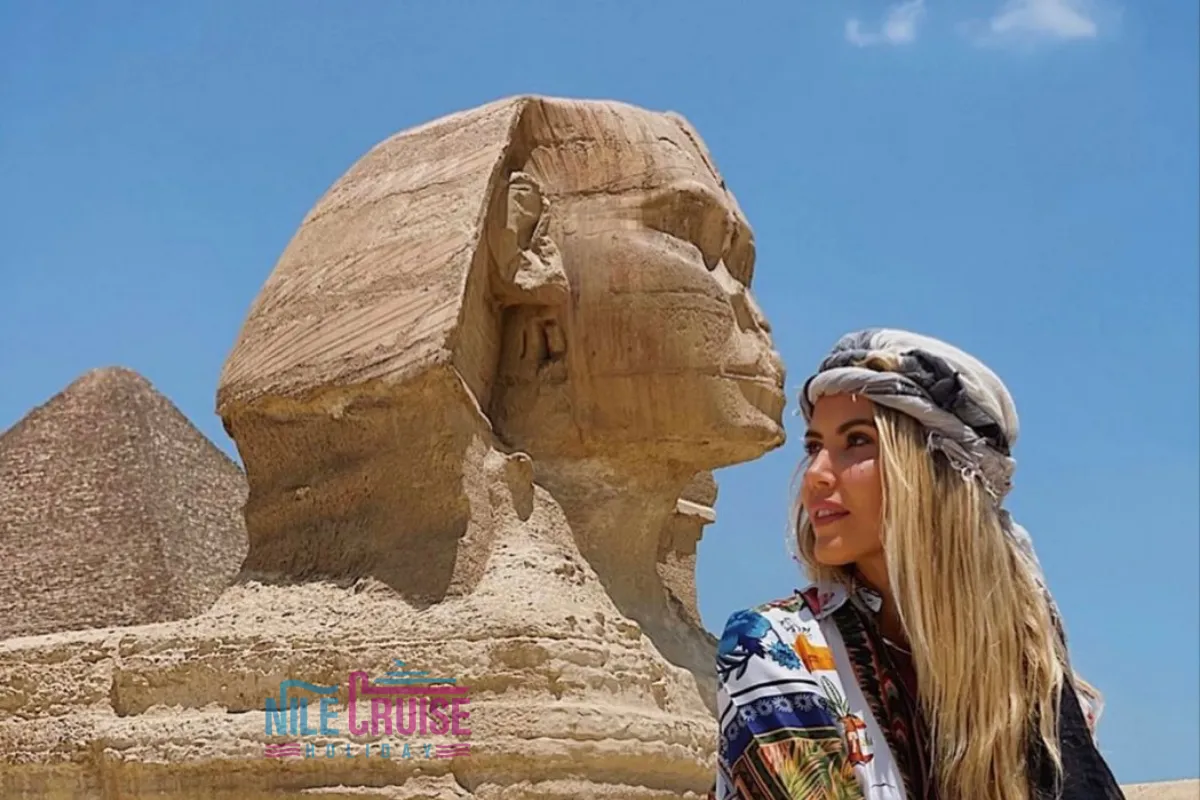
The Giza Pyramids are best for scale, silhouettes, layered compositions with several pyramids in line, the Sphinx in context, and the striking edge where desert meets city. Earlier light often reduces harsh contrast and haze.
A telephoto lens can compress the distance between pyramids so they stack dramatically, while a wide-angle lens exaggerates the space between them. Popular viewpoints are rarely empty, so patience and a slightly different angle often work better than waiting for a clear frame.
Islamic Cairo
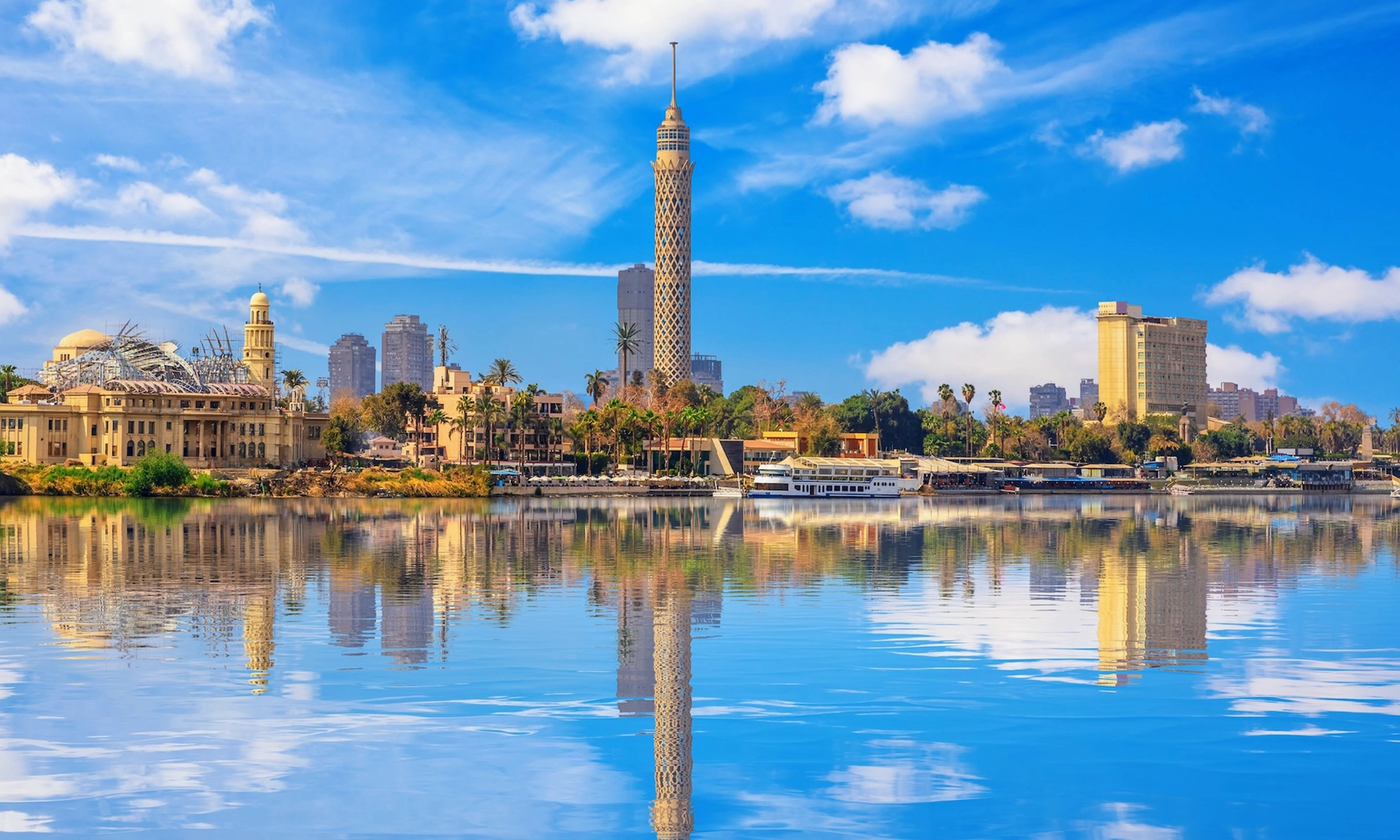
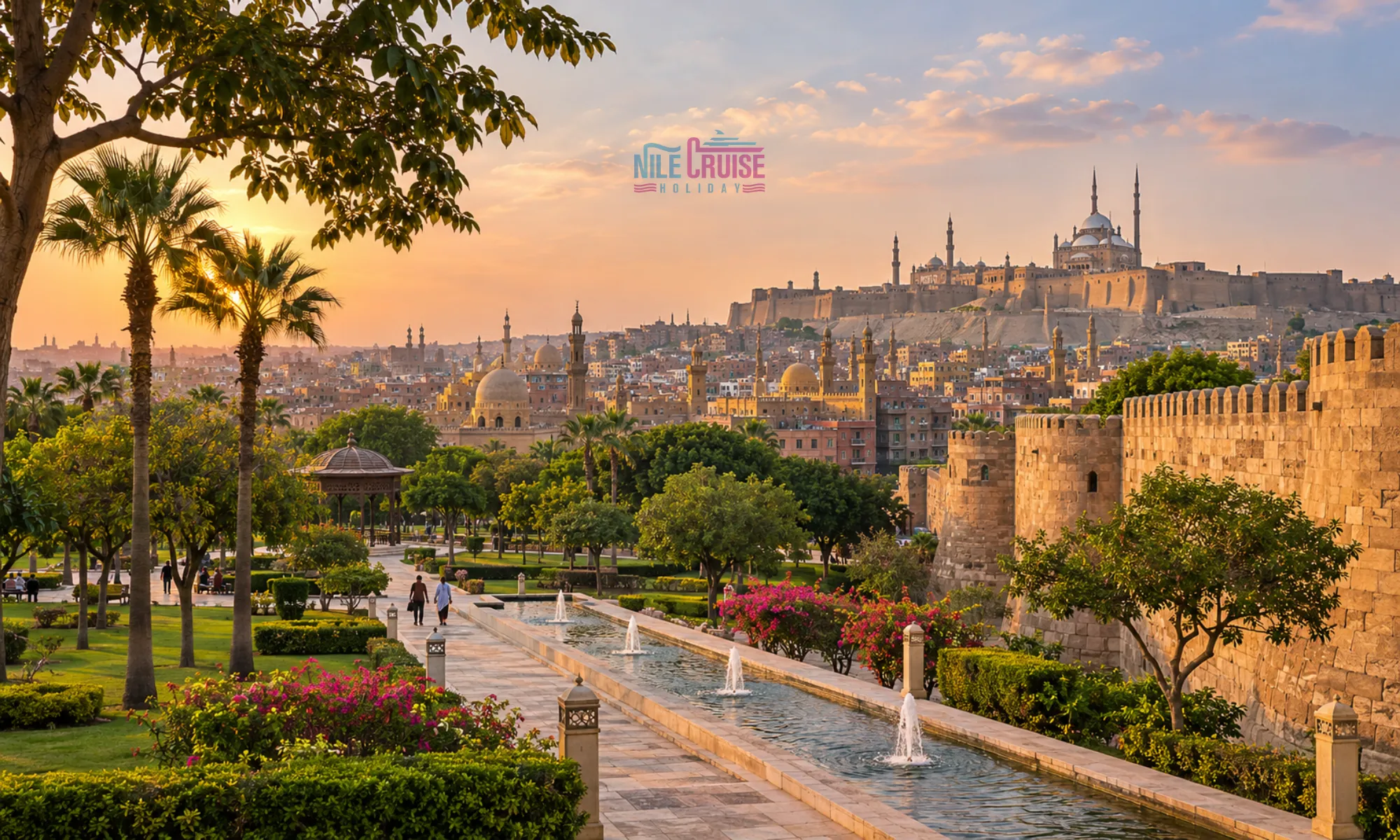
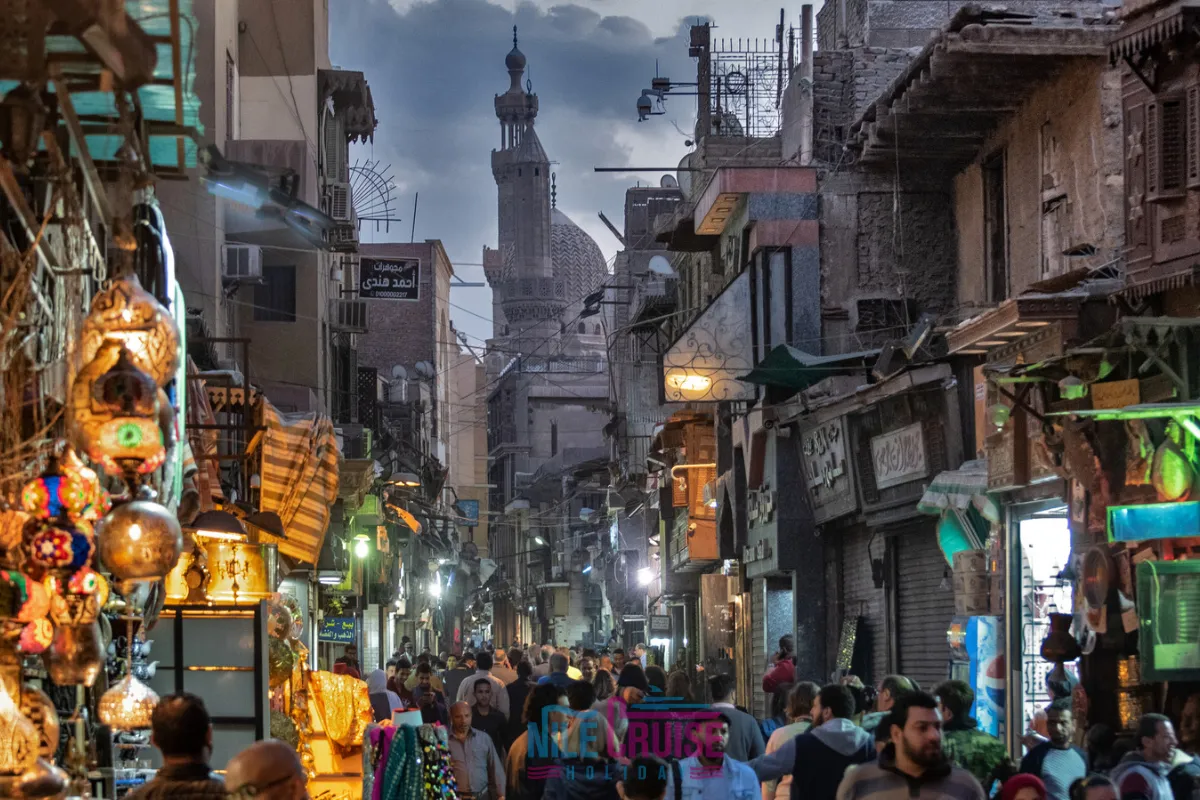
Islamic Cairo rewards photographers who like texture: minarets against the sky, stone facades, carved wooden doors, mashrabiya screens, markets and narrow streets layered with centuries of building. Late afternoon light warms the stone and lengthens the shadows in the lanes.
The guide to Islamic Cairo helps with where to go. The caution here is people. Streets are busy and lived in, so anyone identifiable should be asked first.
Luxor Temples and the West Bank
Luxor is the place for columns, reliefs, pylons, desert cliffs and deep temple shadows. Lower-angle light in the morning or late afternoon often reveals the depth of carved relief far better than flat midday light.
The West Bank adds the pale cliffs above the Valley of the Kings and the long view across the fields, often with balloons drifting overhead at dawn. Distances between sites are real, so it helps to plan the order around the light rather than see everything in one rush.
Hot Air Balloon Photography in Luxor
A Luxor hot air balloon flight gives aerial-looking images without a drone: the Nile, green fields, and desert in one frame, and the West Bank spread out at dawn. A secure strap matters, and a faster shutter speed helps in low light and gentle motion. Riders should stay within the basket and follow the pilot's instructions rather than leaning out for a shot.
Aswan and the Nile
Aswan is best for feluccas with white sails, river reflections, dark granite islands, palms along the banks, and the bright colors of Nubian houses. Late afternoon light on the west bank dunes can be beautiful, though no sunset is guaranteed. On a boat, movement matters, so a faster shutter speed and steady hands make a difference.
Nile Cruise Photography
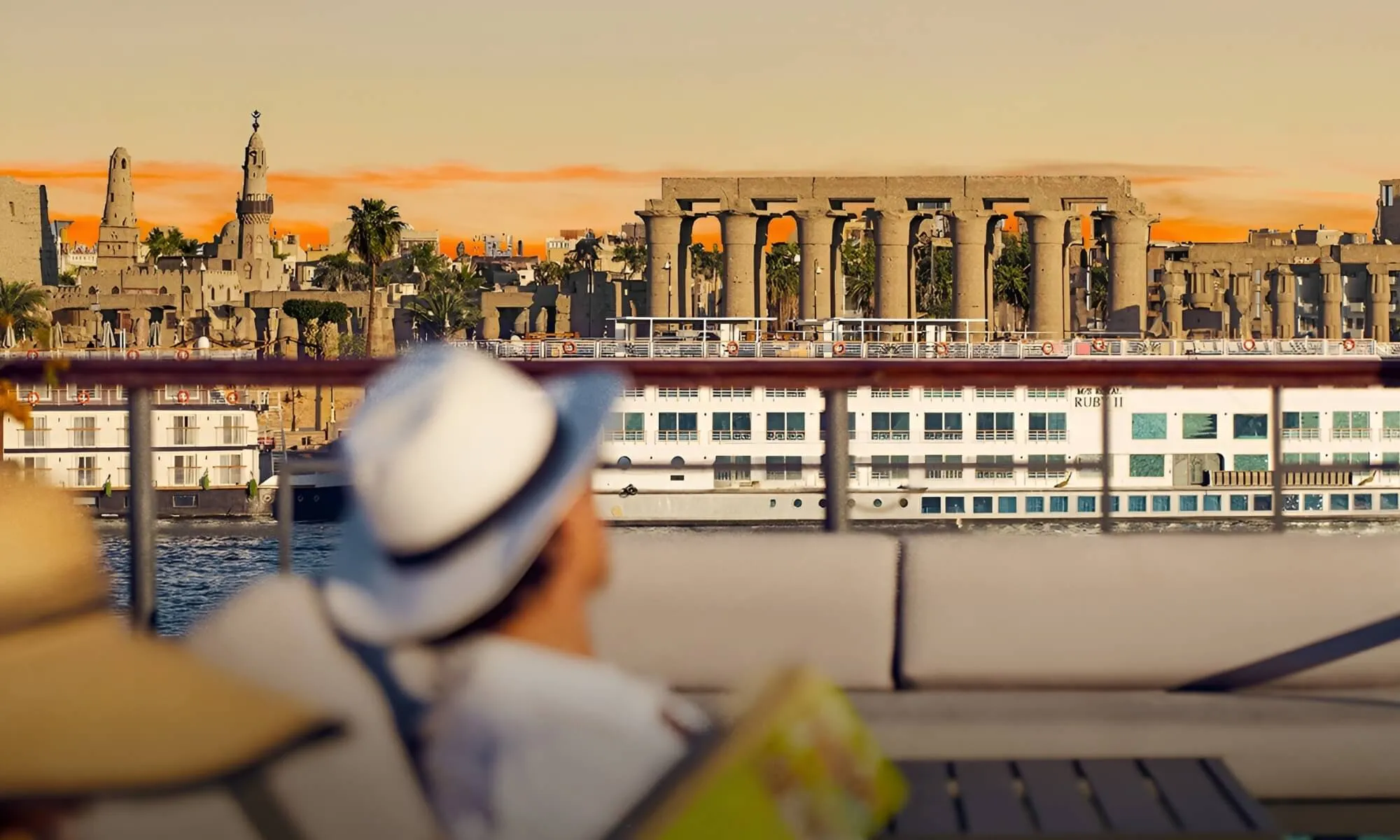
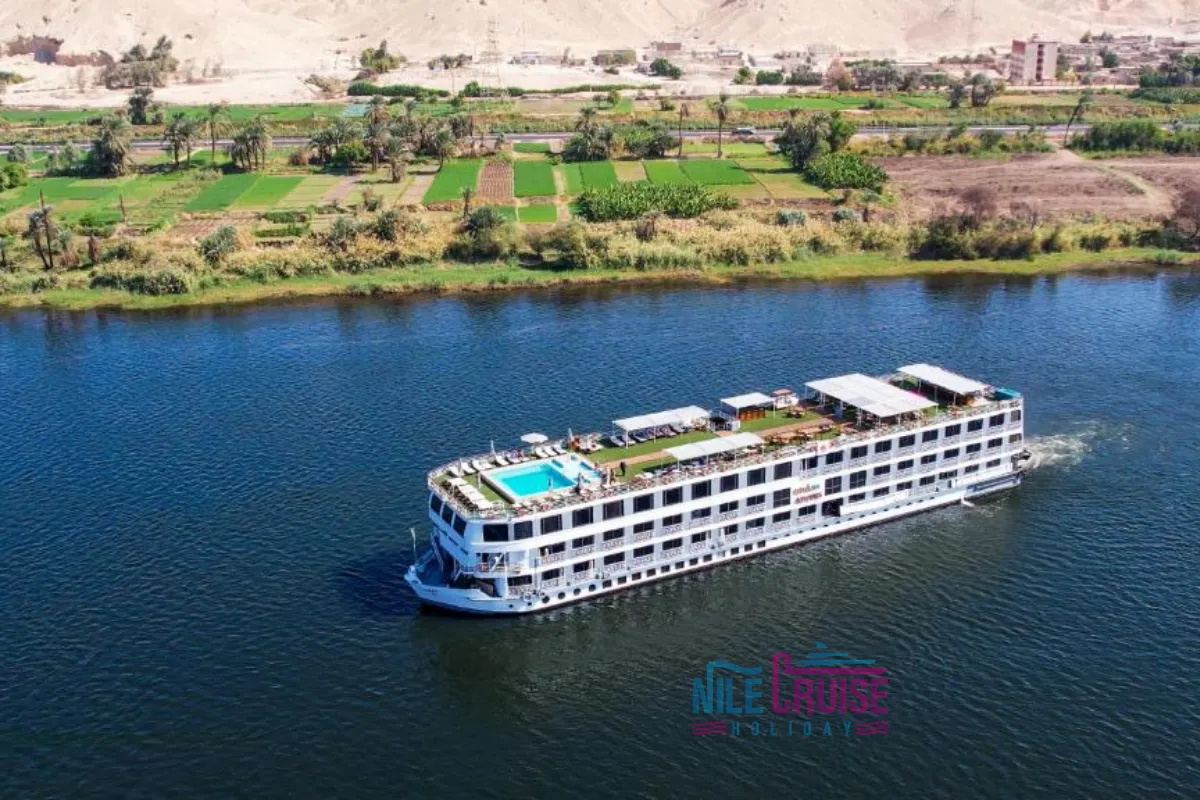
A Nile cruise turns the deck into a moving viewpoint. Sunrise and sunset, palm-lined banks, mirror-still water, temples approached from the river, and silhouettes against an orange sky are all common sights. A longer lens compresses the landscape into layers of water, palms and hills.
Villages are best photographed from a respectful distance as part of the landscape. Close, identifiable photos of people on the banks should not be taken without permission. The guide on what to pack for a Nile cruise covers practical items such as chargers and sun protection for long deck sessions.
Abu Simbel
Abu Simbel suits monumental scale, symmetry and facade detail, with early, lower-angle light giving the colossal statues more shape. Visiting times, crowd levels and tripod rules depend on current arrangements, so these are worth confirming before you go.
White Desert and the Western Desert
The White Desert and wider Western Desert suit minimal landscapes, chalk formations, sand textures, long shadows, silhouettes and a sense of scale. Night skies can be striking away from city lights, depending on the moon and conditions. Dust and wind make lens changes risky, so it helps to choose a lens before stepping out.
Red Sea
The Red Sea coast is best for boats, bright turquoise water, coastline, and, for snorkelers and divers, underwater scenes where permitted. A waterproof phone pouch or housing is enough for most travelers. Many travelers combine the coast with the river, and a Nile cruise and Red Sea trip show how the two fit together.
How to Photograph People and Street Life Respectfully
People are often the most memorable part of Egypt, and photographing them well is mostly about manners.
- Permission first. A smile and a gesture toward the camera are often enough to ask, and a nod or a shake of the head answers clearly.
- Refusals accepted at once. No explanation is needed.
- No children. Official guidance prohibits photographing them.
- Private moments left alone. People at work, in difficulty, or at prayer are not subjects without their consent.
- Care in places of prayer. Mosques and churches may have their own rules, and people at prayer should not be photographed.
- Clear streets. Standing in a narrow lane with a camera can block carts, cars, and people trying to get past.
- Residents, not props. A shopkeeper or farmer is not scenery for a selfie.
- Big lenses at short range only with consent. A big lens at short range can feel intrusive even when a phone would not.
- No police or security. Their activities should never be photographed.
A technically good photograph is not worth creating an uncomfortable interaction. The best people photos often follow a conversation rather than replace one.
What Camera Gear Works Best in Egypt?
Smartphone
A smartphone is enough for many travelers. It suits street scenes, museum interiors, wide architecture, and quick video, and it is discreet, which helps in markets and busy streets.
Standard Zoom
For camera users, a standard zoom is the most versatile single-lens option. It covers wide temple views and closer details without constant lens changes.
Wide-Angle Lens
A wide-angle lens helps in temple courtyards, tight streets, and interiors where photography is allowed. It can distort columns and faces near the edges of the frame, so it works best when kept level and used with some care.
Telephoto Lens
A telephoto lens is useful for compressing the pyramids, picking out high-relief details, balloons, landscapes, and river scenes. It should not be used to photograph identifiable people covertly from a distance.
Tripods
Tripod rules vary by site, and professional or obstructive setups may require permission. Many sites do not allow tripods without approval, so a small tabletop tripod or simply bracing against a wall is often the more practical option.
Camera Bag
A compact, secure bag works best. Heat, dust, long walks, security checks at site entrances, and limited space on boats and in balloon baskets all favor a light kit.
Heat and Dust
Lens changes in dusty or windy places are best kept to a minimum. A lens cloth and a small blower handle most dust. Batteries drain faster in heat and should be kept out of direct sun, and the camera itself is happier in shade between shots.
How to Plan an Egypt Photography Itinerary
Route order shapes photographs as much as any setting on the camera. A temple seen at noon after a long transfer looks very different from the same temple in the late afternoon.
Cairo
Giza works best early, before the light hardens. Museums suit the middle of the day, and Islamic Cairo and street scenes come into their own later. The wider list of Cairo attractions helps decide what else to fit in.
Luxor
Temple visits can be timed around the light and the route between them. A sunrise balloon flight adds an early start, and photography-focused travelers often do better splitting the East Bank and West Bank across separate sessions rather than covering both in one long day.
Aswan
A sunset felucca and unhurried river time are the core of Aswan photography. Nubian villages and homes are best photographed with clear permission from the people who live there.
Nile Cruise
Deck time around sunrise and sunset is worth protecting. Choosing among the different Nile River cruises with an eye on sailing times helps, as does avoiding a schedule where every hour is filled with excursions.
Desert
Desert days work best around low light, sunset and, where the itinerary and conditions allow, a night under clear skies.
How Nile Cruise Holiday Fits In
Nile Cruise Holiday can shape the itinerary around the photographs travelers actually want to take, timing pyramids, temples, Nile sailing, and desert stops around the light instead of treating photography as an afterthought.
That means sequencing destinations so the Cairo, Luxor, Aswan, and cruise handoffs line up, timing site visits for better light, arranging private drivers, and coordinating Egyptologist guides who understand why you might want to linger. The team can build in sunrise and sunset windows, plan felucca and balloon timing, and keep spare time where photography matters most, with no commission shopping stops eating into the day.
Some things remain outside anyone's control. Weather, haze, crowds, sunset colors, and site rules on photography and equipment are set by nature and the authorities, not by any tour company.
Travelers who want photography to shape the journey, not just document it afterward, can ask Nile Cruise Holiday to build a tailor-made Egypt trip around the locations, light, and experiences they most want to capture.