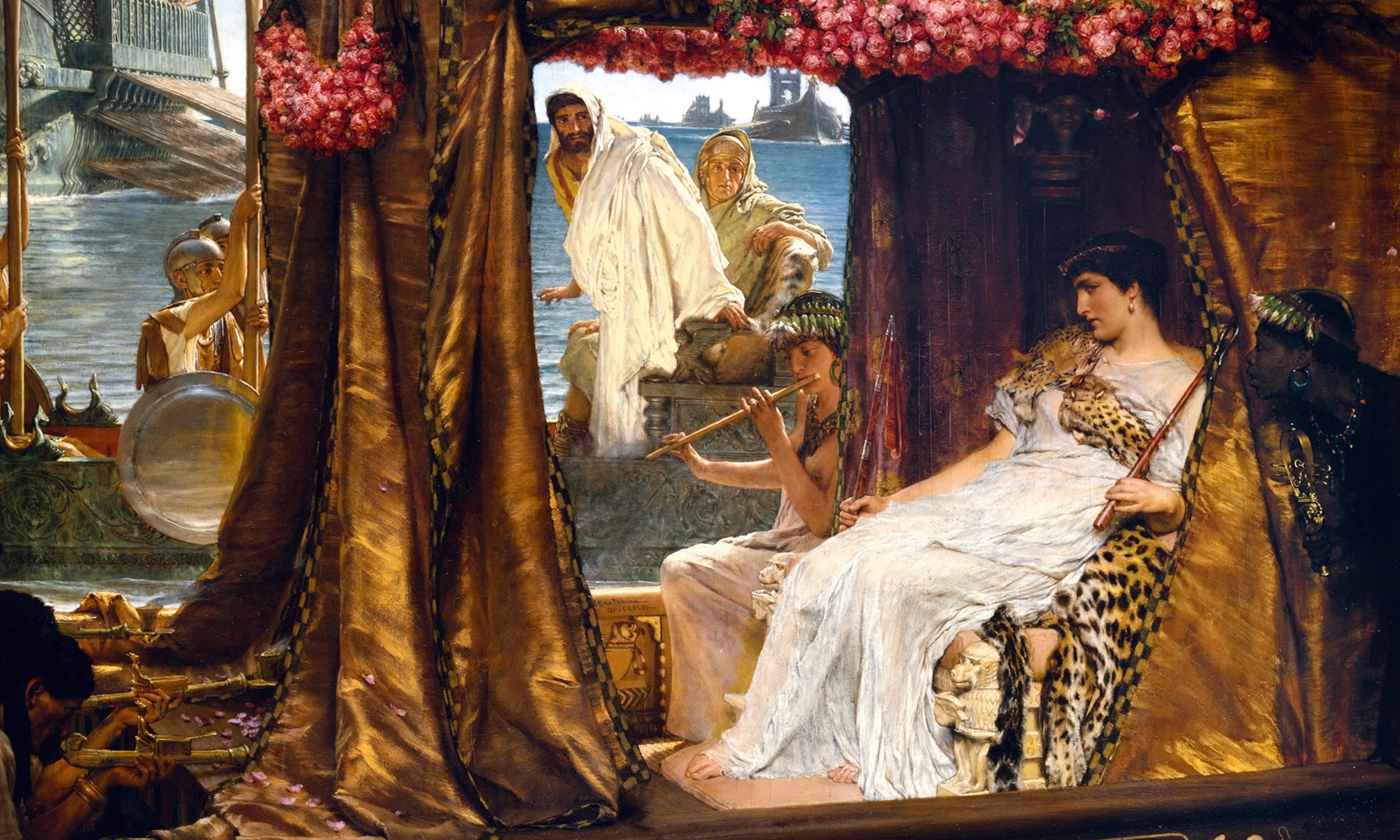
In November 1922, newspapers around the world ran a story that mixed genuine archaeology with pure sensation: a hidden pharaoh's tomb, a fortune in gold, and a string of sudden deaths that seemed to follow everyone connected to it. The idea of an ancient curse took hold almost instantly and has never fully let go, repeated in films and documentaries long after the facts were settled, fed by a genuine trove of gold, jewelry, and funerary treasure unlike anything found in Egypt before or since. Before most travelers ever reach things to do in Luxor or step aboard Nile cruises from Luxor, the curse of King Tut is usually the first question they ask. This investigation separates what actually happened from the myth built on top of it.
The 1922 Discovery
Before any talk of a curse, there was simply a long, difficult search that finally paid off.
Howard Carter and Carnarvon
Howard Carter had spent more than a decade searching the Valley of the Kings for an undiscovered royal tomb, funded by Lord Carnarvon, a wealthy English aristocrat willing to bankroll one more season after years of coming up empty. By 1922, even Carnarvon himself was running low on patience. Their partnership, patience on one side and money on the other, finally uncovered the entrance steps to Tutankhamun's tomb in November 1922, nearly intact after more than three thousand years.
Wonderful Things
When Carter first widened a small hole in the sealed doorway and held a candle up to the gap, Carnarvon asked if he could see anything. Carter's own diary records his answer: "Yes, wonderful things." That single phrase captures a discovery on the same scale as nearby Luxor landmarks like the Avenue of Sphinxes, a find significant enough to make global headlines within days.
How the Curse Began

The tomb itself was a genuine sensation. The curse was something newspapers built on top of it.
The Warning Inscription
One persistent myth claims a warning reading "death on swift wings" was carved directly above the entrance to Tutankhamun's tomb. No such inscription has ever been documented there, a correction worth stating plainly, much like clearing up the equally persistent Napoleon myth behind what happened to the Sphinx's nose. A dramatic line attached to the wrong doorway is not evidence of anything, except how easily a good story outruns a dull fact.
Tutankhamun’s tomb did contain genuine protective magic, including an inscribed clay “magic brick” near the Anubis shrine, but its purpose was to guard the dead king in the afterlife, not to threaten archaeologists with death.
The Press Takes Over
By 1922, "Tutmania" had already gripped the public, and newspapers were primed to connect any misfortune back to the tomb, whether the link held up or not. The same appetite for a dramatic narrative over a documented one shows up in how later generations retold the story of Ramses II and Nefertari, where legend tends to travel further than the historical record it's based on.
The Death of Lord Carnarvon
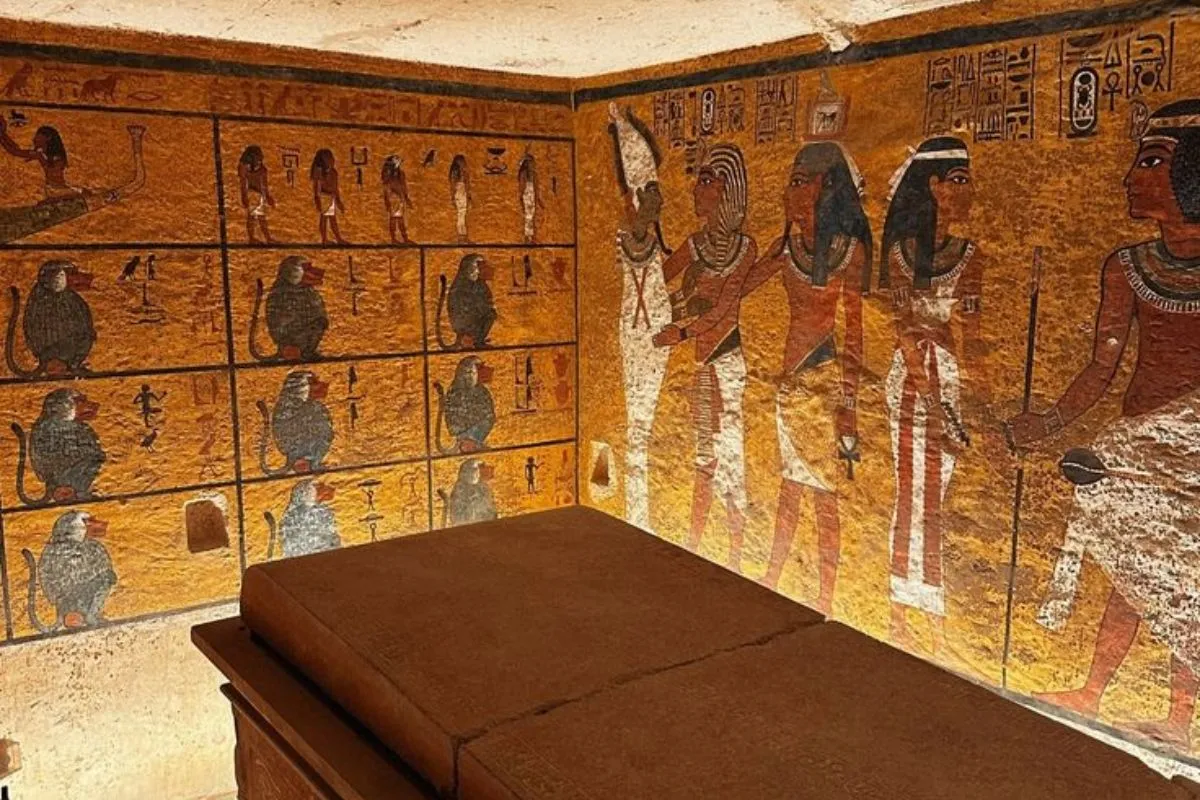
The story might have faded quickly if Carnarvon himself had not died within months of the opening.
The Mosquito Bite
Carnarvon died in April 1923, roughly four months after the tomb was opened, and the medical record is straightforward: an infected mosquito bite on his cheek, worsened when he nicked it while shaving, led to blood poisoning. Travelers tracing the same ground today on various trips such as a 4-day Nile cruise itinerary from Aswan to Luxor face none of the health risks that complicated travel in the 1920s.
The Other "Victims"
In the years that followed, a handful of other deaths loosely connected to the excavation were folded into the curse narrative, including a nurse who briefly treated Carnarvon and a radiologist who once visited the site. Most of these links depend on coincidence stretched well past what the actual timeline supports, and later researchers found no consistent pattern connecting them at all.
What Happened to Howard Carter?
If any single fact undercuts the curse, it is what happened to the man who actually opened the tomb.
Carter Lived Until 1939
Howard Carter, the person with the closest and longest exposure to Tutankhamun's tomb, lived for more than sixteen years after the discovery, dying from Hodgkin lymphoma in 1939 at age 64. A curse that spared its most obvious target for nearly two decades is difficult to take seriously as a supernatural force.
What the Numbers Show
A 2002 British Medical Journal study identified 44 Westerners connected with the tomb-opening period, including 25 considered potentially exposed, and found no statistically significant link between exposure and shortened lifespan.
Science vs. the Curse
Setting aside the supernatural, there are genuine biological theories worth taking seriously, and genuine reasons they fall short.
Mold and Aspergillus
Sealed tombs can harbor ancient mold spores, including strains of Aspergillus, capable of causing serious respiratory illness in someone exposed to a high enough concentration. This is a real and documented hazard at ancient burial sites, not a fringe theory invented to explain away a curse.
Why the Theory Falls Short
Even so, epidemiologists studying Carnarvon's case point out that his death came months after his exposure to the tomb, and that he was already a chronically ill man with a long history of lung problems from a car accident years earlier, long before he ever set foot in Egypt. A mold-driven illness with an immediate, acute course fits his case poorly, which is exactly why this theory remains a footnote rather than the full answer.
Myth or Reality?
Strip away the supernatural framing and what remains is coincidence, sensational journalism, and a long-standing belief in Egypt that royal tombs deserved protection even in the afterlife. Separating documented history from attractive legend is the same work required to understand who Hatshepsut really was, where the evidence tells a far more interesting story than the myth built around her.
Experience the Mystery in the Valley of the Kings
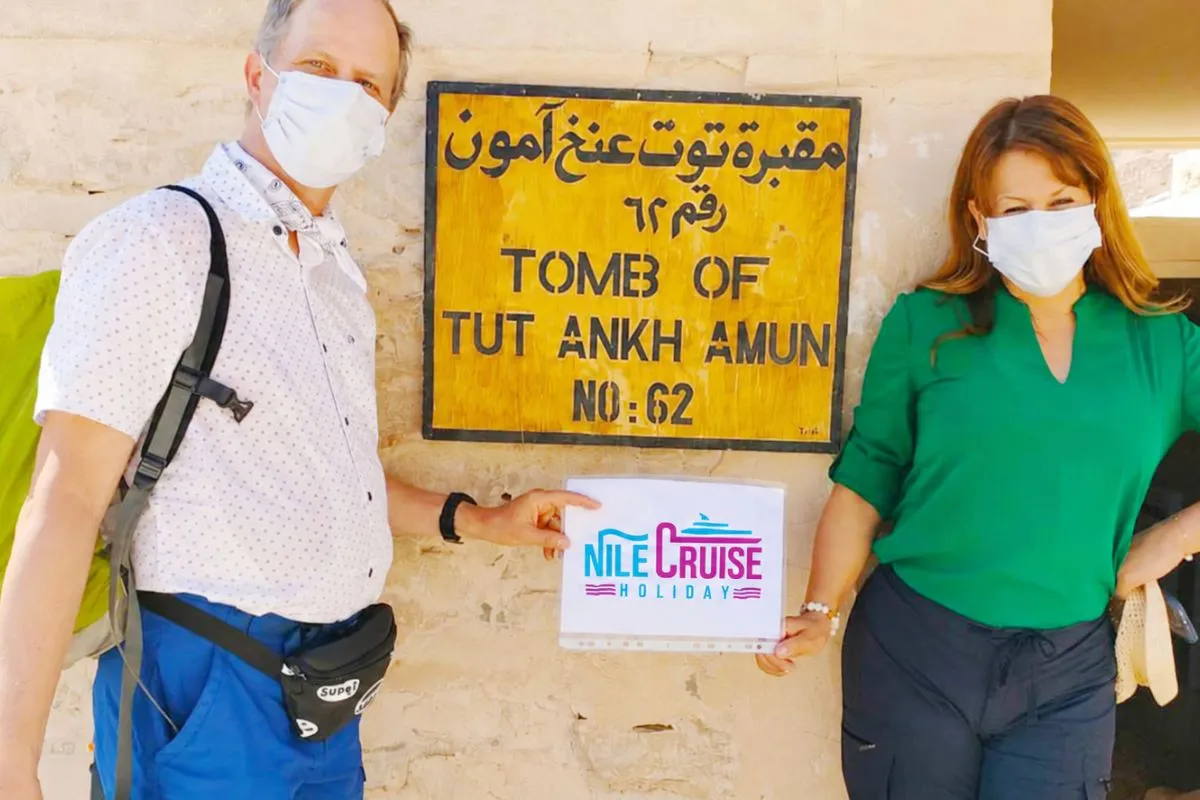
Reading about the curse is one thing. Standing inside KV62 itself is something else entirely.
Visit KV62
Tutankhamun's tomb, cataloged as KV62, requires a separate ticket beyond general admission to the Valley of the Kings, and the tomb itself is smaller and more compact than its fame suggests, four modest chambers rather than the sprawling corridors some visitors expect. Pairing the visit with Luxor to Aswan Nile cruises gives travelers the context, and the time, to appreciate just how much history is packed into such a small space, while a Luxor hot air balloon ride at dawn shows the entire necropolis from above before descending underground.
Beat the Crowds
KV62 draws heavy crowds for a site of its size, and timing a visit badly means queuing in the heat rather than actually absorbing the history. Nile Cruise Holiday sequences West Bank mornings carefully, the same deliberate planning behind choosing Luxor's East Bank versus West Bank on a tight schedule, building a 5-day Nile cruise itinerary from Luxor to Aswan around the hours when the tomb is quietest.
Hear the Real Story
Nile Cruise Holiday's private Egyptologists handle the KV62 ticket logistics directly, then separate the documented history from the Hollywood version on-site, the same specialist value the case for booking through a travel agent describes for the rest of an Egypt trip. Travelers ready to hear the real story firsthand can build it into a tailor-made itinerary or broader Egypt tour packages with a Nile cruise.
Conclusion
The curse of King Tut turns out to be a far better case study in 1920s journalism than in anything supernatural, built from one tragic mosquito bite, a sensational press, and a story that simply refused to let the facts catch up. Seeing KV62 in person, with an Egyptologist who separates the documented history from the legend, turns a famous myth into a genuinely compelling site visit. Cairo and Nile cruise tours, an 8-day Cairo Nile cruise package, or a 9-day Cairo Nile cruise package including Abu Simbel can all build this properly guided Valley of the Kings morning into a longer trip.