Whatsapp Me

Best Colossi of Memnon Travel Guide

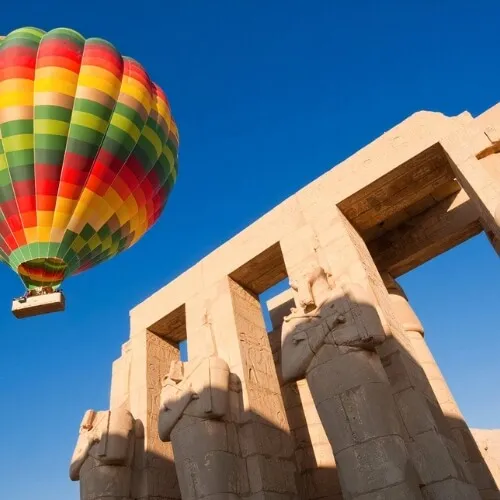
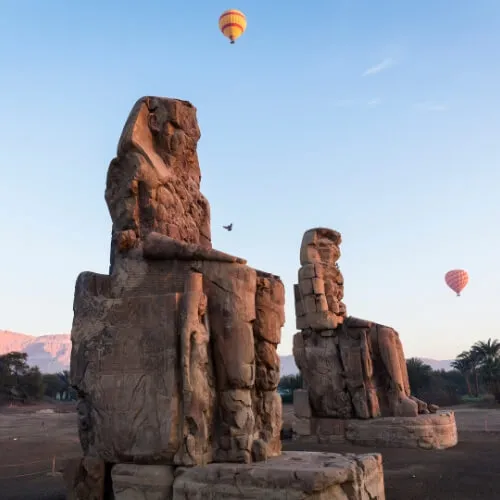
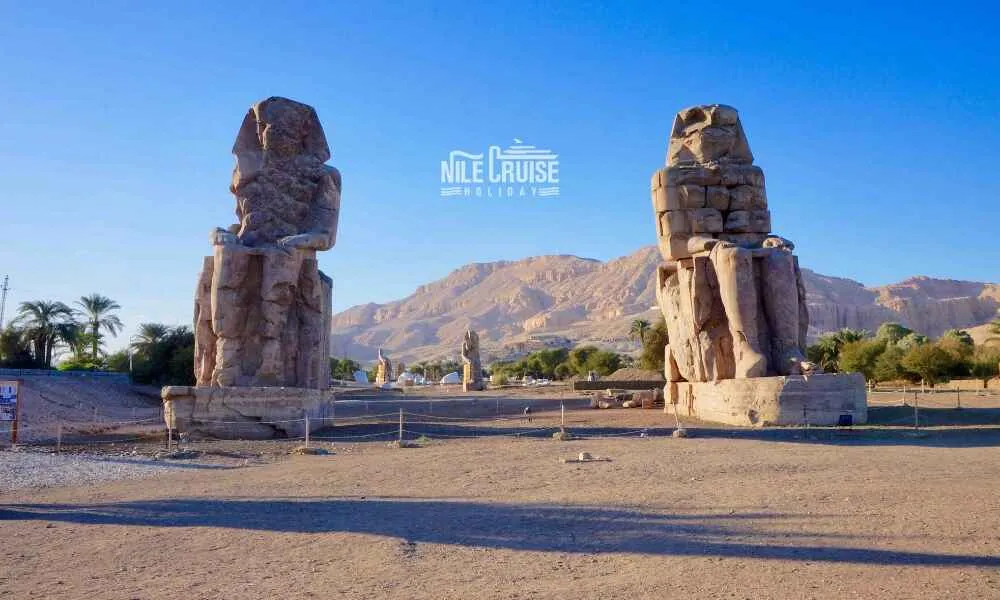
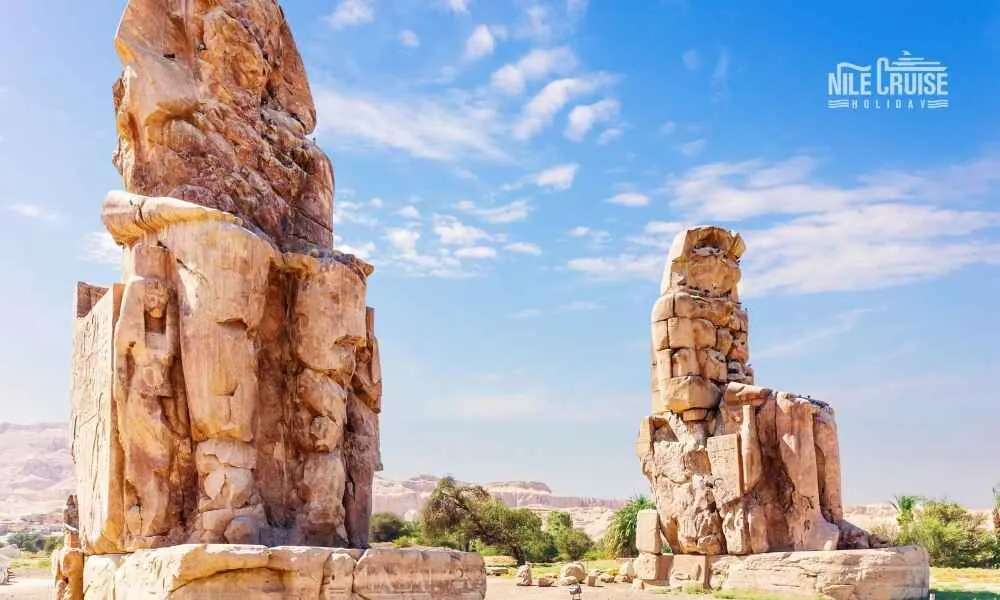
Meet Luxor’s enduring icons: two 18-meter guardians of Amenhotep III’s lost temple. Learn the legend of the “Singing Memnon,” time your visit for sunrise or late afternoon, and pair with Hatshepsut, Medinet Habu, or a balloon flight for sweeping West Bank views.
Discover the History and Legacy of the Colossi of Memnon

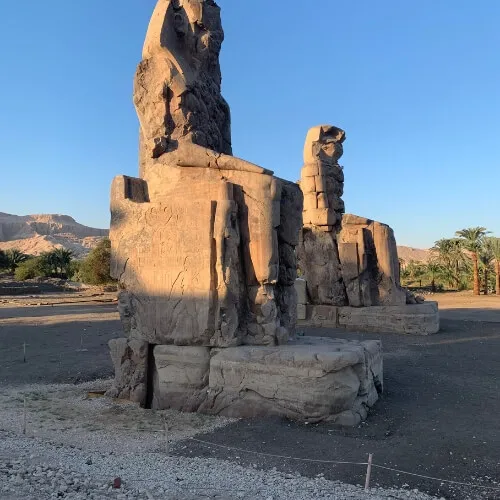
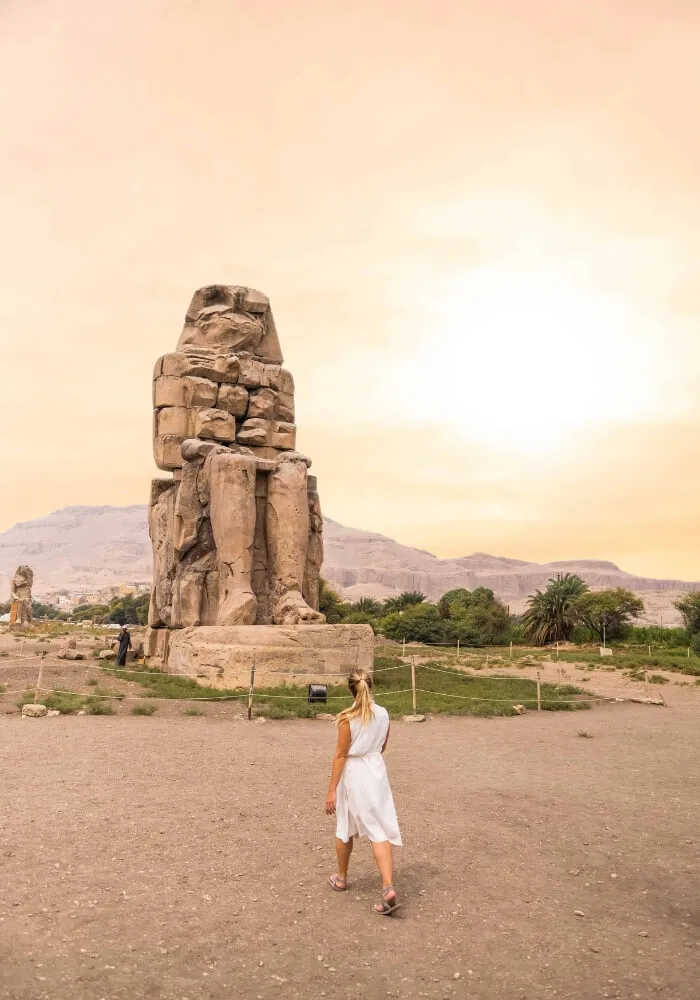
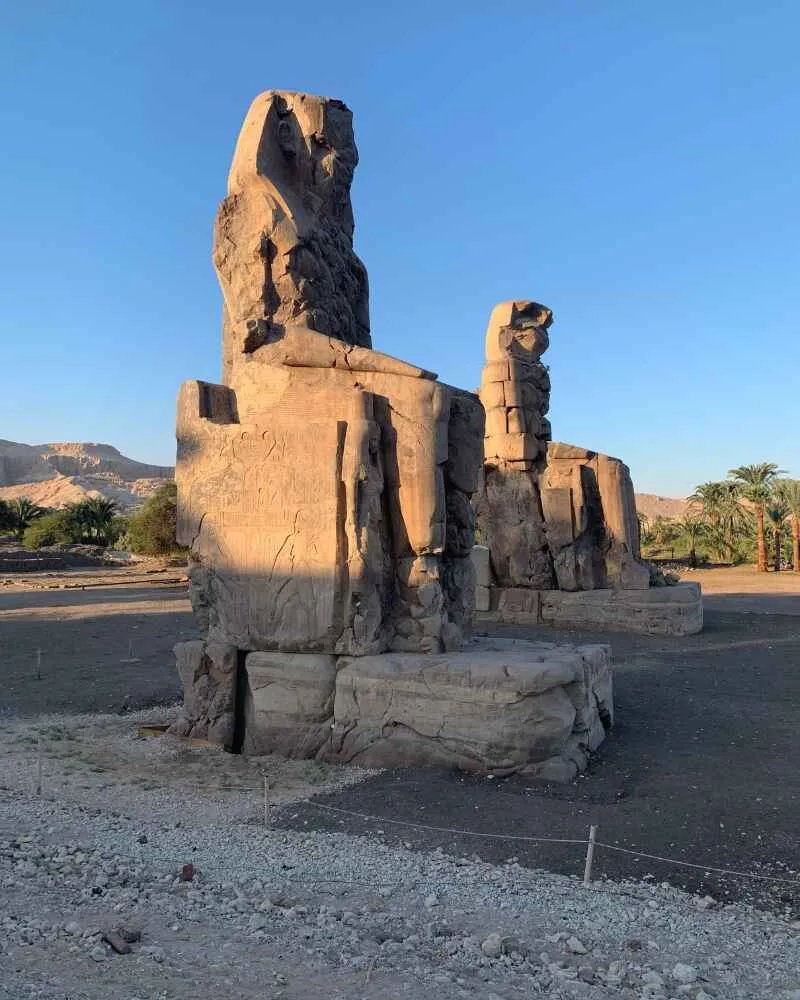
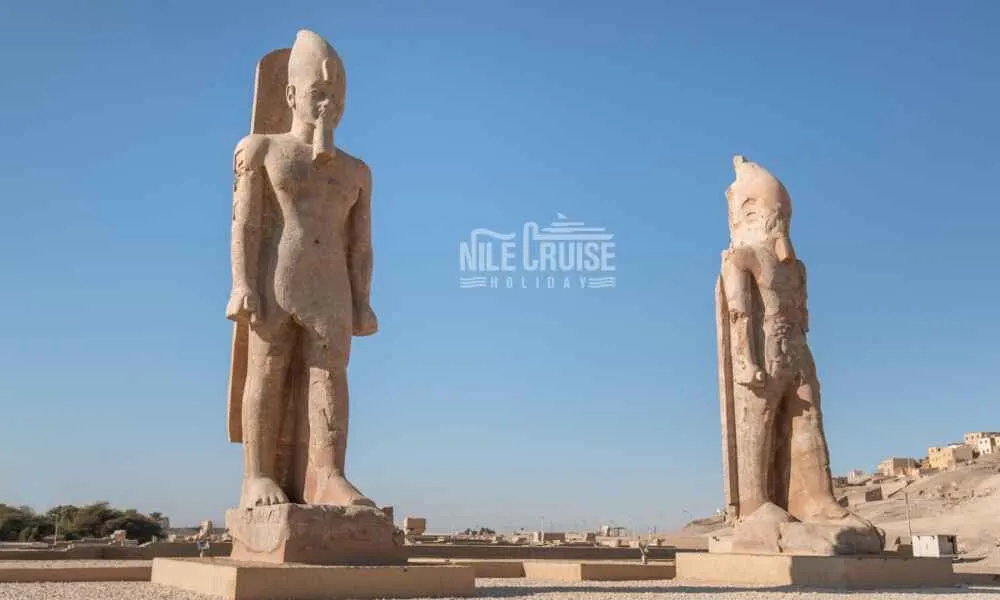
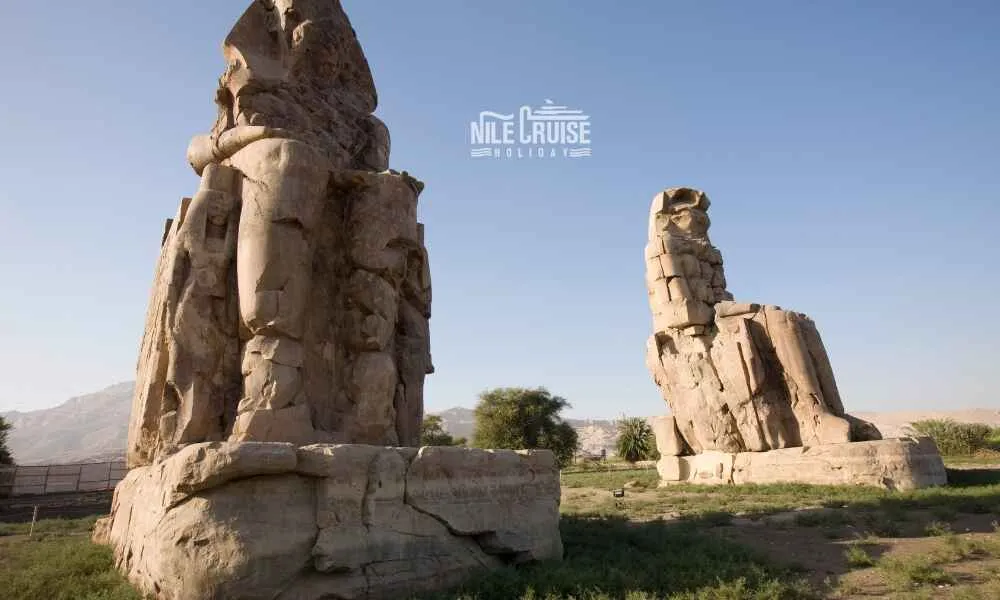
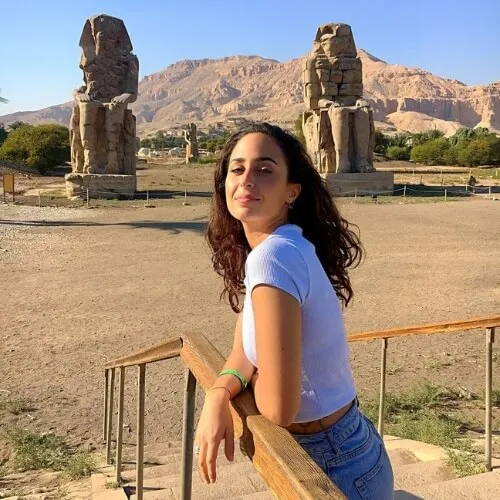
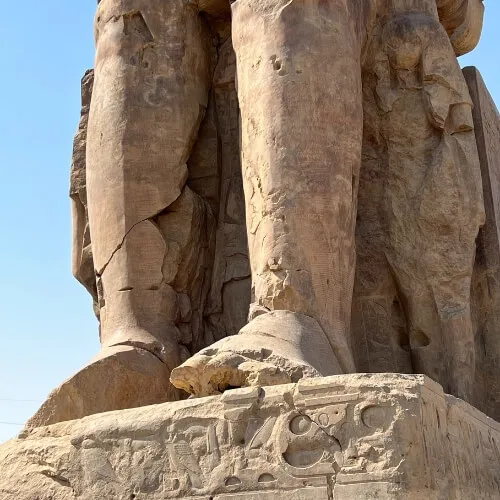
Carved around 1350 BCE for Pharaoh Amenhotep III, the twin quartzite statues, about 18 meters high, once flanked the eastern entrance of his vast “Temple of Millions of Years.” An earthquake in 27 BCE cracked the northern colossus, and dawn vibrations produced a tone that captivated Roman visitors as the “Singing Memnon.” Later repairs under Emperor Septimius Severus in 199 CE ended the sound, but the legend endured. The Greek name “Memnon” reflects a later link to a Homeric hero rather than the Egyptian king. Ongoing conservation around the broader temple complex is revealing sphinx avenues, courts, and statuary, restoring context to these iconic sentinels of ancient Thebes.

Colossi of Memnon Location and How to Reach It

The Colossi of Memnon are located on Luxor’s West Bank, beside the road to the Valley of the Kings, approximately 20 minutes by car from central Luxor. They face the Nile River and the rising sun.

How to reach it:

  • Cross the Nile by ferry
  • Private motorboat from East Bank
  • Taxi or car via Luxor Bridge
  • Join a guided West Bank tour
  • Cycle from the West Bank landing
  • Arrange a hotel transfer in advance

Activities To Do in Colossi Of Memnon

When To Visit Colossi Of Memnon

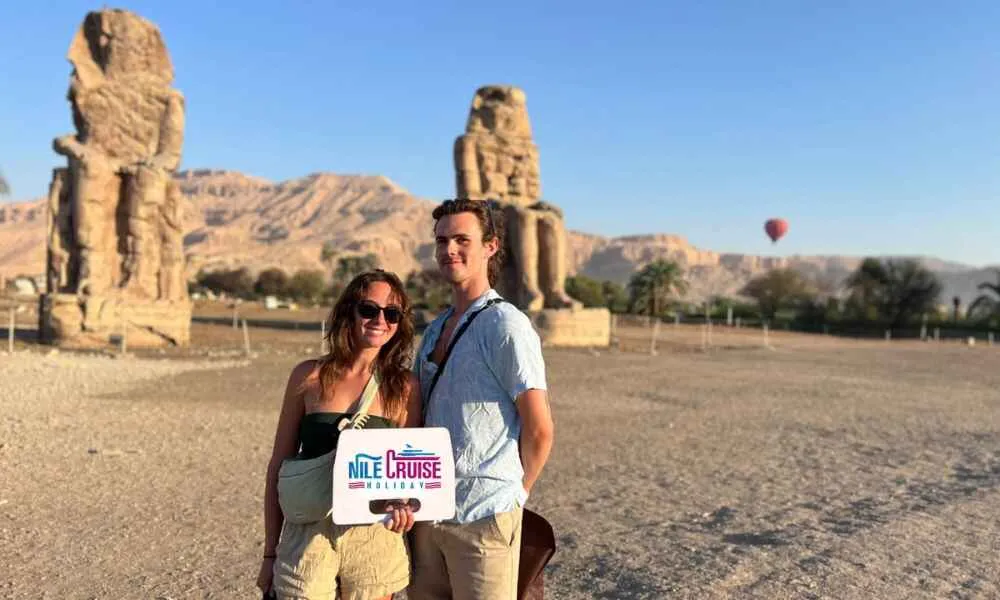
The best time to visit the Colossi of Memnon is from October to April, when temperatures are most comfortable and the light is gentler. Aim for early morning or late afternoon for cooler conditions and fewer visitors, especially if you plan on combining your visit with other West Bank sites or a sunrise balloon flight. During hotter months, arrive at opening time, bring plenty of water, and wear sun protection.

Main Image
Small Image
Attraction Image

Key Facts About the Colossi of Memnon

1

Built for Pharaoh Amenhotep III of the 18th Dynasty around 1350 BCE.

2

Each statue stands about 18 meters tall and is carved from quartzite.

3

Stone was likely quarried at Gebel el-Ahmar near Cairo and shipped south.

4

The pair flanked the eastern gateway of Amenhotep III’s mortuary temple.

5

A 27 BCE quake cracked the northern colossus, producing the famed “song.”

6

Roman repairs under Septimius Severus around 199 CE ended the phenomenon.

7

Excavations continue to reveal the temple’s original layout and grandeur.

Related Attractions