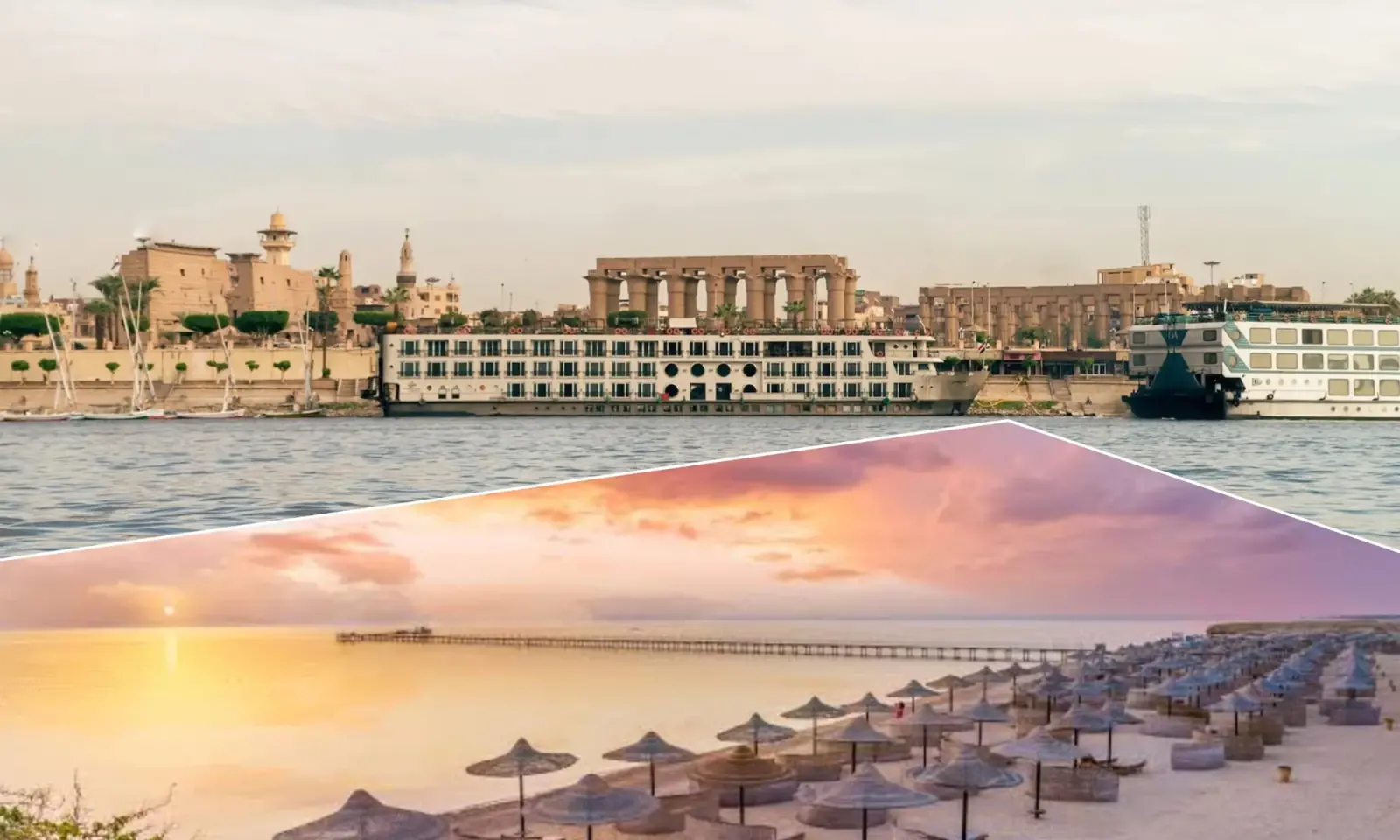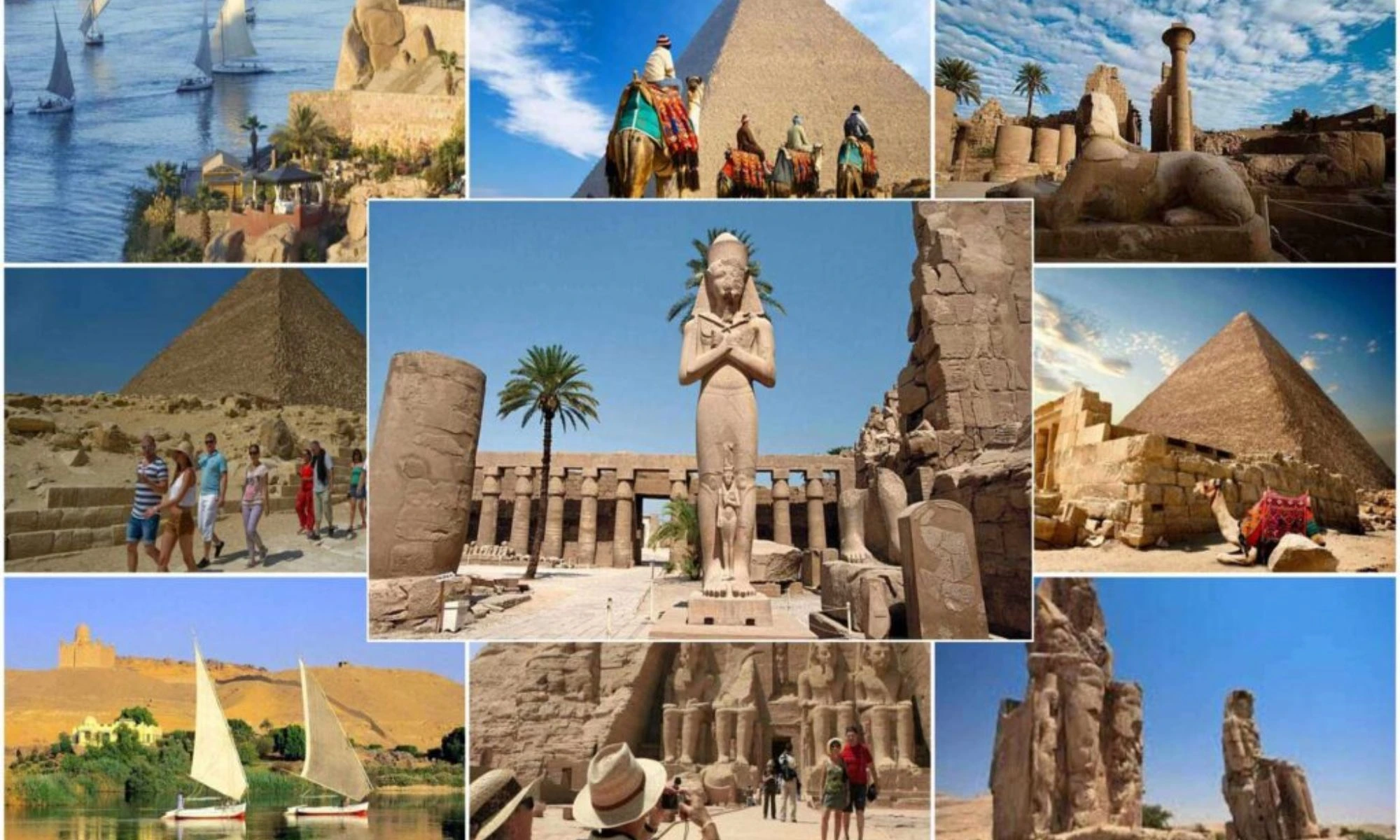
A few minutes from Luxor Temple, the street narrows into a lane lined with alabaster statues, folded scarves, glass perfume bottles, and trays of carved scarabs. Shopkeepers call out greetings in English, and spice sellers stand beside open sacks of hibiscus and cumin. This is the first impression most visitors have of the Luxor market.
A little farther on, though, the scene begins to shift. Souvenir displays thin out. Racks of everyday clothing appear, then crates of tomatoes, oranges and onions, then shops selling cooking pots, plastic buckets and school bags. The customers change too, as Luxor residents go about their ordinary shopping.
That shift is the key to understanding the market. Luxor Market has a heavily visitor-oriented section and a more local section farther along the market street. Travelers may hear it called Luxor Market, Luxor Souq, Luxor Souk, or simply El Souq. These names are used informally for the same market area, and there is no single official English name.
Where Is Luxor Market and How Is It Laid Out?
Luxor Market sits on the city's East Bank, close to the Luxor Temple area and within easy walking distance of the Nile-side Corniche. Most visitors enter near the temple end, where the tourist-facing souq begins.
From there, the market street runs farther into the city. The character of the shops changes as you go, from souvenirs toward goods that serve residents, such as produce, groceries, clothing, and household items.
The transition is gradual rather than a hard gate. Some local sources place the shift between the tourist and local sections around the Moustafa Kamel area, but there is no sign announcing where one ends and the other begins. Many visitors simply notice that the products, the pace, and the shoppers have changed.
| Area | What Travelers Usually Notice |
|---|---|
| Tourist Souq | Souvenirs, jewelry, alabaster, textiles, spices |
| Transition Area | Mix of visitor-oriented and everyday shops |
| Local Market | Produce, groceries, clothing, spices, household goods |
What Is the Tourist Souq Like?
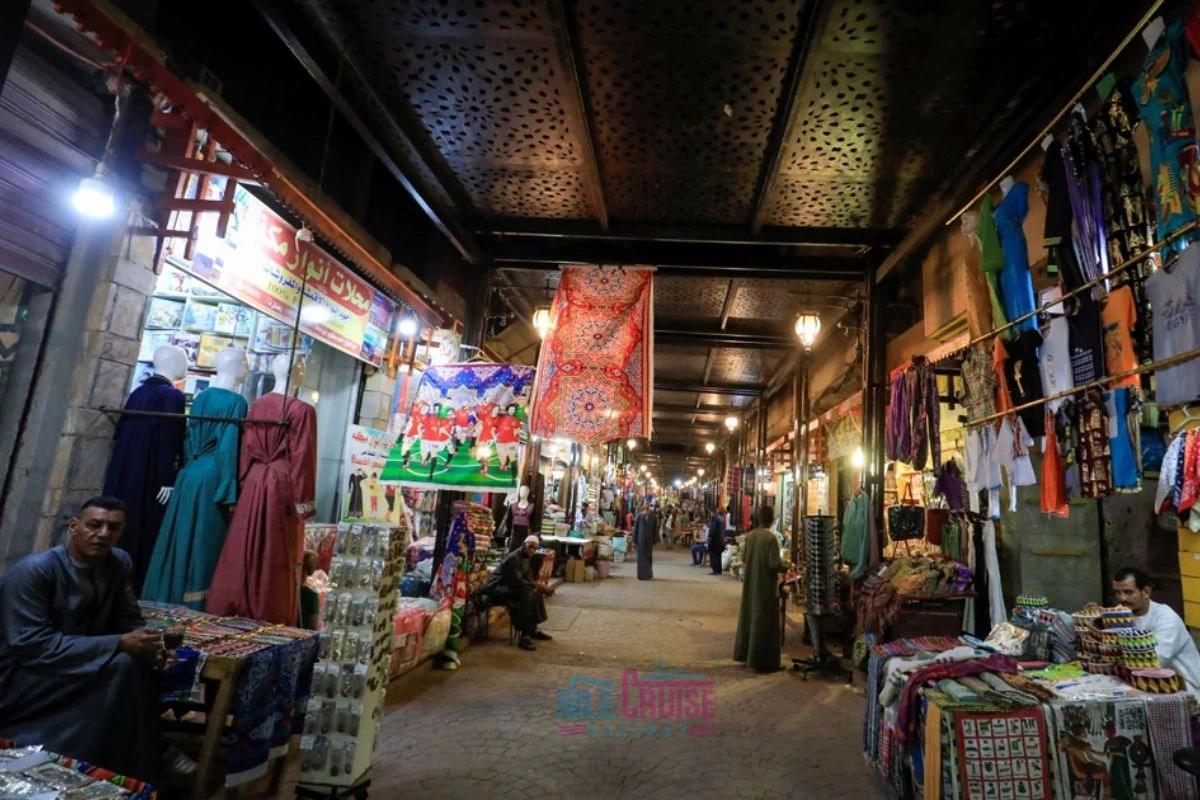
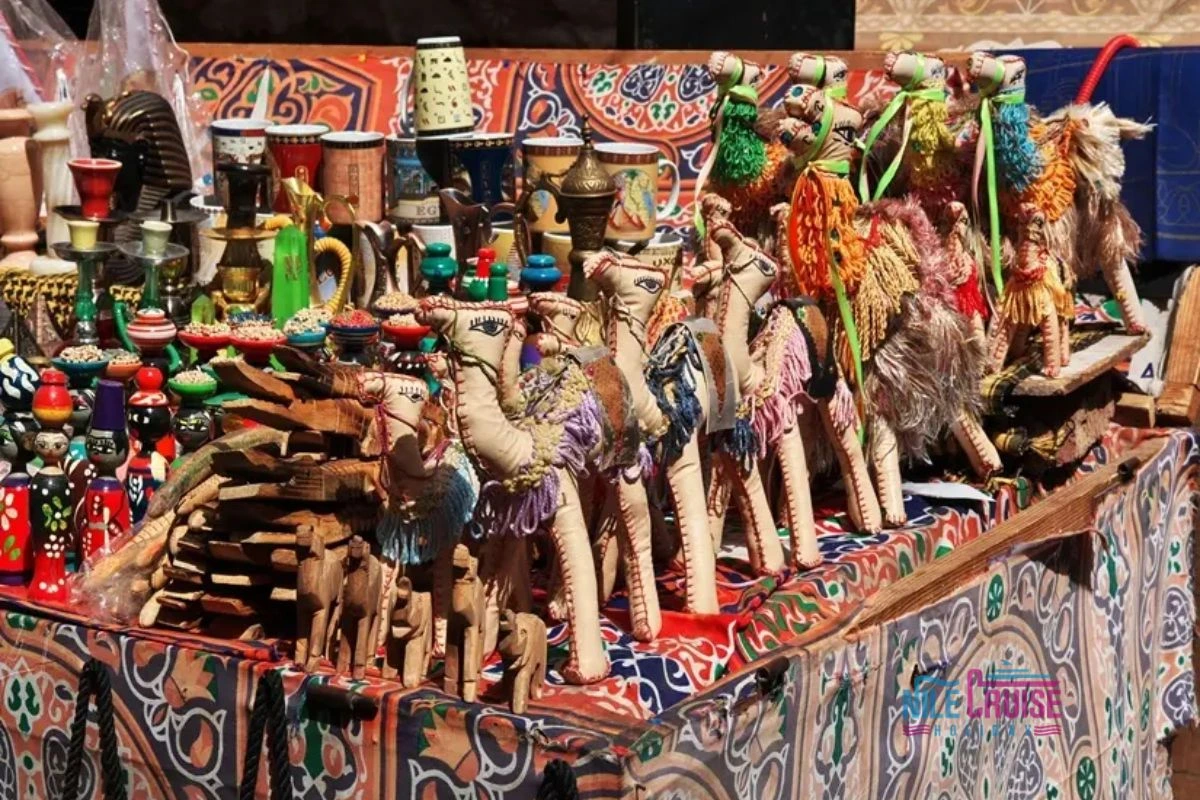
The first stretch of the souq is built around visitors. Shaded stalls display alabaster vases and statues, rows of scarabs, silver and gold-tone jewelry, papyrus-style paintings, and stacks of scarves and tablecloths. Long cotton galabeyas hang from hooks, often in bright stripes or with embroidered necklines.
Perfume shops line their shelves with delicate glass bottles and offer scented oils/fragrance blends by the vial. Spice stalls build neat mounds of turmeric, cumin, dried hibiscus, and mixed spice blends that scent the lane as you pass.
The pace here is lively. Sellers often greet passersby with an invitation to look inside, and English is commonly heard in tourism-focused stalls. Bargaining is part of many purchases. Most of this is ordinary selling, though some sellers are more persistent than others. For the rarer cases that cross into tricks or false claims, our guide to common Egypt scams covers what to watch for.
Quality varies widely from stall to stall, and the same item can range from a simple souvenir to a carefully made piece.
Is It Too Touristy?
Yes, the first section is tourism-oriented, but that does not make it pointless. It is convenient, close to the temple, and easy for first-time visitors to navigate. The displays are cheerful and photogenic, and the stallholders are used to helping people who do not speak Arabic.
Product ranges can repeat between stalls, so browsing several shops before buying is sensible. The main point is that this souvenir-heavy entrance is only one layer of the wider market.
What Changes When You Reach the Local Market?
The change rarely happens all at once. A souvenir shop sits beside a shoe store, then a fruit stand appears, then a row of clothing shops. Before long, the market feels less like a shopping attraction and more like a working street.
The Products Change
Farther along, everyday goods become more common. Fruit and vegetables are piled on carts and tables, often whatever is in season. Grocery shops sell rice, lentils, tea and sugar. Herb and spice sellers serve home cooks rather than souvenir hunters, and clothing shops stock everyday wear for families.
Household items appear as well, from cooking pots and kitchen tools to fabric and practical daily-use goods. Not every shop fits this pattern, and some visitor-oriented stalls appear deeper into the market too. The overall mix, though, clearly shifts toward what Luxor residents need for daily life.
The Atmosphere Changes
Fewer shops are set up for tourists, and fewer sellers call out to passersby. More residents are shopping, comparing produce or chatting with stallholders they know. Less English may be used, and the market can feel narrower and busier, with carts, motorbikes, and delivery work moving through.
The rhythm is different from the tourist souq. It gives travelers a clearer look at everyday commercial life in Luxor.
Should Travelers Go Into the Local Market?
Yes, if you are interested in everyday city life as well as shopping.
Since this is a working area, a little awareness goes a long way. Keeping walkways clear and stepping aside for carts and shoppers helps. Vendors are working, not performing, and residents are not tourist attractions. Wide shots of the market scene are different from deliberately photographing identifiable people, so close-up photos call for permission first. Our guide to Egypt travel etiquette covers these habits in more detail, and following local guidance from your guide or shopkeepers is always sensible.
What Should You Buy at Luxor Market?
What you buy depends partly on which part of the market you are in.
Tourist Souq
The tourist-facing section is the easiest place for souvenirs such as alabaster pieces, scarves and textiles, jewelry, galabeyas, spices, dried hibiscus and small keepsakes like scarab figures or decorative boxes.
Local Market
The local section suits travelers looking for spices, hibiscus, everyday textiles and practical goods. Fresh fruit can be a pleasant snack for the walk, where appropriate.
Origin, quality and price vary from stall to stall. Goods in the local market are not automatically cheaper or better, and items in the tourist souq are not automatically imported. Asking what something is made from and where it comes from is a reasonable question in either section.
For detailed advice on judging papyrus, alabaster quality, precious metals, and other souvenirs, our full guide to what to buy in Egypt covers the checks worth knowing.
How Does Bargaining Work in Luxor Market?
Bargaining is common in many traditional souvenir stalls, but it is not universal. Some businesses and goods have fixed prices, and grocery or produce sellers in the local section may simply tell you the price.
A few habits make the process smoother:
- Comparing similar items at more than one stall before negotiating
- Asking what an item is made from before discussing price
- Negotiating only when you are genuinely interested in buying
- Keeping the tone friendly, even when the numbers are far apart
- Confirming the currency before you pay, so there is no confusion between Egyptian pounds and foreign currency
There is no fixed formula for the right first offer. Prices and seller practices vary, and a fair price is one both sides accept. Walking away politely is perfectly acceptable if no agreement is reached.
Egyptian pounds are generally the most practical default for small market purchases, and payment methods vary from shop to shop. Our guide to money in Egypt explains cash and card use in more detail.
When Is the Best Time to Visit Luxor Market?
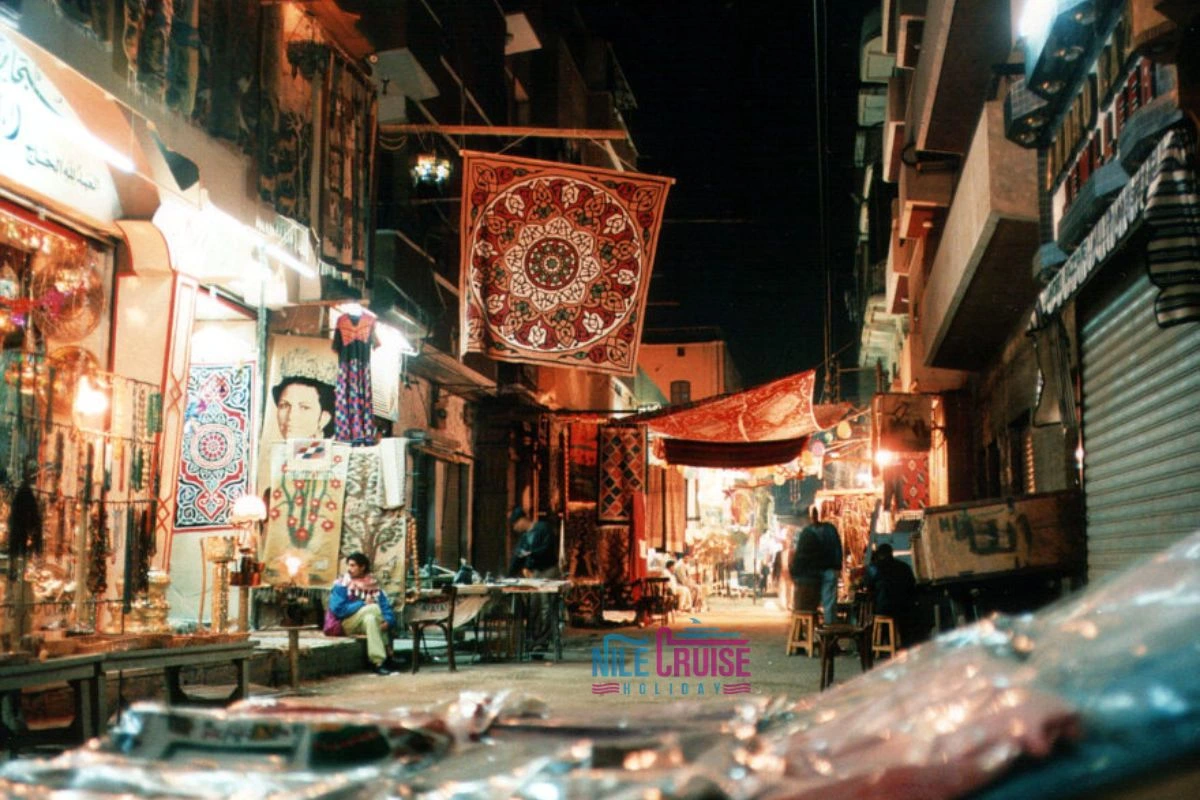
There are no single opening hours for the market as a whole, since individual stalls keep their own schedules. The better question is what kind of experience you want.
Late Afternoon and Evening
For many visitors, late afternoon and evening are the most enjoyable times. Temperatures are cooler, and the tourist souq is at its liveliest. A market walk combines easily with a visit to Luxor Temple, which sits close by. For ideas on spending the rest of the evening on the East Bank, our guide to Luxor at night covers the wider options.
Earlier in the Day
Earlier visits can feel calmer for browsing, and the local section often shows more everyday activity as residents do their shopping. The trade-off is heat in the warmer months and less of the evening atmosphere. Conditions vary by day and by section, so a morning visit is not always quieter.
Nile Cruise Context
Cruise guests can often fit a market walk around East Bank sightseeing such as Karnak Temple and Luxor Temple, or into free time before or after the cruise. Not every itinerary includes market time, so it depends on your schedule. On a Luxor and Aswan Nile cruise arranged by Nile Cruise Holiday, the team can build in a market stop when it fits your interests and the day's timing.
Is Luxor Market Worth Visiting?
Yes, especially if you walk beyond the souvenir-heavy entrance and are interested in both shopping and everyday city life. It is a manageable, walkable market rather than a vast historic bazaar, and that is part of its appeal.
Good For
- First-time Luxor visitors
- Travelers who enjoy markets
- Souvenir shoppers
- Spice and textile browsers
- Photographers interested in wide market scenes
- Travelers curious about everyday Luxor life
Less Essential For
- Travelers with extremely limited time
- Visitors who strongly dislike bargaining or seller attention
- Travelers prioritizing archaeological sightseeing above shopping
- People expecting a historic bazaar on the scale of Cairo's Khan el-Khalili
How a Guide Helps
A knowledgeable guide can show you where the tourism-oriented area begins and how it changes, explain basic bargaining etiquette, and point out differences between materials. They can also help you decide whether a market stop fits your itinerary and how much free time to allow. Nile Cruise Holiday can include market time when it matches a guest's interests and sightseeing schedule, rather than treating shopping as a compulsory tour stop.
Travelers who want market time included alongside Luxor sightseeing, guides, and transfers can arrange it within a tailor-made Egypt trip when it fits their interests and itinerary.